
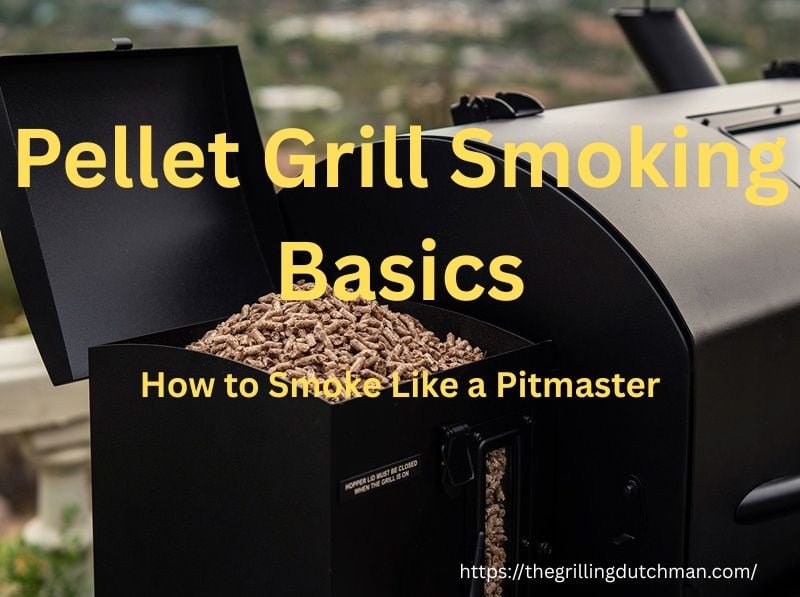
Are you ready to take your smoking game to the next level? Using a pellet grill for smoking is one of the easiest and most delicious ways to cook meat with rich, smoky flavor.
Whether you’re new to pellet grilling or just want to get better results, this guide will show you exactly how to use your pellet grill to create mouthwatering smoked dishes every time. Keep reading, and you’ll discover simple tips and tricks that turn your grill into a flavor powerhouse.
Your next unforgettable meal is just a few steps away!
Choosing The Right Pellet Grill
Choosing the right pellet grill is key to great smoking results. It affects cooking ease and food flavor. Understanding the main factors helps pick the best grill for your needs.
Size And Capacity
The grill size impacts how much food you can cook at once. Small grills suit families or occasional use. Large grills work well for parties or big batches. Think about your usual cooking amount. Also, check the cooking surface area. A bigger area means more space for racks and smokers.
Temperature Range
Temperature control is crucial for smoking different foods. Look for grills with a wide temperature range. Low heat settings allow slow smoking for tender meat. Higher temperatures help with grilling or searing. Consistent temperature keeps food evenly cooked and juicy.
Features To Look For
- Digital controllers for easy temperature adjustments
- Wi-Fi or Bluetooth for remote monitoring
- Sturdy construction with good insulation
- Easy-to-clean ash and grease management
- Multiple cooking racks for versatility
These features improve the smoking experience. They save time and give better control over cooking.

Credit: www.youtube.com
Setting Up Your Pellet Grill
Setting up your pellet grill correctly is key for great smoking results. Proper setup ensures steady heat and smoke flow. It also helps your grill last longer and work safely.
Follow these steps to get your pellet grill ready for smoking. Each step is simple and important for a smooth start.
Assembling The Grill
Start by unpacking all parts carefully. Check the manual to identify each piece. Attach the legs or stand securely to the main body. Fix the hopper and grease tray in place. Tighten screws and bolts evenly. Make sure doors and lids open and close smoothly. Clean the inside before first use to remove dust and factory residues.
Loading Pellets
Choose high-quality wood pellets for better flavor. Open the hopper lid and fill it with pellets. Do not overfill; leave space for air circulation. Avoid mixing different pellet types to keep flavor pure. Close the hopper lid tightly to keep pellets dry. Store extra pellets in a cool, dry place to maintain freshness.
Connecting Power And Ignition
Place the grill near a power outlet. Plug in the grill’s power cord firmly. Turn the control panel on and set the temperature. The ignition system will start automatically. Watch the fire start in the firepot. Allow the grill to reach the desired temperature before adding food. Keep the grill plugged in during use to maintain heat and smoke.
Preparing For Smoking
Preparing your pellet grill for smoking is a key step to get great flavor and perfect texture. It helps the grill work smoothly and keeps your food tasty. Take time to select the right pellets, clean the grill, and set the right temperature. This preparation ensures your smoking session goes well from start to finish.
Selecting Wood Pellets
Choose pellets that match the food you plan to smoke. Different woods give different flavors. For example:
- Hickory adds a strong, smoky taste.
- Apple wood gives a sweet, mild flavor.
- Mesquite creates a bold, earthy smoke.
Use high-quality pellets to avoid bad tastes or clogging. Avoid pellets with fillers or additives.
Cleaning And Preheating
Clean the grill before each use to remove ash and residue. This keeps air flowing well. Use a brush or vacuum made for grills.
Preheat the grill for 10 to 15 minutes. This warms the grill and gets the pellets burning well. Preheating helps maintain a steady smoke.
Setting Temperature And Smoke Levels
Set the temperature according to your recipe. Most smoking happens between 180°F and 250°F.
Adjust the smoke level if your grill allows it. More smoke means stronger flavor but can be bitter if too much.
Keep the temperature steady for even cooking and better smoke absorption.
Smoking Techniques
Pellet grills use wood pellets to produce consistent smoke and heat for flavoring food. Set the temperature, add pellets, and let the grill do the work. This method keeps food tender and infused with rich smoky taste.
Smoking Techniques Mastering the art of smoking on a pellet grill can elevate your culinary creations to new heights. Whether you’re a novice griller or a seasoned pitmaster, understanding the nuances of smoking techniques can make all the difference. Let’s delve into some key methods that will help you achieve that perfect smoky flavor.Direct Vs Indirect Smoking
Choosing between direct and indirect smoking is crucial for achieving desired results. Direct smoking involves placing food directly over the heat source, ideal for quick smokes like fish or vegetables. Indirect smoking, however, positions food away from the heat, allowing for a slow, even cook perfect for large cuts of meat like brisket. Experiment with both to understand their impact on flavor and texture. Your choice will depend on the type of food and the flavor profile you wish to achieve. Have you tried both methods yet?Using Water Pans
A water pan can be your secret weapon for maintaining moisture and stabilizing temperature. Placing a water pan in your pellet grill adds humidity to the environment, ensuring your meats remain juicy. Simply fill a heat-resistant pan with water and place it near the heat source. This technique also helps in moderating temperature fluctuations, leading to a more consistent smoke.Managing Smoke Intensity
Too much smoke can overpower your dish, while too little may leave it bland. Managing smoke intensity is about striking the right balance. Use hardwood pellets known for producing a clean, flavorful smoke, like apple or hickory. Adjust the grill’s airflow to control the smoke’s density. A well-ventilated grill prevents smoke from becoming bitter. Have you considered trying different wood pellets to see how they influence flavor?Cooking Tips For Different Meats
Smoking different types of meat on your pellet grill requires tailored approaches to bring out the best flavors and textures. Each meat reacts uniquely to heat and smoke, so adjusting your technique can make a big difference in the final result.
Understanding how to manage temperature, smoke levels, and cooking time for each type of meat will help you get that perfect bite every time. Have you ever wondered why some smoked dishes turn out tender and others dry? The secret lies in these small but crucial details.
Smoking Brisket
Brisket is a tough cut that needs low and slow cooking to break down connective tissue. Set your pellet grill to around 225°F and plan for a long cook—often 10-14 hours depending on size.
Use a meat probe to monitor internal temperature, aiming for about 195°F to 205°F for tender results. Wrapping the brisket in foil or butcher paper halfway through helps retain moisture.
Don’t forget to apply a dry rub with salt, pepper, and your favorite spices before smoking. This adds a flavorful crust called bark that many pitmasters strive for.
Smoking Ribs
Ribs cook faster than brisket but still benefit from low heat. Maintain your grill at 225°F to 250°F for about 4-6 hours.
Try the 3-2-1 method for pork ribs: smoke unwrapped for 3 hours, wrap in foil with a splash of liquid for 2 hours, then unwrap and cook for 1 hour to firm up the bark.
Keep a spray bottle handy to spritz ribs with apple juice or vinegar during cooking. This keeps the meat moist and adds a subtle tang.
Smoking Poultry
Chicken and turkey cook faster and can dry out easily, so higher temperatures between 275°F and 300°F work well. Keep an eye on internal temperature, aiming for 165°F in the thickest part.
Brining poultry before smoking enhances juiciness and flavor. You can also add herbs or citrus inside the cavity for extra aroma.
Use indirect heat zones on your pellet grill to avoid flare-ups and uneven cooking. Patience here pays off with tender, smoky poultry.
Smoking Fish
Fish is delicate and requires gentle smoking at lower temps, usually between 180°F and 225°F. Thicker fish like salmon handle smoke well, while thinner fillets need less time.
Apply a light seasoning or marinade and consider using fruit woods like apple or cherry for a mild smoke flavor. Over-smoking can overpower the natural taste.
Keep your grill lid closed as much as possible to maintain steady temperature and smoke levels. How often do you check your fish during smoking? Too much peeking can drop heat and extend cooking time unnecessarily.
Monitoring And Maintaining Temperature
Keeping the temperature steady is key to smoking on a pellet grill. It affects flavor, texture, and cooking time. Watch the heat closely to avoid undercooked or burnt food. Small changes can make a big difference in your smoking results.
Using Built-in Thermometers
Most pellet grills come with built-in thermometers. These give a quick look at the grill’s internal temperature. Place the thermometer in the grill’s cooking area for accurate readings. Check it often to see if the grill stays at the right heat. Remember, built-in thermometers can sometimes be off by a few degrees, so don’t rely on them alone.
External Temperature Probes
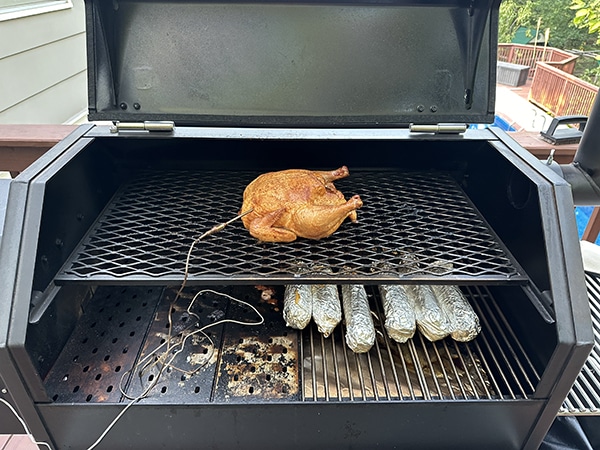
External probes offer more precise temperature control. Insert these probes directly into the meat or near the cooking surface. Many models connect to digital displays or apps for real-time updates. Use multiple probes to monitor different areas if needed. This helps ensure even cooking and prevents over or under-smoking.
Adjusting Pellet Feed
The pellet feed controls the fire’s fuel supply. Increasing the feed raises the temperature. Decreasing it lowers the heat. Adjust the feed slowly and watch the temperature change. Small adjustments keep your grill steady and your food perfectly smoked. Check the hopper regularly to make sure it has enough pellets for the whole cooking time.
Troubleshooting Common Issues
Pellet grills offer a simple way to smoke food, but sometimes issues arise. Troubleshooting helps fix common problems quickly. This keeps your smoking experience smooth and enjoyable.
Temperature Fluctuations
Inconsistent temperature is a frequent problem with pellet grills. Check the grill’s thermostat and make sure it is clean. Dirty sensors cause false readings and uneven heat. Also, avoid opening the lid too often. Each time you open it, heat escapes and the grill cools down.
Try using an external thermometer for more accurate temperature readings. Adjust the grill’s settings if needed. Keep the pellets dry and fresh. Wet pellets burn poorly and can affect temperature stability.
Smoke Production Problems
Low or no smoke can spoil your food’s flavor. Make sure you use high-quality hardwood pellets. Low-grade pellets often have fillers that reduce smoke. Clean the burn pot regularly to remove ash and debris. Ash buildup blocks proper burning and smoke flow.
Check the fan and auger operation. Both help feed pellets and air for smoke. If either stops working well, smoke production drops. Replace any broken parts promptly.
Pellet Feed Blockages
Pellet feed blockages stop pellets from reaching the fire pot. Moisture is the main cause of blockages. Store pellets in a dry place and avoid humidity. Inspect the auger tube for jams or pellet dust clogs.
Clear any blockages with a soft brush or compressed air. Never force pellets through the auger. Regularly clean the pellet hopper and auger to prevent buildup. Proper maintenance keeps the feed system running smoothly.
Credit: www.artofmanliness.com
Cleaning And Maintenance
Keeping your pellet grill clean improves its performance and extends its life. Regular maintenance stops buildup that affects flavor and heat control. Proper care makes every smoking session better.
Daily Cleaning Tips
- Remove ashes and grease after each use.
- Wipe down grill grates with a damp cloth.
- Check and empty the drip tray to avoid flare-ups.
- Keep the hopper lid closed to prevent moisture inside.
- Inspect the fire pot for leftover pellets or ash.
Deep Cleaning Procedures
Deep cleaning your pellet grill every few months keeps it in top shape. Follow these steps:
- Unplug the grill and let it cool completely.
- Remove all grates, drip tray, and heat deflector.
- Clean parts with warm soapy water and a soft brush.
- Use a vacuum or brush to clear ash from the fire pot and interior.
- Check and clean the auger tube to prevent pellet jams.
- Dry all parts fully before reassembling the grill.
- Apply a light coat of cooking oil on grates to prevent rust.
Pellet Storage Best Practices
- Store pellets in a cool, dry place to keep them dry.
- Use airtight containers to prevent moisture exposure.
- Keep pellets off the ground and away from direct sunlight.
- Buy pellets in small amounts to ensure freshness.
- Check pellets for mold or crumbling before each use.
Enhancing Flavor With Rubs And Marinades
Rubs and marinades add deep flavor to foods smoked on a pellet grill. Applying them before cooking helps meat absorb spices and juices. This process enhances taste and keeps the meat tender during smoking.
Enhancing the flavor of smoked dishes elevates the dining experience. Using rubs and marinades transforms simple ingredients into culinary delights. They add depth, complexity, and a burst of flavor. With a pellet grill, these enhancements become even more pronounced. Let’s explore how to choose and apply them effectively.Choosing The Right Rubs
Rubs are essential for smoking. They create a flavorful crust on meats. Start with a base of salt and sugar. Then, add spices like paprika, garlic, and onion powder. For a spicy kick, include cayenne or chili powder. Experiment with herbs like thyme or rosemary. Each rub should complement the meat’s natural taste.Marinating Techniques
Marinades enhance flavor and tenderness. Combine acid, oil, and seasonings. Use vinegar, citrus juice, or yogurt for the acid. Olive oil or vegetable oil works well for the base. Add herbs, spices, and aromatics for depth. Submerge the meat completely in the marinade. Refrigerate it to let flavors infuse.Timing For Application
Timing is crucial for rubs and marinades. Apply rubs a few hours before cooking. This allows flavors to penetrate the meat. Marinate meats for at least 30 minutes. For deeper flavor, marinate overnight. Remember to remove excess marinade before grilling. This prevents burning and ensures even cooking.
Credit: medium.com
Safety Tips For Pellet Grilling
Using a pellet grill for smoking is an exciting way to enhance your cooking, but safety should always be your top priority. Ignoring safety tips can lead to accidents, damage, or poor grilling results. Let’s look at key safety practices that help you enjoy smoking with confidence and care.
Proper Ventilation
Always use your pellet grill in an open, well-ventilated area. Smoke and gases from the grill need space to disperse safely. Setting up near windows or outdoors prevents buildup of harmful fumes.
Have you noticed how smoke lingers differently depending on wind direction? Position your grill accordingly to avoid smoke blowing directly toward you or your guests.
Handling Hot Surfaces
Pellet grills get extremely hot, especially around the grill grates and lid. Use heat-resistant gloves whenever you need to touch or adjust parts during cooking. Never attempt to move or clean the grill until it has cooled completely.
Keep kids and pets away from the grill area to prevent burns. Even after cooking, some parts remain hot for a while, so stay cautious.
Storage And Pellet Safety
Store your wood pellets in a dry, cool place to maintain their quality and prevent mold growth. Moisture can cause pellets to swell and jam your grill’s auger, leading to malfunctions.
Only use pellets designed for your specific grill model. Mixing different types or using old pellets might create unexpected flare-ups or poor smoke flavor. Have you checked your pellet storage lately? Keeping them fresh makes a big difference in grilling success.
Frequently Asked Questions
How Do I Set Up A Pellet Grill For Smoking?
To set up a pellet grill for smoking, fill the hopper with wood pellets. Preheat the grill to the desired temperature, usually between 180°F and 225°F. Insert your meat, close the lid, and let the pellets smoke your food evenly.
What Pellets Are Best For Smoking On A Pellet Grill?
Hardwood pellets like hickory, mesquite, apple, and cherry are best for smoking. They provide distinct flavors and burn evenly. Avoid softwood pellets as they create unpleasant tastes and excessive smoke.
How Long Should I Smoke Meat On A Pellet Grill?
Smoking time varies by meat type and thickness but generally ranges from 1 to 6 hours. Use a meat thermometer to check internal temperatures for perfect doneness and safety.
Can I Use A Pellet Grill For Cold Smoking?
Most pellet grills are designed for hot smoking, not cold smoking. Cold smoking requires temperatures below 90°F, which typical pellet grills cannot maintain safely.
Conclusion
Using a pellet grill for smoking is simple and fun. Control the temperature well for the best results. Choose the right wood pellets to add flavor. Always keep the grill clean for better taste. Be patient and let the smoke work its magic.
Enjoy delicious, smoky food with little effort. Try different recipes to find your favorite. Smoking with a pellet grill brings great meals to your table.

