
Your home’s first impression starts the moment someone lays eyes on it. Outdoor lighting is a simple yet powerful way to boost your curb appeal and make your property stand out.
Imagine your house glowing warmly at night, highlighting its best features, and making visitors feel welcome before they even step inside. You’ll discover easy tips and tricks to use outdoor lighting that transforms your home’s look instantly. Ready to make your home shine and attract attention for all the right reasons?
Keep reading to learn how.
Credit: vocal.media
Benefits Of Outdoor Lighting
Outdoor lighting does more than just brighten your home’s exterior; it transforms your property’s overall appeal. The right lighting can highlight architectural details, enhance landscaping, and create a welcoming atmosphere for guests. Understanding the benefits of outdoor lighting helps you make choices that improve both beauty and functionality.
Improves Safety And Security
Outdoor lighting makes your home safer by illuminating pathways, stairs, and entry points. You reduce the risk of trips and falls during the night. Bright, well-placed lights also deter potential intruders by eliminating dark hiding spots around your property.
Enhances Aesthetic Appeal
Good lighting highlights the best features of your home’s exterior. You can draw attention to charming details like stone walls, gardens, or water features. Imagine guests arriving and feeling instantly impressed because your home looks inviting and well cared for after dark.
Extends Outdoor Living Time
With proper lighting, you can enjoy your porch, patio, or backyard long after the sun sets. It creates a cozy space for evening gatherings or quiet relaxation. Have you noticed how much more enjoyable your outdoor space feels when it’s well-lit and comfortable?
Increases Property Value
Potential buyers often notice outdoor lighting as a sign of a well-maintained home. It adds curb appeal that can set your property apart in a competitive market. Even simple lighting upgrades can boost your home’s value without a large investment.
Credit: www.amelialawrencestyle.com
Types Of Outdoor Lighting
Outdoor lighting transforms your home’s exterior and boosts curb appeal. Different types serve different purposes and create unique effects. Choosing the right lighting can highlight features and improve safety.
Pathway Lights
Pathway lights guide visitors safely to your front door. They line walkways, driveways, and garden paths. These lights create a warm, inviting glow. They also help prevent trips and falls at night. Solar-powered options are popular and easy to install.
Spotlights
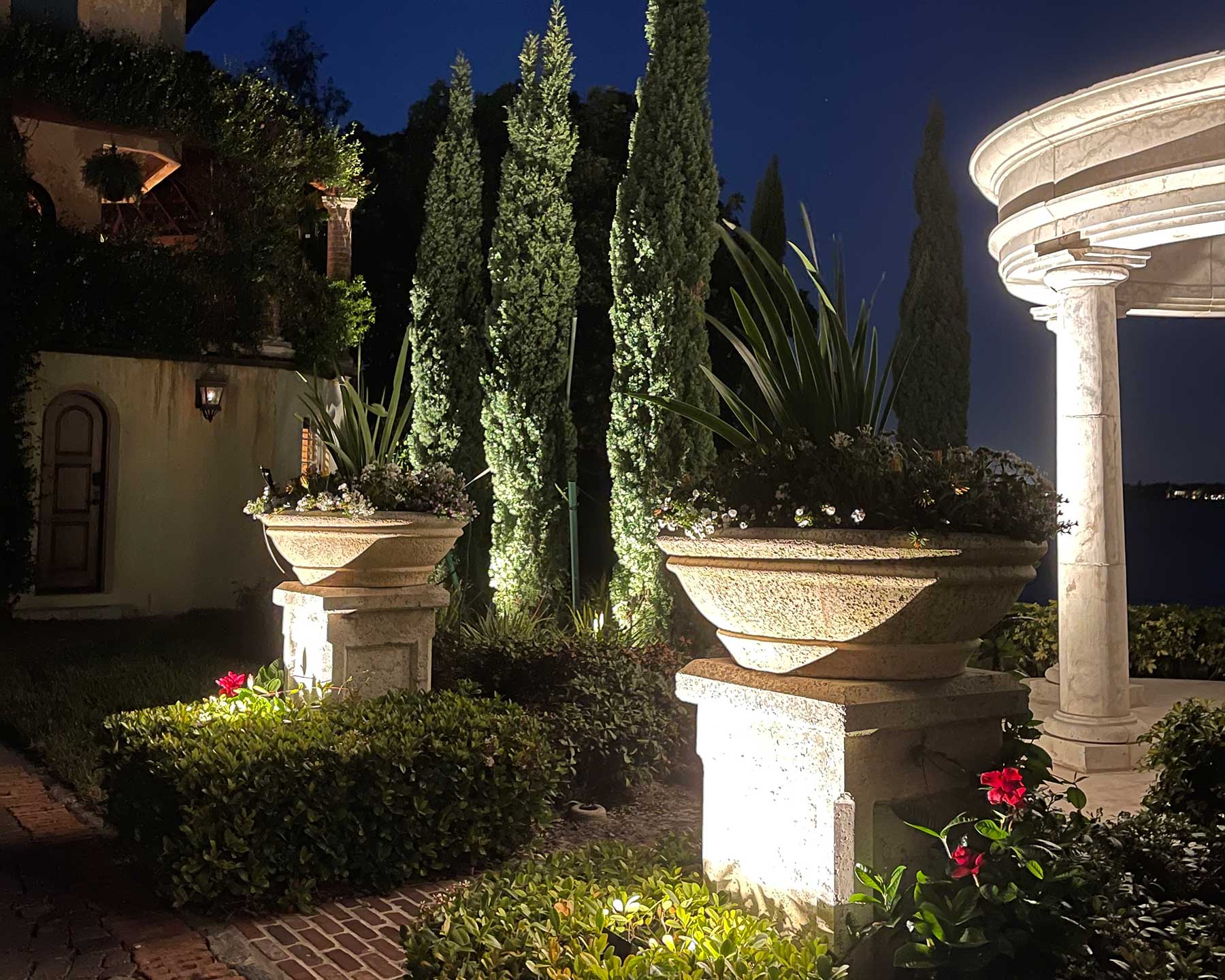
Spotlights focus bright beams on specific areas. Use them to highlight trees, statues, or architectural details. They add drama and depth to your landscape. Adjustable heads allow you to change the direction of light. LED spotlights use less energy and last longer.
Wall Lights
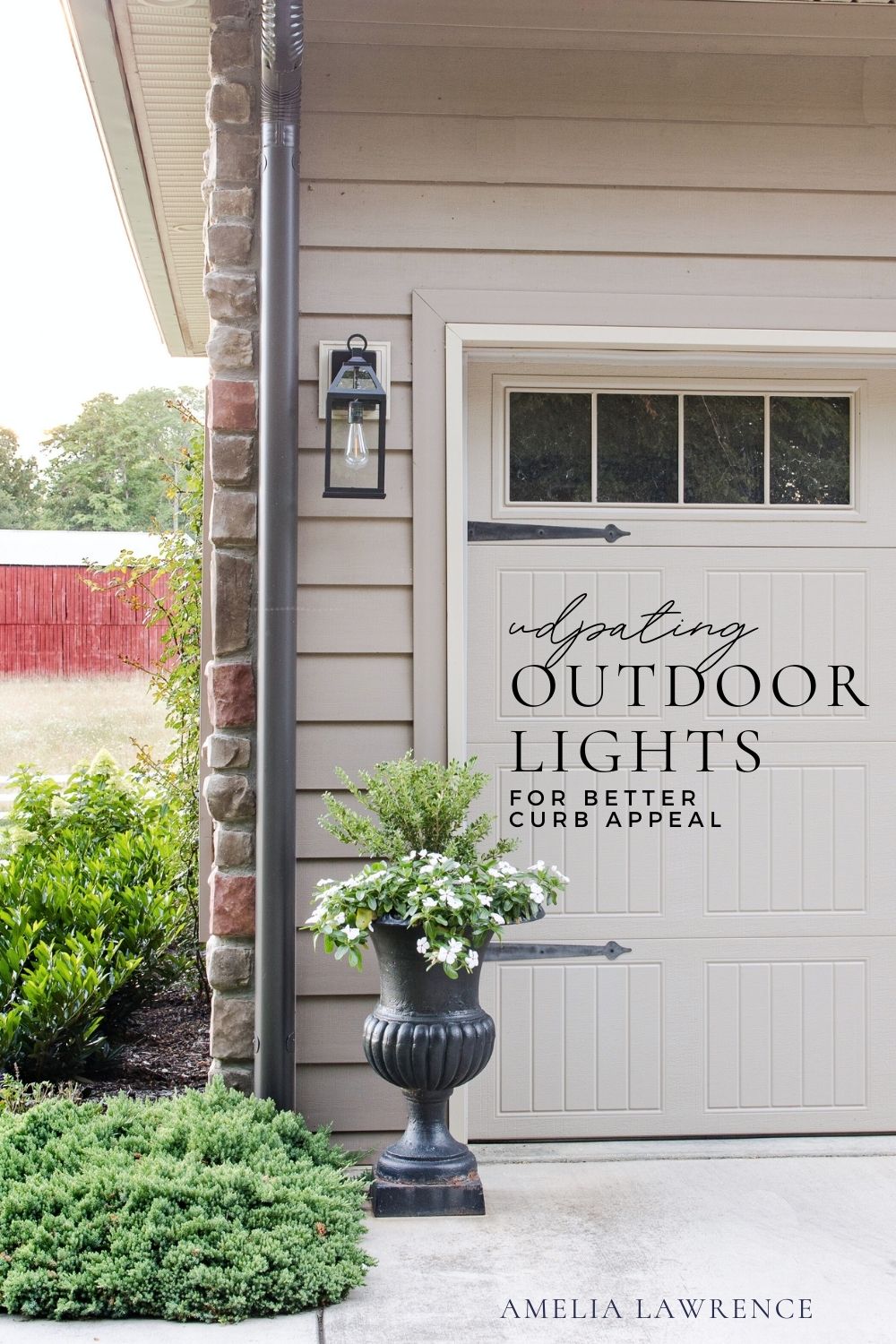
Wall lights attach to exterior walls near doors or windows. They provide both decoration and security. These lights brighten entryways and porches. Choose styles that match your home’s design. Many wall lights have motion sensors for added safety.
String Lights
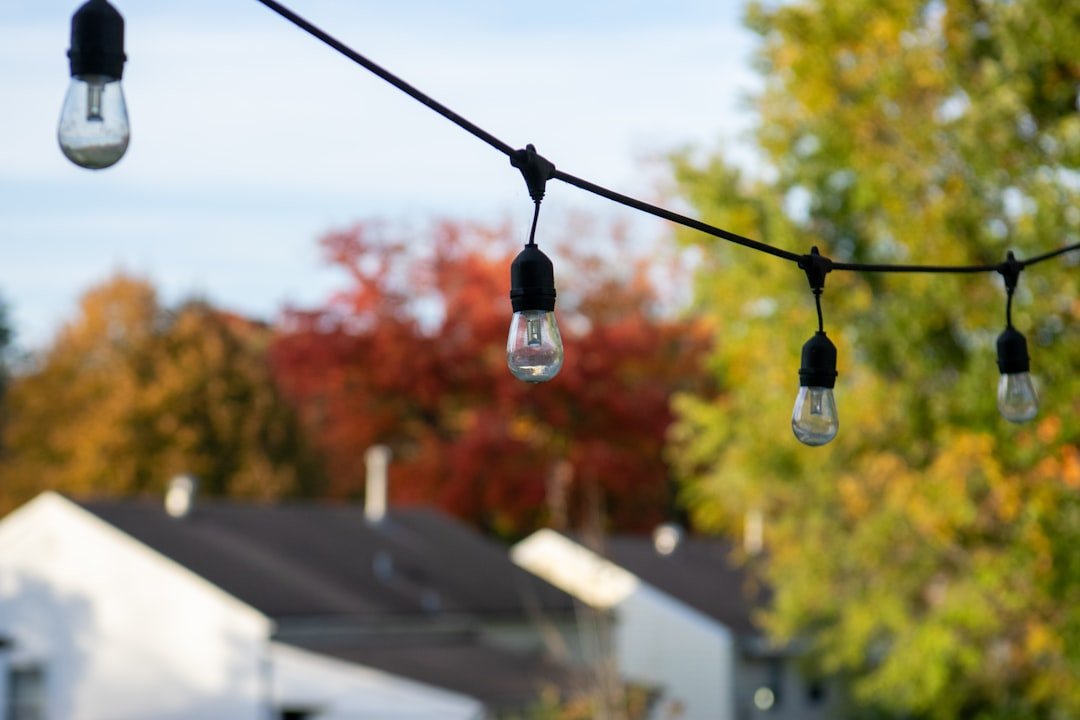
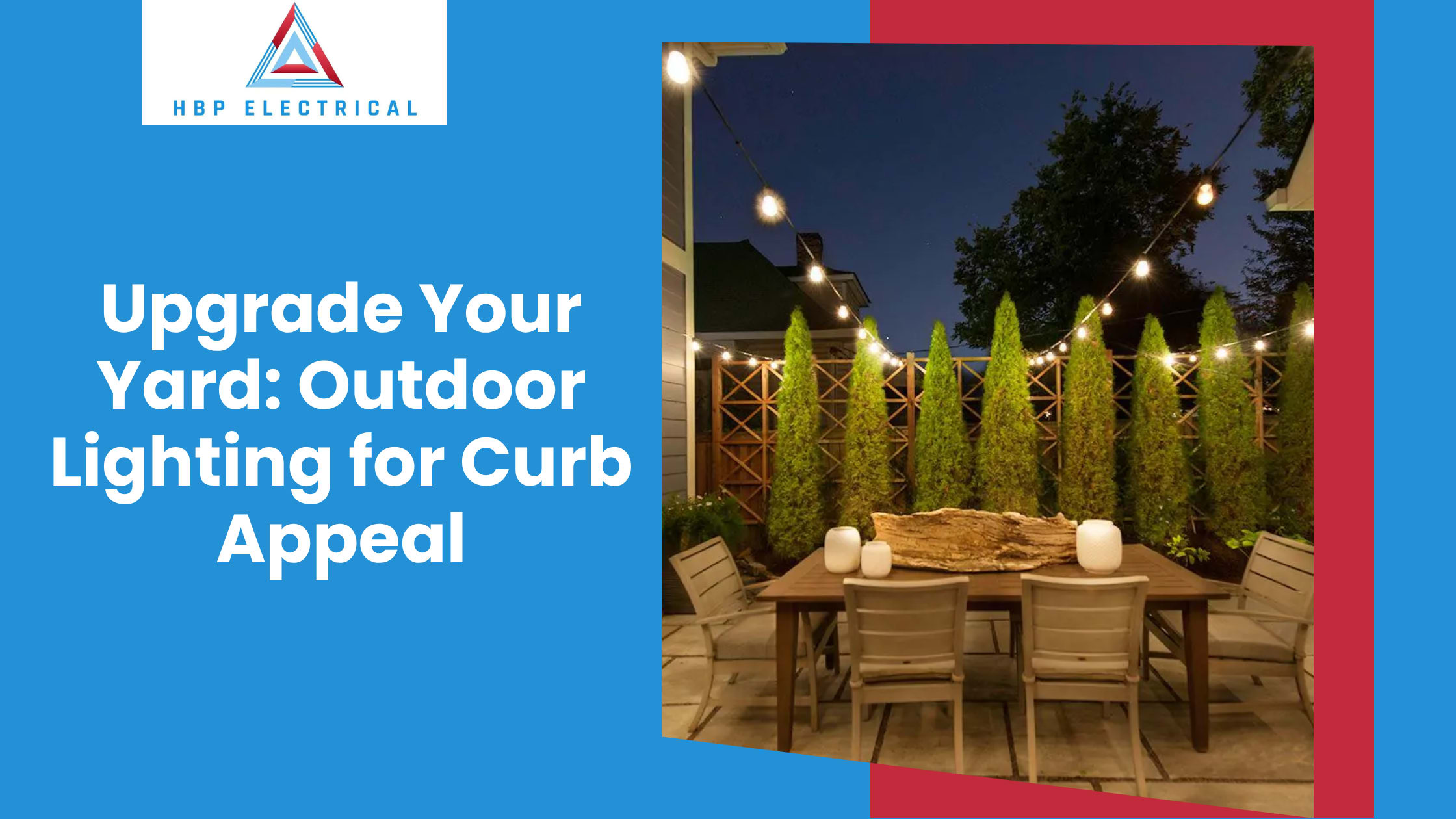
String lights create a cozy and festive atmosphere outdoors. Hang them along patios, decks, or fences. They offer soft, twinkling illumination. Perfect for gatherings or relaxing evenings. LED string lights are energy-efficient and weather-resistant.
Choosing The Right Fixtures
Choosing the right fixtures is key to enhancing your home’s curb appeal with outdoor lighting. The right fixtures not only brighten your space but also complement your home’s style. Consider materials, energy use, and design to find the perfect match for your exterior.
Material Considerations
Outdoor fixtures must resist weather and last long. Look for materials like:
- Aluminum – lightweight and rust-resistant.
- Brass – durable with a classic look.
- Stainless steel – strong and modern.
- Plastic – affordable but less durable.
Choose materials that suit your climate and maintenance preferences.
Energy Efficiency
Energy-efficient fixtures save money and reduce environmental impact. LED lights use less power and last longer than traditional bulbs. Solar-powered fixtures need no wiring and work well in sunny areas. Check for Energy Star ratings to ensure efficiency.
Style And Design
Fixtures should match your home’s architecture and landscape. Popular styles include:
- Modern – clean lines and simple shapes.
- Rustic – natural materials and earthy tones.
- Traditional – classic shapes with ornate details.
Think about the fixture’s size and shape to avoid overpowering your home’s look.
Placement Strategies
Using outdoor lighting effectively depends largely on where you place your fixtures. Strategic placement can transform your home’s exterior, making it more inviting and noticeable after dark. Let’s look at some smart ways to position your lights to boost your curb appeal.
Highlighting Architectural Features
Focus your lights on unique parts of your home’s structure, such as columns, arches, or textured walls. Position spotlights or uplights close to these features to create shadows and depth that draw the eye. This approach adds character and makes your home stand out without overwhelming the overall look.
Think about the angles carefully; lighting straight on can flatten the appearance, while lighting from the side adds drama. Have you noticed how a well-lit doorway invites you in? That’s the power of highlighting architecture with smart lighting placement.
Illuminating Walkways
Safety and aesthetics combine when lighting your walkways. Place low-level lights along paths to guide visitors while preventing trips and falls. You can use stake lights or small bollards spaced evenly for a welcoming glow.
Try alternating light intensity to create rhythm and interest rather than uniform brightness. Imagine guests approaching your home with a softly lit path that feels both secure and stylish—wouldn’t that make a great first impression?
Enhancing Landscape Elements
Outdoor lighting can bring your garden to life after sunset. Position lights to accentuate trees, shrubs, or flower beds. Using soft, warm lights can highlight textures and colors without overpowering the natural beauty.
Don’t forget to experiment with layering different light levels—combine spotlights for focal points and floodlights for broader coverage. What if your garden became a nighttime focal point that complements your home’s lighting? That’s the kind of impact smart placement can achieve.
Installation Tips
Proper installation of outdoor lighting boosts your home’s curb appeal instantly. Thoughtful placement and setup ensure safety and lasting beauty. Follow clear tips to get the best lighting effect without hassle. Pay attention to wiring, fixture choice, and control options. These tips help create a warm, inviting exterior at night.
Safety Precautions
Check local electrical codes before starting any work. Use outdoor-rated fixtures and wiring to prevent damage. Turn off power at the breaker before handling electrical parts. Keep all connections dry and protected from weather. Avoid placing lights where they can trip people or block pathways. Use insulated tools and wear gloves for extra safety.
Using Timers And Sensors
Timers save energy by turning lights on and off automatically. Sensors activate lights only when motion is detected. These controls add convenience and improve security. Choose timers that fit your daily schedule. Select sensors with adjustable range and sensitivity. Combine both for customized lighting that suits your needs perfectly.
Professional Vs. Diy Installation
DIY installation saves money and offers control over placement. It requires basic electrical knowledge and careful planning. Professionals provide expert wiring and code compliance. They handle complex setups and troubleshoot issues quickly. Decide based on your skill level, budget, and project size. Small jobs suit DIY; bigger projects may need a pro.
Maintenance And Upkeep
Keeping your outdoor lighting in top shape is essential to maintain that striking curb appeal. Proper maintenance ensures your lights work efficiently and continue to highlight your home’s best features. Neglecting upkeep can lead to dim or malfunctioning lights that detract from your home’s charm instead of enhancing it.
Cleaning And Care
Dirt, dust, and spider webs can quickly build up on your outdoor fixtures, dimming their glow. Regularly wiping down the lights with a soft cloth and mild detergent helps maintain brightness. Avoid harsh chemicals that can damage the fixture’s finish or the bulbs.
Pay special attention to glass covers and lenses—they often collect grime that blocks light. Cleaning these parts every few weeks keeps the light clear and inviting. Have you noticed how much brighter your walkway looks after a simple cleaning?
Replacing Bulbs
Outdoor bulbs don’t last forever, so check them often and replace any that are burnt out. Using the correct bulb type and wattage is crucial to prevent damage to the fixture and to ensure safety. Keep a few spare bulbs handy to avoid dark spots in your lighting design.
Energy-efficient LED bulbs are a smart choice—they last longer and use less power. Have you considered switching to LEDs to save money and reduce maintenance frequency?
Troubleshooting Common Issues
Sometimes lights flicker, fail to turn on, or stay on all night. These problems often stem from loose connections, sensor issues, or faulty wiring. Inspect the wiring for any visible damage and tighten loose connections to fix minor problems.
If your motion sensor isn’t working properly, adjust its sensitivity or angle. Sometimes, trimming nearby plants that block the sensor’s view can solve the issue. What small adjustments have you made to improve your outdoor lighting’s performance?
Creative Lighting Ideas
Creative lighting ideas can transform your home’s exterior and make a strong first impression. Using outdoor lights thoughtfully adds personality and charm to your curb appeal. You don’t need fancy gadgets—just a bit of creativity and the right placement to highlight your home’s best features.
Seasonal Themes
Seasonal lighting lets you celebrate holidays and special occasions while boosting curb appeal. Think warm amber lights for autumn, twinkling white for winter, or bright pastels for spring. You can easily swap out bulbs or covers to keep your lighting fresh and festive throughout the year.
Try stringing fairy lights around shrubs or wrapping tree trunks to create cozy vibes. Have you noticed how holiday-themed lights invite smiles and stop passersby? This simple change often sparks conversations and neighborhood connections.
Colorful Accents
Adding colored lights can instantly make your home stand out after dark. Use LED bulbs in blues, reds, or greens to highlight architectural details like columns or window frames. Colored uplights can bring out textures in brick or stone that plain white lights might miss.
Don’t be afraid to mix and match hues, but keep balance in mind to avoid overwhelming the senses. Have you tried using subtle glows behind plants or along pathways? These touches create a welcoming, artistic feel without needing too much power.
Interactive Features
Interactive lighting invites guests and neighbors to engage with your space in new ways. Motion sensors can trigger lights as someone approaches, adding both security and a fun surprise. You might also use smart lights controlled by apps to change colors or brightness with a tap.
Imagine your porch lighting shifting from soft white to vibrant colors during a party. This dynamic element turns your home into a lively gathering spot. What if your outdoor lights could respond to your mood or the time of day—how would that change your evenings?
Credit: www.pleasantlightscapes.com
Frequently Asked Questions
What Types Of Outdoor Lighting Enhance Curb Appeal?
Path lights, spotlights, and wall sconces are popular choices. They highlight landscaping, architectural features, and entryways effectively. Combining different lighting types adds depth and charm to your home’s exterior.
How Can Outdoor Lighting Improve Home Security?
Outdoor lighting deters intruders by illuminating dark areas. Motion-sensor lights increase safety by activating only when needed. Well-lit entrances and pathways reduce accident risks and improve visibility.
When Is The Best Time To Install Outdoor Lighting?
Install outdoor lighting during daylight for easier setup and safety. Plan placement according to landscaping and architectural features. Early installation ensures functionality and aesthetic appeal before nightfall.
How Much Outdoor Lighting Is Ideal For Curb Appeal?
Balance is key—too much light can overwhelm, too little underwhelms. Aim to highlight key features without creating glare. Use dimmers or timers to control brightness and energy use.
Conclusion
Outdoor lighting can truly enhance your home’s look. It adds charm and safety around your property. Simple lights highlight pathways and garden features well. Warm lights create a welcoming feel at night. Choose lights that fit your style and needs.
Always think about energy use and maintenance. Small changes make a big difference in curb appeal. Brighten your home’s exterior and enjoy the results. Start with a few lights and see the effect. Your home will stand out with the right lighting.

