
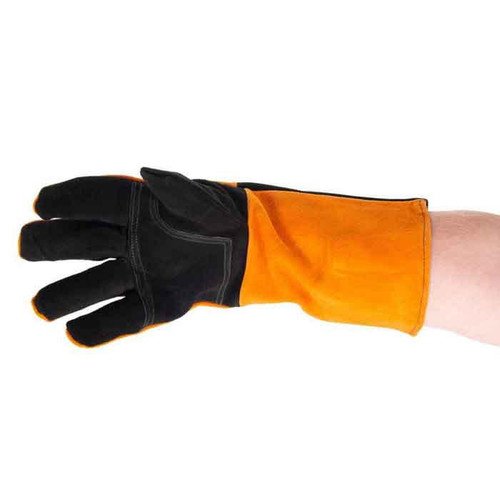
Have you ever worried about burning your hands while handling hot objects? Using heat-resistant gloves is a smart way to protect yourself, but only if you know how to use them correctly.
You’ll discover simple and effective tips to keep your hands safe every time you work with heat. Whether you’re cooking, welding, or doing any task involving heat, these easy steps will help you avoid painful accidents. Keep reading to make sure your gloves do their job—and keep you safe.
Choosing The Right Gloves
Choosing the right heat-resistant gloves is crucial for your safety and comfort. Gloves that don’t fit well or aren’t made from suitable materials can put you at risk of burns or reduce your ability to work efficiently. Understanding the key factors like material types, sizing, and heat resistance ratings will help you select gloves that protect you effectively.
Material Types
Heat-resistant gloves come in different materials, each designed for specific tasks and temperature ranges. Leather gloves offer good durability and moderate heat protection, making them great for handling hot objects briefly.
Silicone gloves excel in heat resistance and flexibility, perfect for kitchen use or light industrial work. Meanwhile, Kevlar gloves provide excellent cut and heat protection, ideal if you need both safety features.
Think about your work environment—are you dealing with open flames, hot liquids, or sharp tools? Matching the glove material to your task improves your safety and comfort.
Glove Sizes And Fit
Gloves that fit poorly can be dangerous. Too tight, and they restrict movement; too loose, and they might catch on equipment or reduce your grip.
Measure your hand circumference around the knuckles and compare it to the sizing chart provided by the manufacturer. Trying on gloves before buying can make a big difference.
How often have you struggled with gloves slipping or feeling stiff? Finding the right fit helps maintain dexterity and reduces hand fatigue during long tasks.
Heat Resistance Ratings
Heat resistance ratings indicate the maximum temperature a glove can safely handle. These ratings often come from standards like ANSI or EN 407.
Check the label for specific temperature limits and the duration the gloves can withstand heat. Gloves rated for 250°C might be perfect for baking, but not for welding.
Ask yourself, how hot will the objects you handle get, and for how long? Choosing gloves with appropriate heat resistance is key to avoiding burns and injuries.

Credit: www.amazon.com
Inspecting Gloves Before Use
Before you put on your heat-resistant gloves, take a moment to inspect them carefully. This quick check can protect you from burns or accidents caused by compromised gloves. Neglecting this step might lead to unexpected injuries that are easily avoidable.
Checking For Damage
Look closely at the surface of your gloves for any holes, cuts, or punctures. Even a tiny tear can let heat or sparks through, putting your hands at risk. Feel the material to ensure it still feels thick and sturdy, not thin or brittle.
Ask yourself: Have these gloves been dropped near sharp objects or exposed to chemicals? Such incidents may weaken their protective ability without obvious signs.
Signs Of Wear And Tear
Check the seams and edges where gloves often start to break down first. Frayed threads or loose stitching reduce the glove’s strength and heat resistance.
Also, notice if the gloves have become stiff or cracked. This can happen after repeated use or exposure to extreme temperatures. If your gloves show any of these signs, it’s time to replace them to stay safe.
Proper Glove Usage
Proper glove usage is essential for maximizing the safety and effectiveness of heat-resistant gloves. Wearing them correctly and avoiding mistakes can prevent burns and other injuries. It also helps maintain hygiene and the longevity of your gloves.
Correct Wearing Techniques
Always inspect your gloves before use. Look for holes, tears, or signs of wear that could reduce protection.
Put on the gloves so they fit snugly but comfortably. Too tight can limit movement, and too loose can cause slips, both increasing risk.
Make sure the gloves cover your wrists completely. This prevents heat from reaching your skin during handling.
Have you noticed how gloves that don’t fit well often lead to accidents? Taking a moment to adjust can save you from burns and dropped items.
Avoiding Cross-contamination
Heat-resistant gloves often come into contact with hot surfaces and raw materials. To avoid cross-contamination, do not touch clean surfaces or food with gloves used for handling hot or dirty items.
Change gloves if you switch tasks, especially from handling hot objects to clean or ready-to-eat items.
Keep a separate set of gloves for non-heat tasks. This simple step keeps your workspace safer and cleaner.
Think about the last time you wore gloves for cooking and then touched your phone or a clean plate without changing them. That’s a common way germs and contaminants spread.
Handling Hot Objects Safely
Heat-resistant gloves protect your hands from burns when handling hot objects. Always check gloves for damage before use and avoid touching sharp edges. Keep gloves dry and clean to maintain safety and grip.
Handling hot objects safely is crucial to prevent accidents in any setting. Heat-resistant gloves provide protection, but understanding their use is essential. They help you manage hot items without risking burns. Below, we explore effective ways to handle hot objects safely.Grip And Dexterity Tips
A firm grip is vital when handling hot objects. Ensure the gloves fit well to maintain control. Choose gloves that offer flexibility and comfort. This helps in gripping objects securely. Look for gloves with textured surfaces. They enhance grip on smooth or slippery items. Practice using the gloves in a safe environment. Familiarity boosts confidence and efficiency.Avoiding Burns And Injuries
Always check gloves for damage before use. Small tears can expose skin to heat. Ensure that gloves cover wrists and arms adequately. This prevents accidental burns from splashes or steam. Remove gloves slowly after handling hot items. Sudden removal can cause skin contact with residual heat. Store gloves properly after use to maintain their integrity. Proper care prolongs their protective function.Glove Maintenance And Storage
Proper maintenance and storage of heat-resistant gloves extend their life and keep them safe. Dirt, sweat, and heat can damage gloves over time. Cleaning and storing gloves correctly prevent wear and keep protection strong. Follow simple steps to care for your gloves daily.
Cleaning Methods
Remove dirt and debris from gloves after each use. Use mild soap and warm water for cleaning. Gently scrub gloves with a soft brush or cloth. Avoid harsh chemicals that can weaken glove material. Rinse thoroughly and air dry gloves away from direct heat. Never put gloves in a washing machine or dryer.
Storage Best Practices
Store gloves in a cool, dry place. Avoid areas with high heat or direct sunlight. Keep gloves away from sharp objects that can cause tears. Lay gloves flat or hang them to maintain shape. Use a clean container or drawer to protect from dust. Check gloves regularly for signs of damage or wear before use.

Credit: www.amazon.com
Recognizing When To Replace Gloves
Heat-resistant gloves protect your hands from burns and injuries. Over time, they wear out and lose their strength. Knowing when to replace gloves keeps your hands safe. Watch for signs that show gloves are no longer effective. Timely replacement avoids accidents and skin damage.
Indicators For Replacement
- Visible tears, holes, or cracks in the gloves
- Discoloration or burn marks on the surface
- Stiffness or loss of flexibility in the material
- Reduced heat resistance during use
- Unusual odors or signs of chemical damage
- Gloves feel thinner or worn in certain spots
Disposal Guidelines
Dispose of gloves properly to avoid hazards. Follow local rules for hazardous waste disposal. Do not throw gloves in regular trash if contaminated. Use sealed bags to contain used gloves. Avoid burning gloves as it releases toxic fumes. Replace gloves with new ones after disposal to stay safe.
Additional Safety Precautions
Using heat-resistant gloves is important for safety. Extra care keeps your hands and body protected. These gloves work best with other safety tools. Being aware of your surroundings helps prevent accidents.
Using Gloves With Other Ppe
Wear heat-resistant gloves with other protective gear. Safety glasses protect your eyes from sparks and heat. Long sleeves and flame-resistant clothing shield your arms and body. Use a face shield for full face protection. Combine these items for better safety during hot tasks.
Awareness Of Environmental Hazards
Check your work area for risks before starting. Look for wet surfaces that can cause slips. Avoid clutter to prevent trips and falls. Keep flammable materials away from hot zones. Ensure good ventilation to avoid heat buildup. Stay alert to changes in your environment while working.

Credit: www.amazon.com
Frequently Asked Questions
What Materials Are Best For Heat-resistant Gloves?
Heat-resistant gloves are made from materials like Kevlar, silicone, and leather. These materials provide excellent heat protection and durability for various tasks.
How Do I Properly Wear Heat-resistant Gloves?
Ensure gloves fit snugly without restricting movement. Check for damage before use. Always wear gloves when handling hot objects or surfaces.
Can Heat-resistant Gloves Protect Against Steam Burns?
Yes, heat-resistant gloves can protect against steam burns. However, choose gloves specifically rated for steam exposure to ensure safety.
How Should I Clean And Maintain These Gloves?
Clean gloves according to manufacturer instructions, usually by wiping or gentle washing. Store them in a dry, cool place to maintain effectiveness.
Conclusion
Using heat-resistant gloves protects your hands from burns and injuries. Always check gloves for damage before each use. Wear them properly to keep heat away from your skin. Avoid touching sharp or wet objects with the gloves. Clean and store gloves in a dry place after use.
Taking these simple steps helps you stay safe while handling hot items. Safety matters most when working with heat. Keep your gloves ready and use them right every time. Your hands will thank you.

