
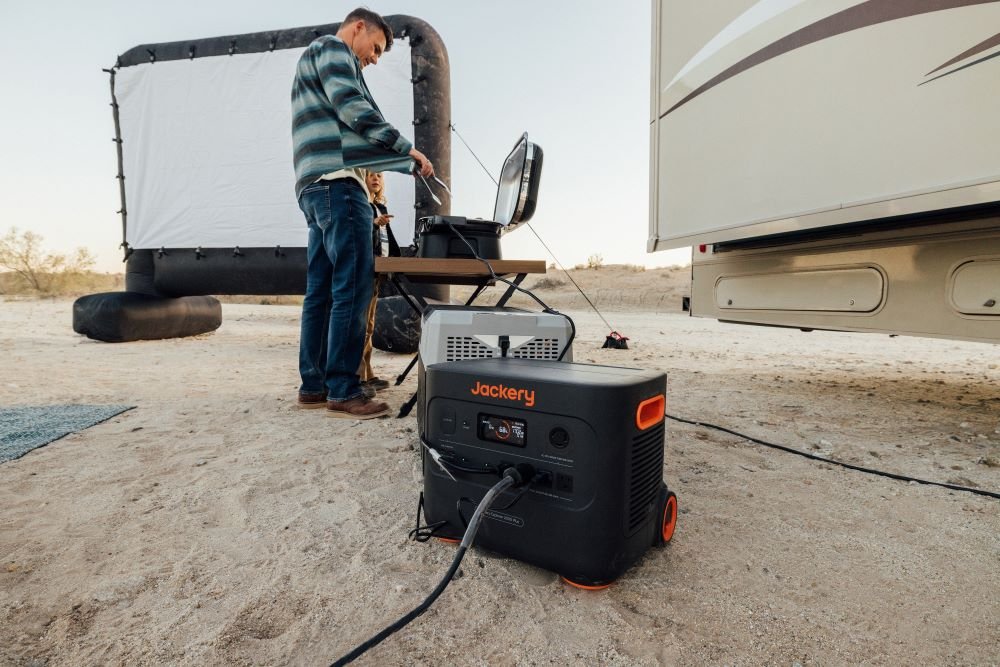
Are you planning to spend time in a remote location where electricity is hard to come by? Knowing how to use a generator in these areas can make all the difference between comfort and struggle.
Imagine having a reliable power source that keeps your devices running, lights on, and essentials working smoothly. You’ll discover simple steps and smart tips to set up and use a generator safely and efficiently, no matter how far off the grid you are.
Keep reading to ensure your next adventure or work trip is powered up without any hassle.
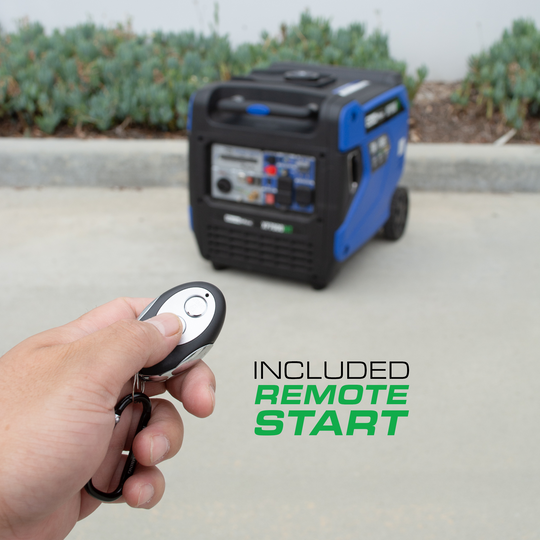
Credit: www.duromaxpower.com
Choosing The Right Generator
Choosing the right generator depends on the type, power, and fuelneeded.
Generators come in several types:
- Portable generators:Easy to move, ideal for small power needs.
- Inverter generators:Quiet and fuel-efficient, good for sensitive devices.
- Standby generators:Fixed installation, suitable for long-term or large power supply.
Power capacity matters. Calculate the total watts of devices you want to run. Add some extra for safety. Choose a generator that meets or exceeds this number.
| Fuel Type | Pros | Cons |
|---|---|---|
| Gasoline | Easy to find, good power output | Short shelf life, flammable |
| Diesel | Longer engine life, more efficient | Noisy, harder to start in cold |
| Propane | Clean burning, long storage life | Less power per volume, needs tank |
| Natural Gas | Unlimited supply if connected, clean | Requires pipeline, not portable |
Preparing For Remote Use
Transporting a generator to remote places needs careful planning. Choose a vehicle that fits the generator size and weight. Secure the generator to prevent movement during travel. Unload it gently to avoid damage. Setup requires a flat, stable surface. Keep the generator away from moisture and dust. Make sure the exhaust faces away from people and buildings.
Site selection is key. Pick a spot with good air flow to avoid overheating. Avoid areas with tall grass or dry leaves to reduce fire risk. The ground should be firm to hold the generator’s weight. Stay clear of water sources to prevent electrical hazards. Check local rules about generator use in the area.
Safety is crucial. Always use the generator outdoors. Keep children and pets far from the unit. Use heavy-duty extension cords rated for outdoor use. Never overload the generator beyond its power rating. Have a fire extinguisher nearby. Turn off the generator before refueling to avoid fires.
Operating The Generator
Before starting, check fuel and oil levels. Place the generator on a flat, dry surface. Turn the choke to the “on” position if the engine is cold. Pull the starter cord firmly until the engine runs smoothly. Move the choke to the “off” position once it starts. Let the generator warm up for a few minutes.
Manage the load by connecting devices one at a time. Avoid turning on all appliances together. This prevents overloading and possible damage. Use power strips with circuit breakers for safety. Balance the load between outlets to maintain steady power.
To reduce noise, place the generator behind a barrier like a fence or wall. Use soundproof blankets designed for generators. Keep the generator on a soft surface like grass or rubber mats to lessen vibrations. Regular maintenance, like cleaning and tightening parts, also lowers noise levels.
Maintaining Fuel And Supplies
Storing fuel safely is very important. Use approved containers to store fuel. Keep them in a cool, dry place. This prevents accidents and keeps fuel fresh. Avoid storing fuel near open flames or heat sources. This reduces fire risks. Inspect containers regularly for leaks or damage. This ensures safety and availability.
Turn off the generator before refueling. This prevents spills and fires. Use a funnel to pour fuel. This reduces spills. Fill the tank slowly and carefully. Avoid overfilling to prevent leaks. Wipe away any spilled fuel immediately. Store fuel away from the generator. This keeps everything safe.
- Extra spark plugs for the generator.
- Oil and air filters for maintenance.
- Basic tools like wrenches and screwdrivers.
- Replacement belts and hoses.
- A small repair kit for emergencies.
Generator Maintenance In Remote Areas
Regular checks keep the generator running smoothly in remote areas. Check the oil level and coolant before use. Inspect fuel lines for leaks or cracks. Tighten any loose bolts or screws to avoid problems.
Troubleshooting common issues helps avoid downtime. If the generator won’t start, check the fuel supply first. Clean or replace the spark plug if needed. Listen for unusual noises that signal mechanical problems.
Cleaning and care extend the generator’s life. Remove dust and dirt from vents to keep airflow clear. Wipe down surfaces to stop rust. Store the generator in a dry place to protect it from weather damage.

Credit: www.angi.com
Maximizing Efficiency
Energy savingis key for using a generator in remote areas. Avoid running the generator at full load all the time. Turn off devices not in use to save fuel and extend generator life.
- Use power wisely:Only plug in necessary equipment to reduce waste.
- Combine with renewable sources:Solar panels or wind turbines can help lower fuel use.
Solar energy can charge batteries during the day. Use these batteries to run devices at night. This reduces the need to run the generator constantly. It also saves money and protects the environment.
Ensuring Safety And Compliance
Carbon monoxide (CO)is a silent, deadly gas from generators. Always run generators outdoors, far from windows or vents. Use carbon monoxide detectorsnear living areas to alert you early. Never use a generator inside tents, cabins, or enclosed spaces.
Fire safetyis crucial. Keep a fire extinguishernearby. Place the generator on a flat, non-flammable surface. Avoid overloading the generator to prevent overheating. Store fuel safely, away from flames or sparks.
| Local Regulations | What to Do |
|---|---|
| Noise Limits | Check local noise rules; use mufflers if needed. |
| Fuel Storage | Follow rules on fuel amounts and storage containers. |
| Emissions | Use generators that meet emissions standards. |
| Permits | Obtain necessary permits for generator use in some areas. |
Credit: pleavinpower.co.uk
Frequently Asked Questions
How Do I Safely Operate A Generator In Remote Locations?
Always place the generator outdoors on a flat surface. Keep it away from doors and windows to prevent carbon monoxide buildup. Follow the manufacturer’s guidelines for fuel handling and maintenance to ensure safe operation.
What Type Of Fuel Is Best For Remote Generators?
Diesel and propane are ideal for remote locations due to fuel stability and availability. Gasoline can be used but has a shorter shelf life. Choose fuel based on availability and storage conditions.
How Can I Maximize Generator Runtime In Remote Areas?
Use fuel-efficient generators and run only essential devices. Carry extra fuel and perform regular maintenance. Turn off unused equipment to conserve power and extend runtime.
What Maintenance Is Required For Generators In Remote Places?
Check oil levels, air filters, and fuel systems regularly. Clean the generator after use to prevent dirt buildup. Store it in a dry, sheltered area to avoid damage.
Conclusion
Using a generator in remote places ensures power when you need it most. Choose the right size and fuel type for your trip. Always follow safety steps to avoid risks or damage. Keep your generator dry and well-ventilated during use.
Regular checks help maintain its good condition. With proper care, your generator will work well and last longer. Stay prepared and enjoy your time off the grid with reliable power.

