

When the power goes out, it can feel like your whole day is thrown off track. You might worry about keeping your lights on, charging your devices, or running essential appliances.
But did you know that using a generator can bring your home back to life quickly and safely? If you’re unsure how to use a generator during a power outage, this guide is made just for you. By the time you finish reading, you’ll know exactly what steps to take to keep your family comfortable and secure until the lights come back on.
Let’s dive in and make sure you’re ready for the next blackout.
Choosing The Right Generator
Generators come in different types. Portable generators are easy to move and good for small needs. Standby generators start automatically during power loss and cover whole homes.
Choosing the right power capacityis key. Calculate the total wattage of devices you want to run. Small generators provide 1,000 to 3,000 watts, while larger ones offer 5,000 watts or more.
Fuel optionsaffect how long and how often you can use the generator. Gasoline is common but needs careful storage. Propane burns cleaner and lasts longer in storage. Diesel is strong for heavy use but can be noisy.

Credit: www.youtube.com
Safe Placement Of Generators
Generatorsmust be placed in well-ventilated areas to avoid carbon monoxide poisoning. Never run a generator inside homes, garages, or near windows.
Use a weatherproof coverto protect the generator from rain and snow. Make sure the cover does not block air flow or vents.
| Placement Advice | Details |
|---|---|
| Distance from Home | Keep at least 20 feet away from doors and windows |
| Distance from Structures | Avoid placing near garages, sheds, or any enclosed area |
| Ventilation | Always keep in open air to prevent gas build-up |
Proper Generator Setup
First, plug the generator into a heavy-duty extension cord. This helps connect it to appliances. Use outdoor-rated cords. These cords handle high power. Check the wattage of each appliance. Make sure it’s not too high. Plug in one appliance at a time. This prevents overload. Safety first is always important. Turn off appliances before plugging them in.
Choose the right extension cord length. Shorter cords work better. Thick cords carry more power. Keep cords away from water. Wet cords can shock you. Roll up extra cord. This avoids tripping accidents. Check for damage before use. Broken cords can be dangerous.
Grounding prevents electric shocks. Use a grounding rod. Hammer it into the ground. Connect the rod to the generator. This keeps everyone safe. Grounding is very important. Follow the instructions in the manual. This ensures proper setup.

Credit: www.duthiepower.com
Operating The Generator Safely
Start the generatorin a well-ventilated area outside your home. Keep it away from windows and doors to avoid carbon monoxide buildup. Check the oil and fuel levels before turning it on. Use the choke if the engine is cold.
To stop the generator, disconnect all devices first. Let the generator run without load for a few minutes. Then, turn off the engine and close the fuel valve to prevent leaks.
Store fuelin approved containers only. Keep fuel in a cool, dry place away from children and pets. Avoid storing fuel near heat sources or open flames.
Refuel the generator only when it is off and cool. Wipe up any spilled fuel immediately to reduce fire risk.
| Load Capacity | Tips |
|---|---|
| Know your generator’s wattage | Check the manual or label on the unit. |
| Do not overload | Plug in only essential devices to avoid tripping. |
| Use heavy-duty cords | Ensure cords are rated for the power load. |
| Monitor fuel level | Refuel before it runs empty to avoid damage. |
Maintenance During Use
Check the oil levelbefore running the generator. Use the dipstick to see if oil is enough. Add oil if the level is low. Fuel is also important. Make sure the fuel tank is filled with fresh fuel.
Look closely for any signs of damageon the generator. Check for cracks, loose parts, or leaks. Fix small problems before they get bigger. This keeps the generator safe to use.
Keep the generator cleanto help it work well. Wipe off dust and dirt regularly. Remove leaves or debris near the engine. Clean tools help your generator last longer.
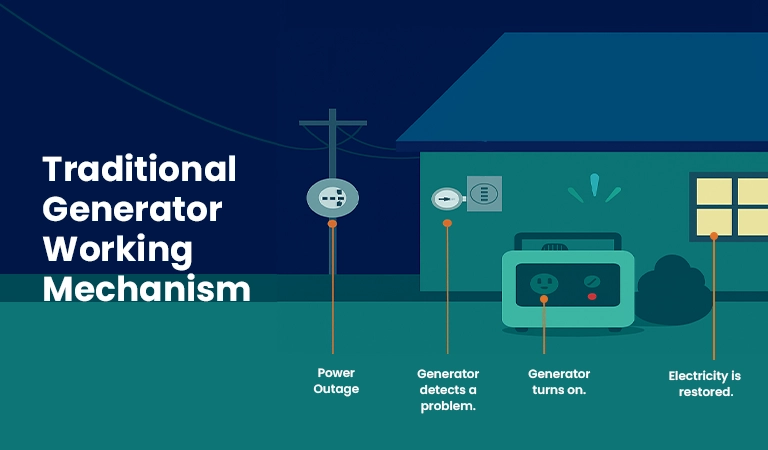
Credit: solarsme.com
Emergency Preparedness Tips
Backup fuelis essential for keeping your generator running during an outage. Store fuel in approved containers and keep them in a cool, dry place. Always have enough fuel to last several hours or days. Check fuel expiration dates and replace old fuel regularly to avoid problems. Never store fuel inside your home or near open flames.
Creating a power outage plan helps keep everyone safe and prepared. List important contacts like emergency services and neighbors. Decide who will manage the generator and where it will be placed. Plan for food, water, and medical needs. Practice your plan with family or housemates so everyone knows what to do.
Communication is key during power outages. Use battery-powered radios or charged cell phones to get updates. Share your status with family and friends to reduce worry. Keep phone numbers written down in case devices run out of power. Stay calm and patient while waiting for power to return.
Frequently Asked Questions
How Do I Safely Start A Generator During Outage?
Place the generator outdoors, away from windows. Connect appliances after starting. Use proper grounding. Avoid backfeeding to prevent hazards.
What Fuel Type Is Best For Home Generators?
Gasoline is common and easy to find. Propane lasts longer and stores better. Choose based on availability and generator specs.
Can I Run My Generator Indoors During Outage?
Never run a generator indoors. It produces deadly carbon monoxide gas. Always operate it outside in a well-ventilated area.
How Do I Connect Appliances To A Generator?
Use heavy-duty extension cords rated for outdoor use. Plug appliances directly into the generator’s outlets. Avoid overloading the generator’s capacity.
Conclusion
Using a generator safely keeps your home powered during outages. Always follow instructions for setup and operation. Keep fuel stored in a safe place away from the generator. Never run the generator indoors or near open windows. Regular checks ensure the generator works when needed most.
With care, you can stay comfortable and secure during blackouts. A little preparation goes a long way in emergencies. Stay safe and keep your power running smoothly.

