

Are you ready to power up your RV safely and efficiently? Using an extension cord for your RV might seem simple, but doing it the right way can make all the difference.
Imagine avoiding costly damage, electrical hazards, and frustrating power outages just by following a few smart steps. You’ll discover exactly how to choose, use, and maintain an extension cord that keeps your RV running smoothly. Stick with me, and you’ll gain the confidence to handle your RV’s power needs like a pro.
Let’s get started!
Choosing The Right Extension Cord
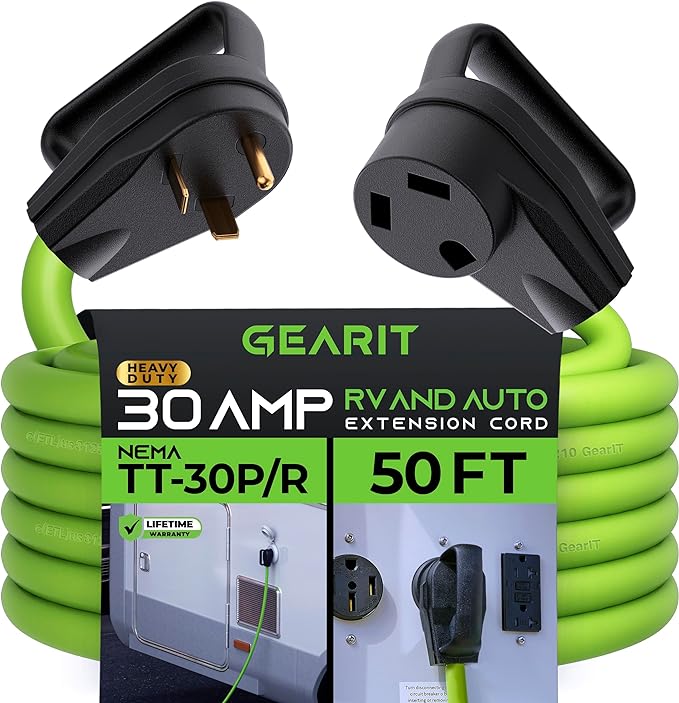
Choosing the right extension cord for your RV is very important. The gaugeof the wire affects how much power can safely travel through it. A lower gauge numbermeans a thicker wire that carries more current.
Length matters too. Longer cords need thicker wire to avoid power loss or overheating. Use the shortest cord possible that fits your needs.
Outdoor and RV-specific cords have special insulationto protect against weather and rough use. These cords are safer and last longer outside.
| Gauge | Max Amps | Recommended Use |
|---|---|---|
| 12 | 20 | Up to 50 feet, heavy appliances |
| 14 | 15 | Up to 50 feet, light appliances |
| 10 | 30 | Longer runs, high power devices |
Check the ampacityof your RV power system. Match the extension cord to your RV’s power needs. Using the wrong cord can cause damage or fire risk.
Preparing Your Rv And Cord
Check the extension cordfor any cuts, cracks, or damage. A damaged cord can cause electrical shortsor fires. Make sure the plug and outlet ends are clean and dry.
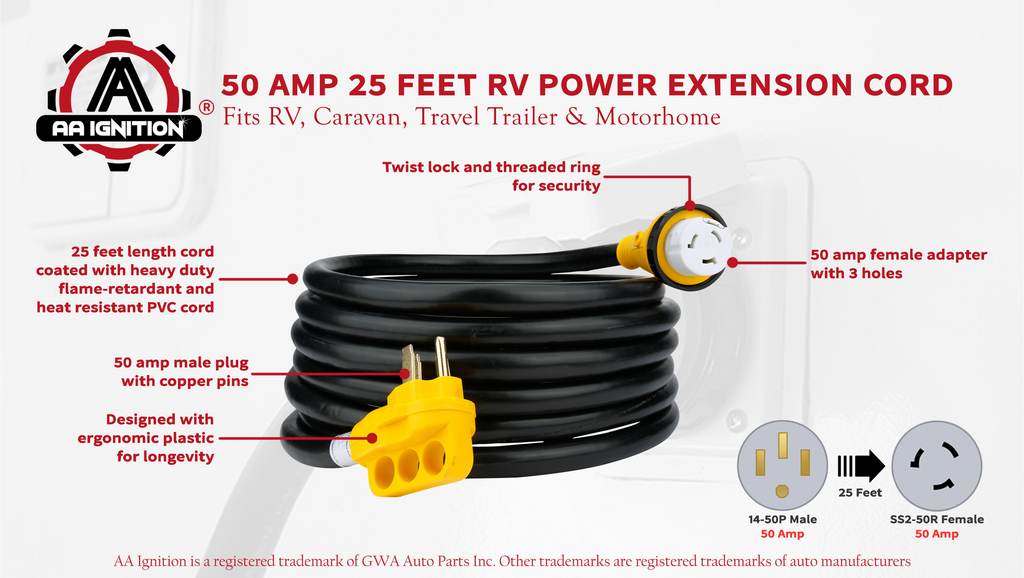
Look at the RV power inlet. It must be free of dirt and corrosion. The inlet should fit snugly with the extension cord plug to avoid loose connections.
Ensure the RV and the extension cord have a proper ground connection. This prevents electric shocks and keeps you safe. Use a cord that has a three-prong plugfor grounding.
- Use a cord rated for outdoor use and at least 30 amps.
- Inspect the cord before each trip to catch problems early.
- Do not use extension cords that are too short or thin for your RV.
Connecting The Extension Cord Safely
Ensure the extension cord is rated for outdoor use and matches your RV’s power needs. Keep connections dry and avoid overloading the cord to prevent hazards. Always plug the cord firmly and check for damage before use.
Proper Plug Insertion
Always check the plug size before connecting. Make sure it fits snugly. This prevents any loose connections. Loose connections can cause sparks. Inspect the plug for any damage. A damaged plug is dangerous. Insert the plug straight into the outlet. Twisting can harm the prongs.
Avoiding Overloading
Check the power rating of your extension cord. Ensure it matches your RV’s needs. Overloading can cause fires. Limit the number of devices plugged in. Many devices together need more power. Use only what you need. This keeps the cord safe.
Securing Connections From Moisture
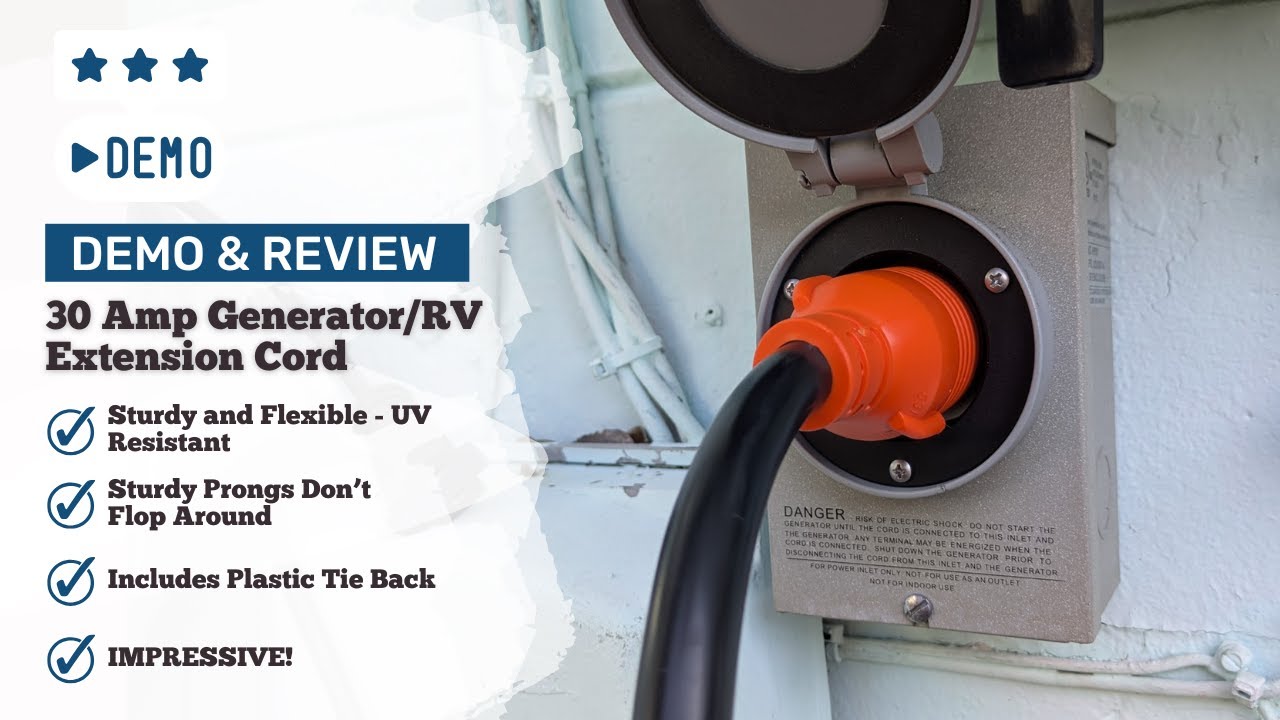
Moisture can cause electrical shocks. Use covers to protect the connection. Plastic covers work well. Keep cords off the ground in wet areas. Elevate them if possible. This keeps them dry. Always check the weather forecast. Avoid using cords in rain.
Credit: www.happycampers.store
Placement And Handling Tips
Place extension cordswhere people will not walk over them. This helps avoid tripping hazardsand keeps everyone safe. Use tape or cord covers to secure cords on the floor. Keep cords away from doorways and walkways. Bright colored cords are easier to see and avoid.
Protect the cordfrom damage by keeping it off sharp edges and rough surfaces. Avoid pinching the cord in doors or windows. Do not bend the cord too sharply as it can break wires inside. Use cords designed for outdoor use to resist weather and wear.
After use, coil the cord looselyto prevent kinks and damage. Store cords in a dry place, away from direct sunlight. Hang cords on hooks or place them in storage bags to keep them neat and ready for next use.
Troubleshooting Common Issues
Voltage dropcan cause your RV devices to work poorly. It happens when the cord is too long or thin. Use a thicker cordor keep it shorter to avoid this.
Check cords for cuts, burns, or loose plugs. These signs mean the cord is faultyand unsafe. Replace any damaged cord quickly to keep power steady.
Power interruptions might happen due to bad connections or overloading. Make sure the cord fits snuglyin both the RV and power source. Avoid using too many devices at once to prevent overload.
Credit: www.gwaautoparts.com
Additional Safety Precautions
Surge protectorshelp guard your RV’s electrical system. They stop damage from power spikes. Always plug your extension cord into a surge protector first. This adds an extra layer of safety.
Perform regular maintenance checkson your extension cords. Look for cuts, cracks, or frayed wires. Replace cords that show wear. Keep connections dry and clean to avoid shorts.
- Avoid DIY modificationson extension cords.
- Never cut or splice cords yourself.
- Use only cords designed for RV use.
- Improper changes can cause fires or shocks.
Credit: www.youtube.com
Frequently Asked Questions
What Type Of Extension Cord Is Best For Rv Use?
Use a heavy-duty, outdoor-rated extension cord with at least 12-gauge wire. It ensures safety and handles high power loads properly.
How Long Can An Rv Extension Cord Safely Be?
Keep extension cords under 50 feet to prevent voltage drop. Longer cords may cause electrical issues or damage your RV appliances.
Can I Use A Regular Extension Cord For My Rv?
No, regular cords aren’t built for high power. Use RV-specific cords to handle the voltage and avoid fire hazards.
How Do I Properly Connect An Extension Cord To An Rv?
Plug the cord firmly into a 30- or 50-amp RV outlet. Avoid loose connections and keep plugs dry to ensure safe power flow.
Conclusion
Using an extension cord for your RV can make camping easier and safer. Choose the right cord with the correct length and power rating. Always check for damage before plugging in. Keep connections dry and secure to avoid accidents. Store cords properly when not in use.
Following these simple steps helps protect your RV and devices. Enjoy your trips with confidence and peace of mind. Small actions make a big difference on the road. Stay safe and have fun!

