
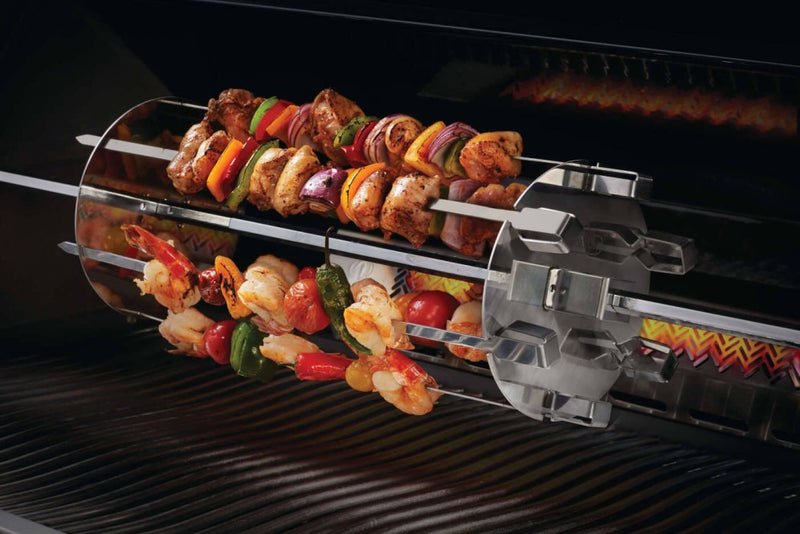
Are you ready to take your grilling game up a notch with a BBQ skewer set? Using these handy tools can make your meals more delicious and fun, but only if you handle them safely.
Imagine enjoying perfectly cooked kebabs without any accidents or burns. You’ll discover simple, practical tips to use your BBQ skewer set safely every time you fire up the grill. Keep reading—you’ll learn how to protect yourself and your guests while creating tasty treats that everyone will love.
Choosing The Right Skewers
Choosing the right skewers is a crucial step to ensure your BBQ experience is safe and enjoyable. The type of skewer affects how your food cooks, how easy it is to handle, and even how safe it is to use around open flames. Paying attention to materials, size, and design will help you pick the best skewers for your grilling needs.
Metal Vs Wooden Skewers
Metal skewers are reusable and sturdy, making them ideal for frequent grilling sessions. They conduct heat, which helps cook the inside of your food evenly, but be careful—they can get very hot to the touch.
Wooden skewers are disposable and often cheaper, but they need soaking in water before use to prevent burning. They are great for quick grilling and add a rustic touch to your BBQ presentation. Which type fits your cooking style better—durable metal or convenient wood?
Length And Thickness Matters
Longer skewers give you more space to thread food, which is perfect for bigger gatherings or larger cuts of meat. However, they need to fit in your grill without sticking out dangerously.
Thickness impacts durability and heat conduction. Thicker skewers hold heavier food without bending, while thinner ones heat up faster but can warp. Think about what types of ingredients you usually grill and choose accordingly.
Skewers With Handles
Handles make skewers easier and safer to turn, reducing the risk of burns or dropped food. Look for handles made from heat-resistant materials like silicone or wood for a secure grip.
Some handles even have features like hooks for hanging or color-coding to keep track of different foods. How would a handle improve your grilling routine and safety?
Preparing Skewers For Use
Preparing skewers for use is an important step for safe and tasty grilling. Proper preparation helps prevent burning and ensures food cooks evenly. This section explains how to get wooden and metal skewers ready for your barbecue.
Soaking Wooden Skewers
Soak wooden skewers in water for at least 30 minutes before grilling. This prevents them from catching fire on the grill. Use a deep container to keep them fully submerged. For extra flavor, soak skewers in juice or marinade instead of water.
Cleaning Metal Skewers
Wash metal skewers with warm, soapy water before use. This removes dust and any leftover residue. Rinse well and dry completely to avoid rust. Check for sharp points and smooth any rough edges with a cloth or sandpaper.
Preheating Skewers
Preheat metal skewers on the grill before adding food. This helps them cook food evenly and prevents sticking. For wooden skewers, avoid direct flames after soaking, as they can still burn. Use indirect heat or a lower grill temperature for safety.
Safe Food Handling Practices
Handling food safely while using a BBQ skewer set is crucial to avoid foodborne illnesses. Proper food handling stops harmful bacteria from spreading. This practice keeps your meal tasty and safe for everyone.
Marinating Tips
Marinate food in the refrigerator, never at room temperature. Use a clean container or resealable bag for marinating. Discard leftover marinade that touched raw meat. If you want to use marinade for basting, boil it first to kill bacteria.
Avoiding Cross-contamination
Always wash hands before and after handling raw food. Clean all surfaces, utensils, and cutting boards with hot, soapy water. Use separate plates for raw and cooked foods. Keep raw meat away from vegetables and cooked items to prevent germs from spreading.
Using Separate Skewers For Different Foods
Use different skewers for meat, seafood, and vegetables. This prevents flavors from mixing and reduces the risk of bacteria transfer. Label or color-code skewers to keep track easily. Always clean skewers thoroughly before reuse to maintain hygiene.

Credit: www.youtube.com
Proper Skewering Techniques
Hold the skewer firmly and thread food evenly to cook thoroughly. Keep sharp ends away from hands to avoid injury. Use heat-resistant gloves when handling hot skewers for extra safety.
Proper skewering techniques can make a significant difference in your grilling experience. Mastering these skills not only enhances flavors but also ensures safe and efficient cooking. Let’s dive into some essential tips to elevate your BBQ skills.Even Food Distribution
Ensuring even food distribution on your skewers is crucial for consistent cooking. Aim to cut your ingredients to a similar size. This way, everything cooks at the same rate, preventing some pieces from overcooking while others remain underdone. Think about the last time you tried grilling with uneven pieces. Did you end up with charred edges and raw centers? Keeping your food uniform helps maintain the ideal balance of tenderness and flavor.Avoid Overcrowding
It’s tempting to load your skewers to the brim, but overcrowding can lead to uneven cooking. Leave a small gap between each piece. This allows heat to circulate efficiently, ensuring each morsel is cooked to perfection. Imagine hosting a BBQ party where every skewer is cooked just right. Your guests will appreciate the thoughtful preparation that turns an ordinary BBQ into a memorable feast.Alternating Meat And Vegetables
Alternating meat and vegetables not only adds visual appeal but also balances flavors. The juices from the meat can enhance the vegetables, creating a symphony of taste. Plus, it provides variety in each bite. Consider the satisfaction of biting into a skewer with a mix of flavors and textures. It’s an easy way to impress your friends and family with minimal effort. Have you tried this technique before, or is it time to give it a shot?Grilling With Skewers Safely
Grilling with skewers can transform simple ingredients into a delicious feast. However, handling BBQ skewers requires attention to safety to prevent burns and accidents. Knowing how to control the grill, protect yourself, and turn skewers carefully will keep your cooking experience fun and injury-free.
Controlling Grill Temperature
Keeping your grill at the right temperature is key to cooking evenly and avoiding flare-ups. Use a grill thermometer to monitor the heat, aiming for medium to medium-high flames rather than full blast. If the fire gets too hot, flare-ups can cause sudden bursts of flame that may burn the food or your hands.
Try setting up zones on your grill: one side hotter for searing, the other cooler for slower cooking. This allows you to move skewers around as needed. Have you noticed how uneven heat can leave some pieces raw while others burn? Controlling temperature helps you avoid that problem.
Using Heat-resistant Gloves
Protect your hands with heat-resistant gloves made for grilling. Regular oven mitts often don’t offer enough protection from the intense heat of a grill. Gloves designed for BBQ provide better grip and keep your skin safe from burns.
Wearing gloves also gives you confidence to handle hot skewers without hesitation. It’s a small step that makes a big difference in safety and ease. Have you ever had to drop a skewer quickly because it was too hot to hold? Gloves stop that from happening.
Turning Skewers Carefully
Turning skewers is more than just flipping food—it’s about safety and even cooking. Use long-handled tongs or a spatula to avoid reaching over hot flames. Avoid using your bare hands or short tools that bring you too close to the heat.
Turn skewers gently and one at a time to prevent food from falling off or skewers slipping. Notice how quick, rough movements can cause accidents? Slow, deliberate turns keep everything under control and your fingers safe.

Credit: www.amazon.com
Post-grilling Skewer Care
Proper care of your BBQ skewer set after grilling helps keep them safe and ready for the next use. Clean and store the skewers carefully. Check for any damage to avoid accidents. Good post-grilling care extends the life of your skewers and keeps your cooking safe.
Cooling Down Skewers
Allow skewers to cool on a heat-safe surface. Do not touch them with bare hands. Wait until they reach room temperature before handling. Cooling prevents burns and damage to your hands. Avoid placing hot skewers on plastic or flammable surfaces.
Cleaning And Storage
Wash skewers with warm water and mild soap. Use a brush to remove stuck food bits. Rinse well to avoid soap residue. Dry completely with a clean towel to stop rust. Store skewers in a dry place, like a container or drawer. Keep them separate from other kitchen tools.
Inspecting For Damage
Check skewers for bends, cracks, or rust spots. Bent skewers can cause uneven cooking or injury. Rust weakens metal and affects food safety. Replace any damaged skewers immediately. Regular inspection keeps your grilling safe and enjoyable.

Credit: www.parkaveappliance.com
Frequently Asked Questions
How Do I Prevent Burns Using A Bbq Skewer Set?
Always handle skewers with heat-resistant gloves. Avoid touching metal tips when hot. Use tongs to turn skewers safely on the grill.
What Materials Are Safest For Bbq Skewers?
Stainless steel skewers are durable and heat-resistant. Bamboo skewers must be soaked in water before use to prevent burning.
How To Clean Bbq Skewers Properly?
Clean skewers immediately after use with warm soapy water. Scrub off food residue to avoid rust and bacteria buildup.
Can I Reuse Bamboo Bbq Skewers Safely?
It’s not recommended to reuse bamboo skewers. They weaken and may harbor bacteria after one use.
Conclusion
Using a BBQ skewer set safely keeps your cooking fun and injury-free. Always handle skewers with care and avoid touching hot parts. Keep sharp ends away from children and pets. Clean the skewers well after use to prevent germs. Store them in a safe place to avoid accidents.
Following these simple steps helps you enjoy tasty grilled meals safely. Safety first, delicious food next. Simple, right?

