
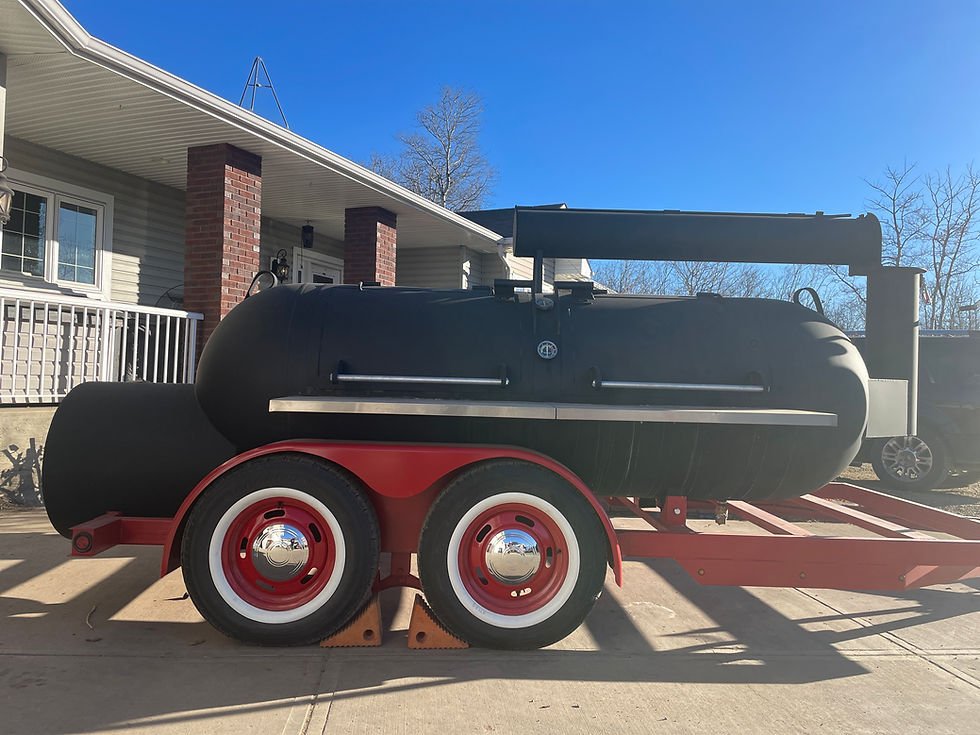
Transporting your smoker can feel tricky. You want to protect your investment and avoid any damage along the way.
But how do you make sure your smoker stays safe during the move? Whether you’re heading to a friend’s house, a camping trip, or just storing it for the season, the right steps can save you time, money, and frustration.
Keep reading to discover simple, effective tips that will help you transport your smoker safely every time. Your next cookout depends on it!

Credit: www.lewisbbqmfg.ca
Preparing Your Smoker
Preparing your smoker before transport is crucial to avoid damage and ensure safety on the road. Taking a few moments to get it ready can save you from costly repairs and frustrating delays. Let’s look at some key steps that help you protect your smoker during the move.
Clean And Cool Down
Never transport your smoker while it’s hot. Allow it to cool completely to prevent burns and heat damage to surrounding items. Cleaning the smoker before transport also removes grease and ash that can spill or cause unpleasant odors.
Use a brush to scrape off residue, and wipe the interior and exterior with a damp cloth. This simple step makes handling easier and reduces the risk of fire hazards during transit.
Remove Loose Parts
Take off any removable parts like grates, trays, and water pans. These pieces can shift or break if left inside during transport. Packing them separately ensures they don’t get damaged or cause damage.
- Wrap delicate parts in bubble wrap or towels
- Label each part to make reassembly quick
- Store small components in a sealed container
This extra care keeps everything organized and intact, so you won’t waste time searching for missing pieces later.
Check For Damage
Inspect your smoker closely before loading it into your vehicle. Look for cracks, rust spots, or loose screws that could worsen during transport. Addressing these issues now prevents bigger problems down the line.
Ask yourself: Is the smoker sturdy enough to handle the bumps on the road? Tighten loose parts and patch any minor damage to avoid surprises when you set it up again.

Credit: www.lewisbbqmfg.ca
Packing Materials Needed
Transporting your smoker requires more than just loading it into your vehicle. The right packing materials protect your smoker from scratches, dents, and shifting during transit. Choosing proper materials ensures your smoker arrives safe and ready to use, saving you time and frustration.
Protective Covers
A durable protective cover is your smoker’s first line of defense. Use a waterproof cover to shield against rain or dust, especially if your trip includes unpredictable weather. Soft, fitted covers prevent surface scratches and keep dirt from settling into crevices.
Consider investing in a cover made from heavy-duty fabric or vinyl for maximum protection. If you already have a cover, check for tears or weak spots before packing. Would you want to risk your smoker exposed to the elements during transport?
Padding And Cushioning
Padding is essential to absorb shocks and vibrations on the road. Use foam sheets, bubble wrap, or old blankets to wrap around the smoker’s body and delicate parts like handles or hinges. This cushioning reduces the risk of dents and mechanical damage.
Stacking blankets or foam around the smoker inside your vehicle can prevent unwanted movement. Think about how fragile your smoker’s components are and add extra padding where needed. Have you ever experienced a bump that could have been softened with just a little extra cushioning?
Straps And Ties
Straps and ties keep your smoker firmly in place, preventing it from sliding or tipping over. Ratchet straps or heavy-duty bungee cords work best to secure the smoker to the bed of a truck or inside a trailer. Make sure the straps are tight but not overly stretched to avoid damaging the smoker’s frame.
Attach straps to solid anchor points on your vehicle and the smoker. Double-check the tension during stops to maintain security. Ask yourself—are you confident your smoker won’t shift even on rough roads?
Disassembling The Smoker
Remove all removable parts of the smoker carefully to avoid damage during transport. Keep smaller pieces in a secure box to prevent loss and scratches. Wrap fragile parts with soft cloth or bubble wrap for extra protection.
Disassembling your smoker is a crucial step in ensuring it arrives at its destination in perfect condition. Taking apart your smoker might seem daunting, but breaking it down into manageable tasks makes it easier and safer. Plus, it helps prevent damage to both the smoker and your vehicle during transport.Detaching Accessories
Start by removing all accessories attached to your smoker. This includes items like side tables, tool hooks, or any other detachable parts. Carefully set them aside, ensuring you don’t lose any screws or fasteners. Consider using a small container to keep all the hardware together. This way, you won’t be scrambling to find that one missing bolt when it’s time to reassemble. Have you ever misplaced a crucial piece? Keeping a checklist can help ensure everything is accounted for.Handling The Grates And Racks
Grates and racks can be heavy and awkward to handle. Remove them carefully to avoid any injury or damage. Clean them before packing; this makes reassembly easier and reduces the risk of rust. Wrap each piece in bubble wrap or old towels for extra protection. Stack them neatly to save space, but ensure they’re not too heavy to carry. How many times have you struggled with awkward loads? Proper wrapping can make all the difference.Storing Small Components
Smokers come with various small components like knobs, handles, and thermometers. Detach these and store them in labeled bags or boxes. This keeps everything organized and makes reassembly a breeze. Do you often find yourself searching for small parts at the last minute? Labeling bags with a marker can prevent this common frustration. Ensuring everything has a place makes the whole process smoother and stress-free.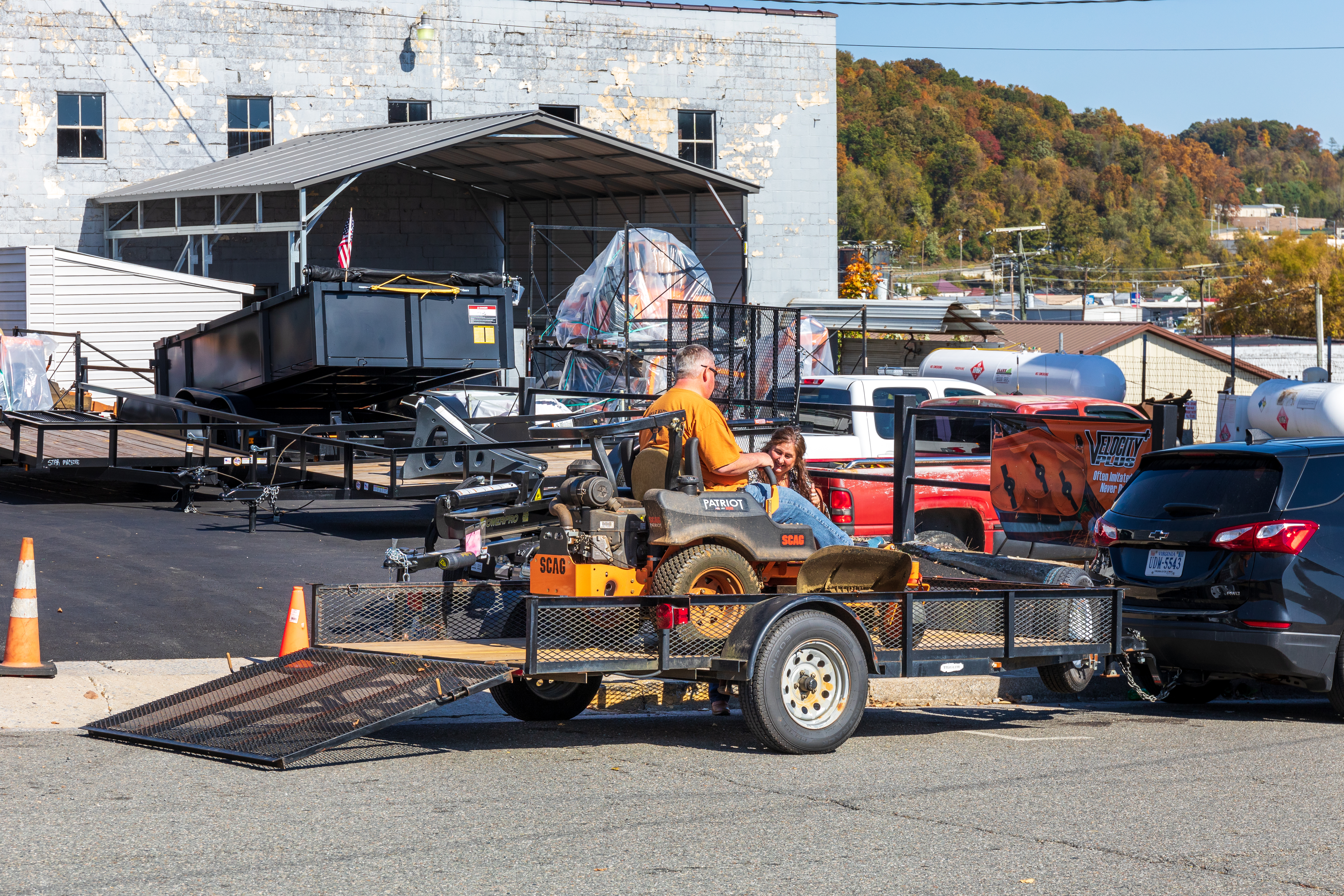
Credit: thekingcompany.com
Loading And Securing
Loading and securing your smoker properly is crucial to prevent damage and ensure safety during transport. Without the right approach, your smoker could shift, tip, or even fall, causing costly repairs or injuries. Taking time to load it carefully and secure it firmly will save you headaches on the road.
Choosing The Right Vehicle
Pick a vehicle that fits your smoker comfortably, leaving extra space around it for secure fastening. A pickup truck, van, or large SUV often works best because they offer open or spacious cargo areas. Avoid tight spaces that force you to tilt or squeeze the smoker, as this increases the risk of damage.
Ask yourself: Does your vehicle allow easy loading and unloading? Consider the height of the bed or floor and how it affects lifting the smoker in and out. You want something that lets you handle the smoker without straining your back or risking dropping it.
Positioning The Smoker
Place the smoker on a flat, stable surface inside the vehicle to keep it balanced during transit. Position it so the heaviest part sits closest to the vehicle’s center to reduce swaying or tipping. Avoid putting it near doors or edges where it might slide out when you open them.
Think about the smoker’s shape—does it have parts that stick out or make it top-heavy? If yes, rotate or adjust it to lower the center of gravity. Small shifts in angle can make a big difference in stability.
Using Straps For Stability
Use strong, adjustable straps to secure the smoker tightly but without crushing any parts. Ratchet straps or cam buckle straps work well because they provide firm tension and are easy to adjust. Loop the straps around sturdy points on both the smoker and the vehicle to keep it from moving.
- Check for sharp edges that might cut the straps and protect them with padding if needed.
- Tighten straps gradually, testing the smoker’s movement after each adjustment.
- Use multiple straps in different directions for maximum stability.
Have you ever seen a smoker bounce around during transit? It’s not just annoying—it can cause serious damage. Secure it like your safety depends on it, because it does.
During Transport
Transporting a smoker requires careful attention during the trip. The smoker is often heavy and bulky, making it prone to damage or tipping. Keeping it stable and secure helps avoid costly repairs. Focus on steady movements and constant checks to ensure safety.
Driving Carefully
Drive at a moderate speed to keep the smoker steady. Sharp turns can shift the smoker’s weight and cause imbalance. Smooth acceleration and gentle steering reduce the risk of tipping or damage. Stay on roads that are in good condition to avoid bumps and jolts.
Avoiding Sudden Stops
Sudden braking can cause the smoker to slide or fall. Keep a safe distance from other vehicles to allow gradual stops. Anticipate traffic changes early to avoid harsh braking. Use the brakes softly and gradually to protect the smoker and your vehicle.
Monitoring The Smoker
Check the smoker regularly during short stops. Look for any signs of movement or instability. Make sure straps or ties remain tight and secure. Address any shifting immediately to prevent accidents or damage. Keeping an eye on the smoker ensures a safe journey.
Unloading And Setup
Unloading and setting up a smoker requires care and attention. This stage ensures the smoker stays in good condition. Proper handling avoids damage and prepares the smoker for use. Follow clear steps to make the process smooth and safe.
Safe Removal Techniques
Start by clearing the area around the smoker. Check for any obstacles or uneven ground. Use two or more people to lift heavy parts safely. Lift with your legs, not your back, to avoid injury. Place the smoker gently on a flat surface. Avoid dragging the smoker to prevent scratches or dents.
Inspecting For Damage
Look closely at all parts for any signs of damage. Check for dents, cracks, or rust spots. Inspect hinges, handles, and seals carefully. Test if doors and vents open and close smoothly. Note any issues to fix before using the smoker. Early detection helps maintain smoker performance and safety.
Reassembling The Smoker
Gather all parts and tools needed for reassembly. Follow the manufacturer’s instructions step by step. Tighten bolts and screws firmly but do not over-tighten. Align doors and vents properly for a good seal. Test the smoker for stability before lighting it. Clean the smoker’s interior before cooking to remove dust or debris.
Additional Tips
Transporting a smoker requires more than just packing it up. Paying attention to extra details can protect your smoker and make the process easier. These additional tips will help you prepare for different situations and avoid common problems during transport.
Weather Considerations
Check the weather forecast before moving your smoker. Rain or snow can cause rust and damage. Cover the smoker with a waterproof tarp or plastic sheet. Avoid moving it during storms or high winds. If possible, transport the smoker inside a vehicle to keep it safe from weather. Dry your smoker thoroughly before packing it to prevent mold and corrosion.
Using Professional Movers
Hiring professionals can reduce risks. Movers have the tools and experience to handle heavy and bulky items. Choose movers who have experience with grills or outdoor equipment. Explain the smoker’s weight and size before the move. Ask if they use padding or blankets to protect your smoker. Confirm how they will secure it during transport. Professional help can save time and reduce damage.
Insurance And Documentation
Get insurance coverage for your smoker during transit. Check if your current insurance covers transport damages. If not, buy additional coverage for peace of mind. Take photos of your smoker before moving to document its condition. Keep receipts and manuals in a safe place. This helps with claims if any damage happens. Clear documentation protects your investment and speeds up claims.
Frequently Asked Questions
How Do I Prepare My Smoker For Transport?
Clean the smoker thoroughly to remove ashes and grease. Secure all removable parts inside or separately. Close and lock the lid tightly to prevent damage during transit.
What Vehicle Is Best For Transporting A Smoker?
Use a truck or large SUV with enough space. Ensure the smoker fits securely without tipping. Avoid small cars to prevent damage or accidents.
Should I Cover My Smoker During Transport?
Yes, cover the smoker with a weatherproof tarp or blanket. This protects it from dust, rain, and road debris. Secure the cover tightly to avoid it blowing away.
How Can I Secure My Smoker In The Vehicle?
Use ratchet straps or bungee cords to fasten the smoker. Attach straps to sturdy parts to prevent shifting. Check straps frequently during long trips to maintain tightness.
Conclusion
Transporting your smoker safely takes careful steps and attention. Secure it well to avoid damage during travel. Clean it thoroughly to prevent odors and mess. Use proper padding and tie-downs for stability. Check the smoker’s parts before and after moving.
Following these tips helps keep your smoker in good shape. Enjoy your cooking without stress or worry. Safe transport means more fun grilling ahead.

