
Is your lawn looking a little tired or patchy? You might be dealing with thatch, a hidden layer of dead grass and roots that can choke your lawn’s health.
But how do you know if your lawn has thatch? Knowing the signs can save you from wasting time and money on the wrong treatments. You’ll learn simple ways to check your lawn and what to do if thatch is taking over.
Keep reading to discover how to bring back your lawn’s green, healthy glow!
Credit: www.lawnstarter.com
What Is Lawn Thatch
Lawn thatch is a layer of dead grass and roots. It builds up between the soil and green grass.
This layer can stop water, air, and nutrients from reaching the soil. It affects grass growth and health.
What Makes Thatch Build Up
Thatch forms when grass grows faster than it breaks down. Dead grass and roots collect in the lawn.
Some grass types make more thatch. Overwatering and over-fertilizing also increase thatch build-up.
Why Thatch Can Be Harmful
Too much thatch blocks water and air from reaching roots. Grass can become weak and dry.
Thatch also helps pests and diseases grow. It can make your lawn look unhealthy and patchy.
How Thick Is Too Thick
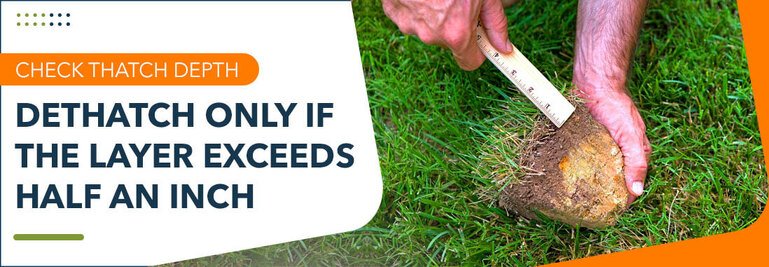
A thin thatch layer (less than 0.5 inches) is normal and healthy. It protects the soil and grass roots.
Thatch thicker than 0.5 inches can cause problems. It stops water and nutrients from reaching the roots.
- Less than 0.5 inches: normal
- More than 0.5 inches: may harm lawn
Common Causes Of Thatch Build-up
Thatch is a layer of dead grass and roots between the soil and the green grass. It can stop water and nutrients from reaching the soil.
Many things cause thatch to build up in your lawn. Knowing these causes helps you keep your grass healthy and green.
Overwatering
Watering your lawn too much can make the grass grow quickly. This fast growth leads to more dead grass that forms thatch. It also creates wet soil that slows down the breakdown of thatch.
Poor Soil Conditions
Soil that is compacted or has low oxygen makes it hard for microbes to break down dead grass. This causes thatch to stay longer and build up over time.
Excessive Fertilizing
Using too much fertilizer can cause grass to grow faster than normal. This quick growth adds more dead material, which turns into thatch if not managed.
Grass Type
Some types of grass make more stems and roots than others. These grasses often create thicker thatch layers. Knowing your grass type helps you take the right care.
Lack Of Lawn Maintenance
Not mowing, aerating, or dethatching your lawn can cause thatch to build up. Good lawn care keeps the grass healthy and breaks down thatch faster.
- Regular mowing to remove excess growth
- Periodic aeration to improve soil oxygen
- Dethatching to remove dead grass layers
- Balanced watering and fertilizing
Visual Signs Of Thatch Presence
Thatch is a layer of dead grass and roots on your lawn. It can stop water and nutrients from reaching the soil. You can often see signs of thatch by looking closely at your grass.
Here are some common visual signs to check for thatch on your lawn. Knowing these signs helps you keep your grass healthy and green.
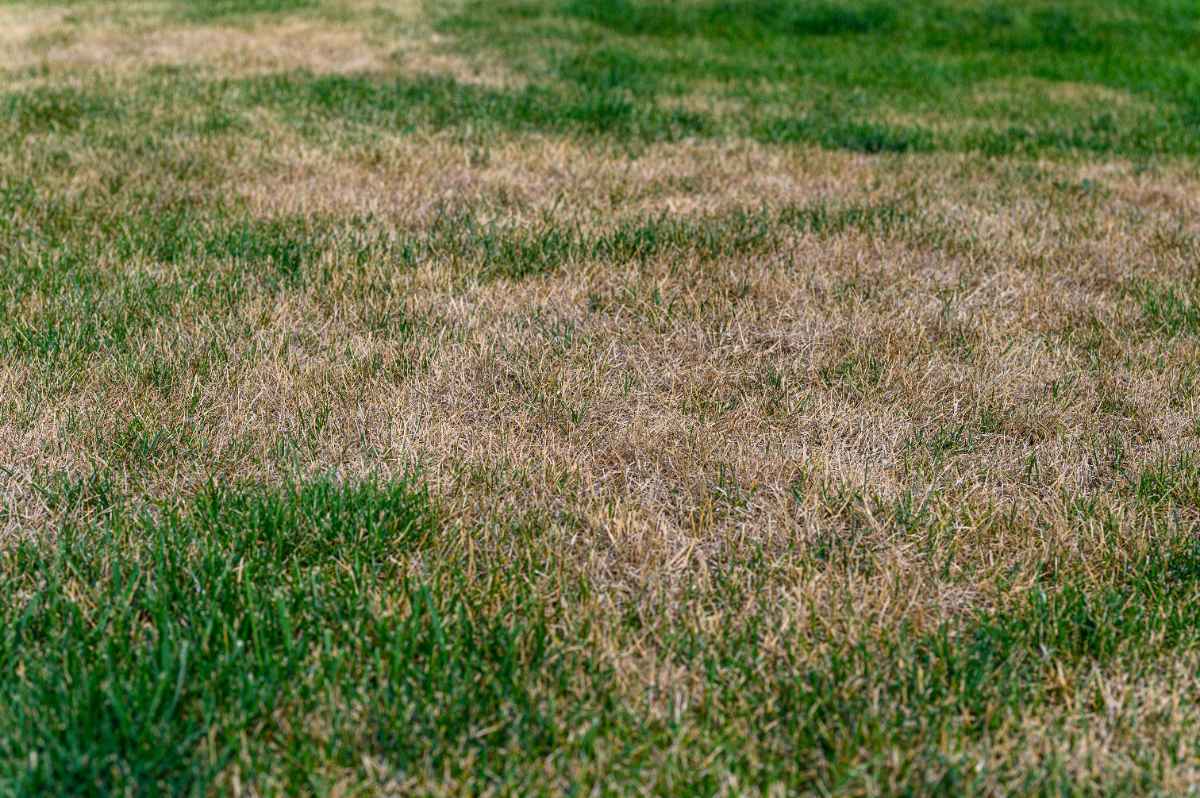
Brown And Spongy Grass
Brown and spongy grass often shows that thatch has built up under the surface. The grass feels soft when you walk on it. This happens because the thick thatch layer traps moisture and blocks air.
- Grass turns brown even with watering
- Soft, springy feel when stepped on
- Grass blades look weak or thin
- Soil feels hard below the spongy grass
Grass Clumps On Surface
Grass clumps or mats on the lawn surface can mean thatch is present. These clumps stop new grass from growing well. You may see thick layers of dead grass and roots sticking out.
| Sign | What It Means |
|---|---|
| Thick, visible grass clumps | Thatch buildup blocking new growth |
| Grass mats that resist raking | Dense thatch layer holds debris |
| Uneven lawn surface | Thatch causing bumps or dips |

Credit: www.reddit.com
Physical Tests To Detect Thatch
Thatch is a layer of dead grass that builds up in lawns. It can cause problems for your grass if it gets too thick. Testing for thatch is easy with some simple methods.
These tests can help you find out if your lawn has a thatch problem. Use tools you already have at home.
The Raking Method
The raking method is a simple way to check for thatch. All you need is a sturdy rake. It’s best to use a metal rake.
Drag the rake through your grass. If you see a thick layer of debris, you might have a thatch problem. The debris should be less than half an inch thick.
- Use a metal rake for best results
- Check the thickness of the debris layer
- Debris over half an inch means too much thatch
The Soil Probe Test
The soil probe test helps you see the layers in your lawn. A soil probe or a sharp knife is useful for this test.
Push the probe or knife into the soil. Cut a small section and look at the layers. The thatch is a spongy layer above the soil. It should be less than half an inch thick.
- Use a soil probe or sharp knife
- Observe the spongy layer above the soil
- A layer thicker than half an inch indicates too much thatch
Effects Of Excessive Thatch
Thatch is a layer of dead grass and roots on the lawn surface. A small amount helps protect the grass. Too much thatch causes problems for your lawn.
Excessive thatch stops water, air, and nutrients from reaching the soil. This weakens the grass and invites other issues.
Water Drainage Issues
Thick thatch blocks water from soaking into the soil. Water stays on top or runs off, leaving the lawn dry below.
Poor drainage causes patches of dry grass and puddles. It also makes the lawn more prone to drought stress.
Pest And Disease Risks
Excessive thatch creates a hiding place for pests like insects and grubs. These pests damage grass roots and blades.
Thatch also traps moisture, which helps fungi and diseases grow. This can cause lawn diseases that kill grass.
- Insects breed under thick thatch
- Fungi grow in damp thatch layers
- Diseases spread faster in thatch-covered lawns
When To Check For Thatch
Thatch is a layer of dead plant material that accumulates on your lawn, and it’s essential to check for it regularly to maintain a healthy lawn.
Thatch buildup can be caused by various factors, including overwatering, poor mowing habits, and excessive thatch production. Regularly checking for thatch helps you identify potential issues early on, preventing damage to your lawn.
Seasonal Timing
- Spring: Check for thatch after the last frost and before new growth begins. This helps you remove any dead material that may have accumulated over winter.
- Summer: Regularly inspect your lawn during the growing season, usually every 4-6 weeks. This allows you to catch any thatch buildup before it becomes a problem.
- Autumn: Before the lawn goes dormant, check for thatch and remove any dead material to prevent it from accumulating over winter.
- Winter: If you live in an area with a mild winter, check for thatch every 2-3 months to ensure your lawn remains healthy.
Post-weather Conditions
After extreme weather events, such as heavy rainfall or drought, it’s crucial to check for thatch. This helps you assess the damage and take necessary actions to repair your lawn.
| Weather Condition | When to Check |
| Heavy Rainfall | Immediately after the storm to prevent thatch buildup |
| Drought | After the drought ends to ensure thatch doesn’t accumulate due to stress |
| Extreme Heat | Regularly during the hot season to prevent thatch buildup |
Preventing Thatch Build-up
Thatch is a layer of dead grass and roots that builds up on your lawn. It can block water, air, and nutrients from reaching the soil. Preventing thatch helps keep your lawn healthy and green.
Good lawn care practices reduce thatch build-up. Proper mowing and watering are key to stopping thatch from forming.
Proper Mowing Techniques
Cut your grass at the right height to avoid stressing the lawn. Cutting too short can damage grass and cause more thatch. Use a sharp mower blade for clean cuts.
Remove no more than one-third of the grass height each time you mow. This helps grass stay strong and reduces dead material that forms thatch.
- Set mower blades at the recommended height for your grass type
- Keep mower blades sharp to prevent tearing grass
- Do not cut more than one-third of the grass blade
- Mow regularly to avoid cutting too much at once
Adequate Watering Practices
Water your lawn deeply but less often. Deep watering encourages roots to grow down. Shallow watering creates weak roots and more thatch.
Water early in the morning to reduce water loss. Avoid overwatering, as it can lead to thatch and disease problems.
- Water about 1 inch per week, including rainfall
- Apply water slowly to soak soil deeply
- Water between 6 a.m. and 10 a.m. for best results
- Check soil moisture to avoid overwatering

Credit: organolawn.com
Frequently Asked Questions
What Is Thatch In A Lawn?
Thatch is a layer of dead grass, roots, and debris between soil and grass blades. It can block water and nutrients, harming lawn health.
How Can I Measure Lawn Thatch Thickness?
Use a screwdriver or spade to remove a small soil core. Measure the thatch layer thickness, which should be less than 0. 5 inches.
Why Is Excessive Thatch Bad For My Lawn?
Too much thatch causes poor water drainage, root suffocation, and increases pest problems. It reduces nutrient absorption and weakens grass growth.
How Do I Know If My Lawn Needs Dethatching?
If your lawn feels spongy, has patchy growth, or water pools on the surface, excessive thatch might be the issue.
Conclusion
Thatch in your lawn can cause many problems. Check your grass regularly for signs of thatch build-up. A simple test can help you spot it early. Removing thatch keeps your lawn healthy and green. Take action soon to avoid weak, patchy grass.
A little care goes a long way. Keep your lawn fresh and strong all year. Healthy grass makes your yard look great. Stay alert and enjoy a beautiful lawn every season.

