
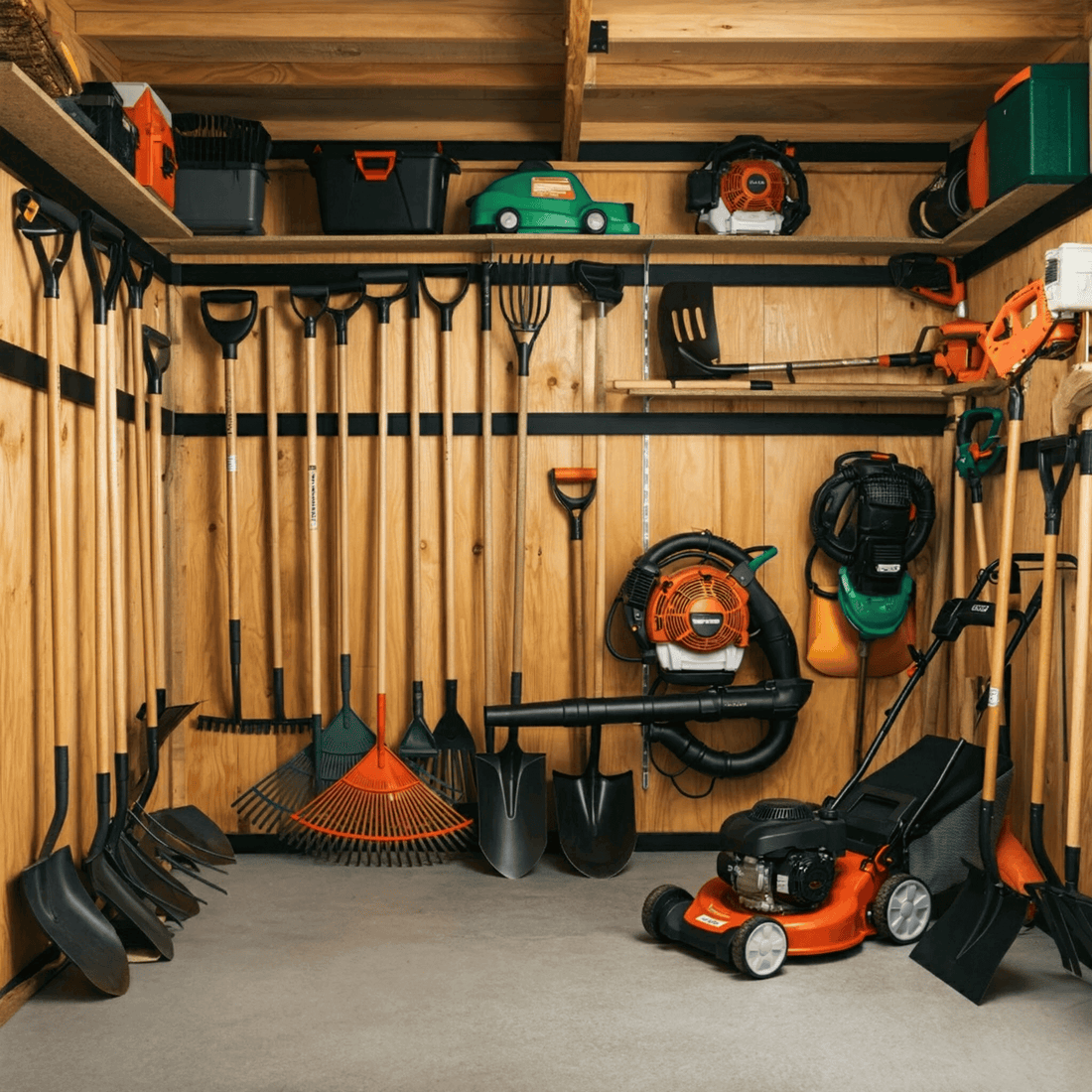
Are you tired of clutter and chaos every time you open your shed? Storing seasonal items can be tricky, but with the right approach, you can turn your shed into a neat, organized space.
Imagine finding exactly what you need without digging through piles of stuff. You’ll discover simple, effective ways to store your seasonal items so you save time, protect your belongings, and make your shed work for you. Keep reading to transform your storage game and enjoy a clutter-free shed year-round.
Choosing The Right Shed
Choosing the right shed is key to storing seasonal items safely. It protects belongings from weather and pests. A well-selected shed keeps items organized and easy to access. Consider size, material, ventilation, and lighting to match your needs. These factors affect durability and convenience.
Size And Layout Considerations
Pick a shed size that fits all your seasonal items. Think about future storage needs too. A larger shed allows room for growth and better organization. Use shelves, hooks, and bins for efficient space use. Clear layout helps find items quickly. Don’t overcrowd the shed to avoid damage.
Material Options
Sheds come in wood, metal, and plastic. Wood offers good insulation and a classic look. Metal sheds are strong and resist pests. Plastic sheds resist rust and need less upkeep. Choose material based on climate and maintenance ability. Check for weather resistance and durability.
Ventilation And Lighting
Proper airflow prevents mold and mildew on stored items. Look for sheds with vents or windows that open. Good ventilation reduces moisture buildup inside. Natural light helps find items without extra electricity. Consider adding solar lights or battery-operated lamps for dark spaces.
:max_bytes(150000):strip_icc()/bhg-gardening-shed-with-flowers-6bS2tc1d4SFALQvLx6zQZY-a67be5d4819a4f39bb70a3174eb58123.jpg)
Credit: www.thespruce.com
Preparing Your Shed
Preparing your shed is the first step to storing seasonal items safely. A clean and organized shed protects your belongings from damage. Proper preparation extends the life of your items and keeps your shed functional year-round.
Cleaning And Decluttering
Start by removing all items from the shed. Sweep the floor to clear dirt and debris. Wipe down shelves and walls to remove dust and cobwebs. Dispose of broken or unused items to create space. This makes it easier to organize seasonal items.
Moisture Control
Moisture can cause mold and rust on stored items. Check for leaks in the roof and walls. Use a dehumidifier or moisture absorbers to keep air dry. Ventilate the shed by opening windows or vents. Raise items off the floor using pallets or shelves to avoid water damage.
Pest Prevention
Rodents and insects can ruin your stored items. Seal cracks and gaps around doors and windows. Store items in airtight plastic containers to block pests. Use natural repellents like cedar blocks or peppermint oil. Regularly inspect the shed for signs of infestation and act quickly.
Organizing Seasonal Items
Organizing seasonal items in your shed can transform a chaotic space into a functional storage area. It saves time when you need to find something quickly and protects your belongings from damage. A well-organized shed makes seasonal transitions smoother and keeps your items in better condition.
Categorizing And Labeling
Start by grouping items based on their season and function. Keep holiday decorations separate from gardening tools or sports equipment to avoid confusion. Label each group clearly using waterproof tags or markers, so you can spot what you need without digging through piles.
Have you ever wasted time searching for last year’s Christmas lights? Clear labels prevent that frustration. Consider adding a simple list of contents on each container to speed up your search even more.
Using Clear Storage Bins
Clear storage bins let you see inside without opening them, which saves time and keeps dirt out. Choose sturdy plastic bins with tight-fitting lids to protect items from moisture and pests. Stackable bins maximize vertical space and keep your shed looking neat.
Try using different colored bins for different seasons—blue for winter gear, green for summer tools. This visual cue makes it easier to grab what you need immediately. Plus, clear bins help you spot missing items sooner.
Stacking And Shelving Techniques
Use shelves to keep bins off the floor, protecting them from dampness and making them easier to access. Place heavier items on lower shelves and lighter ones higher up to prevent accidents. Stack bins with the heaviest at the bottom to avoid crushing fragile contents.
Think about how often you’ll need each item; store frequently used things at eye level or near the shed entrance. You can even hang tools or smaller items on pegboards to free up shelf space. What could you hang or store differently to make your shed more efficient?
Maximizing Vertical Space
Maximizing vertical space in your shed helps store more seasonal items neatly. Using the walls and ceiling frees up floor space. This approach keeps your shed organized and easy to navigate.
Installing Wall-mounted Shelves
Wall-mounted shelves create extra storage without cluttering the floor. Choose sturdy shelves that hold heavy items like boxes or tools. Arrange items by season or type for quick access. Use adjustable shelves to change spacing as needed. Paint or seal shelves to protect against moisture.
Hanging Hooks And Pegboards
Hooks and pegboards turn walls into versatile storage areas. Hang garden tools, hoses, or small equipment to save space. Pegboards allow easy rearrangement of hooks and holders. Group similar items together for better organization. Label hooks to find items faster.
Utilizing Ceiling Storage
Ceiling storage is perfect for bulky or rarely used items. Install sturdy racks or platforms close to the ceiling. Store holiday decorations, camping gear, or seasonal sports equipment overhead. Ensure racks are secure and easy to reach with a ladder. Keep heavy items away from walkways for safety.
Space-saving Storage Solutions
Maximizing space in your shed can transform how you store seasonal items, making everything easier to find and access. Space-saving storage solutions help you keep your shed organized without feeling cluttered. You might be surprised how small changes can create big differences in storage capacity.
Foldable And Collapsible Items
Foldable and collapsible items are perfect for tight spaces. Think of folding chairs, collapsible tables, or stackable crates that shrink when not in use. These items free up valuable room and are easier to move around when you need them.
Have you ever struggled to fit large garden tools or furniture into a crowded shed? Using foldable versions of these items can solve that problem instantly. It’s all about making your belongings adapt to your space, not the other way around.
Multi-purpose Storage Containers
Multi-purpose storage containers provide flexibility beyond basic boxes. Look for containers with compartments, wheels, or stackable features to keep things tidy and mobile. Clear containers also let you see what’s inside without opening them.
Imagine storing holiday decorations, gardening supplies, and sports gear all in one container that can be easily moved or stacked. This cuts down on clutter and saves you time searching for what you need. Wouldn’t it be great if your storage worked as hard as you do?
Custom Built-ins
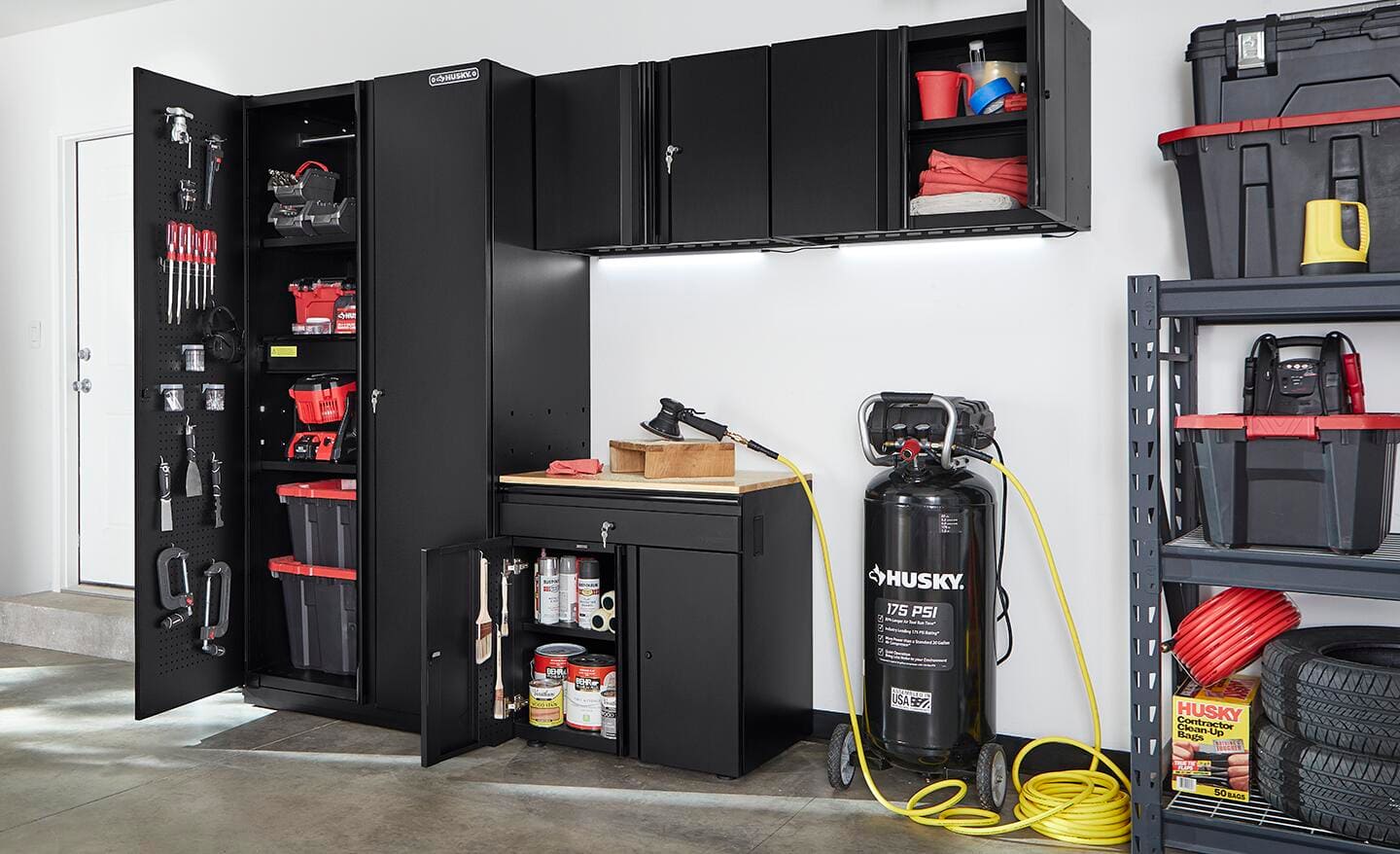
Custom built-ins tailor storage exactly to your shed’s dimensions and your needs. Shelves, cubbies, and hooks fixed to the walls keep items off the floor and organized. This approach uses vertical space you might otherwise overlook.
I once added custom shelves to my shed and instantly doubled the usable space. Tools, pots, and small equipment all found a spot, making the shed less chaotic. What could you fit into your shed if you used every inch wisely?
Credit: www.homedepot.com
Seasonal Rotation Tips
Keeping your shed organized throughout the year means mastering the art of seasonal rotation. This approach helps you make the most of your space while ensuring you can easily find what you need when you need it.
Think about the last time you dug through a pile of boxes to find a holiday decoration or gardening tool—frustrating, right? Seasonal rotation keeps everything in order and saves you time and effort.
Storing Off-season Items Out Of Reach
Move items you won’t use for several months to higher shelves or the back of the shed. This keeps them safe and out of your way, reducing clutter in your active workspace.
Use clear, labeled bins so you don’t have to open every box to find what’s inside. Storing these items out of reach encourages you to focus on what’s currently in use.
Easy Access For Current Season
Keep tools and decorations for the current season within arm’s reach. Place frequently used items at eye level or on hooks to grab them quickly.
For example, garden gloves and pruning shears should be front and center during spring and summer. This setup saves time and keeps your activities flowing smoothly.
Regular Inventory Checks
Set a reminder to review your shed’s contents every few months. This helps you spot damaged items, toss what you no longer need, and adjust storage based on upcoming seasons.
Ask yourself: Are all items in the right place? Could anything be consolidated or better labeled? Regular checks prevent surprises when the season changes.
Safety And Maintenance
Storing seasonal items safely in a shed involves organizing and labeling boxes clearly. Regular maintenance checks prevent damage from pests and moisture. Use sturdy shelves to maximize space and keep items off the ground.
Storing seasonal items in your shed efficiently requires more than just stacking things up. Safety and maintenance are crucial to ensure your items stay in good condition and your shed remains a safe place. By organizing your space thoughtfully, you can avoid accidents and prolong the life of your stored items.Securing Heavy Items
Heavy items should always be stored on the ground or low shelves. This minimizes the risk of injury if they fall. Consider using sturdy storage bins that can handle the weight and are easy to move. Utilize wall hooks for items like bikes or ladders. This keeps them off the ground and reduces clutter. Remember, a well-balanced shed is a safe shed.Maintaining Clean Pathways
Pathways in your shed should remain clear to prevent tripping hazards. Allocate a specific area for frequently used items so they are easily accessible. Sweep the floor regularly to remove dirt and debris. This simple action can prevent slips and keep your shed looking tidy.Periodic Shed Inspection
Regular inspections can catch potential issues early. Check for signs of moisture or pests that could damage your belongings. Ensure the structure is sound by looking for any signs of wear or damage. Is there a leak in the roof or a broken window? Addressing these issues promptly can save you trouble down the line. What small changes could you make today to enhance safety in your shed? By focusing on these areas, you create a safer and more efficient storage space.
Credit: storeyourboard.com
Frequently Asked Questions
How Do I Prepare Seasonal Items For Shed Storage?
Clean and dry all items thoroughly before storing. Use protective covers or containers to prevent dust and moisture damage. Label boxes clearly for easy access. Store heavier items on lower shelves and fragile ones on top to avoid breakage.
What Is The Best Way To Organize A Shed For Seasonal Storage?
Use shelving units and clear bins to maximize space. Group similar items together and label containers. Keep frequently used items near the entrance. Use hooks or pegboards for hanging tools and smaller items to maintain order.
How Can I Protect Seasonal Items From Pests In The Shed?
Seal cracks and gaps in the shed to prevent pest entry. Use airtight containers and avoid storing food near seasonal items. Regularly inspect for signs of pests and use natural repellents like cedar or lavender to deter insects and rodents.
What Materials Are Ideal For Storing Seasonal Items In Sheds?
Use plastic bins or waterproof containers for moisture protection. Cardboard boxes are fine for dry, light items but avoid them for heavy or damp goods. Fabric covers protect delicate items from dust. Metal shelves resist rust and provide sturdy support.
Conclusion
Storing seasonal items properly keeps your shed neat and safe. Use clear boxes to find things fast. Label each container for easy sorting later. Keep heavier items on the bottom shelves. Protect items from moisture and pests to avoid damage.
Regularly check your shed for dirt and leaks. With simple steps, your shed stays organized all year. Ready for the next season without stress. Simple habits make storage easier and save you time.

