
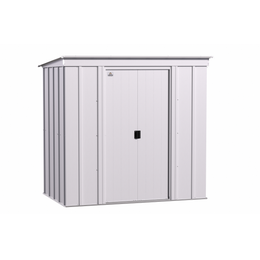
Storing chemicals safely is something you can’t afford to overlook. Whether you use fertilizers, cleaning agents, or other substances, keeping them secure in your deck box protects your family, pets, and the environment.
But how do you make sure your chemicals stay safe and don’t cause accidents? You’ll discover simple, practical steps to organize and store your chemicals the right way. By the end, you’ll feel confident that your deck box is not just convenient, but also a safe spot for your chemical storage.
Keep reading to learn how you can protect your home and loved ones with easy, effective storage solutions.
Choosing The Right Deck Box
Choosing the right deck box for storing chemicals is more than just picking a container that fits your space. It’s about finding one that protects your chemicals, keeps them secure, and prevents accidents. The right choice can make a big difference in safety and convenience.
Material Considerations
Not all deck boxes are created equal. Some materials react poorly with certain chemicals, which can cause leaks or spills. Look for deck boxes made from durable, chemical-resistant materials like high-density polyethylene (HDPE) or heavy-duty plastic.
Metal boxes might seem sturdy, but they can corrode if exposed to harsh chemicals. Plastic boxes are often better because they resist rust and are easier to clean. Ask yourself: will the box stand up to the specific chemicals you plan to store?
Size And Ventilation
Choosing the right size is crucial. A deck box that’s too small forces you to overcrowd chemicals, increasing the risk of spills. A box that’s too large might waste space and be harder to manage.
Ventilation is another key factor. Some chemicals release fumes that can build up inside a closed box. Look for a deck box with built-in ventilation or the option to add vents safely. This helps keep the air fresh and reduces pressure build-up.

Credit: www.mavaquadoc.com
Preparing Chemicals For Storage
Preparing chemicals for storage in a deck box requires careful attention to detail. Proper preparation can prevent accidents, contamination, and damage to your storage container. Taking simple but essential steps ensures your chemicals remain safe and effective for future use.
Proper Labeling
Clear labeling is critical when storing chemicals. Each container should have a label that includes the chemical name, concentration, and hazard warnings. Without proper labels, you risk using the wrong chemical or exposing yourself to dangerous substances unknowingly.
Use waterproof markers or printed labels to keep information readable over time. If you’ve ever struggled to identify a chemical in a faded or missing label, you know how frustrating and risky it can be. Consider adding the date you stored the chemical to track its shelf life effectively.
Sealing Containers
Sealing containers tightly is essential to avoid leaks and spills inside your deck box. Even small leaks can cause chemical reactions, damage the deck box, or create hazardous fumes. Check that lids fit securely and use additional seals, like plastic wrap or tape, if necessary.
Inspect containers regularly for cracks or wear. If you notice any signs of damage, transfer the chemical to a new container designed for safe storage. Your safety depends on keeping these substances contained and stable.
Organizing Chemicals Inside The Deck Box
Organizing chemicals inside a deck box is essential for safety and easy access. Proper arrangement helps prevent accidents and keeps chemicals stable. It also saves time when you need to find a specific item.
Clear organization reduces the risk of harmful reactions between substances. It protects the container and the environment from spills or leaks. Following simple steps can make the storage area safe and efficient.
Segregating Incompatible Substances
Keep chemicals that react badly apart from each other. Separate acids from bases and flammable from oxidizers. Use different shelves or compartments inside the deck box.
Label each section clearly to avoid confusion. Store strong chemicals in small, sealed containers. This reduces the chance of dangerous spills or fumes mixing.
Using Secondary Containment
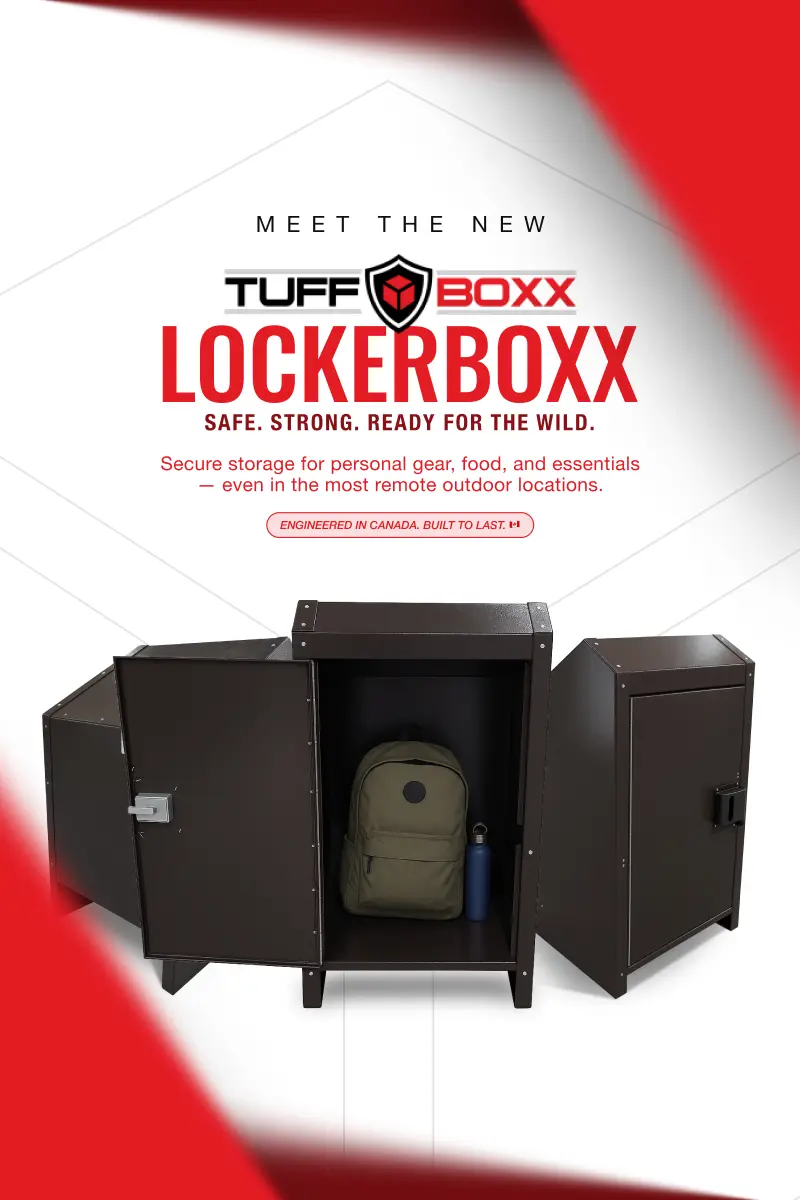
Place chemicals inside a secondary container like a plastic bin or tray. This catches leaks or spills before they spread. Choose a container that fits well inside the deck box.
Use absorbent materials like pads or granules inside the secondary container. This adds an extra layer of protection. Check these containers regularly for cracks or damage.
Credit: tuffboxx.com
Maintaining Safe Storage Conditions
Maintaining safe storage conditions inside your deck box is crucial for protecting both the chemicals and everyone around them. Chemicals can react unpredictably if exposed to improper environments, leading to leaks, spills, or even dangerous fumes. You need to pay close attention to factors like temperature and sunlight to keep your chemicals stable and secure.
Temperature Control
Keeping a consistent temperature inside your deck box is essential. Sudden heat or cold can cause chemical containers to expand or contract, increasing the risk of leaks.
Consider placing a small thermometer inside the box to monitor conditions regularly. If you notice temperatures getting too high or low, move the deck box to a more sheltered spot or use insulation materials.
Have you checked how hot your deck box gets during midday sun? I once stored garden chemicals in a box that overheated, and the containers warped. Don’t let this happen to you.
Avoiding Direct Sunlight
Direct sunlight can degrade many chemicals and their containers over time. UV rays break down plastic bottles and can change the chemical composition, making them unsafe to use.
Place your deck box in a shaded area or use a UV-resistant cover to protect it. If your deck box is portable, try to move it around during the day to avoid prolonged sun exposure.
Think about how sunlight affects your deck box during different seasons. Does your current setup expose chemicals to sunlight for hours? Small adjustments can make a big difference in safety.
Regular Inspection And Maintenance
Regular inspection and maintenance keep chemicals stored in deck boxes safe. This practice helps prevent accidents and damage. It also extends the life of the storage box.
Check your deck box often. Look for signs of wear or damage. Early detection can stop problems before they grow.
Checking For Leaks And Damage
Look closely at the deck box for cracks or holes. Examine the seals and hinges for wear. Leaks can cause harmful spills and dangerous reactions.
- Inspect containers inside for cracks or leaks.
- Check the bottom and corners of the deck box.
- Look for rust or corrosion on metal parts.
- Replace damaged seals or worn hinges quickly.
Cleaning The Deck Box
Cleaning removes dirt and chemical residues. Use mild soap and water for cleaning. Avoid harsh chemicals that may harm the box material.
- Empty the deck box before cleaning.
- Wipe all surfaces with a damp cloth.
- Dry completely before putting chemicals back.
- Keep the box clean to avoid contamination.
Emergency Preparedness
Store chemicals in a cool, dry deck box away from direct sunlight. Keep containers sealed tightly and separate incompatible substances. Ensure good ventilation to prevent dangerous fumes from building up.
Storing chemicals safely in a deck box requires more than just placing them neatly. Emergency preparedness is a critical aspect often overlooked. It’s about being ready for unexpected situations that can arise, such as spills or fires. Having a plan ensures not just safety, but peace of mind. How prepared are you if a chemical mishap were to occur?Spill Response Kit
A spill response kit is your first line of defense against accidental leaks. It should be easily accessible and contain essential items like absorbent pads, gloves, and a container for disposing of waste. Regularly check and replenish the kit to ensure it’s always ready for use. Think of it as an investment in safety. A well-prepared kit can prevent minor incidents from escalating into major hazards. Have you checked yours lately?Fire Safety Measures
Fire safety measures are crucial when storing chemicals. Ensure your deck box is made of non-flammable material and keep a fire extinguisher nearby. It’s also wise to have a smoke detector in the vicinity. Consider creating a designated area for flammable substances, away from potential ignition sources. Regularly review these measures and conduct fire drills. Are you confident in your ability to handle a fire emergency?
Credit: value4construction.com
Frequently Asked Questions
How To Organize Chemicals Safely In A Deck Box?
Store chemicals in original containers with labels intact. Use sturdy shelves or bins to separate types. Keep incompatible chemicals apart to avoid reactions. Ensure the deck box is dry and well-ventilated to prevent damage or fumes buildup.
What Safety Measures Are Needed For Chemical Storage Outdoors?
Use a lockable, weatherproof deck box to secure chemicals. Keep the box away from direct sunlight and heat sources. Ensure proper ventilation to avoid toxic fumes. Store chemicals out of children’s and pets’ reach for safety.
Can All Chemicals Be Stored In A Deck Box?
No, only store non-flammable, non-corrosive chemicals in a deck box. Avoid storing volatile or highly reactive chemicals outdoors. Follow local regulations and product instructions for specific chemical storage requirements.
How To Prevent Leaks And Spills In A Deck Box?
Use leak-proof containers and seal lids tightly. Place absorbent mats or trays at the box bottom. Regularly check for damaged or corroded containers. Clean spills immediately to maintain safety and prevent contamination.
Conclusion
Storing chemicals in a deck box keeps your space tidy and safe. Choose a cool, dry spot away from sunlight and heat. Keep chemicals in their original containers with labels visible. Always close lids tightly to prevent spills and leaks.
Separate incompatible chemicals to avoid dangerous reactions. Check the deck box regularly for damage or leaks. Safe storage protects your family and the environment. Follow these simple steps to handle chemicals responsibly every time. Safety first, always.

