
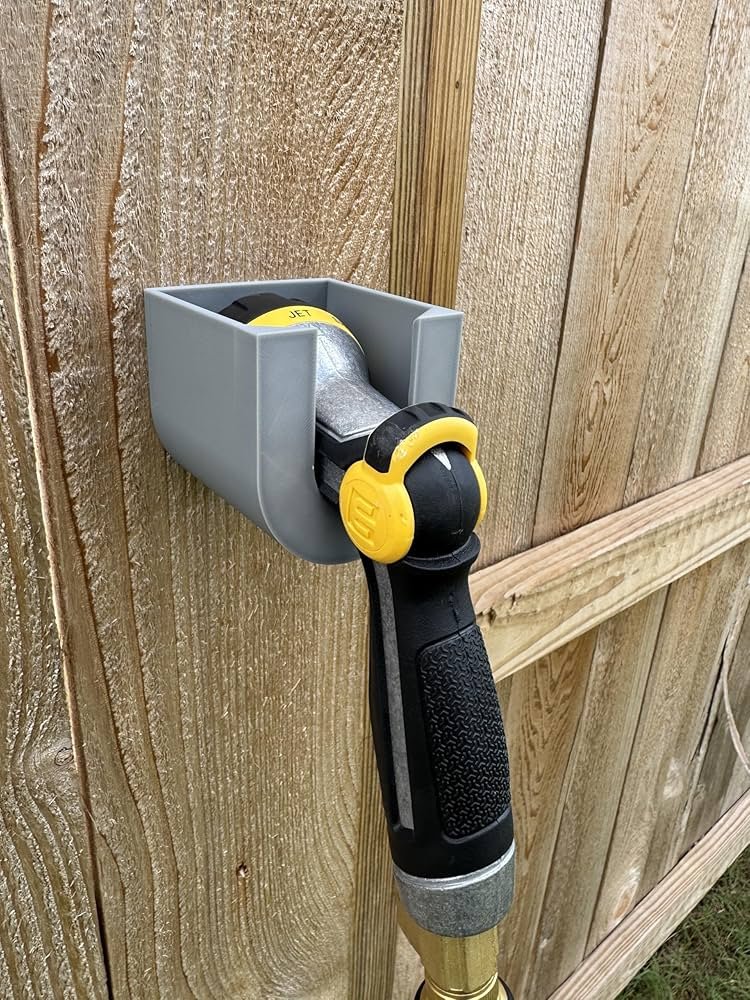
You’ve just finished using your hose end sprayer, and now it’s time to put it away. But how you store it can make all the difference.
If you’re not careful, your sprayer might get damaged, clog up, or stop working when you need it most. Imagine turning on your hose sprayer next season and finding it broken or full of rust. That’s frustrating, right? You’ll discover simple, practical tips to store your hose end sprayer the right way.
Keep reading to protect your tool and make sure it’s ready to go whenever you need it.
Preparing The Sprayer
Storing your hose end sprayer properly keeps it working well for a long time. Preparing it right stops damage and clogs.
Follow simple steps to get your sprayer ready before storage. This helps keep it clean and safe.
Emptying The Tank
Always empty the tank after use. This removes leftover chemicals that can cause damage.
Turn the sprayer upside down and pour out any liquid. Make sure no fluid stays inside the tank.
Cleaning The Nozzle
Clean the nozzle to stop clogs and keep spraying smooth. Dirt and residue can block the spray.
Use water or a soft brush to wash the nozzle. Remove all dirt and dry it well before storing.
Removing Residual Chemicals
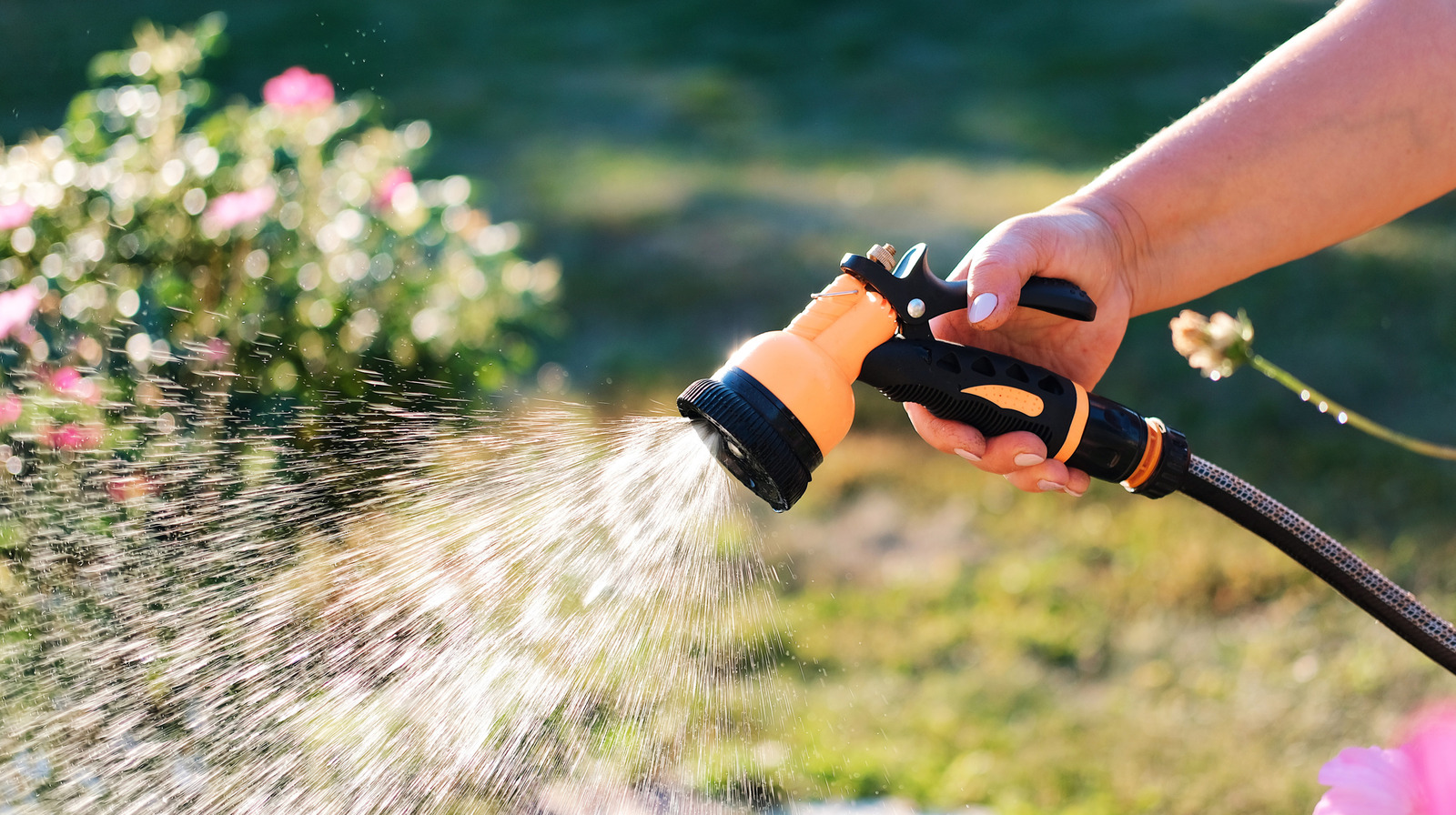
Flush the sprayer with clean water to remove leftover chemicals. This protects the sprayer and the next use.
- Fill the tank with clean water
- Spray until the tank is empty
- Repeat if needed to clear all chemicals
Credit: www.housedigest.com
Disassembling Components
Storing a hose end sprayer properly starts with taking it apart carefully. This helps avoid damage and keeps it ready for the next use.
Follow simple steps to disassemble the sprayer into parts. Handle each piece gently to maintain its function.
Detaching The Hose
First, turn off the water supply and relieve pressure in the hose. Unscrew the sprayer from the hose connector slowly to avoid leaks or breaks.
Separating The Nozzle And Wand
Remove the nozzle by twisting it off the wand. Some nozzles may have clips or locks that need pressing or sliding before removal.
- Press any lock or clip on the nozzle
- Turn the nozzle counterclockwise
- Gently pull the nozzle from the wand
- Keep all parts together to avoid loss
Checking For Wear And Tear
| Component | Signs of Wear | Action Needed |
| Hose Connector | Cracks or leaks | Replace or seal with tape |
| Nozzle | Clogs or broken spray tips | Clean or replace parts |
| Wand | Bends or rust | Clean and dry thoroughly |
Drying And Maintenance
Proper drying and maintenance keep your hose end sprayer working well. It helps avoid damage and extends its life.
Clean and dry parts prevent rust and clogs. Regular care saves you time and money later.
Air Drying The Parts
After using the sprayer, rinse all parts with clean water. This removes leftover chemicals and dirt.
Let the parts air dry fully before storing. Do not use towels or cloths that may leave fibers behind.
- Separate the nozzle, tube, and container
- Place parts on a clean surface in open air
- Allow at least 24 hours for complete drying
Lubricating Moving Pieces
Lubricate the sprayer’s moving parts to keep them smooth and easy to use. Use a silicone-based lubricant for best results.
Apply lubricant sparingly. Too much oil can attract dirt and cause clogging.
- Focus on the trigger and valve areas
- Wipe off excess lubricant with a clean cloth
- Repeat lubrication every few uses or before storage
Inspecting Seals And O-rings
Check seals and O-rings for cracks or wear before storing. Damaged seals can cause leaks during the next use.
Replace any worn parts to keep the sprayer sealed and working well.
- Look for cracks, tears, or hard spots
- Test seals by gently stretching them
- Keep spare seals handy for quick replacement

Credit: www.amazon.com
Storage Conditions
Storing a hose end sprayer properly keeps it in good shape. The right conditions stop damage and make it last longer.
Focus on where you keep it, the temperature, and how much sunlight it gets. These factors protect your sprayer from wear.
Choosing A Dry Location
Pick a place that stays dry. Moisture can cause rust and damage parts of your sprayer.
- Use shelves or hooks to keep it off the ground
- Keep it away from damp basements or garages
- Store in a shed or closet with good air flow
Avoiding Extreme Temperatures
Extreme heat or cold can break the sprayer’s plastic and seals. Avoid places with big temperature changes.
| Temperature Range | Effect on Sprayer |
| Below 32°F (0°C) | Water inside can freeze and crack parts |
| Above 100°F (38°C) | Plastic may warp or seals may soften |
| Stable 50-80°F (10-27°C) | Best for long-term storage |
Protecting From Sunlight
Direct sunlight can fade colors and weaken the sprayer’s material. Store it away from windows and bright light.
- Use a box or cover to block light
- Place in a shaded area or inside a cabinet
- Check periodically for signs of sun damage
Seasonal Storage Tips
Keeping your hose end sprayer in good shape needs proper storage. Seasonal changes can harm the sprayer if not stored right.
Follow simple steps to protect your sprayer during off-season months. This helps it work well next time you need it.
Winterizing The Sprayer
Winter can damage your sprayer if water stays inside. Freeze can crack parts and ruin seals.
- Empty all liquid from the tank and hose.
- Flush the sprayer with clean water to clear any residue.
- Remove the nozzle and clean it separately.
- Store the sprayer in a dry, frost-free place.
Storing During Off-season
Proper storage keeps the sprayer parts safe and extends its life. Avoid places with high heat or moisture.
| Storage Condition | Recommendation |
| Temperature | Keep between 40°F and 80°F |
| Humidity | Low humidity is best |
| Location | Dry, shaded, and ventilated area |
| Position | Store upright to avoid leaks |
Preparing For Next Use
Before using your sprayer again, check all parts. Make sure everything works smoothly.
- Inspect the hose for cracks or leaks.
- Test the nozzle for proper spray pattern.
- Fill with fresh, clean water or solution.
- Prime the pump by pumping a few times.
- Adjust the settings to match your task.
Credit: www.nylex.com.au
Troubleshooting Common Issues
Storing a hose end sprayer properly ensures it works when you need it. Sometimes, issues arise that require troubleshooting. This guide helps you fix common problems.
Let’s explore solutions for leaks, blockages, spraying issues, and replacing parts. Follow these steps to keep your sprayer in top condition.
Leaks And Blockages
Leaks and blockages are frequent issues with hose end sprayers. Identifying the problem early can prevent further damage.
- Check for worn out seals or gaskets
- Inspect hose connections for tightness
- Clear any debris from the nozzle
Sprayer Not Spraying Properly
If your sprayer is not working well, the issue could be simple. Check these areas to ensure proper function.
| Issue | Solution |
| Low pressure | Ensure water supply is full |
| Uneven spray | Adjust spray pattern settings |
| No spray | Examine nozzle for blockages |
Replacing Damaged Parts
Sometimes, parts wear out and need replacing. This keeps the sprayer functioning well.
Frequently Asked Questions
How Do I Clean A Hose End Sprayer Before Storage?
Rinse the sprayer with clean water to remove chemicals. Disassemble parts if possible. Allow all components to dry completely to prevent mold and corrosion before storing.
Where Is The Best Place To Store A Hose End Sprayer?
Store the sprayer in a cool, dry place away from sunlight. Avoid freezing temperatures to protect seals and plastic parts. A garage or shed works well.
Should I Remove The Hose End Sprayer From The Hose?
Yes, detach the sprayer from the hose to avoid damage. This also allows thorough cleaning and drying, ensuring longer sprayer life and better storage conditions.
How Can I Prevent Damage To A Hose End Sprayer During Storage?
Store the sprayer in a protective case or container. Keep it away from sharp objects and extreme temperatures. Regular maintenance before storage helps maintain functionality.
Conclusion
Storing your hose end sprayer properly keeps it working well for longer. Clean it after each use to avoid clogs and damage. Keep it in a dry, cool place away from sunlight. Avoid bending or twisting the hose to prevent leaks.
Regular care saves money and hassle later. Small steps make a big difference. Your sprayer will be ready whenever you need it. Simple storage habits protect your tool and help your garden thrive.

