

Are you tired of patchy, uneven grass ruining the look of your lawn? Spreading grass seed evenly might seem simple, but it takes the right technique to get that lush, green carpet you’ve been dreaming of.
Imagine stepping outside to a smooth, vibrant lawn that feels soft under your feet and looks great from every angle. You’ll discover easy steps and insider tips to spread your grass seed perfectly every time. Keep reading, and soon your lawn will be the envy of the neighborhood!
Preparing The Soil
Spreading grass seed evenly starts with good soil preparation. Healthy soil helps seeds grow strong roots.
Take time to prepare the soil. It makes a big difference in your lawn’s growth.
Clearing Debris
Remove leaves, sticks, and rocks from the area. Debris blocks seeds from reaching the soil.
Clear debris to give seeds a clean place to start growing.
- Rake the area thoroughly
- Pick up stones and sticks by hand
- Dispose of dead plants and leaves
Loosening The Ground
Loosen the soil so seeds can bury easily. Hard soil stops roots from growing deep.
Use a garden fork or tiller to break up the soil to about 2 to 3 inches deep.
- Remove large clumps of soil
- Break the soil into small pieces
- Level the ground with a rake
Testing Soil Quality
Test the soil to know its pH and nutrient levels. Good soil helps grass grow healthy.
You can buy a soil test kit or send a sample to a lab for detailed results.
- Check soil pH; grass prefers 6.0 to 7.0
- Look for nutrient levels like nitrogen and phosphorus
- Add lime or fertilizer based on test results

Credit: www.reddit.com
Choosing The Right Grass Seed
Picking the right grass seed is important for a healthy lawn. Different seeds grow better in different places and soils.
Choosing the right seed helps the grass spread evenly and stay green longer.
Selecting Seed Type
There are many grass seed types. Each type suits a different lawn use and look.
Choose seed based on how you will use your lawn, like for play or decoration.
- Cool-season grasses grow well in spring and fall.
- Warm-season grasses do best in hot summers.
- Mixes combine types for tough, green lawns.
Considering Climate And Soil
Grass grows best when seed matches the local climate. Some seeds need more heat or cold.
Soil type matters too. Sandy soil holds less water. Clay soil holds more but drains slowly.
- Use drought-tolerant seeds in dry areas.
- Choose shade-tolerant seeds for shady lawns.
- Test soil pH to pick seeds that grow well in your soil.
Calculating Seed Quantity
Use the right amount of seed to cover your lawn evenly. Too much or too little causes problems.
Measure your lawn area before buying seed. Check the seed bag for coverage info.
| Lawn Size (sq ft) | Seed Needed (pounds) |
|---|---|
| 1000 | 3 to 5 |
| 2000 | 6 to 10 |
| 3000 | 9 to 15 |
Methods For Spreading Seed
Spreading grass seed evenly helps create a healthy lawn. Using the right method saves time and effort.
Choose the way that fits your lawn size and tools. Good seed spread helps grass grow strong and full.
Using A Broadcast Spreader
A broadcast spreader throws seed over a wide area. It works well for medium to large lawns.
Walk at a steady pace for even seed coverage. Adjust the spreader settings to control seed flow.
- Fill the hopper with seed
- Set the spreader to the right rate
- Walk in straight lines across the lawn
- Overlap slightly to avoid bare spots
Hand Spreading Techniques
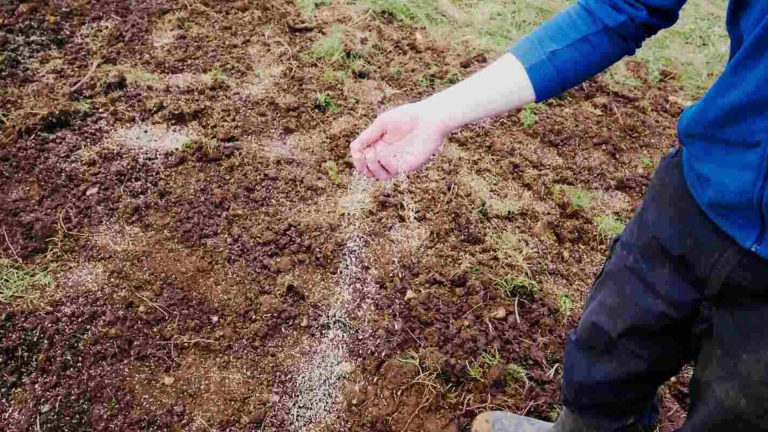
Hand spreading works best for small or irregular areas. It gives you control over where the seed goes.
Use your hand to scatter seed evenly. Walk slowly and spread seed in one direction, then cross it.
- Pour seed into your palm
- Walk slowly while tossing seed lightly
- Spread seed in lines, then at right angles
- Check for bare or heavy spots and adjust
Drop Spreader Advantages
A drop spreader drops seed straight down. It gives very precise seed placement.
This tool reduces seed waste and prevents spreading on sidewalks. It works best for small to medium lawns.
- Seed falls directly below the spreader
- Easy to control seed amount
- Less seed ends up in unwanted areas
- Good for edges and narrow strips

Credit: www.youtube.com
Ensuring Even Coverage
Spreading grass seed evenly helps your lawn grow thick and healthy. Uneven coverage can cause bare spots and patchy grass.
Using the right techniques will make your seed spread more uniform. This guide covers easy ways to get even coverage.
Dividing Seed Into Sections
Divide the total amount of grass seed into smaller portions. This helps you control how much seed you spread at a time.
Spreading seed in sections reduces the chance of putting too much seed in one spot and missing others.
- Measure your lawn area to know how much seed you need
- Split the seed into equal parts based on lawn sections
- Spread one section of seed before moving to the next
Applying In Multiple Directions
Spread seed in different directions to cover all areas evenly. This method fills gaps and overlaps seed slightly for better growth.
Start by spreading seed in one direction, then spread again at a right angle or diagonal to the first pass.
- Spread seed north to south first
- Then spread seed east to west
- This crisscross pattern ensures full coverage
Marking Seeded Areas
Mark areas you have already seeded to avoid missing spots or spreading twice. This keeps your coverage uniform.
Use simple markers like flags, sticks, or garden string to outline each section as you work.
- Place markers at the edge of seeded sections
- Move markers as you finish each section
- Check your progress regularly to keep track
Aftercare For Seeded Lawns
After spreading grass seed, you must care for the lawn properly. Good aftercare helps grass grow strong and healthy.
Proper watering, fertilizing, and protecting the area are key steps to support new grass growth.
Watering Schedules
Keep the soil moist after seeding. Water lightly but often to avoid washing away seeds.
Water two to three times daily for the first two weeks. Reduce frequency as grass grows.
- Use a gentle spray or mist setting on your hose.
- Water early in the morning or late in the afternoon.
- Stop watering if rain is expected.
Fertilizing Tips
Apply a starter fertilizer to help grass seedlings grow strong roots. Use one made for new grass.
Fertilize about four to six weeks after seeding. Avoid over-fertilizing, which can harm grass.
- Choose a fertilizer with balanced nutrients (nitrogen, phosphorus, potassium).
- Follow package directions for amounts and timing.
- Use slow-release fertilizers to avoid burning grass.
Protecting From Foot Traffic
New grass is delicate. Keep people and pets off seeded areas to let grass grow well.
Use barriers or signs to mark seeded spots. Avoid mowing until grass is tall and strong.
- Place temporary fences or stakes around new grass.
- Wait until grass reaches 3 inches before first mowing.
- Keep pets away to prevent damage to seedlings.
Troubleshooting Common Issues
Spreading grass seed evenly can sometimes lead to problems. Knowing how to fix these issues is key for a healthy lawn.
Let’s explore some common challenges and how to tackle them effectively.
Dealing With Patchy Growth
Patchy grass can make your lawn look uneven. It happens if seeds don’t spread well.
Make sure to use a seed spreader for even distribution. Water regularly to help seeds grow.
- Use a seed spreader for even coverage
- Water daily until seeds sprout
- Avoid walking on new grass
Managing Weeds
Weeds can compete with grass for nutrients. They often grow when soil is disturbed.
Use a weed barrier or weed control product. Mow the lawn regularly to keep weeds at bay.
- Apply weed control before seeding
- Mow frequently to prevent weed growth
- Remove weeds by hand for small areas
Addressing Soil Erosion
Soil erosion can wash away seeds. It usually happens on slopes or bare patches.
Try using erosion blankets to keep seeds in place. Plant grass that has deep roots to hold soil.
| Solution | Benefit |
| Erosion blankets | Keeps seeds secure |
| Deep-rooted grass | Prevents soil washout |
Credit: randylemmon.com
Frequently Asked Questions
How Do I Prepare Soil Before Spreading Grass Seed?
Prepare soil by removing debris and loosening it with a rake. Level the area to ensure even seed contact. Adding a thin layer of compost improves soil quality and seed germination. Proper preparation helps grass seeds establish strong roots.
What Tools Help Spread Grass Seed Evenly?
Use a broadcast spreader or drop spreader for even seed distribution. Hand spreading works for small areas but may cause uneven patches. Spread seeds in multiple directions for full coverage. Tools ensure consistent seed placement and better lawn growth.
When Is The Best Time To Spread Grass Seed?
The best time to spread grass seed is early fall or spring. Soil temperatures should be between 50°F and 65°F for optimal germination. Avoid extreme heat or cold, which can hinder seed growth. Timing impacts seed success and lawn health.
How Much Grass Seed Should I Use Per Square Foot?
Use about 2 to 3 pounds of grass seed per 1,000 square feet for most lawns. Check seed packaging for specific recommendations. Applying the right amount prevents overcrowding and patchy growth. Correct seeding rate ensures a thick, healthy lawn.
Conclusion
Spreading grass seed evenly takes careful steps and patience. Start with good soil preparation for best results. Use the right tools to spread seeds in small, consistent amounts. Water the area gently but regularly to help seeds grow. Avoid walking on the seeded area to protect new sprouts.
With time and care, your lawn will fill in nicely. A healthy, green lawn is worth the effort. Keep watching and adjusting your care as needed. Simple habits lead to a beautiful yard.

