

If you’ve ever wanted to create mouth-watering, tender meat with that irresistible smoky flavor, smoking on a charcoal smoker is the way to go. But maybe you’re not sure where to start or worried it might be too complicated.
Don’t worry—this guide will walk you through every step, making it easy for you to master the art of smoking meat. By the end, you’ll know how to control the heat, choose the right wood, and get that perfect smoky taste that will impress everyone at your next cookout.
Ready to turn your backyard into the ultimate BBQ spot? Let’s dive in!
Choosing The Right Charcoal
Choosing the right charcoal is a key step to master smoking meat on a charcoal smoker. The type of charcoal you select affects heat control, smoke quality, and ultimately the flavor of your meat. Understanding your options helps you create consistent, delicious results every time you light up your smoker.
Types Of Charcoal
There are mainly two types of charcoal used for smoking: lump charcoal and briquettes. Lump charcoal is made by burning wood chunks in a low-oxygen environment, resulting in pure carbon pieces. Briquettes are made from compressed charcoal dust combined with binders and additives.
Lump charcoal lights quickly and burns hotter, giving you better temperature control. Briquettes burn longer and provide steady heat, which can be easier for beginners to manage. Think about your smoking style: do you want quick adjustments or steady, slow heat?
Lump Vs Briquettes
Choosing between lump and briquettes depends on what you value most in your smoking experience. Lump charcoal offers a cleaner burn with less ash, which means less cleanup and better airflow. However, lump can burn unevenly, which means you need to watch your smoker more closely.
Briquettes produce consistent heat, making them ideal for longer smoking sessions without constant monitoring. But they create more ash, which can block airflow if not managed properly. Have you noticed how your smoker reacts to each type? Your personal experience is a great guide here.
Adding Wood For Flavor
Charcoal provides the heat, but wood adds the signature smoky flavor you want in your meat. You can add wood chunks, chips, or pellets directly to your charcoal to boost aroma and taste. Different woods offer unique flavors: hickory gives a strong, bacon-like smoke, while applewood adds a mild, sweet note.
Experiment with small amounts of wood at first to avoid overpowering your meat. Mixing wood types can create complex flavor profiles, but too much can turn your meat bitter. What flavor profile do you want to achieve? Try adjusting your wood additions to match your taste.

Credit: argentineasado.com
Preparing The Smoker
Preparing the smoker is a vital part of smoking meat on a charcoal smoker. This stage sets the foundation for even cooking and rich smoky flavors. Proper preparation helps maintain consistent heat and smoke flow throughout the cooking process.
Take time to prepare the smoker carefully. It affects the quality of the meat and the overall smoking experience.
Setting Up The Charcoal
Start by arranging charcoal in the smoker’s firebox or charcoal chamber. Use lump charcoal for longer burn and less ash. Light the charcoal using natural fire starters or chimney starters. Avoid lighter fluid to prevent chemical tastes. Spread the hot coals evenly for balanced heat distribution. Add wood chunks or chips on top of the charcoal for smoke flavor.
Controlling Airflow
Airflow controls the fire intensity and smoke quality. Open the bottom vents to let oxygen feed the fire. Adjust the top vent to control smoke exit and temperature. More airflow means hotter fire and faster burn. Less airflow cools the fire and reduces smoke. Find a balance that keeps a steady flame and steady smoke.
Temperature Management
Maintain the smoker temperature between 225°F and 275°F for ideal smoking. Use a built-in thermometer or a digital probe thermometer to check heat. Adjust vents or add charcoal to raise or lower temperature. Avoid opening the smoker too often to keep heat stable. Consistent temperature ensures tender, flavorful meat every time.
Selecting And Preparing Meat
Selecting and preparing meat is the foundation of great smoked dishes. The right cut and preparation will affect flavor, texture, and how well your meat absorbs smoke. Before firing up your charcoal smoker, spend time choosing the best meat and getting it ready properly.
Best Cuts For Smoking
Some cuts handle the slow smoking process better than others. Tougher cuts with more fat and connective tissue break down beautifully over long hours.
- Brisket:A classic choice, it becomes tender and flavorful when smoked low and slow.
- Pork shoulder (Boston butt):Great for pulled pork, it stays juicy and rich.
- Ribs:Both baby back and spare ribs absorb smoke well and become tender.
- Whole chicken or turkey:Adds variety and cooks evenly with the right technique.
Have you ever tried smoking lean cuts? They tend to dry out faster, so consider adding moisture or wrapping during cooking.
Trimming And Seasoning
Trimming meat properly helps it cook evenly and lets smoke penetrate better. Remove excess fat, but keep a thin layer to protect meat from drying out.
Seasoning is your chance to add flavor right at the start. Salt is key—it draws out moisture and helps create a delicious crust, or bark.
- Trim fat cap to about 1/4 inch thickness.
- Remove silver skin or tough membranes, especially on ribs.
- Apply salt evenly to enhance flavor and texture.
Do you notice a difference when you season your meat hours before smoking versus just before cooking? Timing can impact how deeply flavors develop.
Using Marinades And Rubs
Marinades add moisture and flavor, especially for leaner cuts. They can tenderize meat and introduce complex tastes.
Dry rubs are popular for smoking—they form a flavorful crust and help lock in juices. You can mix your own or buy pre-made blends.
- Marinades:Use acidic ingredients like vinegar or citrus juice combined with herbs and spices.
- Dry rubs:Mix salt, pepper, paprika, garlic powder, and brown sugar for a balanced flavor.
- Apply rubs generously and let meat rest to absorb flavors before smoking.
Have you experimented with different rubs or marinades? Trying new combinations can reveal surprising flavor profiles that make your smoked meat unique.
Smoking Techniques
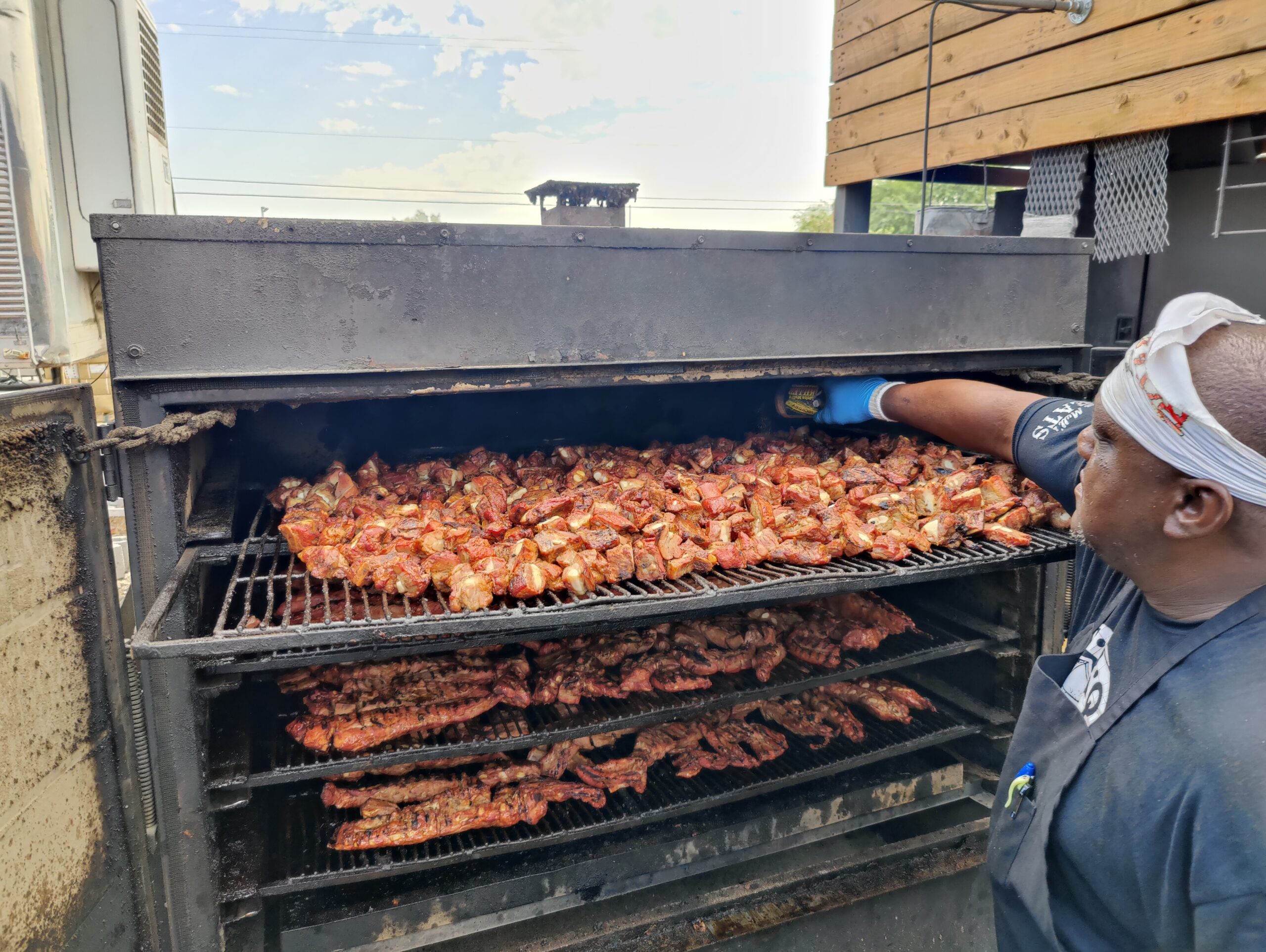
Smoking meat on a charcoal smoker enhances flavor through slow cooking. Begin by lighting the charcoal evenly. Arrange the meat on the grill, ensuring proper heat distribution for thorough smoking.
Smoking meat on a charcoal smoker is both an art and a science. Understanding smoking techniques is key to achieving tender, flavorful meat. Let’s explore the essential techniques to enhance your smoking skills.Direct Vs Indirect Heat
Direct heat involves placing meat directly above the coals. This method cooks meat faster. It is suitable for smaller cuts. Indirect heat, on the other hand, places meat away from the coals. This allows for slow, even cooking. It is ideal for larger cuts like brisket. Use a two-zone setup to switch between these methods easily.Maintaining Consistent Temperature
Maintaining a steady temperature is crucial for smoking. Use a thermometer to monitor the heat inside the smoker. Adjust the vents to control airflow and temperature. More air increases heat, less air cools it down. Consistent temperature ensures meat cooks evenly without drying out.Managing Smoke Levels
Too much smoke can overpower the meat’s flavor. Use wood chunks or chips sparingly. Soak wood chips in water before using them. This slows down burning and produces steady smoke. Aim for a thin, blue smoke for the best flavor. Thick, white smoke may result in a bitter taste.Timing And Monitoring
Timing and monitoring are the heartbeats of smoking meat on a charcoal smoker. Getting the timing right ensures your meat is juicy and tender, while careful monitoring keeps the smoke steady and the temperature perfect. Without these, even the best cuts can turn out dry or undercooked.
Using A Meat Thermometer
A reliable meat thermometer is your best friend during smoking. It tells you exactly when your meat reaches the ideal internal temperature, so you don’t have to guess or cut into it prematurely.
Insert the thermometer probe into the thickest part of the meat, avoiding bones or fat. Keep an eye on the temperature without opening the smoker too often, as each peek lets out heat and smoke.
Digital thermometers with wireless probes let you monitor from a distance, freeing you up to enjoy the process or prep your sides. Have you tried this kind of thermometer yet? It changes the smoking game.
Smoking Time Guidelines
Smoking times vary based on the type and size of meat. For example, brisket usually takes 1 to 1.5 hours per pound, while ribs might only need 4 to 6 hours total.
Keep a log of your smoking times and results to build your personal guide. Remember, factors like charcoal quality, smoker design, and outside temperature affect timing too.
Are you tracking your smoking times and results? This simple habit can turn good BBQ into great BBQ.
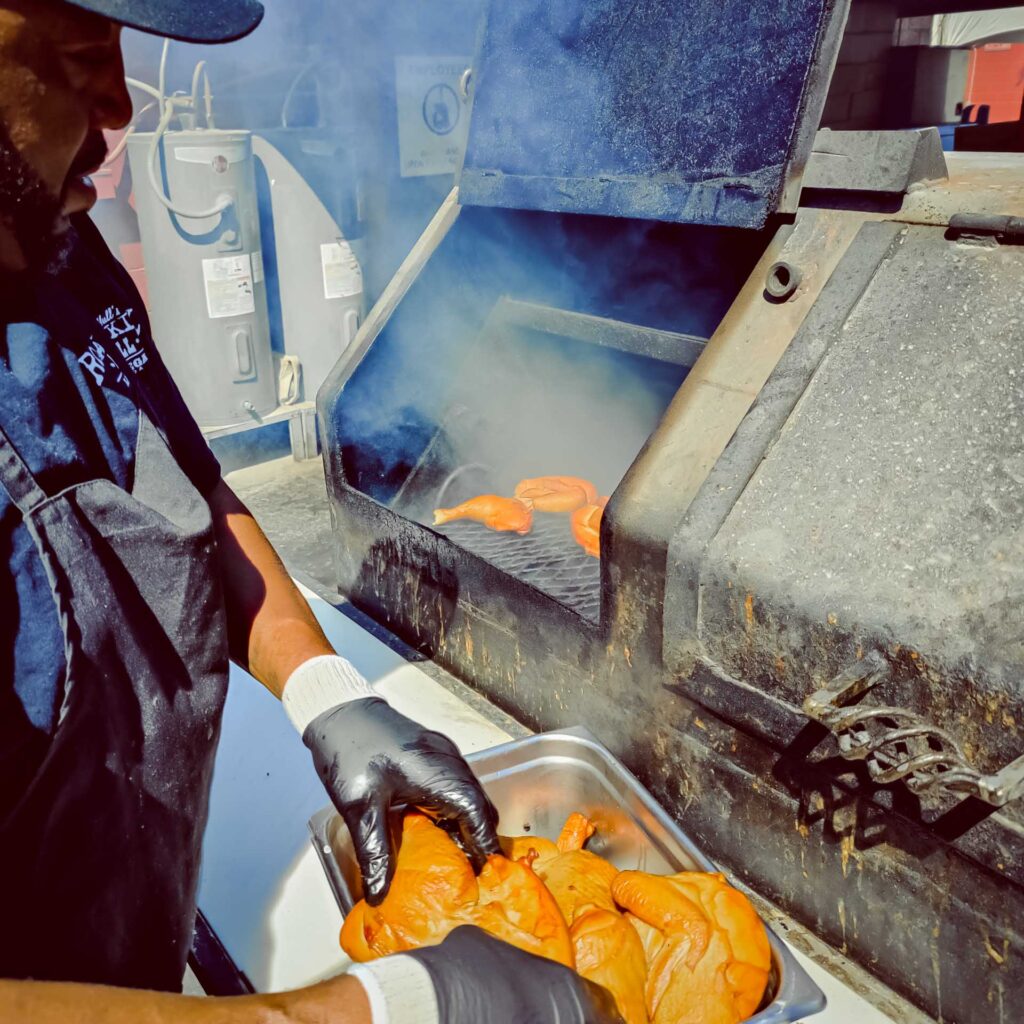
Resting The Meat
Resting is crucial after smoking. It lets the juices redistribute, making the meat moist and flavorful.
Wrap your meat in foil or butcher paper and let it rest for at least 20 to 30 minutes, depending on the cut size. Don’t skip this step—cutting too soon wastes all your hard work.
Think of resting as the final secret to perfect smoked meat. How long do you usually let your meat rest?
Credit: johnmullsmeatcompany.com
Enhancing Flavor
Enhancing flavor is key to great smoked meat. It makes the meat tasty and memorable. Small changes can bring big differences in taste. Flavor depends on wood, moisture, and spices. Balancing these elements creates rich and deep smoky notes. Let’s explore ways to boost flavor on your charcoal smoker.
Choosing Wood Chips
Wood chips give smoke its unique taste. Different woods create different flavors. Mild woods like apple and cherry add sweetness. Strong woods such as hickory and mesquite add boldness. Mix woods to find your perfect blend. Soak chips in water for 30 minutes before use. This slows burning and creates steady smoke.
Adding Moisture With Water Pans
Water pans keep meat moist during smoking. They prevent meat from drying out. Place a pan of water inside the smoker. The water creates steam, which helps tenderize meat. You can also add herbs or juices to water. This adds subtle extra flavors to the smoke.
Experimenting With Spices
Spices add another layer of flavor to smoked meat. Use rubs or marinades to season meat before smoking. Common spices include paprika, garlic powder, and black pepper. Try blending spices to match your taste. Remember, less is more to avoid overpowering the smoke flavor.
Troubleshooting Common Issues
Smoking meat on a charcoal smoker can sometimes feel like a delicate dance. You might face issues that challenge your patience and skill. Troubleshooting these common problems helps you keep your smoke sessions on track and your meat tasting amazing.
Avoiding Bitter Smoke
Bitter smoke often comes from using wet wood or too much charcoal at once. Make sure your wood chunks are dry and seasoned properly before adding them. Adding small amounts of wood gradually helps keep the smoke smooth and flavorful.
Have you noticed a sharp, unpleasant taste after smoking? It might be time to check the airflow. Too little oxygen causes incomplete combustion, which creates bitter smoke. Adjust the vents to let in just enough air for a clean burn.
Fixing Temperature Fluctuations
Temperature swings can ruin your smoke session. They happen when vents are opened or closed too quickly or when charcoal burns unevenly. Try adjusting the vents slowly and use a good-quality charcoal that burns steadily.
Keep a reliable thermometer handy and check it frequently. If the temperature drops, add small charcoal pieces gradually instead of a big pile all at once. This keeps the heat consistent and avoids sudden spikes or drops.
Preventing Dry Meat
Dry meat is one of the biggest frustrations in smoking. Avoid it by maintaining a steady temperature and smoking your meat low and slow. High heat dries out the meat quickly, so keep your smoker between 225°F and 250°F.
Another trick is to use a water pan inside the smoker. It adds moisture to the environment and helps keep the meat juicy. Don’t forget to baste or spritz your meat occasionally to lock in extra moisture.
Cleaning And Maintenance
Cleaning and maintenance keep your charcoal smoker ready for the next cookout. Proper care extends its life and improves the flavor of smoked meat. Regular cleaning stops buildup that can harm the smoker or affect taste. Maintenance ensures all parts work well and stay safe to use.
Cleaning Ash And Residue
Remove ash after every use to avoid blocking airflow. Use a small brush or scoop to clear the firebox and ash pan. Dispose of ash in a metal container to prevent fire hazards. Clean the cooking grates with a wire brush to remove grease and food bits. Wipe down the interior with a damp cloth to clear soot and residue.
Maintaining Smoker Parts
Check hinges, handles, and vents for rust or damage regularly. Apply heat-resistant oil to moving parts to keep them smooth. Inspect the charcoal grate for warping or cracks and replace if needed. Tighten screws and bolts to keep the smoker stable. Use a scraper to clean any stuck-on residue from the inside walls.
Storage Tips
Store your smoker in a dry, covered place to prevent rust. Use a weatherproof cover to protect it from rain and dust. Empty the ash and clean the smoker before storing for a long time. Keep the smoker off the ground on a pallet or stand to avoid moisture. Check the smoker monthly during storage to catch any issues early.
Credit: johnmullsmeatcompany.com
Frequently Asked Questions
How Long Does It Take To Smoke Meat On A Charcoal Smoker?
Smoking meat on a charcoal smoker typically takes 4 to 8 hours. The time varies based on meat type, size, and smoker temperature. Maintain a steady temperature of 225-250°F for best results. Patience ensures tender and flavorful smoked meat.
What Wood Chips Are Best For Charcoal Smoking?
Hickory, apple, cherry, and mesquite wood chips are popular choices. They add distinct smoky flavors to the meat. Choose wood chips based on the type of meat you are smoking. Always soak chips in water before use to prevent quick burning.
How Do You Maintain Temperature In A Charcoal Smoker?
Control airflow using the smoker’s vents to regulate heat. Add charcoal gradually to maintain steady temperature. Use a water pan inside to stabilize heat and add moisture. Regularly monitor with a reliable smoker thermometer for consistent cooking.
Can You Smoke Different Meats Together On A Charcoal Smoker?
Yes, you can smoke different meats together if their cooking times and temperatures are similar. Avoid mixing strong-flavored meats with delicate ones to prevent flavor transfer. Arrange meats properly for even heat exposure and smoke circulation.
Conclusion
Smoking meat on a charcoal smoker takes time and patience. Keep the temperature steady and add charcoal as needed. Use wood chips for extra flavor. Check the meat often but avoid opening the lid too much. Let the smoke do its work slowly.
The result is juicy, tender meat with a smoky taste. Practice makes perfect, so don’t give up after one try. Enjoy the process and the delicious meals it brings. Smoking meat is a great way to cook outdoors with friends and family.

