
Are you ready to make a real difference right from your home? Setting up a home recycling station is easier than you think, and it can transform the way you handle waste every day.
Imagine cutting down clutter, helping the environment, and even saving money—all with a simple system you create yourself. In this guide, you’ll discover clear, step-by-step tips to build an efficient recycling station that fits your space and lifestyle. Keep reading, and you’ll find out how small changes can lead to big rewards for you and the planet.
Choose The Right Location
Choosing the right location for your home recycling station is crucial to keep the process smooth and consistent. The spot you pick can encourage everyone in the household to participate regularly. Think about where you and your family spend most of your time and how easy it is to access the recycling bins.
Consider Accessibility
Place your recycling station where it’s easy to reach from the kitchen or main living areas. If the bins are tucked away in a hard-to-get spot, it’s tempting to skip sorting recyclables. I once moved my recycling bins closer to the kitchen door and noticed a big increase in how often my family recycled.
Accessibility also means considering who will use the station. If you have kids, make sure the bins aren’t too high or awkward to open. Think about guests or elderly family members, too. Can everyone get to the station without hassle?
Assess Space Availability
Measure the space you have before choosing containers. You want bins that fit comfortably without causing clutter. Crowding a small corner with big containers can make recycling feel like a chore.
Look for spots with enough room to separate materials easily—paper, plastics, glass, and compost. A narrow hallway may not work well if you need multiple bins. Instead, a pantry corner or garage wall might offer better space for organizing.
Ask yourself: How much room do you realistically have for recycling? Sometimes, a well-planned small area beats a large but awkward one. Your goal is a station that encourages recycling, not one that frustrates you every time you use it.
Credit: www.okonrecycling.com
Select Suitable Containers
Selecting the right containers is key for a functional home recycling station. Proper bins help keep recyclables organized and easy to sort. The containers should fit your space and handle the types of waste you produce. Choosing durable and easy-to-clean bins makes recycling simpler and more efficient.
Types Of Recycling Bins
Choose bins based on the materials you recycle most often. Common options include:
- Plastic bins:Lightweight and easy to carry.
- Metal bins:Durable and long-lasting.
- Stackable bins:Save space and keep your area tidy.
- Bins with lids:Help control odors and pests.
- Clear bins:Make it easy to see contents at a glance.
Pick containers that match your recycling needs and home space.
Labeling For Easy Sorting
Clear labels reduce mistakes and speed up sorting. Use simple words and pictures for quick recognition. Labels can be:
- Printed stickers with recycling symbols.
- Handwritten tags with material names.
- Color-coded labels matching local recycling rules.
Place labels where they are easy to see, like on the front or top of bins. This helps everyone in your home recycle correctly every time.
Organize By Material
Organizing your home recycling station by material makes sorting easier and speeds up the recycling process. It helps prevent contamination, which can ruin entire batches of recyclables. When you separate items correctly, you contribute to a more efficient recycling system and reduce waste that ends up in landfills.
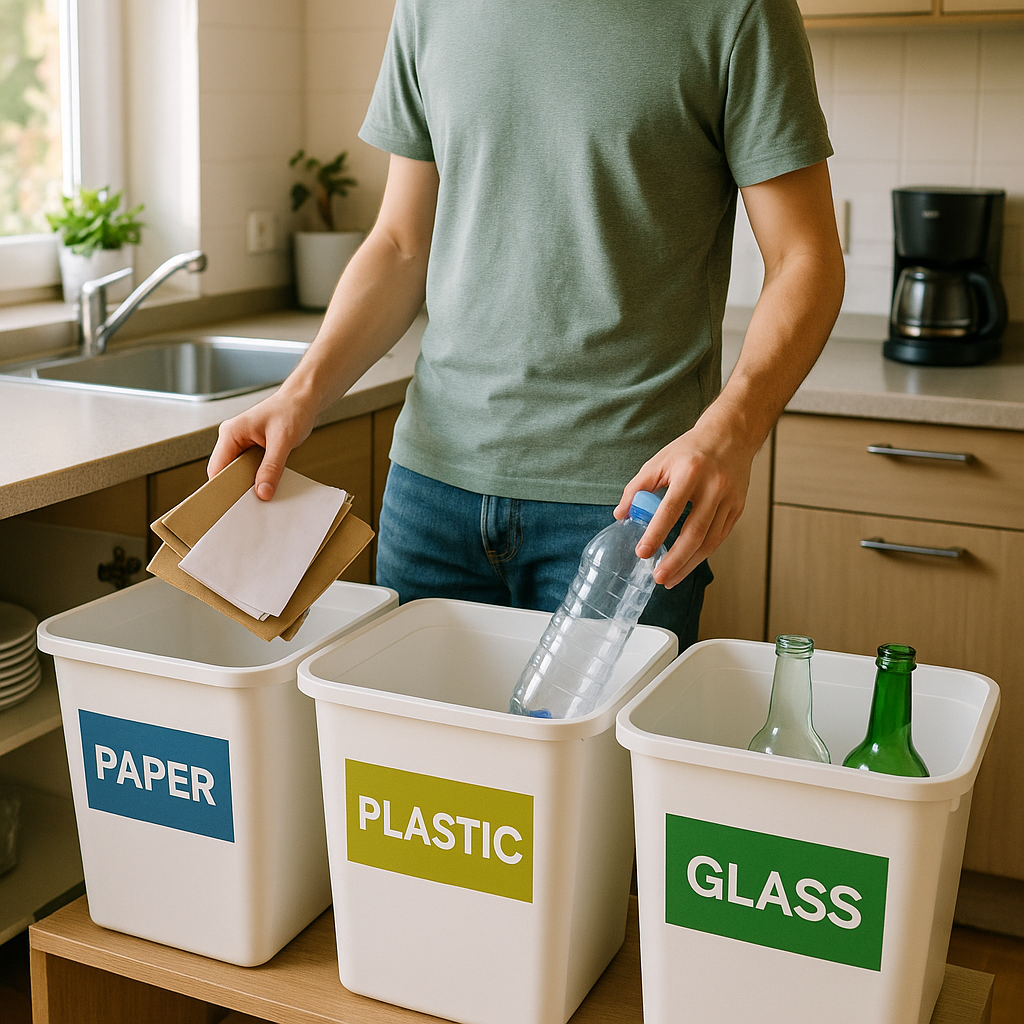
Separate Paper, Plastic, And Glass
Start by designating clear bins or containers for paper, plastic, and glass. Label each container with bold text or pictures to avoid confusion. You might be surprised how much paper waste you generate—from newspapers to packaging—so keep your paper bin easily accessible.
Plastic items vary widely, so check your local guidelines on which types are accepted. Rinse out containers to remove food residue before placing them in the plastic bin. Glass bottles and jars should be sorted by color if your recycling center requires it.
Have you noticed how much packaging you throw away daily? Organizing by material helps you see patterns and reduce waste before it even reaches the bin.
Manage Hazardous Waste
Hazardous waste like batteries, paint, and electronics need special handling and shouldn’t mix with regular recyclables. Create a separate, secure spot in your home for these items to keep them safe and prevent leaks or harm.
Find local drop-off points or collection events for hazardous waste disposal. This step protects your family and the environment from harmful chemicals. Keeping hazardous waste separate also helps you stay organized and responsible.
Have you checked what hazardous materials you have lying around? Taking control of this waste can be a simple but powerful habit to add to your recycling routine.
Credit: www.ewswa.org
Create A Sorting Routine
Creating a sorting routine is key to making your home recycling station efficient and stress-free. It helps everyone in the household know exactly what to do and when to do it. Without a routine, recycling can easily become a confusing chore that gets ignored.
Set Collection Days
Knowing your local recycling collection days is essential. Mark these days clearly on a calendar or set reminders on your phone. This simple step keeps you from letting recyclables pile up and turning your station into a cluttered mess.
Try to align your sorting routine around these collection days. For example, sort recyclables the evening before pickup to avoid last-minute rushes. This habit ensures your recycling is always ready and prevents you from throwing recyclable items into the trash accidentally.
Involve Family Members
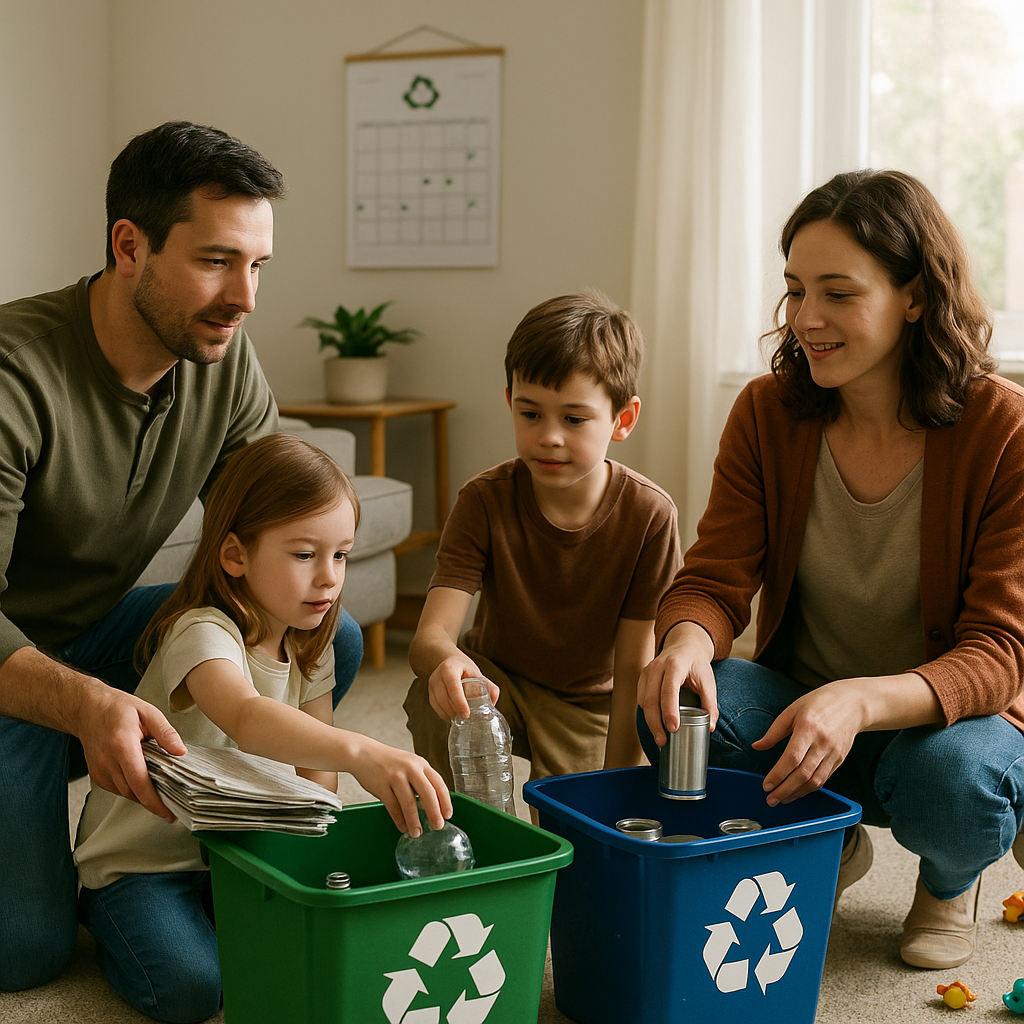
Getting everyone on board makes the sorting routine easier and more consistent. Assign simple roles like rinsing containers, flattening boxes, or placing items in the correct bins. These small tasks add up and spread the responsibility across the household.
Discuss with your family why recycling matters and ask for their ideas on improving the process. When people understand the impact of their actions, they’re more likely to stick to the routine. Plus, involving kids can turn recycling into a fun, educational activity rather than a boring chore.
What’s one small change you can ask your family to do today to make sorting easier?
Maintain Cleanliness
Keeping your home recycling station clean is key to making recycling a hassle-free habit. A tidy station not only looks inviting but also prevents pests and unpleasant smells from taking over your space. Maintaining cleanliness encourages everyone in the household to participate consistently and correctly.
Regular Cleaning Tips
Clean your recycling bins at least once a week to avoid buildup of dirt and residue. Use warm water and mild soap to scrub the inside and outside of each bin. Rinse thoroughly and let them dry completely before putting liners back in.
Don’t forget to wipe down the surrounding area where the bins sit. Dust and spills can accumulate quickly, making the space unattractive and unhygienic. A quick daily wipe with a damp cloth can save you from bigger cleaning jobs later.
Preventing Odors
Smelly recycling bins can discourage you from recycling regularly. To keep odors at bay, rinse out containers like milk cartons and juice bottles before tossing them in. This simple step cuts down on leftover food and liquid that cause bad smells.
Try adding natural odor absorbers such as baking soda or charcoal sachets at the bottom of your bins. These are inexpensive and effective ways to neutralize odors without harsh chemicals. Have you noticed how a pinch of baking soda freshens up your fridge? It works just as well here.
Keeping your recycling station clean is easier than you think. What small changes can you make today to keep your space fresh and inviting?
Educate And Motivate
Educating and motivating everyone in the household is key to a successful home recycling station. Clear understanding and positive attitude make recycling easier and more effective.
Sharing simple facts about recycling benefits helps build awareness. Motivation grows when each person sees how their actions impact the environment. Keeping the message clear and friendly encourages participation and care.
Use Visual Aids
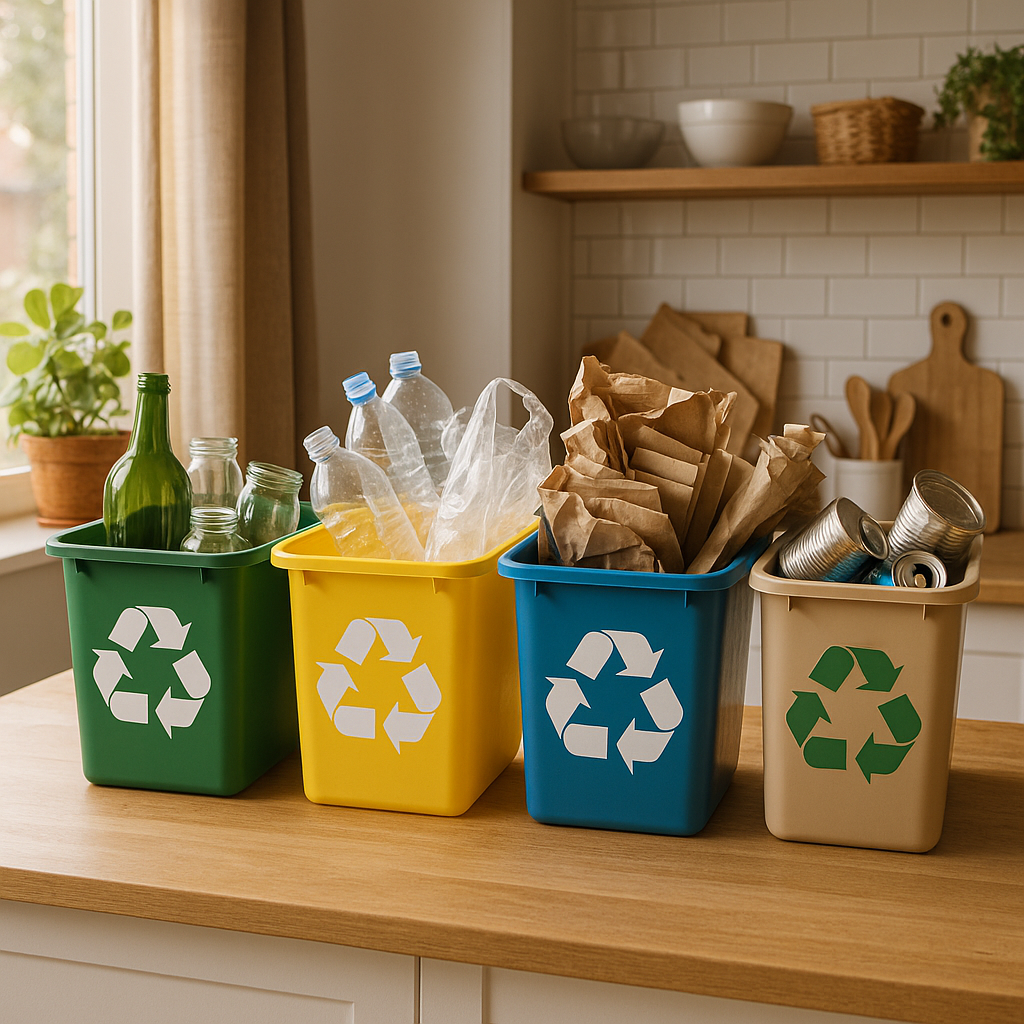
Visual aids help explain recycling rules quickly. Color-coded bins reduce confusion and sort waste correctly.
- Place labels with images on each bin.
- Use charts showing what items go where.
- Display posters with easy recycling tips.
Visual cues save time and reduce mistakes. They make recycling a clear and simple task for all ages.
Encourage Consistency
Consistent recycling habits create lasting change. Make recycling part of daily routines.
- Set specific times to empty bins.
- Remind family members with gentle notes.
- Celebrate small wins to keep spirits high.
Regular practice builds confidence and responsibility. Keep the process simple to maintain steady participation.
Connect With Local Recycling Services
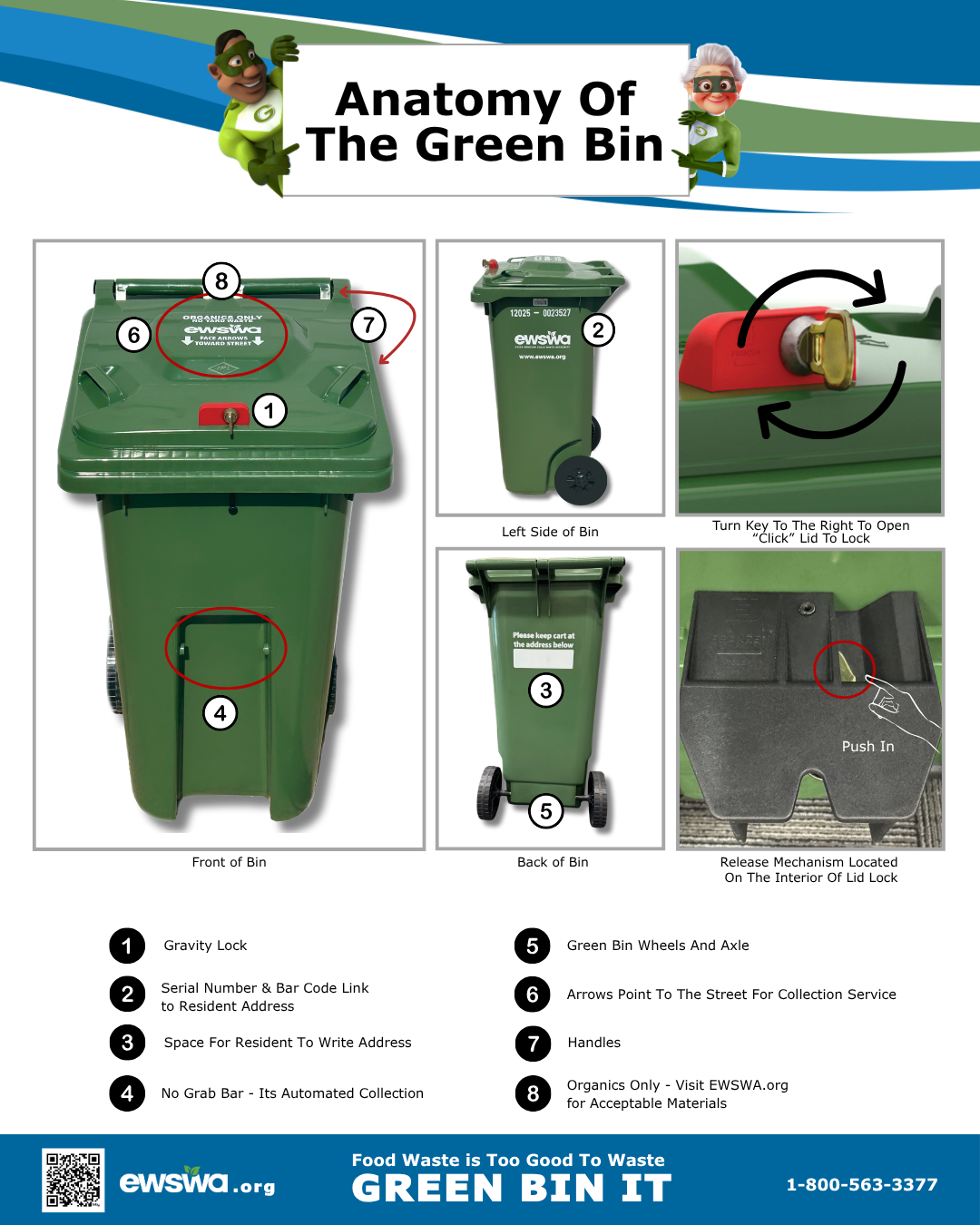
Setting up a home recycling station is more than just placing bins in your kitchen; it’s about creating a system that works for you and your community. A crucial part of this process is connecting with local recycling services. Understanding their offerings can optimize your recycling efforts and ensure you’re doing your part effectively. Let’s dive into how you can collaborate with these services to make your recycling station a success.
Find Pickup Options
Start by researching the recycling pickup options available in your area. Many local services offer scheduled pickups, which can save you time and hassle. Check your local government’s website or contact them directly for detailed information about their pickup schedules.
Some areas might offer free pickup, while others might charge a small fee. Compare these options to find one that suits your needs. Ask neighbors about their experiences to gather insights and tips that aren’t easily found online.
Understand Accepted Materials
Knowing which materials your local service accepts is vital. It prevents contamination and ensures that your recyclables are actually recycled. Commonly accepted items include paper, cardboard, glass, and certain plastics, but these can vary by location.
Reach out to your local recycling center for a comprehensive list of accepted materials. Some services might even provide a handy guide or app to help you sort correctly. Have you ever tossed an item in the bin, unsure if it was recyclable? Understanding accepted materials can eliminate that uncertainty.
Regularly review this list, as recycling standards and capabilities can change. Stay informed to keep your recycling station effective and compliant with local regulations.
Credit: www.okonrecycling.com
Frequently Asked Questions
What Materials Should I Include In My Home Recycling Station?
Include paper, plastics, glass, and metals in your recycling station. Check local rules for specific accepted items. Separate hazardous waste like batteries and electronics separately.
How Do I Organize Bins For Efficient Recycling At Home?
Use labeled bins for each material type. Place bins in a convenient area. Keep lids or covers to avoid contamination and odors.
How Often Should I Empty My Home Recycling Station?
Empty bins weekly or when full. Regular emptying prevents odors and pests. Follow your local recycling pickup schedule for best results.
Can I Recycle Food Waste In My Home Recycling Station?
Food waste is usually composted, not recycled. Set up a separate compost bin for food scraps. This reduces landfill waste and enriches soil.
Conclusion
Setting up a home recycling station helps protect the environment. It saves space and keeps your home tidy. Use clear bins to sort plastics, paper, and glass. Label each container to avoid confusion. Teach family members how to recycle right.
Small steps make a big difference over time. Start today to build good recycling habits. Your effort helps create a cleaner, greener world. Simple actions lead to lasting change. Keep recycling easy and consistent for best results.

