
If you’ve ever struggled with keeping your firewood dry and ready to use, you know how important it is to secure your tarp properly. A loose or poorly tied tarp can let rain and snow sneak in, ruining your wood and leaving you cold when you need it most.
But don’t worry—securing your tarp over firewood doesn’t have to be a hassle. In this guide, you’ll learn simple, effective steps to protect your wood from the elements. By the end, you’ll have the confidence to keep your firewood dry and ready all season long.
Keep reading to discover easy tricks that save your wood and your time.
Credit: cordwoodcovers.com
Choosing The Right Tarp
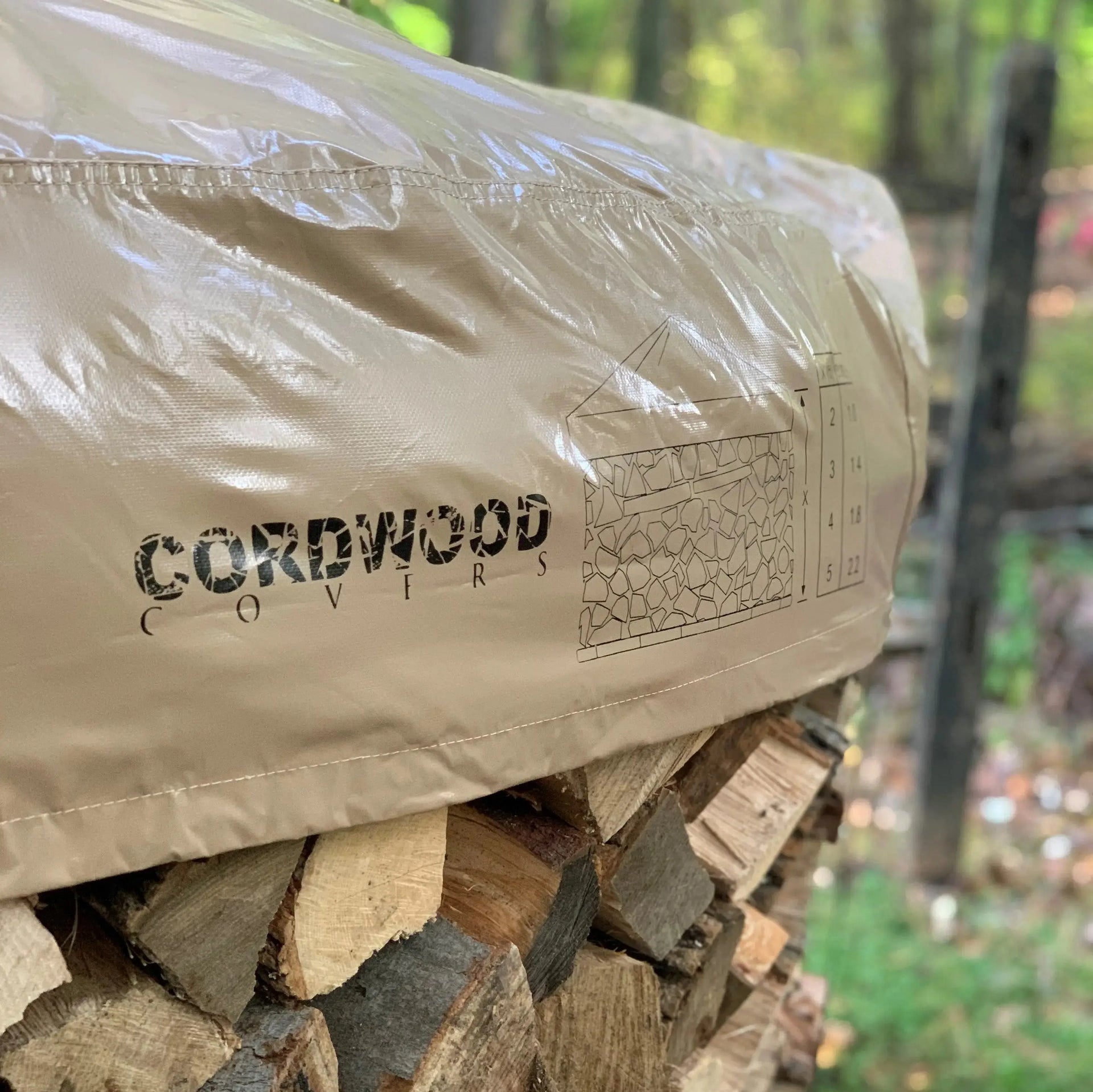
Choosing the right tarp is crucial to protecting your firewood from moisture and weather damage. A good tarp keeps your wood dry and ready to burn, saving you time and effort. But with so many options, how do you find the perfect one for your needs?
Material Types
Tarp materials vary widely, affecting durability and water resistance. Polyethylene tarps are popular for their affordability and decent waterproofing. Canvas tarps offer breathability but may absorb moisture, which could affect your wood.
Think about where you’ll store your wood. If it’s exposed to heavy rain or snow, a polyethylene tarp with reinforced edges might serve you better. On the other hand, if your woodpile is under a covered shelter, a lighter canvas tarp could suffice.
Size And Thickness
Size matters because an ill-fitting tarp leaves gaps where water can sneak in. Measure your woodpile’s length, width, and height, then add extra feet for secure coverage. A tarp that’s too small forces you to double up, which can be cumbersome.
Thickness is usually measured in mils (thousandths of an inch). A thicker tarp (around 10-12 mil) offers better puncture resistance and durability. Thinner tarps might tear easily, especially if you’re handling rough or heavy wood stacks frequently.
Waterproof Features
Not all tarps labeled “waterproof” perform equally. Look for tarps with a waterproof coating or laminated layers to ensure no water seeps through. Sealed seams add an extra barrier against leaks, especially during heavy storms.
Consider how long you plan to store your firewood. If it’s for months at a time, investing in a tarp with strong waterproof features pays off. Have you noticed water pooling on your current tarp? That’s a clear sign it might be time for an upgrade.

Credit: cordwoodcovers.com
Preparing Firewood For Covering
Preparing firewood for covering ensures it stays dry and ready to use. Proper preparation helps the wood dry out and prevents mold or rot. Taking time to prepare firewood correctly makes covering it with a tarp easier and more effective.
Stacking Techniques
Stack firewood in neat, even rows. Keep the pile stable to avoid collapse. Use a crisscross pattern at the ends for better support. Avoid stacking wood directly on the ground. Place pallets or boards underneath to keep it dry.
Allowing Airflow
Leave space between wood pieces for air to move freely. Good airflow speeds up drying and stops moisture buildup. Avoid tightly packed piles that trap humidity. Stack wood in a way that lets wind pass through the stack.
Selecting Location
Choose a dry, sunny spot for your firewood pile. Avoid low areas where water collects. Place the stack away from walls or fences to allow airflow. Keep the pile close enough for easy access but clear of heavy foot traffic.
Securing The Tarp Effectively
Securing a tarp over firewood keeps it dry and ready to use. A loose tarp can let rain or snow damage the wood. Proper fastening stops the tarp from blowing away in the wind. Use simple tools and tricks to hold the cover tight. This section shows easy ways to secure your tarp well.
Using Bungee Cords And Ropes
Bungee cords stretch and hold the tarp firmly. Hook them to the tarp grommets for a tight fit. Ropes work well for a stronger grip. Tie ropes around the firewood stack and pull the tarp tight. Use knots like the bowline or trucker’s hitch for safety. These fasteners adjust easily and prevent slipping.
Anchoring With Stakes
Stakes push into the ground to hold the tarp edges. Place stakes at each corner of the tarp. Attach the tarp’s grommets to the stakes with ropes or bungee cords. This method stops the tarp from lifting on windy days. Use metal or plastic stakes for better grip. Hammer stakes deep to avoid loosening.
Weighting The Edges
Heavy objects stop the tarp edges from moving. Use bricks, stones, or logs along the sides. Spread weights evenly to keep the cover tight all around. This method works best on hard surfaces without soft soil. It adds extra security when combined with cords or stakes. Keep weights clean to avoid dirt on the firewood.
Preventing Moisture And Mold
Cover firewood with a tarp tightly to keep rain and moisture out. Leave space at the bottom for air to flow and prevent mold growth. Secure edges well to stop wind from lifting the tarp.
Preventing moisture and mold is crucial when securing a tarp over your firewood. Moisture can quickly ruin your stack, leading to mold growth that not only damages the wood but can also cause health issues. A well-covered stack ensures your wood remains dry and ready to burn, especially during those chilly winter nights when you need it most.Elevating The Stack
To keep your firewood dry, elevate the stack off the ground. This prevents ground moisture from seeping into the wood. Use pallets, bricks, or a sturdy rack to lift the wood. Elevation allows air to circulate beneath, helping to keep the wood dry. I once used old wooden pallets to elevate my stack, and it significantly reduced the dampness. What can you use to achieve similar results?Checking For Gaps
Ensure your tarp is securely fastened without leaving any gaps. Gaps can let rainwater seep in, defeating the purpose of the tarp. Use bungee cords, rope, or even heavy stones to weigh down the edges. Check the tarp regularly for any signs of wear or tear. A small hole can quickly become a big problem during a rainstorm. Remember, a snug fit is key to keeping your firewood dry.Regular Maintenance
Regular maintenance of your tarp setup is essential. Check the tarp for any signs of damage or sagging. Adjust as needed to ensure it remains tight and secure. After a storm, take a moment to inspect your setup. Is the tarp still securely in place? Is any wood exposed? These small checks can save you from losing your firewood to mold and moisture. Do you have any tips or tricks for maintaining your tarp over firewood? Sharing your experiences can help others keep their wood dry and ready to use.Seasonal Adjustments
Adjusting your tarp over firewood with the seasons keeps your wood dry and ready to use. Each season has unique weather challenges. Preparing your tarp properly helps protect your wood from moisture and damage. Change your covering style based on weather patterns to maintain good air flow and coverage.
Winter Protection Tips
In winter, snow and ice can weigh down your tarp. Use a heavy-duty tarp to prevent tearing. Secure the tarp tightly with strong ropes or bungee cords. Create a peak or slope to let snow slide off easily. Raise the tarp edges slightly to allow air circulation and prevent moisture buildup underneath.
Handling Windy Conditions
Strong winds can blow your tarp away or damage the firewood stack. Tie down the tarp at multiple points with durable cords. Use stakes or heavy objects to anchor the tarp edges firmly. Avoid loose tarp sections that can flap and tear. Check the tarp regularly after windy days and tighten any loose areas.
Summer Storage Advice
Summer heat and rain require a different approach. Use a breathable tarp or cover with ventilation holes. Keep the tarp off the ground to avoid moisture absorption. Secure the tarp loosely to allow air to flow and dry the wood. Remove the tarp during long dry spells to let the wood season naturally.
Common Mistakes To Avoid
Securing a tarp over your firewood might seem straightforward, but certain mistakes can reduce its effectiveness and even damage your woodpile. Avoiding these common errors will help keep your firewood dry, well-ventilated, and ready to burn. Let’s look at some pitfalls you should watch out for.
Overtightening The Tarp
It’s tempting to pull the tarp tight to prevent it from flapping in the wind, but overtightening can cause more harm than good. When the tarp is stretched too tightly, it can tear easily or put undue pressure on your firewood stack.
I once saw a tarp rip after a strong gust because it was stretched like a drum. Instead, leave a little slack to allow the tarp to move with the wind without ripping. This also helps prevent water from pooling on top.
Ignoring Ventilation
You might think covering your wood completely is the best way to keep it dry, but blocking airflow can trap moisture and cause mold or rot. Firewood needs air to dry out properly, so ventilation is key.
Try leaving the sides of your tarp slightly open or use a breathable tarp material. Have you noticed how damp firewood smells musty? That’s a sign you need better airflow around your stack.
Using Inappropriate Materials
Choosing the wrong tarp or fasteners can lead to wasted effort and damaged wood. Thin plastic tarps can tear easily, while tarps without UV protection degrade quickly under sun exposure.
Opt for a heavy-duty, UV-resistant tarp and sturdy bungee cords or ratchet straps to keep it secure. Using nails or staples might seem like a quick fix, but they can damage your wood or tarp.
Credit: cordwoodcovers.com
Frequently Asked Questions
How Do I Secure A Tarp Over Firewood Effectively?
To secure a tarp over firewood, use bungee cords or ropes to tie it tightly. Ensure the tarp covers the entire stack, and leave some space for air circulation to prevent moisture buildup and mold.
What Is The Best Tarp Material For Covering Firewood?
Polyethylene tarps are best for covering firewood. They are waterproof, durable, and resistant to UV damage. These properties protect firewood from rain and sun, keeping it dry and ready to use.
How Much Tarp Overlap Is Needed For Firewood Stacks?
A 12 to 18-inch overlap on all sides is ideal. This coverage protects the wood from rain and wind. Make sure the tarp is securely fastened to avoid flapping or shifting during storms.
Can I Use Pallets Under Firewood Before Covering With A Tarp?
Yes, placing pallets under firewood keeps it off the ground. This prevents moisture absorption and allows air to circulate, reducing the risk of rot and decay when covered with a tarp.
Conclusion
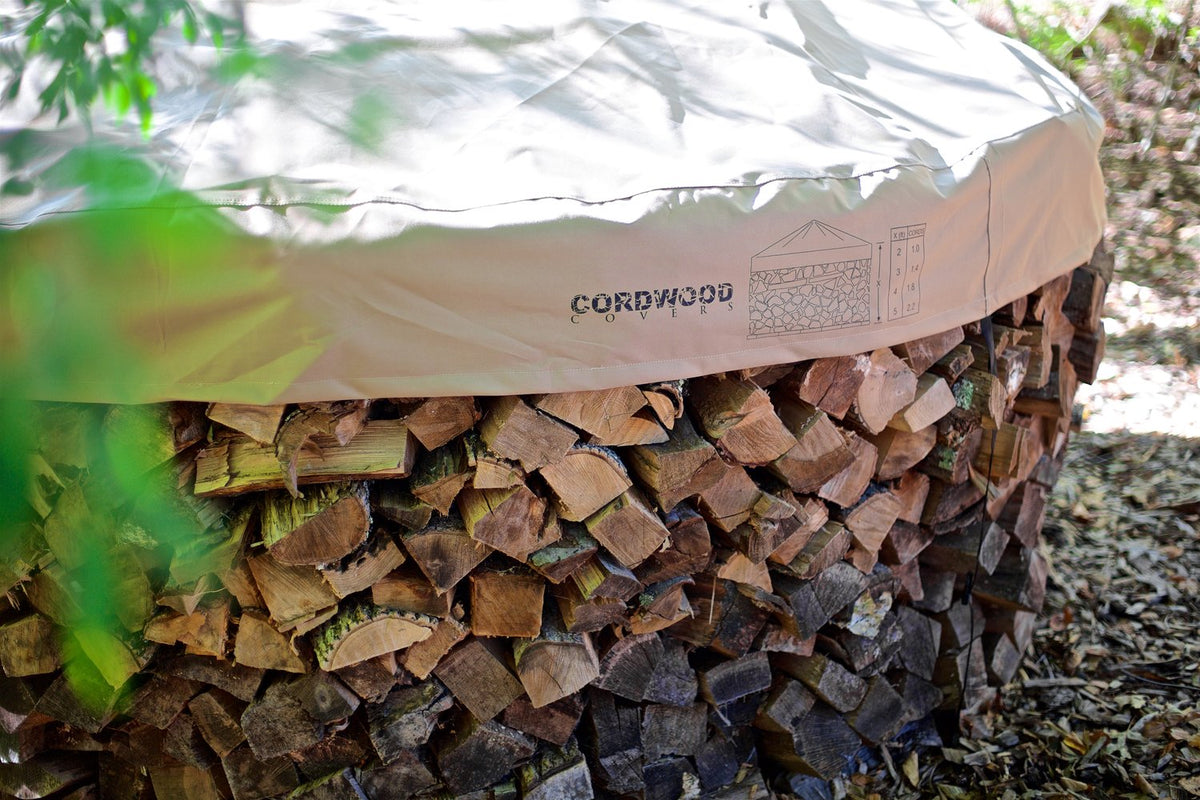
Securing a tarp over firewood keeps it dry and ready to burn. Use strong ropes or bungee cords to hold the tarp tight. Make sure the tarp covers the wood fully but allows air to flow underneath. This prevents mold and rot.
Check the tarp often, especially after wind or rain. A well-covered woodpile saves time and effort when you need firewood. Keep your firewood protected for a warm, cozy fire every time. Simple steps lead to better wood storage. Easy and effective.

