
Is your pond losing water faster than it should? Those annoying leaks can turn your peaceful water garden into a constant maintenance hassle.
But don’t worry—you don’t have to drain the whole pond or call expensive professionals right away. In this guide, you’ll discover simple, effective ways to find and seal leaks in your pond. By taking these easy steps, you’ll save water, protect your plants and fish, and enjoy your beautiful pond without stress.
Ready to fix those leaks and restore your pond’s perfect balance? Let’s dive in!
Identifying Pond Leaks
Identifying leaks in your pond is the first step toward fixing the problem effectively. Leaks can drain your pond water, harm aquatic life, and waste precious resources. Detecting these leaks early helps you save time and money on repairs.
Common Signs Of Leaks
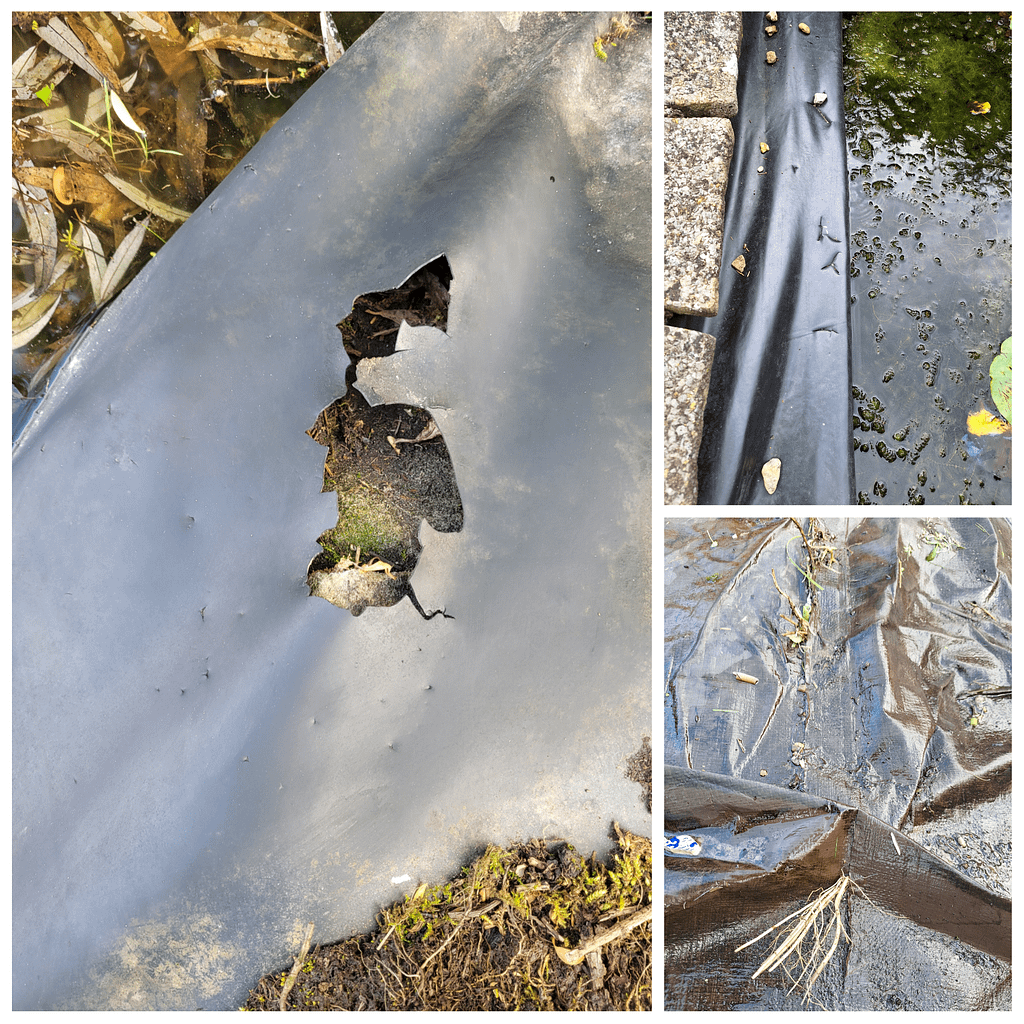
Look for water levels dropping faster than usual, even without evaporation from heat or wind. Patches of damp soil or soggy areas around the pond’s edge often point to hidden leaks. You might also notice cracks or tears in the pond liner or uneven water flow around the pond perimeter.
Sometimes, algae growth increases in specific spots where water seeps out, creating a perfect breeding ground. Fish behavior can also be a clue—if they cluster near the pond’s center or avoid certain edges, it might mean the water is shallower due to leaks. Have you checked your pond edges lately for unusual wetness or erosion?
Tools For Leak Detection
Simple tools like a bucket can help you measure water loss. Fill the bucket with pond water, mark the level, then place it in the pond. Compare how much water evaporates inside the bucket versus the pond to confirm if the loss is from a leak.
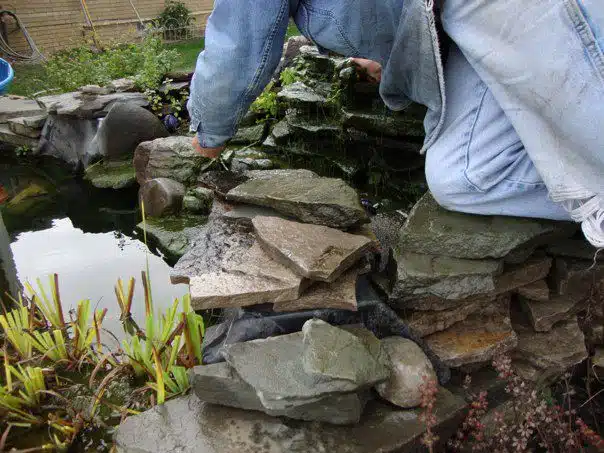
A waterproof dye or food coloring can trace leaks effectively. Add a few drops near suspect areas and watch if the color moves outside the pond. You can also use a pressure test kit if your pond has a liner to find holes.
For larger ponds, infrared cameras or moisture meters can detect hidden wet spots in the soil. These tools save you from digging blindly and help pinpoint the exact leak location quickly. Have you tried any of these tools before? They make leak hunting less frustrating and more precise.
Credit: ponderingwaters.com
Preparing The Pond For Repair
Preparing the pond for repair is a crucial step before sealing any leaks. Proper preparation ensures the repair materials stick well and last longer. It involves removing water and cleaning the pond surface thoroughly. This process creates a dry, clear area to work on.
Draining The Pond
Drain the pond water to expose the leak area. Use a pump or bucket to remove water slowly. Avoid rushing to prevent damage to the pond structure. Lowering the water level helps spot hidden cracks or holes. Keep some water in deeper ponds to protect fish and plants temporarily.
Cleaning The Pond Surface
Clear dirt, algae, and debris from the pond surface. Use a brush or scraper to remove slimy layers. Wash the surface with clean water and allow it to dry completely. A clean surface improves sealant adhesion and repair success. Removing old sealant or damaged liner parts is also essential.
Sealing Methods For Pond Leaks
Sealing leaks in a pond requires choosing the right method for your pond’s size and condition. Several effective options exist to stop water loss and protect your pond’s ecosystem. Each method has unique benefits suited for different pond types and leak sizes.
Using Pond Sealants
Pond sealants are liquid products that fill cracks and holes. They create a waterproof barrier that stops water from escaping. These sealants are easy to apply with a brush or spray. They dry quickly and bond well with concrete or stone surfaces. Use sealants on small leaks or minor cracks for fast repair.
Applying Bentonite Clay
Bentonite clay swells when wet, creating a natural seal. Spread a layer of dry bentonite on the pond bottom. As water soaks in, the clay expands and blocks leaks. This method is eco-friendly and safe for plants and fish. Bentonite works best for earthen ponds with soft soil bases.
Installing A Pond Liner
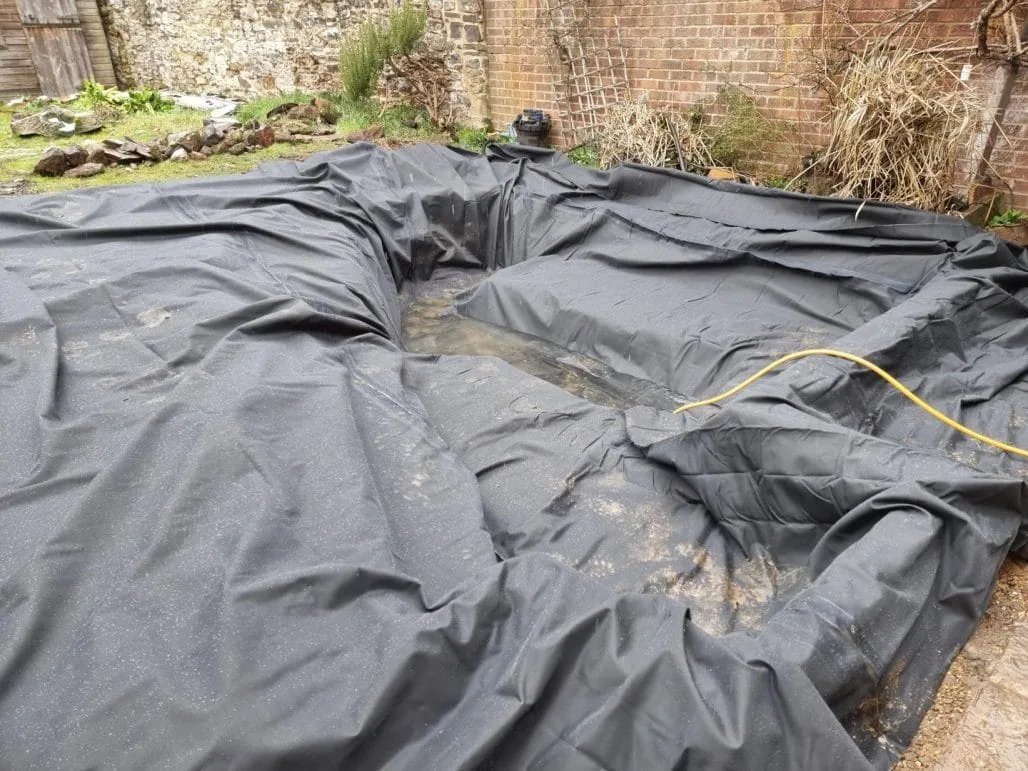
Pond liners are flexible sheets that line the entire pond surface. They provide a strong, waterproof barrier that stops leaks completely. Liners come in materials like PVC, rubber, or polyethylene. Installation involves clearing debris, leveling the surface, and carefully placing the liner. This method suits new ponds or ponds with large leaks.
Tips For Ensuring Long-lasting Repairs
Ensuring that pond leak repairs last requires ongoing care and attention. Simple efforts can protect your repair work from damage and wear. Follow these tips to keep your pond in great shape for years.
Regular Maintenance Practices
Check your pond edges and bottom for signs of wear or damage. Remove debris like leaves and sticks that can hide leaks or cause damage. Keep pond plants trimmed to avoid root damage near repair areas. Maintain water levels to prevent stress on the pond liner or seal. Clean filters and pumps regularly to ensure smooth water flow. Use a pond liner patch kit for small tears found during routine checks.
Seasonal Inspection Routines
Inspect the pond thoroughly at the start of each season. Look for cracks or weak spots caused by temperature changes. Check seals around pipes, fountains, and liners for tightness. Freeze and thaw cycles can open hidden leaks, so check carefully. Make repairs promptly to avoid bigger problems later. Keep a repair log to track issues and fixes each season.
Common Mistakes To Avoid
Sealing leaks in your pond might seem straightforward, but many run into avoidable issues that make the process harder or less effective. Recognizing common mistakes can save you time, effort, and frustration. Are you sure your approach isn’t causing more harm than good?
Overlooking Minor Leaks
Small leaks often appear harmless, but ignoring them can lead to bigger problems. Water loss adds up over time and can cause erosion or damage to your pond’s structure.
I once ignored a tiny seep near a pond liner wrinkle, thinking it was insignificant. Weeks later, the water level dropped dramatically, and I had to redo the entire sealing job. Don’t let a minor leak turn into a major headache—inspect your pond thoroughly.
Ask yourself: Have you checked every inch of your pond for even the smallest drip or damp spot?
Using Inappropriate Materials
Choosing the wrong sealing materials can ruin your efforts and even harm your pond’s ecosystem. Some adhesives or sealants may not bond well with your pond liner or could be toxic to fish and plants.
Once, a friend used a standard household silicone sealant without checking its suitability for aquatic use. It failed quickly and released chemicals into the water, affecting the pond life.
Make sure you use products specifically designed for pond repair—these are tested for durability and safety. Double-check product labels and reviews to avoid costly mistakes.

Credit: www.amazon.com
Choosing The Right Products
Choosing the right products to seal leaks in your pond is key to a lasting fix. The material must suit your pond type and leak size. It also has to be safe for plants and animals living in the water. The wrong product may cause more damage or require frequent repairs.
Consider the environmental impact and your budget. Some products last longer but cost more. Others are cheaper but need reapplication. Picking the right product balances effectiveness, safety, and cost.
Eco-friendly Options
Eco-friendly sealants protect your pond’s ecosystem. They avoid harmful chemicals that can hurt fish and plants. Many use natural ingredients or biodegradable materials. These sealants work well on small cracks and leaks.
- Clay liners: Natural clay forms a tight seal under water.
- Bentonite: Swells when wet, sealing leaks naturally.
- Plant-based sealants: Safe and degrade over time.
These choices keep your pond healthy and reduce pollution. They may need more frequent checks and touch-ups.
Cost-effective Solutions
Cost-effective products save money upfront and last long. They suit larger ponds or serious leaks. Many are synthetic but safe if used correctly.
- Butyl rubber liners: Durable and flexible for big leaks.
- Epoxy sealants: Strong and waterproof for cracks.
- Polyurethane sealants: Expand to fill gaps quickly.
These products require proper application to avoid damage. They often need professional help but reduce repair frequency.
Consulting Professionals
Knowing when to bring in a professional can save your pond from further damage and costly repairs. Pond leaks can sometimes be tricky to fix, especially if you don’t have the right tools or experience. Consulting a specialist ensures that the problem is identified accurately and dealt with efficiently.
When To Seek Expert Help
If your pond’s leak is persistent and you can’t locate the source despite your efforts, it’s time to call in an expert. Sudden drops in water levels after rainfall or continuous seepage might indicate structural issues that need professional assessment.
Complex liners, underground plumbing, or large ponds often require specialized tools and knowledge. Attempting repairs without proper understanding can worsen the leak or cause new problems.
Ask yourself: Have you noticed erosion around the pond edges? Or perhaps algae growth that suddenly increased? These signs often point to hidden leaks that professionals can detect with advanced techniques.
Questions To Ask A Pond Repair Specialist
- What experience do you have with pond leak repairs?Understanding their background helps you gauge if they can handle your specific issue.
- What methods do you use to identify and fix leaks?Knowing their approach gives you confidence in their skills.
- Can you provide references or examples of past work?Real success stories demonstrate reliability and quality.
- How long will the repair take, and what’s the expected lifespan of the fix?This helps set realistic expectations for maintenance.
- Are there any warranties or guarantees offered?A trustworthy specialist will stand behind their work.
Taking time to ask these questions will help you choose the right professional and avoid unnecessary expenses. Don’t hesitate to inquire; your pond’s health depends on it.
Credit: www.aquapond.co.uk
Frequently Asked Questions
How Do I Identify Leaks In My Pond?
Check water levels daily to spot drops. Inspect liner edges and corners for holes or tears. Look for wet spots or soggy soil around the pond perimeter. Use food coloring near suspected leaks to trace water flow and locate the exact leak source quickly and effectively.
What Materials Are Best For Sealing Pond Leaks?
Use pond-safe sealants like bentonite clay, pond liners, or epoxy putty. Bentonite expands when wet, sealing gaps naturally. Flexible liners prevent future tears. Epoxy putty works well on small cracks. Choose materials that are non-toxic to aquatic life for safe pond repair.
Can I Fix Pond Leaks Without Draining Water?
Small leaks can be patched underwater using specialized pond repair kits. Clean the damaged area thoroughly before applying sealant. For larger leaks, partial draining may be necessary. Always follow product instructions to ensure a secure, long-lasting seal without harming fish or plants.
How Often Should I Inspect My Pond For Leaks?
Inspect your pond monthly, especially after heavy rain or drought. Regular checks help detect leaks early, reducing water loss and damage. Maintain pond edges and liner condition to prevent leaks. Early detection ensures cost-effective repairs and a healthy pond environment.
Conclusion
Sealing pond leaks keeps your water clear and safe. Choose the right materials for your pond type. Clean the area well before applying any sealant. Small leaks need quick attention to avoid bigger problems. Regular checks help catch leaks early and save water.
Fixing leaks yourself saves money and effort. A sealed pond supports healthy plants and fish. Keep your pond beautiful and functional year-round. Simple steps make a big difference in pond care. Start sealing leaks today for a better pond tomorrow.

