
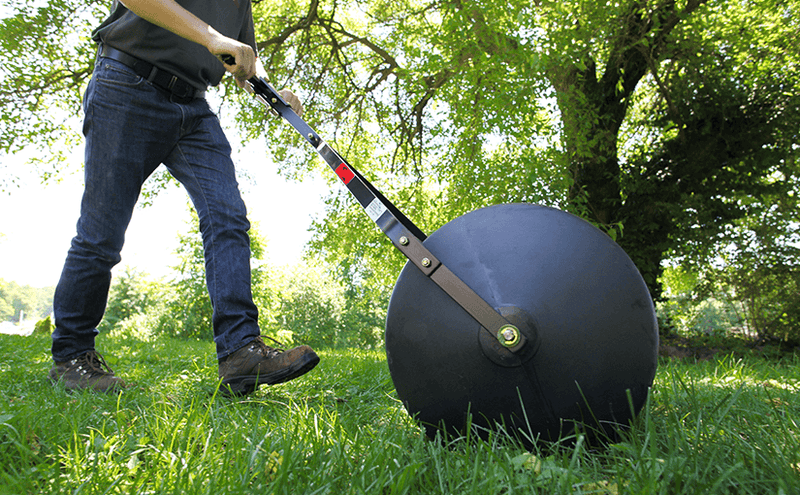
Are you tired of struggling to roll your lawn mower or garden roller near trees and shrubs without damaging them? You’re not alone.
It can be tricky to keep your greenery safe while making sure your lawn looks neat and even. But what if there was a simple way to get the job done quickly and carefully, protecting your plants and saving you time?
You’ll discover practical tips and easy steps to roll near trees and shrubs like a pro. Keep reading, and your garden will thank you!

Credit: www.youtube.com
Benefits Of Rolling Near Trees And Shrubs
Rolling your lawn near trees and shrubs helps keep the grass healthy. It makes the soil firm and supports root growth. This simple step improves the overall lawn condition around plants.
Proper rolling also helps the lawn look neat and reduces damage to the soil. Understanding these benefits can guide your lawn care routine.
Improving Soil Contact
Rolling near trees and shrubs presses the soil lightly. This action makes sure grass roots touch the soil better. Good contact helps roots get water and nutrients easily.
- Reduces air pockets in soil
- Helps seed settle firmly
- Supports stronger root growth
- Improves water absorption
Enhancing Lawn Appearance
Rolling smooths the ground near trees and shrubs. It removes bumps and uneven spots. This makes your lawn look even and well-kept.
| Effect | Benefit |
|---|---|
| Level Surface | Better lawn appearance |
| Firm Ground | Easier mowing |
| Even Texture | Healthier grass growth |
Reducing Soil Compaction Risks
Rolling near trees and shrubs should be done carefully. Too much pressure can compact the soil. Light rolling lowers the risk of hard soil that stops roots from growing.
- Roll lightly to avoid damage
- Check soil moisture before rolling
- Focus on uneven spots only
- Avoid rolling during wet conditions

Credit: www.amazon.com
Choosing The Right Roller
Rolling your lawn near trees and shrubs helps keep the ground smooth. Picking the right roller makes this job easier.
Not all rollers work well close to plants. You should think about the type, weight, and how easy it is to move near greenery.
Types Of Lawn Rollers
There are several kinds of lawn rollers. Some are better for small areas near plants.
- Water-filled rollers:Light when empty and easy to move. Fill with water to add weight.
- Steel rollers:Heavy and good for large lawns. Can be hard to control near trees.
- Plastic rollers:Lightweight and gentle on soil. Best for delicate areas.
Weight Considerations
Weight affects how well a roller presses the soil. Too heavy rollers can damage tree roots.
Choose a roller heavy enough to smooth the ground but light enough to avoid harm. Water-filled rollers let you adjust the weight.
- Light rollers reduce soil compaction near roots.
- Heavy rollers work better for firm soil.
- Adjustable weight rollers offer control.
Maneuverability Near Plants
You need a roller that moves easily around trees and shrubs. Tight spaces require good control.
Look for rollers with smooth handles and proper size. Smaller rollers fit better near plants and cause less damage.
- Choose a roller with a comfortable handle.
- Smaller rollers fit narrow spaces well.
- Easy turning helps avoid plant damage.
Preparing The Area
Rolling near trees and shrubs needs careful preparation. This helps protect plants and ensures smooth work.
Focus on clearing debris, checking soil moisture, and protecting roots before you start.
Clearing Debris And Obstacles
Remove leaves, branches, and stones around trees and shrubs. This prevents damage to the roller and plants.
- Pick up sticks and fallen branches
- Clear rocks and large clumps of soil
- Remove trash or garden tools from the area
- Trim low-hanging branches if needed
Checking Soil Moisture Levels
Soil moisture affects how well the roller works. Too wet or dry soil can cause problems.
| Soil Condition | Effect on Rolling |
| Too Wet | Roller may get stuck or cause soil compaction |
| Ideal Moisture | Roller moves smoothly and evens soil |
| Too Dry | Soil resists rolling and may crack |
Protecting Tree Roots
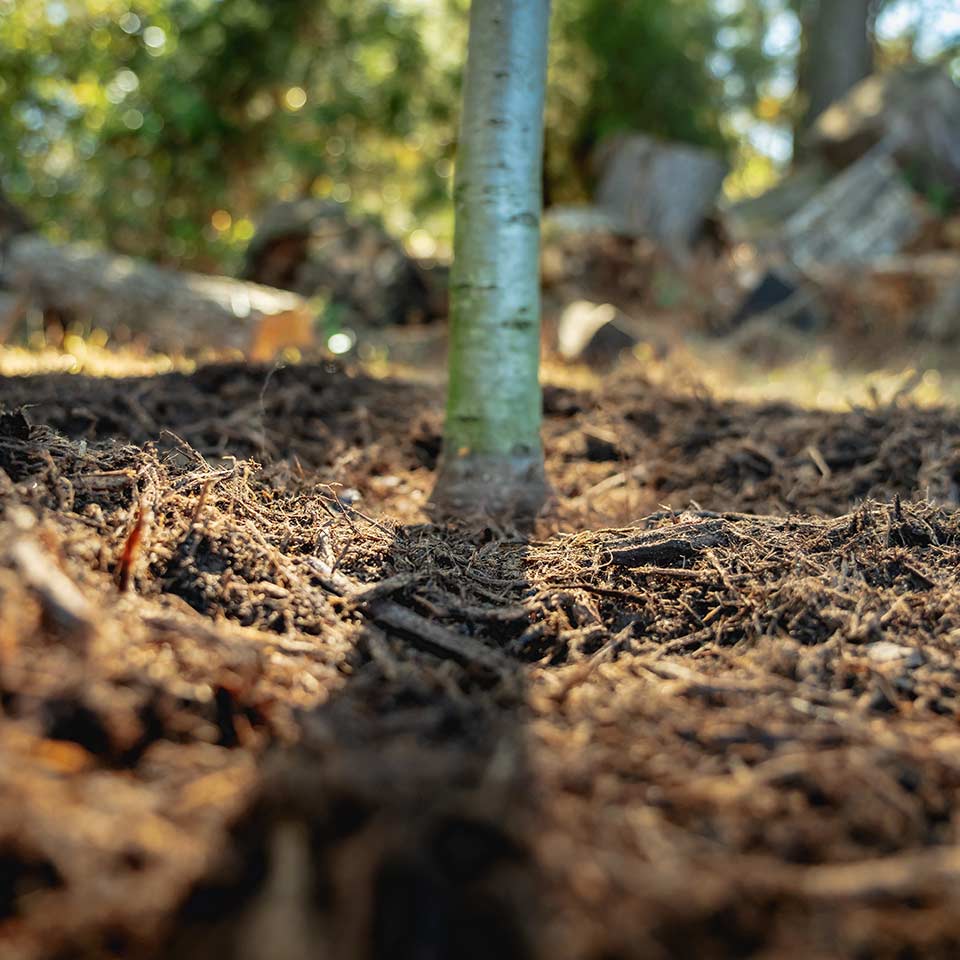
Tree roots lie close to the surface and can be damaged by rolling. Protect them carefully.
- Mark root zones with stakes or flags
- Avoid heavy rolling over root areas
- Use lighter rollers near trunks
- Water trees well before rolling to reduce stress
Credit: www.leaflimb.com
Techniques For Rolling Near Trees And Shrubs
Rolling near trees and shrubs requires careful control to avoid damage. Proper techniques help protect plants and keep your rolling smooth.
Using the right methods prevents hitting trunks or branches. This guide explains key steps for safe rolling near plants.
Slow And Controlled Movements
Move slowly when rolling near trees and shrubs. Quick moves can cause you to hit the plants.
Control your speed to stop or change direction easily. This helps protect both you and the plants.
- Keep your hands steady
- Watch your path ahead
- Adjust speed as needed
Avoiding Direct Contact With Trunks
Trunks are fragile and can be damaged by rolling too close. Keep a safe distance to avoid touching them.
Use your eyes to judge the space between you and the tree trunks. Stay clear to protect the bark and roots.
- Keep at least one foot away from trunks
- Look for low branches that may block your path
- Stop if you feel close to hitting a trunk
Rolling In Multiple Directions
Rolling in different directions helps you avoid plants and find safe paths. Move sideways or back if needed.
Changing directions makes it easier to control your roll and avoid obstacles near trees and shrubs.
- Roll forward, backward, and sideways
- Stop to plan your next move
- Use small turns to stay clear of plants
Timing Your Rolling Sessions
Rolling near trees and shrubs needs good timing to protect plants. Careful timing helps keep the soil and plants healthy.
Planning rolling sessions right improves lawn quality and avoids damage to roots and branches.
Best Seasons For Rolling
Roll your lawn during seasons when grass grows actively but trees and shrubs are not stressed. Early spring and early fall are best times.
- Early spring helps smooth winter damage without hurting new growth.
- Early fall prepares soil for winter and supports root strength.
- Avoid rolling in summer heat or winter freeze to prevent stress on plants.
Ideal Weather Conditions
Choose weather that is dry but not too hot. Moist soil rolls easier and protects roots better.
| Weather Condition | Why It Is Ideal |
| Dry but moist soil | Rolls smoothly without compacting too much |
| Cool temperatures | Reduce stress on grass and plant roots |
| No heavy rain | Prevents soil from becoming muddy and damaged |
Frequency Of Rolling
Rolling should happen at the right intervals to avoid soil damage and stress to plants.
- Roll once or twice a year for most lawns near trees and shrubs.
- Too much rolling can compact soil and harm roots.
- Check soil condition before rolling to decide if it is needed.
- Adjust frequency based on weather and lawn health.
Common Mistakes To Avoid
Rolling near trees and shrubs can help maintain a level lawn. But there are some common mistakes you should avoid to protect your landscape.
Understanding these errors will help ensure healthy growth for your trees, shrubs, and lawn.
Over-rolling And Soil Compaction
Over-rolling your lawn can lead to compacted soil. This makes it hard for water and nutrients to reach the roots.
- Do not roll too frequently.
- Avoid rolling when the soil is wet.
- Use a lightweight roller for small lawns.
Damaging Roots Or Bark
Rolling too close to trees and shrubs can damage their roots and bark. This can lead to poor plant health and even death.
| Distance from Tree | Impact on Roots |
| Less than 1 foot | High risk of damage |
| 1 to 3 feet | Moderate risk |
| Over 3 feet | Low risk |
Ignoring Lawn Health Signs
Not paying attention to signs of lawn health can lead to bigger issues. Look out for warning signs early to prevent damage.
Aftercare Tips For Trees, Shrubs, And Lawn
Caring for your trees, shrubs, and lawn is essential after rolling. The right aftercare ensures healthy growth and a vibrant landscape.
Follow these simple tips to maintain your garden’s beauty. Focus on watering, fertilizing, and monitoring plant health.
Watering And Fertilizing
Water your trees and shrubs deeply once a week. This helps roots grow strong. Avoid shallow watering, as it can lead to weak roots.
Fertilize your lawn and plants in spring and fall. Use a balanced fertilizer to provide essential nutrients for growth.
- Water deeply, not frequently
- Use balanced fertilizer twice a year
- Avoid fertilizing in extreme heat
Monitoring Plant Health
Check your plants regularly for signs of disease or pests. Look for discolored leaves, holes, or unusual growth patterns.
Healthy trees and shrubs have vibrant leaves and strong branches. If you notice problems, address them quickly to prevent further damage.
- Inspect for pests weekly
- Look for discolored or wilting leaves
- Act fast to treat diseases
Adjusting Future Lawn Care Practices
Observe how your lawn responds after rolling. Adjust your mowing, watering, and fertilizing schedule based on its needs.
If your lawn looks thin, consider overseeding. This can help thicken the grass and improve its appearance.
- Adjust mowing height as needed
- Consider overseeding for a thicker lawn
- Change watering schedule if grass looks dry
Frequently Asked Questions
How Do I Roll Safely Near Trees And Shrubs?
To roll safely near trees and shrubs, maintain a slow speed and keep a clear distance. Watch for obstacles like roots or branches. Use smooth, controlled movements to avoid damaging plants and prevent injury. Always check the area before starting to roll.
What Tools Help Roll Grass Near Trees And Shrubs?
A lightweight roller or hand roller works best near trees and shrubs. These tools allow precise control and reduce soil compaction. Avoid heavy machinery close to roots to protect tree health and maintain soil integrity.
Why Should I Avoid Rolling Directly On Tree Roots?
Rolling on tree roots can damage the bark and disrupt nutrient absorption. It also compacts soil, restricting root growth and water flow. Protect roots by rolling around them to ensure tree and shrub health.
How Can I Protect Shrubs When Rolling Nearby?
Protect shrubs by trimming low branches and marking their boundaries. Roll gently and avoid direct contact with stems or leaves. Using edging barriers can help prevent accidental damage while maintaining neat lawn edges.
Conclusion
Rolling near trees and shrubs needs care and attention. Choose a clear path to avoid damage or injury. Keep a steady speed and watch your surroundings closely. Protect plants by keeping a safe distance while rolling. Practice these tips to enjoy a safe and fun experience.
Remember, safety and respect for nature matter most. Stay alert, be cautious, and enjoy your time outdoors near trees and shrubs.

