
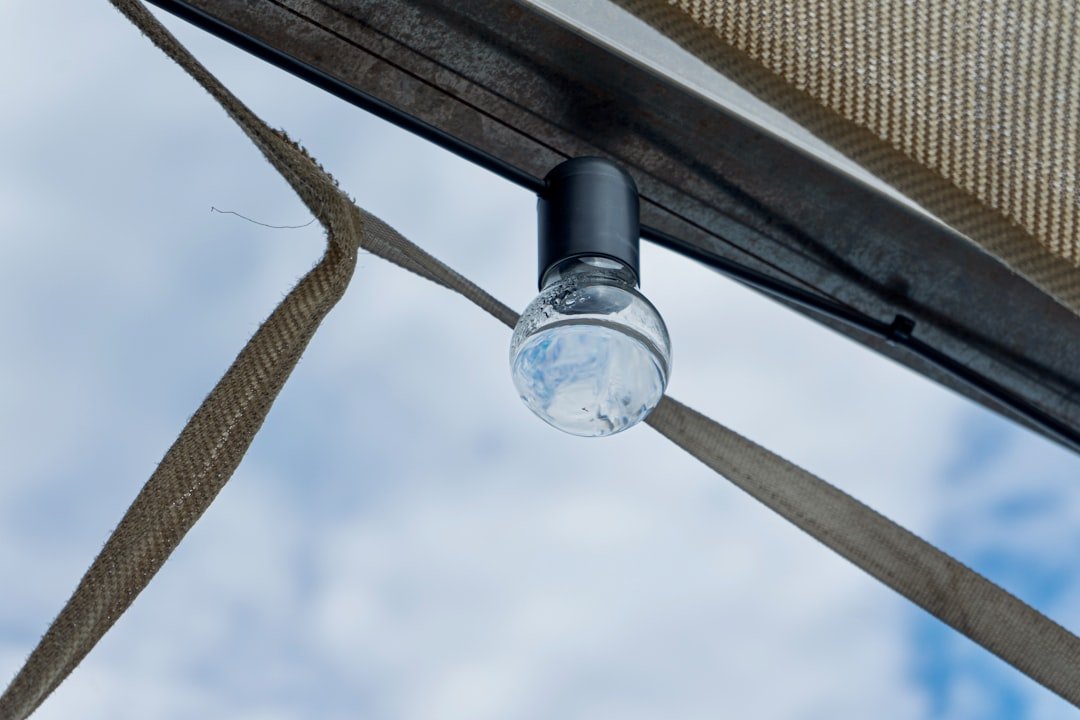
Are your outdoor lights flickering or dimming? Replacing LED bulbs in your outdoor fixtures might seem tricky, but it’s easier than you think.
With the right steps, you can brighten up your space quickly and safely. In this guide, you’ll discover simple tips to swap out those bulbs without hassle. Keep reading to learn how to make your outdoor lighting shine like new again!

Credit: www.reddit.com
Tools And Materials Needed
Replacing LED bulbs in outdoor fixtures requires specific tools and materials. Having the right items ready makes the job safe and easy. Preparation prevents delays and helps avoid damage to the fixture or bulb.
Gathering all tools and materials before starting ensures a smooth replacement process. Each tool has a role in making the task efficient and secure.
Essential Tools For Replacing Led Bulbs
- Screwdriver – to open fixture covers or panels
- Gloves – to protect hands and prevent oil on bulbs
- Step ladder – to reach high outdoor fixtures safely
- Voltage tester – to check if power is off
- Cleaning cloth – to wipe dirt or dust from fixtures
Materials Needed For Led Bulb Replacement
- Replacement LED bulb – ensure correct size and wattage
- Electrical tape – to secure wires if needed
- Replacement gasket – if the fixture uses one for waterproofing
- Sealant – to maintain weatherproofing after replacement
Safety Equipment To Consider
- Safety goggles – to protect eyes from dust or debris
- Insulated gloves – for extra protection from electrical shocks
- Non-slip shoes – to avoid falls on ladders or wet surfaces
Safety Precautions
Safety should always be your top priority when replacing LED bulbs in outdoor fixtures. Working with electrical components near moisture and weather exposure can be risky if you’re not careful. Taking proper precautions protects you from shocks and prevents damage to your fixtures.
Turn Off The Power Supply
Before you touch any outdoor light fixture, make sure the power is completely off. Switch off the circuit breaker or remove the fuse that controls the fixture’s electrical circuit. Never rely on just turning off the wall switch because it might not cut all power.
Have you ever underestimated the risk and felt a small shock? That’s why I always double-check the breaker to avoid surprises. It’s a simple step that can save you from dangerous accidents.
Use Proper Tools And Equipment
Use insulated tools designed for electrical work to avoid accidental shocks. Avoid metal ladders if you can; fiberglass ladders are much safer around electricity. Wearing rubber-soled shoes adds another layer of protection against electrical hazards.
Think about this: a simple slip or wrong tool can lead to injury. Taking a few minutes to gather the right gear is worth it for your safety.
Work In Dry Conditions
Never replace bulbs when the fixture or surrounding area is wet. Moisture conducts electricity and increases the risk of shock. Wait for dry weather or dry the fixture thoroughly before starting your work.
It might seem like a minor detail, but wet conditions can turn a routine job into a dangerous one instantly. Have you noticed how cautious you become when things are slippery? That same caution applies here.
Handle Bulbs With Care
LED bulbs are fragile and can break easily. Hold bulbs gently and avoid forcing them into fixtures. Broken glass combined with electricity creates a hazardous situation.
When I replaced my outdoor bulbs last year, I learned the hard way to handle them carefully after one slipped from my hands. That experience taught me to treat each bulb like a delicate tool to keep the process safe.
Identifying Compatible Led Bulbs
Choosing the right LED bulb for outdoor fixtures is important. The correct bulb ensures safety, efficiency, and long-lasting light. Not all LED bulbs fit every fixture. Some may not work well due to size, shape, or power needs. Identifying compatible LED bulbs helps avoid mistakes and wasted money.
Check Fixture Specifications
Start by reading the fixture’s label or manual. Look for maximum wattage and bulb size. These details guide which bulbs will fit and perform safely. Outdoor fixtures often have limits on bulb types and power.
Match Bulb Base Type
Bulbs come with different bases, like screw or pin types. Common outdoor bases include E26 and E27 screw bases. Make sure the LED bulb base matches your fixture socket for proper connection.
Consider Bulb Shape And Size
Bulbs vary in shape: globe, candle, flood, and more. The shape affects light spread and fixture fit. Check the fixture’s space to ensure the new bulb fits without touching sides.
Choose Appropriate Brightness And Color
Brightness is measured in lumens, not watts. Pick lumens based on your lighting needs. Color temperature affects the light’s look. Outdoor lighting often uses cool white (4000K-5000K) for clarity.
Verify Weather Resistance
Outdoor bulbs need weatherproof ratings, such as IP65. This protects bulbs from rain and dust. Use bulbs marked for outdoor use to avoid damage and safety risks.

Credit: lustria.com
Removing The Old Bulb
Removing the old LED bulb from your outdoor fixture is a simple task, but it requires care and attention to keep you safe and protect the fixture. Before you start, make sure you understand the layout of your outdoor lights and how the bulbs fit in. This will help you avoid any damage or frustration during the process.
Turn Off Power
Always switch off the power before touching any outdoor light fixture. This step keeps you safe from electrical shocks. You can either turn off the light switch or, for extra safety, shut off the breaker that controls your outdoor lighting.
Have you ever tried changing a bulb only to realize the power was still on? It’s a common mistake but easily avoided with a quick double-check.
Access The Fixture
Next, get to the bulb by opening or removing the fixture’s cover. Some covers twist off, others have screws or clips. Use the right tool if needed, like a screwdriver, and don’t force anything to avoid breaking the glass or plastic casing.
Make sure you have a stable ladder or step stool if the fixture is high up. Safety first—don’t stretch or reach awkwardly.
Detach The Old Bulb
Once you have access, gently remove the old bulb. Most LED bulbs twist counterclockwise to come out. If it’s a pin-based bulb, pull it straight out without bending the pins.
If the bulb feels stuck, try wiggling it gently but don’t use excessive force. Bulbs can sometimes get tight from heat or moisture exposure.
Handling the bulb carefully also prevents damage to the fixture’s socket. Have you noticed how a firm but gentle touch makes all the difference in these small repairs?
Installing The New Led Bulb
Installing the new LED bulb is a simple task that requires careful attention. Proper handling and securing of the bulb ensure it works well and lasts longer. Follow these easy steps to place your new LED bulb safely and correctly.
Handle With Care
Hold the LED bulb by its base, not the glass. Avoid touching the glass part with your fingers. Oils and dirt can shorten the bulb’s life. Use a clean cloth if needed to grip the bulb. Treat the bulb gently to prevent any damage.
Secure The Bulb
Align the bulb’s base with the fixture socket carefully. Insert the bulb into the socket and turn it clockwise until it fits snugly. Do not force the bulb to avoid breaking it. A secure fit ensures good electrical contact and proper lighting.
Reassemble The Fixture
Put the fixture cover or glass back in place. Tighten any screws or clips that hold the cover firmly. Check that the fixture is sealed well to protect the bulb from weather. Proper reassembly keeps your LED bulb safe and working efficiently outdoors.

Credit: www.reddit.com
Testing The New Installation
Testing the new LED bulbs in outdoor fixtures is a vital step. It ensures the bulbs work properly and safely. This step helps avoid issues like flickering or no light at all. Proper testing confirms the installation is successful and the area is well lit.
Turn On The Power
Switch the power back on at the breaker or wall switch. Observe if the new LED bulbs light up immediately. Check for any unusual flickering or dimming. A steady and bright light means the bulbs are working well.
Check For Proper Brightness
Look at the light intensity from the bulbs. It should be bright enough to illuminate the outdoor space. Compare with the old bulbs if possible. If the light is weak, the bulb might be faulty or not compatible.
Inspect The Fixture For Heat
Touch the fixture carefully after a few minutes of lighting. LED bulbs usually stay cool. Excessive heat can indicate a problem. Turn off the power if the fixture feels too hot.
Test The Fixture During Different Times
Check the lighting at night and during dusk. This shows how the bulbs perform in real conditions. It also helps verify if the sensor or timer works with the new bulbs.
Observe For Any Electrical Issues
Listen for buzzing sounds near the fixture. Look for flickering or sudden shut-offs. These signs suggest electrical problems. Fix any issues to ensure safety and bulb longevity.
Troubleshooting Common Issues
Troubleshooting common issues when replacing LED bulbs in outdoor fixtures can save you time and frustration. Sometimes, the problem isn’t with the bulb itself but with the fixture or wiring. Understanding these issues helps you fix them quickly and ensures your outdoor lighting works perfectly.
Flickering Lights
Flickering LED bulbs can be annoying and may signal an electrical issue. Check if the bulb is securely screwed in; loose connections often cause flickering.
Another cause is incompatible dimmer switches. If your fixture is connected to a dimmer, make sure it supports LED bulbs. Otherwise, replace it with one that does.
Also, inspect the wiring for any damage or corrosion. Damaged wires can interrupt power flow and cause flickering.
Bulb Not Turning On
If your new LED bulb doesn’t light up, first confirm the power source is active. Test the fixture with a different bulb or use a voltage tester.
Check for a faulty socket or switch. Sometimes, the fixture’s socket may be worn out, preventing a good connection.
Water damage is another frequent culprit in outdoor fixtures. Moisture can corrode contacts and stop the bulb from working.
Color Temperature Concerns
You might notice that your new LED bulb’s light looks too warm or too cool. This happens when the color temperature doesn’t match your outdoor space.
Look for bulbs labeled with specific color temperatures, like 2700K for warm white or 5000K for daylight. Choosing the right tone can enhance your outdoor ambiance.
Have you considered how different temperatures affect mood and visibility? Warmer lights create a cozy feel, while cooler lights improve clarity and security.
Maintenance Tips For Outdoor Fixtures
Maintaining outdoor fixtures extends their life and keeps them working well. Regular care stops common problems. It also helps save money on repairs and replacements. Follow simple steps to protect your outdoor lights and enjoy bright, safe spaces.
Regular Cleaning
Clean outdoor fixtures often to remove dirt and debris. Use a soft cloth and mild soap with water. Avoid harsh chemicals that can damage the finish. Dry fixtures well to prevent rust and water spots. Clear lenses help bulbs shine brighter and last longer.
Weatherproofing Measures
Protect fixtures from harsh weather by sealing gaps and cracks. Use weatherproof covers or casings designed for outdoor lights. Apply silicone caulk around edges to keep moisture out. Check seals after storms to ensure they still hold tight. Proper weatherproofing stops rust and electrical issues.
Routine Inspections
Inspect fixtures regularly to catch problems early. Look for loose parts, corrosion, or damaged wiring. Replace worn-out components quickly to avoid bigger damage. Check bulbs and sockets for signs of wear. Regular inspections keep your lighting safe and reliable.
Frequently Asked Questions
How Do I Safely Replace Led Bulbs Outdoors?
Turn off the power to the fixture first. Use a sturdy ladder and wear gloves. Remove the old bulb carefully. Install the new LED bulb securely. Restore power and test the light.
What Types Of Led Bulbs Fit Outdoor Fixtures?
Check your fixture’s specifications for bulb size and base type. Common types include A19 and PAR38 LEDs. Choose bulbs rated for outdoor use. Ensure the bulb’s brightness and color temperature suit your needs.
Can I Replace Outdoor Bulbs With Led For Energy Savings?
Yes, LEDs use up to 80% less energy than traditional bulbs. They last longer and reduce replacement frequency. This saves money on electricity bills and maintenance. Always pick LED bulbs designed for outdoor environments.
How Do I Prevent Moisture Damage When Replacing Outdoor Bulbs?
Use weatherproof LED bulbs and sealed fixtures. Check and replace worn-out gaskets or seals. Avoid handling bulbs with wet hands. Ensure the fixture’s cover is secure after installation.
Conclusion
Replacing LED bulbs in outdoor fixtures is simple and quick. Always turn off power first to stay safe. Choose the right bulb size and type for your fixture. Clean the fixture before installing the new bulb. Tighten the bulb gently to avoid damage.
Test the light after replacement to ensure it works. Regular checks help keep outdoor lights bright and efficient. Now, enjoy your well-lit outdoor space with ease and safety.

