
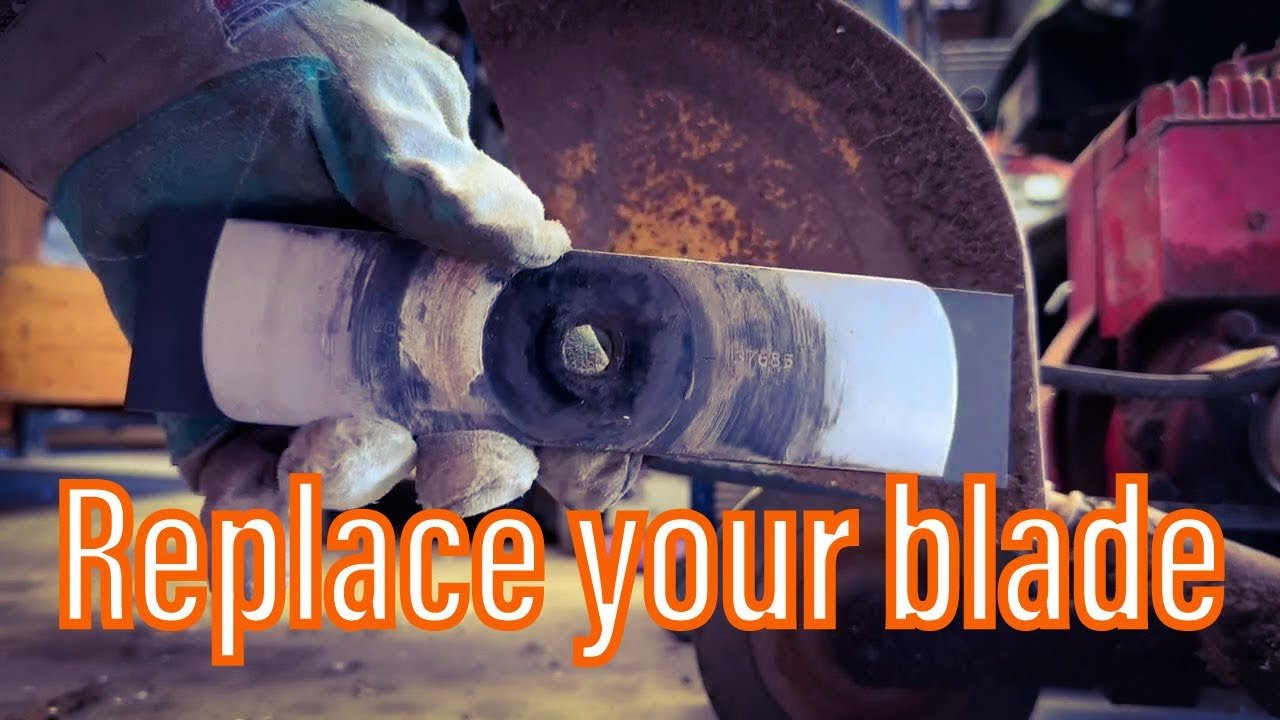
Are you tired of struggling with a dull lawn edger blade that leaves your garden looking messy? Replacing your lawn edger blades might seem tricky, but it’s easier than you think—and it can make a huge difference in your yard’s appearance.
In this guide, you’ll learn simple, step-by-step instructions to swap out your old blades quickly and safely. Keep reading, and you’ll have your lawn looking sharp and neat in no time.
Tools And Materials Needed
Replacing lawn edger blades needs the right tools and materials. This helps you work safely and efficiently.
Below are the main categories to prepare before you start the replacement process.
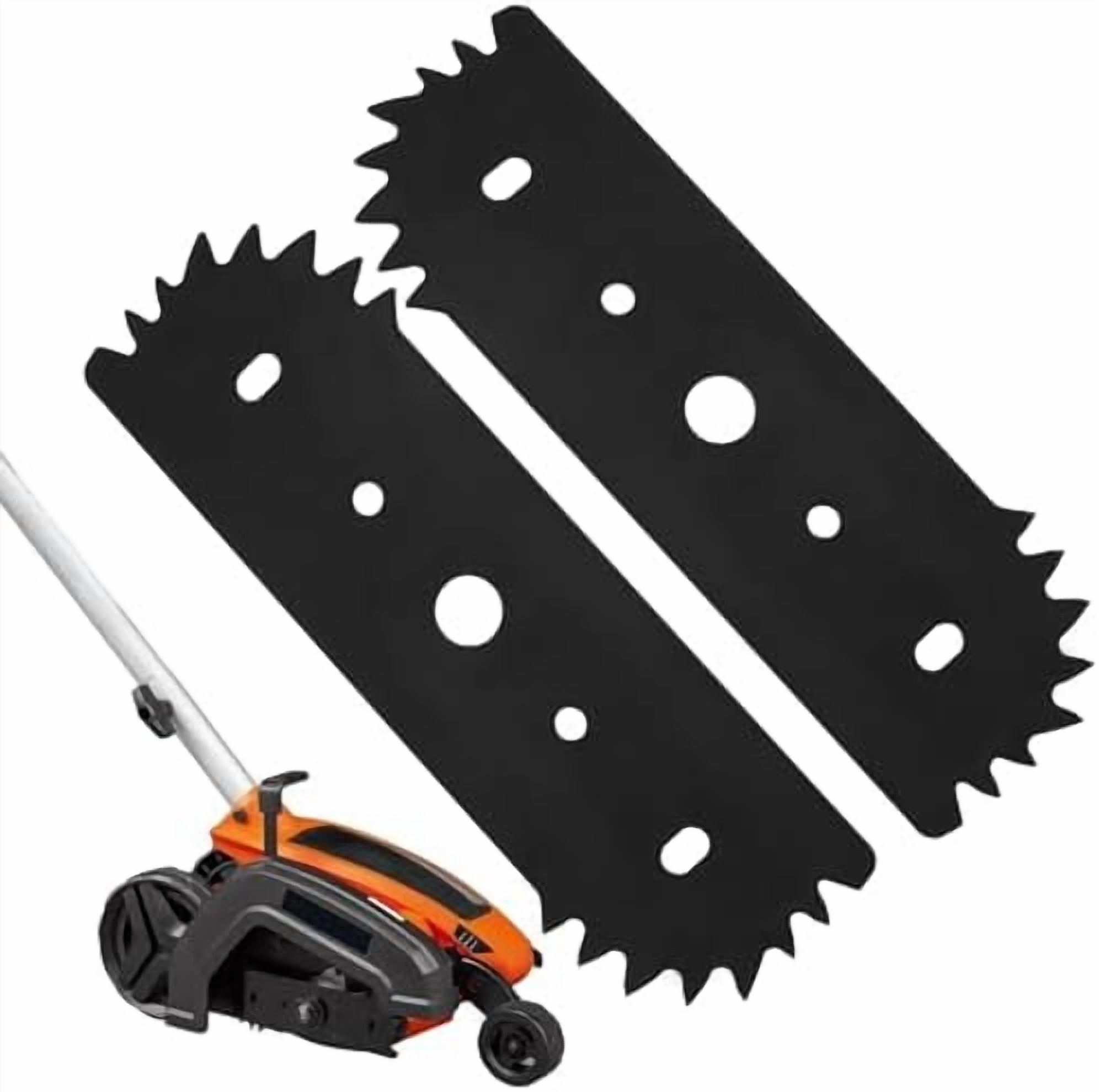
Types Of Lawn Edger Blades
Lawn edger blades come in different shapes and materials. Choose the blade that fits your edger model and lawn type.
- Steel blades: Durable and good for tough edges.
- Plastic blades: Lightweight and safer for delicate areas.
- Multi-purpose blades: Designed for grass and small weeds.
Safety Gear
Safety gear protects you from injuries while changing blades. Always wear proper equipment.
| Safety Gear | Purpose |
| Safety glasses | Protect eyes from flying debris |
| Gloves | Protect hands from sharp edges |
| Closed-toe shoes | Protect feet from falling tools |
| Long pants | Protect legs from cuts and scratches |
Additional Tools
You need extra tools to remove and install the new blade safely and correctly.
- Socket wrench or spanner to loosen bolts
- Screwdriver for securing blade covers
- Blade holder tool to keep blade steady
- Shop towel to clean parts
- Lubricant spray for moving parts
Credit: www.walmart.com
Preparing Your Lawn Edger
Before replacing lawn edger blades, prepare your tool carefully. Proper preparation ensures safety and makes the process smoother.
Follow these steps to get your lawn edger ready for blade replacement.
Unplugging And Disconnecting
Always unplug your electric lawn edger before starting any maintenance. For gas-powered models, turn off the engine and disconnect the spark plug wire. This prevents accidental starts and keeps you safe during blade changes.
Cleaning The Edger
Cleaning your lawn edger helps you see the blade and screws clearly. Remove dirt, grass, and debris from the blade area using a brush or cloth. This step prevents slippage and makes the blade easier to remove.
- Use a stiff brush to clear dirt
- Wipe the blade with a dry cloth
- Remove stuck grass from blade edges
- Check for any rust or damage
Positioning For Blade Removal
| Position | Description |
| Flat Surface | Place the edger on a flat, stable surface to avoid movement. |
| Blade Facing Up | Turn the edger so the blade faces upward for easy access. |
| Secure the Edger | Use clamps or ask for help to hold the edger steady. |
Proper positioning helps you remove the blade safely and efficiently.
Removing The Old Blade
Replacing the lawn edger blade starts with removing the old one. This task requires care and the right tools.
Follow these steps to safely take off the blade before installing a new one.
Locating The Blade Fasteners
First, find the fasteners that hold the blade. These are usually nuts and bolts on the blade hub.
Check the edges of the blade or near the center where it connects to the machine.
- Look for bolts with nuts on the opposite side
- Some blades have screws instead of bolts
- Use a flashlight if needed to see clearly
Loosening Nuts And Bolts
Use a wrench or socket set to loosen the nuts and bolts. Turn them counterclockwise to unscrew.
Hold the blade steady while loosening to prevent it from turning. This keeps you safe and makes the job easier.
- Select the right size wrench for the fasteners
- Apply steady pressure to avoid stripping bolts
- Wear gloves to protect your hands
Safely Detaching The Blade
Once the fasteners are loose, carefully remove them and set them aside. Then, gently pull the blade away from the edger.
Check the blade for any sharp edges. Use gloves to avoid cuts while handling the old blade.
- Remove nuts and bolts completely before pulling blade
- Keep fasteners in a safe place for reuse
- Handle the blade with care to avoid injury

Credit: www.amazon.com
Selecting The Right Replacement Blade
Replacing your lawn edger blades keeps your yard neat and tidy. Choosing the correct blade ensures safety and good cutting performance.
Different blades fit different machines and tasks. Learn how to select the right one for your edger.
Matching Blade Size And Type
Check your edger’s manual or old blade for size information. Blades come in several diameters and thicknesses.
- Measure the blade diameter in inches
- Note the center hole size and shape
- Identify blade type: solid, wavy, or multi-edge
- Use blades designed for your specific model
Material Considerations
Blade material affects durability and cutting ability. Most blades are steel, but coatings can vary.
| Material | Advantages | Disadvantages |
| High-carbon steel | Sharp, durable | Can rust without coating |
| Stainless steel | Rust resistant, low maintenance | May dull faster |
| Coated steel | Improved rust resistance, lasts longer | Coating can wear off |
Where To Buy Blades
You can buy replacement blades at many places. Choose a trusted source to get the right blade.
- Local hardware stores
- Garden and lawn care centers
- Official manufacturer websites
- Online marketplaces with customer reviews
Installing The New Blade
Replacing the lawn edger blade is important for clean and safe edging. Installing the new blade correctly helps the tool work well.
Follow these steps to put the new blade in place. Take your time and check each part carefully.
Aligning The Blade Properly
Place the new blade on the shaft so the holes line up. The blade should face the right direction to cut grass cleanly.
Check that the blade sits flat and does not wobble. Proper alignment prevents damage and ensures smooth cutting.
Securing Fasteners
Use the correct bolts, nuts, or screws to attach the blade. Fasten them by hand first to avoid cross-threading.
- Tighten fasteners evenly
- Use a wrench or socket for a firm grip
- Do not overtighten to avoid stripping threads
Checking Blade Tightness
After securing, check the blade for any movement. It should not shift or spin freely on the shaft.
Test tightness by gently trying to move the blade. If it moves, tighten the fasteners again until firm.

Credit: www.youtube.com
Testing And Maintenance Tips
Keeping your lawn edger in good shape is important for a neat yard. Regular testing and maintenance help ensure its performance and safety.
This guide will walk you through testing your lawn edger blades and maintaining them for longevity.
Running A Test Cut
Performing a test cut helps check the sharpness and alignment of your edger blades. Always wear safety gear before starting.
- Power on the edger and let it run for a few seconds.
- Make a small cut on a grass edge to see if the blade cuts cleanly.
- Listen for unusual noises that might indicate a problem.
Regular Blade Maintenance
Regular maintenance of your edger blades helps extend their life. Clean and check them after each use.
- Wipe the blades with a damp cloth to remove grass and dirt.
- Check for any visible signs of wear or damage.
- Tighten any loose screws or nuts.
- Apply a light coat of oil to prevent rusting.
When To Replace Blades Again
Knowing when to replace your edger blades ensures optimal cutting performance. Monitor their condition regularly.
| Condition | Action |
| Blade is dull | Sharpen it |
| Blade is chipped | Replace it |
| Blade is bent | Replace it |
Frequently Asked Questions
How Do I Know When To Replace Lawn Edger Blades?
Replace blades when they become dull, chipped, or bent. Dull blades reduce cutting efficiency and damage grass edges. Inspect blades regularly to maintain clean, precise edging and a healthy lawn appearance.
What Tools Are Needed To Replace Lawn Edger Blades?
You typically need a wrench, screwdriver, and replacement blades. Some models may require specific tools, so check your manual. Always wear gloves for safety during blade replacement.
How Do I Safely Remove Old Lawn Edger Blades?
First, unplug or turn off the edger. Use the correct wrench to loosen blade bolts carefully. Handle blades with gloves to avoid cuts and dispose of old blades properly.
Can I Use Any Replacement Blade For My Lawn Edger?
No, use blades compatible with your edger model. Check the manufacturer’s specifications for size and type. Using incorrect blades can cause damage or unsafe operation.
Conclusion
Replacing lawn edger blades keeps your tool sharp and effective. Regular blade changes help maintain clean lawn edges. Follow safety steps carefully to avoid injuries. Use the right blade type for your edger model. A sharp blade saves time and effort during edging.
Keep your lawn looking neat and well-maintained. Simple care routines extend your edger’s life. Try replacing blades yourself to save money. Your lawn will thank you with better curb appeal.

