
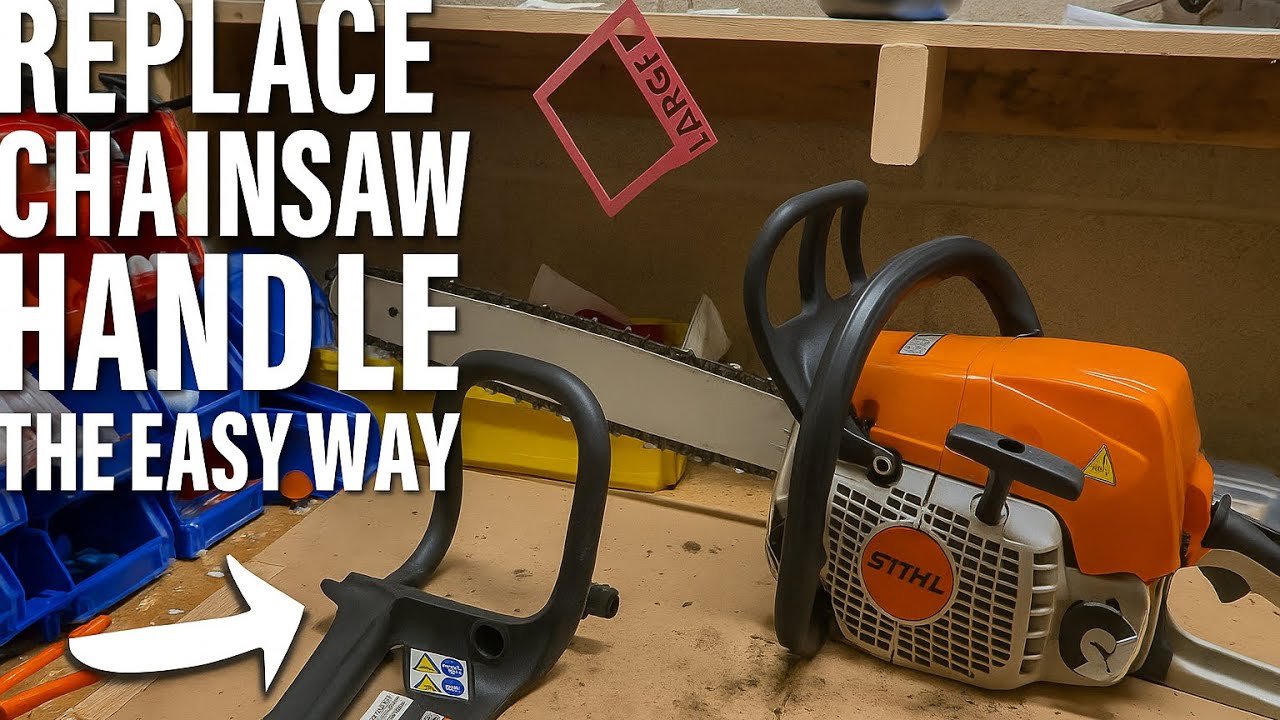
Is your chainsaw handle worn out or broken? Replacing it might seem tricky, but it’s easier than you think.
Imagine getting your chainsaw back in perfect shape without spending a fortune on repairs or a new tool. In this guide, you’ll learn simple steps to replace your chainsaw handle quickly and safely. Keep reading, and soon you’ll have your chainsaw ready for any job, saving time and money.
Let’s get started!
Tools And Materials Needed
Replacing a chainsaw handle needs some simple tools and materials. Having the right tools makes the job easier and safer.
- Screwdrivers:Both flat-head and Phillips types for screws.
- Socket wrench set:To remove nuts and bolts holding the handle.
- Replacement handle:Make sure it fits your chainsaw model.
- Cleaning cloth:To wipe dust and dirt from the area.
- Lubricant spray:Helps loosen stuck bolts.
- Safety gloves:Protect your hands during the work.
- Work bench or flat surface:To place your chainsaw securely.
Gathering all these items before starting saves time and avoids interruptions.
Safety Precautions
Always wear thick glovesto protect your hands. Use safety gogglesto shield your eyes from dust and debris. Make sure the chainsaw is turned offand unpluggedor the battery is removed before starting.
Work in a clean, well-lit areato see all parts clearly. Keep your workspace free of clutterto avoid accidents. Hold the chainsaw firmly and avoid sudden movements.
- Check the handle for any cracks before replacing.
- Use the correct tools for removing and installing the handle.
- Follow the chainsaw’s manual for specific instructions.
- Do not rush; take your time to avoid mistakes.
- Dispose of old parts safely and responsibly.
Removing The Old Handle
Begin by unplugging the chainsaw or removing the battery for safety. Loosen and remove screws or bolts holding the old handle in place. Gently pull the handle away from the chainsaw body to detach it.
First, make sure the chainsaw is switched off. Remove the spark plug to prevent any accidental start. Check for any loose parts around the handle area. Disconnect the fuel line carefully. This will prevent fuel spills. Ensure the chainsaw is cool before touching it. Locate the screws holding the handle. Use a screwdriver to remove them. Keep the screws in a safe place. You will need them later. Check for any hidden screws under the handle. Remove these screws carefully. Make sure the handle is loose before proceeding. Gently pull the handle away from the chainsaw. Be careful not to damage any nearby parts. If the handle is stuck, check for missed screws. Once free, set the old handle aside. Make sure the area is clear for the new handle. Inspect the base for damage or dirt. `
Credit: www.youtube.com
Choosing The Right Replacement Handle
Choosing the right replacement handle means matching the handle type to your chainsaw model. Handles come in different shapes like top, rear, or wrap-around. Each type fits specific chainsaw brands and models.
Material matters for strength and comfort. Common options include:
- Plastic:Lightweight, affordable, but less durable.
- Metal:Strong and long-lasting, but heavier.
- Wood:Traditional feel, comfortable grip, but can wear out faster.
Picking the correct handle type and material ensures safety and ease of use. Check your chainsaw’s manual or old handle for clues before buying.
Installing The New Handle
Place the new handle carefully onto the chainsaw frame. Make sure it fits well and sits straight. Check that all holes on the handle line up with the holes on the chainsaw. This helps in securing it firmly.
Use the screws and bolts that came with the new handle. Tighten them using a screwdriver or wrench. Make sure the screws are tight but not too tight to avoid damage.
- Check each screw for tightness after initial installation.
- Do not force screws; they should fit smoothly.
- Use the right tools for each bolt and screw.
- Test the handle for stability before use.

Credit: www.youtube.com
Testing The New Handle
Test the new handle by gently shaking it. It should feel firmand not wobble. Stability is key for safe cutting.
Check if the handle fits well in your hand. The grip must be comfortableand not slippery. A good grip reduces fatigue and improves control.
- Hold the chainsaw as you usually do.
- Try different angles to see if the handle stays steady.
- Make sure the handle does not hurt your hand.
- Use gloves to test the grip if you wear them.
Adjust the handle if it feels loose or uncomfortable before use. Safety first.
Maintenance Tips For Chainsaw Handles
Keep the chainsaw handle clean and dry to avoid damage. Check for cracks or loose parts regularly. Tighten any screws or bolts to keep the handle stable. Use a soft cloth and mild soap to wipe dirt off the handle. Avoid using harsh chemicals that can wear the handle material.
Store the chainsaw in a dry place to prevent rust and wear. Protect the handle from direct sunlight to stop it from cracking. Use gloves when handling the chainsaw to reduce sweat and grime buildup on the handle. Replace the handle if it shows serious wear or cracks to keep safety first.

Credit: www.amazon.com
Frequently Asked Questions
How Do I Remove A Chainsaw Handle Safely?
To remove a chainsaw handle, first unplug the spark plug. Use the right tools to unscrew bolts carefully. Avoid forcing parts to prevent damage. Follow the manufacturer’s guide for specific instructions.
What Tools Are Needed To Replace A Chainsaw Handle?
You need a screwdriver, wrench set, and possibly pliers. A replacement handle matching your chainsaw model is essential. Safety gloves and eye protection are recommended during the process.
How Long Does It Take To Replace A Chainsaw Handle?
Replacing a chainsaw handle usually takes 15 to 30 minutes. Time depends on your experience and chainsaw model. Following step-by-step instructions speeds up the process.
Can I Replace A Chainsaw Handle Myself?
Yes, you can replace the handle yourself with basic tools. Ensure the chainsaw is off and unplugged. Follow safety guidelines and manufacturer instructions carefully to avoid injury.
Conclusion
Replacing a chainsaw handle is easier than it seems. Follow each step carefully and take your time. Use the right tools to avoid damage or injury. A new handle improves safety and control while cutting wood. Regular maintenance keeps your chainsaw working well for years.
Stay patient and focused during the process. Soon, your chainsaw will feel like new again. Ready to tackle your next project with confidence?

