
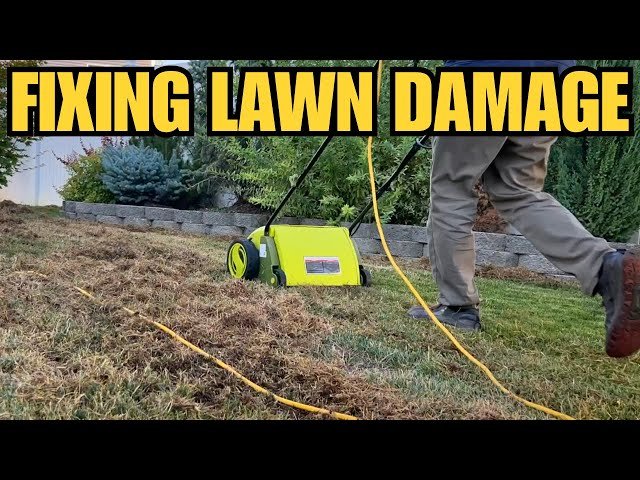
Is your lawn looking patchy or tired after dethatching? You’re not alone.
Dethatching can leave your grass vulnerable and in need of some serious repair. But don’t worry—fixing your lawn is easier than you think. You’ll discover simple, effective steps to bring your grass back to life quickly. Keep reading, and you’ll soon have a lush, green lawn that you’ll be proud to show off.

Credit: lawnsmartkc.com
Assess Lawn Damage
After dethatching your lawn, it is important to check the damage. This helps you know what needs fixing.
Careful assessment guides you to repair your lawn properly and keep it healthy.
Check Thatch Removal Extent
Look at how much thatch was removed from the lawn. Thatch is a layer of dead grass and roots.
If too much thatch is removed, the grass might be damaged. Check for torn or broken grass blades.
Identify Bare Spots
Find areas where grass is missing after dethatching. These bare spots need new grass to grow.
Mark these spots so you can focus on reseeding or patching them soon.
- Look for soil showing through the grass
- Spot thinning patches with weak grass
- Note areas with no grass at all
Evaluate Soil Condition
Check if the soil is compacted or loose after dethatching. Soil health affects grass growth.
Look for dry or wet spots and test soil texture by feeling it with your fingers.
- Compacted soil needs aeration
- Loose soil may need firming before planting
- Dry soil requires watering before repair

Credit: www.familyhandyman.com
Prepare Soil For Repair
After dethatching your lawn, the soil needs care to help grass grow back well. Preparing the soil right gives your lawn a fresh start.
Good soil preparation improves root growth and keeps your lawn healthy. Follow these simple steps for the best results.
Rake And Clear Debris
Remove dead grass and leftover thatch with a rake. Clearing debris helps air and water reach the soil better.
Use a leaf rake or garden rake to gather loose material. Dispose of the debris to keep the area clean.
Loosen Compacted Soil
Soil often gets hard after dethatching. Loosen the soil to help roots spread and absorb nutrients.
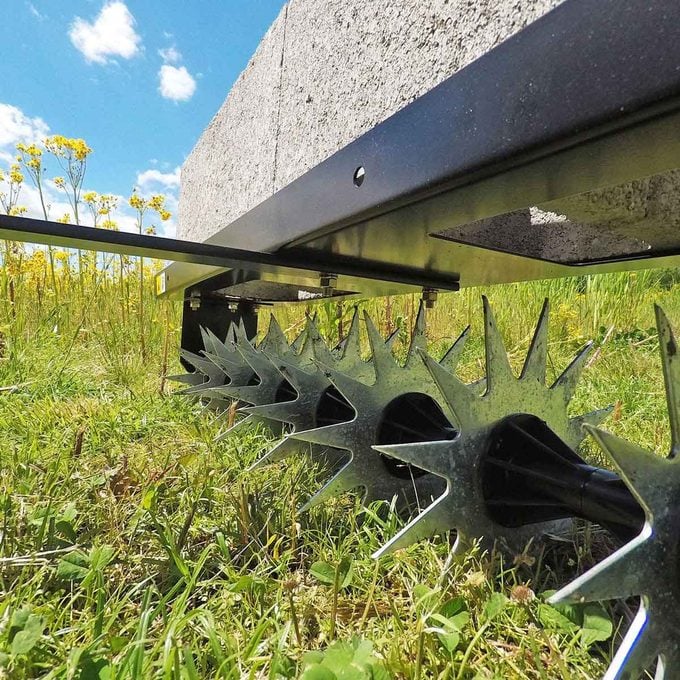
Use a garden fork or aerator to poke holes or break up the soil surface. This improves drainage and air flow.
Add Topsoil Or Compost
Spread a thin layer of topsoil or compost over the area. This adds nutrients and improves soil texture.
Choose good quality compost or topsoil. Mix it lightly into the existing soil for best results.
Choose Grass Seed
After dethatching your lawn, picking the right grass seed is key. It helps your lawn grow thick and healthy again.
Choose seeds that match your lawn’s needs. Good seed choice makes repair easier and faster.
Select Suitable Seed Type
Different grass types grow better in different places. Choose seed types that fit your soil and lawn use.
Common seed types include cool-season and warm-season grasses. Each has strengths for certain lawns.
- Cool-season grasses grow well in spring and fall.
- Warm-season grasses do best in summer heat.
- Consider seed that resists pests and disease.
- Choose seed that matches your lawn’s sun or shade.
Consider Climate And Season
Climate affects how grass grows. Pick seeds that fit your local weather and soil.
Plant seeds during the right season for best results. This helps seeds sprout and grow strong.
- Plant cool-season seeds in early spring or fall.
- Plant warm-season seeds in late spring or early summer.
- Check temperature and rainfall before planting.
- Use seed blends for varied weather conditions.
Seed The Lawn
After dethatching, seeding your lawn is a crucial step to restore its health and appearance. The goal is to create a lush, even carpet of grass that requires less maintenance and care.
Spread Seeds Evenly
Spread seeds evenly across the lawn, following the manufacturer’s instructions for the recommended seeding rate. You can use a spreader or broadcast seeder to ensure uniform coverage.
| Seeding Rate | Recommended for: |
| 1-2 pounds per 1,000 square feet | Warm-season grasses (Zoysia, Bermuda) |
| 2-3 pounds per 1,000 square feet | Cool-season grasses (Kentucky Bluegrass, Perennial Ryegrass) |
Cover Seeds Lightly
- Apply a thin layer of compost or peat moss to cover the seeds.
- Use a rake or broom to gently spread the covering material.
- Avoid compacting the soil, which can prevent seed germination.
Water Gently
Water the lawn gently but thoroughly after seeding. Keep the soil consistently moist during the germination period, usually 7-14 days.
Maintain a moderate watering schedule to promote healthy root development and prevent overwatering, which can lead to fungal diseases and pests.
Fertilize For Growth
After dethatching your lawn, it needs nutrients to grow strong and healthy. Fertilizing helps the grass recover faster and fill in bare spots.
Choosing the right fertilizer and applying it correctly supports new growth and improves soil quality.
Select Balanced Fertilizer
Use a balanced fertilizer with equal parts nitrogen, phosphorus, and potassium. This mix supports leaf growth, root development, and overall lawn health.
- Look for fertilizers labeled 10-10-10 or 20-20-20
- Choose slow-release formulas to feed the lawn over time
- Avoid fertilizers high in nitrogen only, which can burn new grass
- Consider organic fertilizers for safer, steady nutrient supply
Apply According To Instructions
Follow the fertilizer package directions carefully. Too much can harm the grass, while too little will not help growth.
| Step | Action | Reason |
|---|---|---|
| 1 | Measure your lawn area | Ensures correct fertilizer amount |
| 2 | Use a spreader for even application | Prevents clumping and burns |
| 3 | Water lawn after applying fertilizer | Helps nutrients soak into soil |
| 4 | Avoid fertilizing on windy or rainy days | Prevents fertilizer runoff |
Watering Schedule
After dethatching your lawn, watering is very important. It helps the grass recover and grow strong.
Setting the right watering schedule keeps the soil healthy and supports new grass roots.
Keep Soil Moist
Keep the soil moist but not soaked. Moist soil helps grass seeds and roots grow well.
Water lightly every day at first. This stops the soil from drying out.
- Water early in the morning to reduce evaporation
- Use a fine spray to avoid washing away seeds
- Check soil by touching it; it should feel damp
Adjust Frequency Over Time
After two weeks, reduce watering to let grass roots grow deeper. Less water encourages strong roots.
Water more deeply but less often. This helps grass survive dry periods better.
- Water 2-3 times per week after initial growth
- Increase watering during hot, dry weather
- Stop watering if it rains enough
Maintain New Growth
After dethatching your lawn, it is important to take care of new grass growth. Proper maintenance helps grass grow strong and healthy.
Follow simple steps to protect and support your lawn during this recovery time.
Mow At Proper Height
Set your mower to the right height to avoid stressing new grass. Cutting too short can damage young blades.
- Keep grass height between 2.5 to 3 inches.
- Do not remove more than one-third of the grass blade at once.
- Use a sharp blade to make clean cuts.
- Mow regularly but gently during new growth.
Avoid Heavy Traffic
Limit walking or playing on your lawn until grass is fully grown. Heavy traffic can crush new shoots and slow recovery.
| Activity | Impact on New Grass | Recommendation |
|---|---|---|
| Walking | Can compact soil and damage blades | Minimize or avoid for 2-3 weeks |
| Pets | May disturb soil and grass | Keep pets off lawn temporarily |
| Lawn Equipment | Can tear young grass | Use equipment only when necessary |
Monitor For Pests And Diseases
Check your lawn often for signs of pests or disease. Early action helps keep new grass healthy.
- Look for discolored or damaged patches.
- Inspect for insects like grubs or chinch bugs.
- Remove affected grass or treat with lawn-safe products.
- Keep lawn clean and remove debris to reduce pests.
Credit: www.familyhandyman.com
Prevent Future Damage
Repairing your lawn after dethatching is important. You want to keep it healthy and green. Preventing damage helps your grass grow strong.
Proper care stops problems before they start. Follow simple steps to protect your lawn.
Regular Lawn Care Tips
Consistent lawn care keeps grass healthy. Water your lawn deeply and less often. This encourages deep roots.
Mow your lawn at the right height. Avoid cutting more than one-third of the grass blade. This prevents stress.
- Water early in the morning
- Keep mower blades sharp
- Remove weeds regularly
- Fertilize in spring and fall
- Aerate compacted soil once a year
Proper Dethatching Timing
Choose the right time to dethatch your lawn. Too soon or too late can harm grass. Spring and early fall work best.
Dethatch when grass is growing fast. This helps it recover quickly. Avoid dethatching during drought or extreme heat.
- Dethatch cool-season grass in early fall or spring
- Dethatch warm-season grass in late spring or early summer
- Check soil moisture before dethatching
- Do not dethatch more than once a year
Frequently Asked Questions
How Soon Can I Reseed After Dethatching My Lawn?
You can reseed your lawn 24 to 48 hours after dethatching. This allows the soil to settle and provides a good seed-to-soil contact for better germination.
What Is The Best Fertilizer To Use Post-dethatching?
Use a balanced fertilizer with equal nitrogen, phosphorus, and potassium. This supports healthy grass growth and helps repair lawn damage after dethatching.
Should I Water My Lawn Immediately After Dethatching?
Yes, water your lawn lightly right after dethatching. This helps settle the soil and keeps the seeds or grass roots moist for faster recovery.
How Long Does It Take For A Lawn To Recover After Dethatching?
A lawn usually takes 2 to 4 weeks to recover. Proper watering, fertilizing, and avoiding heavy foot traffic speed up the repair process.
Conclusion
Repairing your lawn after dethatching takes care and patience. Water the grass gently and keep the soil moist. Spread grass seed evenly to fill bare spots. Avoid heavy foot traffic while the lawn recovers. Mowing at the right height helps new grass grow strong.
Regular care will bring your lawn back healthy and green. Small steps every day make a big difference. Your lawn will thank you for the effort. Keep watching it grow and enjoy a fresh, lush yard soon.

