
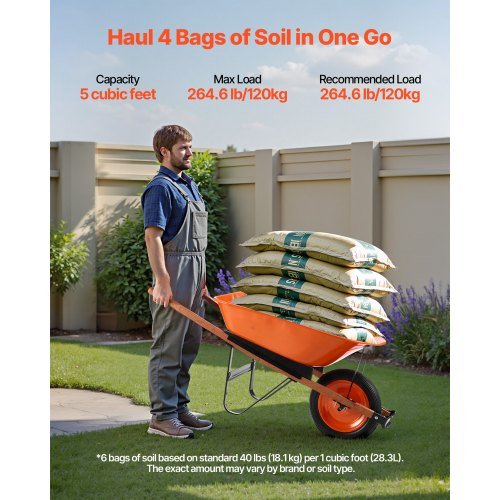
Have you ever struggled to push a wheelbarrow and wished there was an easier way? Whether you’re moving soil, tools, or heavy loads, knowing how to push a wheelbarrow correctly can save you time and effort.
You’ll discover simple tips and techniques to make your work smoother and safer. Keep reading, and you’ll learn how to handle your wheelbarrow like a pro, avoiding common mistakes that slow you down or cause strain. Let’s get started and make your next task easier than ever!
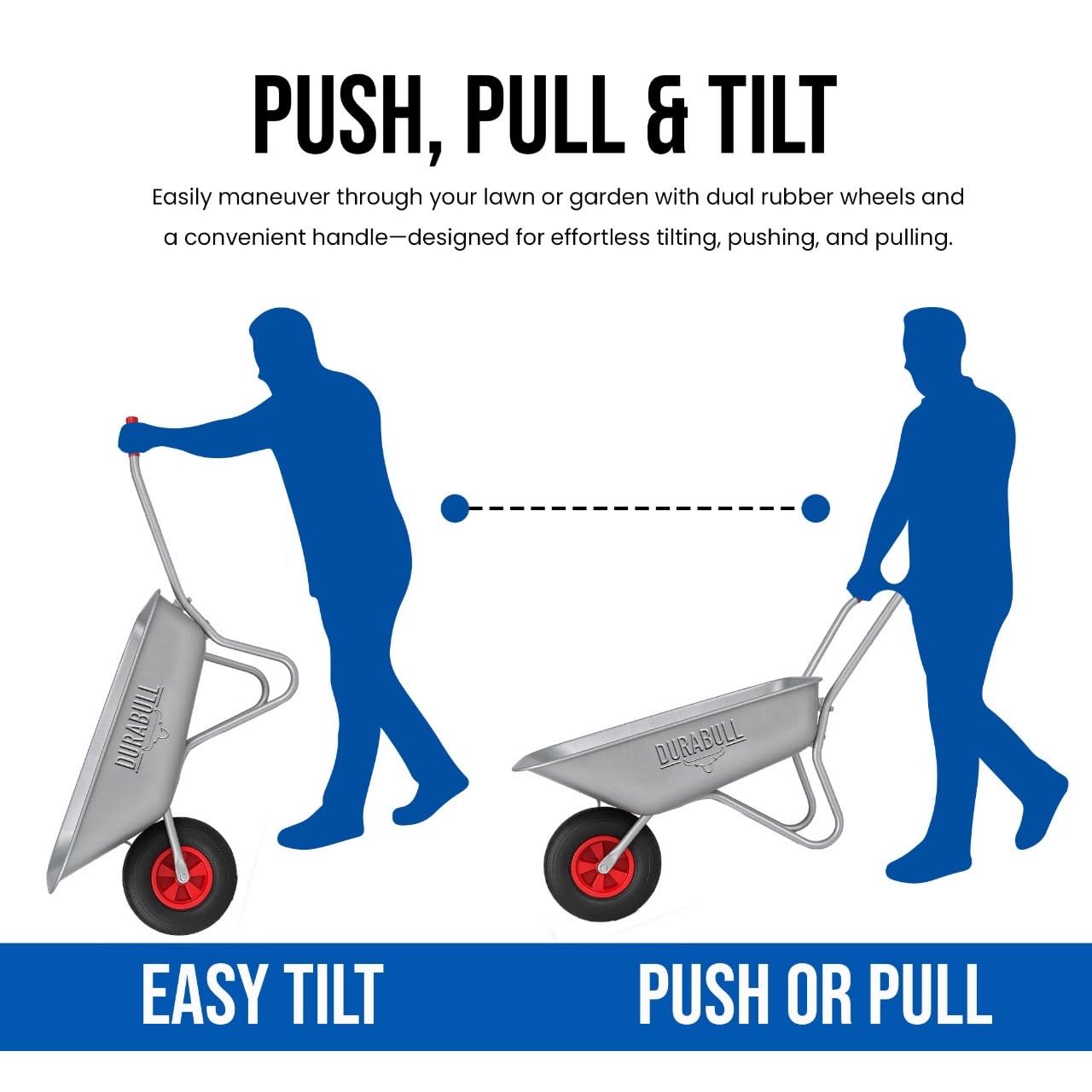
Credit: www.amazon.co.uk
Choosing The Right Wheelbarrow
Picking the right wheelbarrow makes pushing loads easier and safer. Different tasks need different wheelbarrows.
Think about the material, size, and wheel type before you buy. These details affect how well it works.
Material Options
Wheelbarrows come in various materials. Each has strengths and weaknesses for different jobs.
- Steel:Strong and durable, good for heavy loads but can rust.
- Plastic:Lightweight and rust-proof, best for light tasks.
- Aluminum:Rust-resistant and lighter than steel, but less strong.
Size And Capacity
Size affects how much you can carry and how easy it is to push. Capacity is the volume inside the tub.
| Size | Best Use | Weight |
| Small (4-6 cubic feet) | Light gardening and small loads | 10-15 lbs |
| Medium (6-8 cubic feet) | General yard work and construction | 20-30 lbs |
| Large (8+ cubic feet) | Heavy loads and big projects | 30+ lbs |
Wheel Types
The wheel affects balance and ease of movement on different ground types.
- Pneumatic Wheels:Filled with air, good for rough terrain but can puncture.
- Semi-Pneumatic Wheels:Filled with foam, resist punctures and provide cushioning.
- Solid Wheels:Made of hard rubber or plastic, durable and maintenance-free.

Credit: www.dreamstime.com
Preparing For Safe Handling
Using a wheelbarrow safely helps prevent injuries and makes work easier. Preparing before you start is important.
Check your wheelbarrow and yourself to ensure safe handling. This reduces the risk of accidents.
Checking Tire Pressure
Check the tire pressure before using the wheelbarrow. Proper pressure makes pushing easier and safer.
Use a tire gauge to measure pressure. Inflate or deflate the tire to match the recommended level on the tire sidewall.
- Low pressure makes pushing harder
- High pressure can cause tire damage
- Proper pressure improves control and balance
Balancing The Load
Balance the load evenly in the wheelbarrow. Uneven loads cause tipping and make handling difficult.
Place heavy items near the wheel to reduce strain on your arms. Keep lighter items toward the back.
- Distribute weight evenly side to side
- Keep the heaviest part close to the wheel
- Do not overload the wheelbarrow
Wearing Proper Gear
Wear the right gear to protect yourself while pushing a wheelbarrow. This helps prevent injuries.
Use gloves for a good grip and to protect your hands. Wear sturdy shoes to support your feet and avoid slips.
- Gloves protect hands from blisters and cuts
- Closed-toe shoes protect feet from falling objects
- Wear comfortable clothing that allows movement
Proper Pushing Techniques
Pushing a wheelbarrow the right way makes your work easier and safer. It helps you avoid injury and carry loads smoothly.
This guide covers the best ways to grip, use your legs, and move on slopes.
Grip And Posture
Hold the wheelbarrow handles firmly but not too tight. Keep your back straight and bend your knees slightly. This posture reduces strain on your back.
- Place your hands in the middle of the handles
- Keep your shoulders relaxed
- Stand with feet shoulder-width apart
- Bend your knees, not your back
Using Your Legs
Your legs should do most of the work when pushing. Use their strength to move the wheelbarrow forward without tiring your arms.
- Bend your knees to lower your body
- Push off with your legs, not your back
- Keep your feet flat and stable
- Step forward smoothly with each push
Navigating Inclines
Going uphill or downhill needs extra care. Keep control to prevent spills or loss of balance.
| Incline | Technique |
| Uphill | Lean forward slightly and push with steady force |
| Downhill | Keep wheelbarrow close and control speed by holding handles firmly |
| Uneven Ground | Move slowly and watch for obstacles |
Handling Common Obstacles
Using a wheelbarrow can be tricky on different surfaces. Obstacles like rough ground, tight paths, and spills need special care. Learning how to handle these helps you work safely and easily.
This guide covers key ways to manage common challenges when pushing a wheelbarrow.
Maneuvering Over Rough Terrain
Rough terrain can make pushing a wheelbarrow hard. Look ahead to spot rocks or holes. Keep your arms steady and push slowly. This helps keep balance and stops tipping.
- Choose the strongest wheel for rough ground
- Keep wheelbarrow load light for better control
- Push with steady speed, avoid sudden moves
- Use your legs, not just your arms, to push
Crossing Narrow Paths
Narrow paths need careful steering. Center the wheelbarrow to avoid hitting edges. Walk straight and slow to keep balance. If needed, unload some weight first.
| Tip | Action |
| Wheel Position | Keep centered on path |
| Speed | Walk slowly and steadily |
| Load | Lighten load if path is tight |
| Body Position | Stand upright and balanced |
Avoiding Spills
Spills cause mess and waste. Keep the load stable and balanced. Avoid sudden stops or turns. If you carry liquids, cover them securely.
- Do not overload the wheelbarrow
- Place heavier items at the bottom
- Push smoothly without jerks
- Use lids or tarps for loose materials
- Check the wheelbarrow for damage before use
Maintenance Tips For Longevity
Taking care of your wheelbarrow can make it last longer. Simple maintenance helps avoid damage and saves money.
Here are some important tips to keep your wheelbarrow in good shape after use.
Cleaning After Use
Cleaning your wheelbarrow after each use stops rust and dirt build-up. Remove soil and debris with water and a brush.
- Use a hose to wash off mud and dirt
- Scrub stuck debris with a stiff brush
- Dry the wheelbarrow to prevent rust
- Check for any stuck materials in the wheel area
Lubricating Moving Parts
Lubricate the wheel and axle to keep them rolling smoothly. This reduces wear and prevents squeaking noises.
| Part | Type of Lubricant | Frequency |
| Wheel axle | Light machine oil | Every month |
| Wheel bearings | Grease | Every three months |
| Handle joints | Multipurpose lubricant | Every two months |
Storage Recommendations
Store your wheelbarrow in a dry place to avoid rust and damage. Keep it off the ground if possible.
- Place under a roof or inside a shed
- Use a cover if stored outside
- Store with the wheel off the ground
- Keep away from sharp tools to avoid scratches

Credit: pngtree.com
Frequently Asked Questions
How Do You Properly Lift A Wheelbarrow?
To lift a wheelbarrow correctly, bend your knees and keep your back straight. Grip the handles firmly. Lift with your legs, not your back, to avoid strain and maintain control.
What Is The Best Way To Balance A Wheelbarrow Load?
Place heavier items near the wheel for stability. Distribute weight evenly on both sides. Avoid overloading to maintain balance and make pushing easier and safer.
How Can I Reduce Strain When Pushing A Wheelbarrow?
Use proper posture: keep your back straight and elbows slightly bent. Push with steady, controlled movements. Take breaks if needed to prevent fatigue and injury.
When Should I Use Two Hands To Push A Wheelbarrow?
Always use two hands for better control and balance. It helps distribute weight evenly and reduces the risk of tipping or dropping the load.
Conclusion
Pushing a wheelbarrow becomes easier with practice and the right steps. Always keep your back straight and use your legs to push. Balance the load to avoid tipping or extra effort. Take your time on uneven ground to stay safe.
These simple tips help you work efficiently and prevent injury. Keep practicing, and you will feel more confident each time. A well-used wheelbarrow makes outdoor tasks much smoother and less tiring.

