
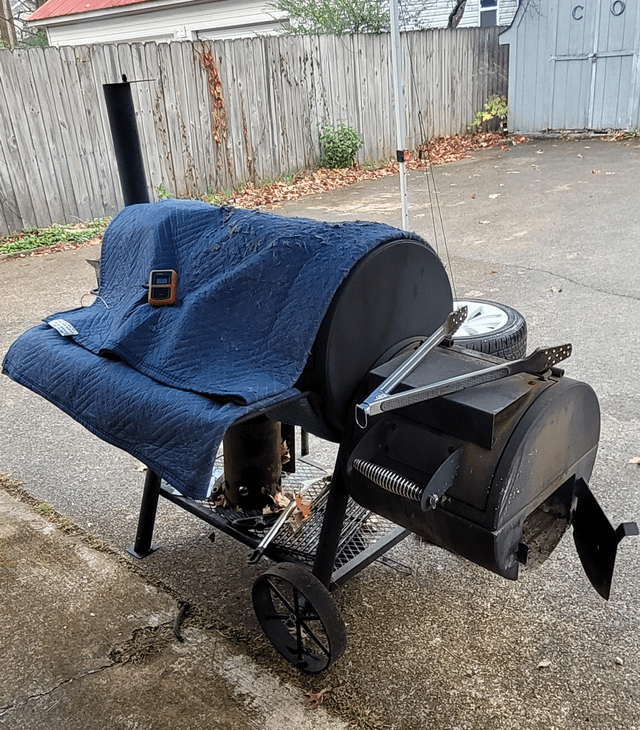
You love your smoker because it brings delicious flavors to your food. But if rust starts to take over, it can ruin your cooking and shorten your smoker’s life.
You don’t want to deal with flaky, rusty metal every time you fire it up. So, how can you protect your smoker from rust and keep it working perfectly for years? You’ll discover simple, effective tips that anyone can use to stop rust before it starts.
Keep reading to make sure your smoker stays in great shape and delivers mouthwatering meals every time.
Causes Of Rust On Smokers
Rust forms on smokers due to the metal reacting with moisture and oxygen. This reaction damages the surface and weakens the structure. Understanding the causes helps prevent rust and keeps your smoker in good shape. Several factors contribute to rust development on smokers.
Common Rust Triggers
- Exposure to water from rain or cleaning.
- Leaving the smoker uncovered in wet conditions.
- Food juices and grease that trap moisture.
- Scratches or chips in the paint or coating.
Environmental Factors
Humidity plays a big role in rust formation. High moisture in the air speeds up rusting. Coastal areas with salty air cause metal to corrode faster. Temperature changes lead to condensation on the metal surface. This moisture buildup invites rust.
Material Vulnerabilities
Not all metals resist rust equally. Steel smokers rust faster than those made of stainless steel. Thin metal parts are more prone to damage and rust. Poor-quality paint or coatings wear off quickly. This leaves the metal exposed to the elements.

Credit: ddrbbqsupply.com
Choosing Rust-resistant Materials
Choosing the right rust-resistant materials is key to protecting your smoker and making it last longer. The materials you select can prevent corrosion caused by weather, smoke, and moisture. Understanding different metals and coatings helps you make a smart choice that fits your needs and budget.
Types Of Metals Used
Smokers often use metals like stainless steel, cast iron, and carbon steel. Stainless steel stands out because it resists rust well and stays durable under high heat. Cast iron, while heavy, holds heat evenly but needs regular seasoning to avoid rust. Carbon steel is popular for its strength and affordability but requires protective coatings to prevent corrosion.
Think about where you plan to keep your smoker. If it’s outdoors and exposed to rain, stainless steel might save you from constant maintenance. If you prefer a classic look and don’t mind some upkeep, cast iron could be your choice.
Coatings And Finishes
Applying coatings and finishes is an effective way to boost rust resistance. High-temperature paints designed for grills create a barrier against moisture and oxygen. Powder coatings also offer strong protection and a smooth finish that resists chipping.
Some smokers come with porcelain enamel coatings. These coatings not only add a glossy look but also stop rust from forming on the metal underneath. Consider how easy it is to maintain these finishes—sometimes a quick wipe-down is all you need.
Benefits Of Stainless Steel
Stainless steel combines durability with low maintenance, making it a top pick for smokers. It naturally fights rust thanks to its chromium content, which forms a protective layer on the surface. You won’t have to worry about peeling paint or constant oiling.
Besides rust resistance, stainless steel heats evenly and cleans up easily. If you want a smoker that looks good and lasts for years without much fuss, stainless steel could be your best investment. Would you rather spend time cooking or fixing rust? The choice is yours.
Regular Cleaning Techniques
Clean your smoker after each use to remove ash and grease. Dry it thoroughly to stop moisture and rust. Apply a thin oil layer on metal parts to protect from rust.
Regular cleaning keeps your smoker rust-free and functional. It helps preserve the smoker’s materials and enhances its performance. Consistent maintenance prevents buildup, ensuring a longer lifespan. Here’s how to clean your smoker effectively.Tools And Supplies Needed
Gather these items before you start:- Soft brush or sponge
- Warm water
- Mild dish soap
- Dry cloth
- Protective gloves
- Vegetable oil or cooking spray
Step-by-step Cleaning Process
Start by unplugging the smoker. Allow it to cool completely. Remove all racks and trays. Submerge them in warm, soapy water. Use a soft brush to scrub off residue. Rinse thoroughly and dry with a cloth. Wipe the smoker’s interior with a damp sponge. Avoid harsh chemicals to prevent damage. Use a clean cloth to dry the inside completely. Apply a light coat of vegetable oil to prevent rust.Frequency Of Cleaning
Clean your smoker after every use. This prevents residue buildup. Regular cleaning keeps the smoker in top condition. Deep clean every few months for optimal maintenance. Adjust frequency based on use and weather conditions. Consistent upkeep ensures a longer-lasting smoker.
Credit: www.amazon.ca
Protective Coatings And Treatments
Protective coatings and treatments play a vital role in keeping your smoker safe from rust. These layers act as shields against moisture and heat, which cause metal to corrode. Applying the right coating helps maintain the smoker’s appearance and extends its life.
Choosing the proper treatment depends on the smoker’s material and how often you use it. Some coatings can withstand high temperatures, while others focus on preventing moisture damage. Regular care combined with these treatments ensures your smoker stays rust-free.
High-temperature Paints
High-temperature paints are specially designed to handle extreme heat. These paints create a strong barrier that protects metal surfaces from rust and cracking. They are ideal for smokers because they can tolerate the heat generated during cooking.
Apply the paint on a clean, dry surface for the best results. Let it dry completely before using the smoker. Reapply the paint as needed to maintain protection over time.
Rust Inhibitors
Rust inhibitors slow down the oxidation process on metal surfaces. They come in sprays, liquids, or wipes that form a protective layer. This layer blocks moisture and air, two main causes of rust.
Use rust inhibitors regularly, especially before storing the smoker. They work well on hinges, handles, and other metal parts prone to rust. Always follow product instructions for safe and effective use.
Seasoning Your Smoker
Seasoning involves coating the smoker’s interior with oil and heating it. This process creates a natural, rust-resistant layer inside the cooking chamber. It also improves the smoker’s flavor over time.
Choose a high smoke-point oil like vegetable or canola oil. Apply a thin layer and heat the smoker at a low temperature for a few hours. Repeat this process periodically to keep the protective layer strong.
Proper Storage Methods
Protecting your smoker from rust starts with how you store it. Proper storage methods can make a huge difference in keeping your equipment in top shape. It’s not just about where you place it, but also how you shield it from moisture and airflow.
Indoor Vs Outdoor Storage
Storing your smoker indoors is the safest way to prevent rust. A garage or shed offers protection from rain, snow, and humidity. If you don’t have indoor space, choose a spot outdoors that is covered and away from direct exposure to the elements.
Think about how long you plan to leave your smoker unused. Short-term outdoor storage might be okay with the right cover, but for long periods, indoor storage is best. Have you checked if your outdoor space collects water or traps moisture? That could speed up rust formation.
Use Of Covers And Shelters
Using a high-quality cover is essential if your smoker stays outside. Look for covers made from waterproof and breathable materials. These keep water out while allowing moisture inside to escape.
Don’t just throw any cover over your smoker. Make sure it fits snugly to prevent wind from lifting it up. Consider a small shelter or canopy to add extra protection without restricting airflow.
Ventilation Importance
Good ventilation reduces condensation, which causes rust. Whether your smoker is indoors or outdoors, ensure air can circulate around it. Avoid sealing it tightly in plastic or airtight containers, as trapped moisture will speed up corrosion.
Place your smoker on a raised surface, like a wooden pallet, to keep it off damp ground. This simple step helps air flow underneath and keeps moisture from settling. How often do you check your smoker for trapped humidity? Regular airing can save you from costly rust repairs.
Routine Maintenance Tips
Keeping your smoker rust-free requires regular attention. Routine maintenance is key to catching problems early and extending the life of your equipment. Small efforts, done consistently, prevent costly repairs and keep your smoker performing at its best.
Inspecting For Early Signs
Check your smoker thoroughly after each use and before storing it. Look closely for any discoloration, bubbling paint, or rough patches that might signal rust starting to form. Don’t ignore tiny spots—they can quickly grow if left untreated.
Ask yourself: Are there areas where water pools or the paint has chipped? These are prime locations for rust to develop. Catching these early can save you hours of repair later.
Repairing Small Rust Spots
If you spot small rust spots, tackle them immediately. Use a wire brush or sandpaper to remove the rust down to bare metal. Wipe the surface clean to remove dust and debris before applying a rust-resistant primer and high-temperature paint.
Think of it as patching a hole in your roof. The faster you seal it, the less damage you’ll face. Ignoring these spots invites bigger problems that could compromise your smoker’s structure.
Lubricating Moving Parts
Don’t forget the hinges, handles, and any moving parts on your smoker. Applying a food-safe lubricant keeps these parts moving smoothly and prevents rust buildup. This simple step reduces wear and tear and saves you from stuck or broken components.
Have you ever struggled with a rusty latch in the middle of a cook? Keeping these parts oiled ensures smooth operation every time you fire up your smoker.
Diy Rust Removal Solutions
Rust can quickly damage your smoker, affecting both its appearance and performance. Tackling rust at home with DIY solutions saves you time and money. Plus, it gives you control over the process, letting you choose the best approach for your smoker’s material and condition.
Natural Remedies
Natural rust removers are gentle and often use ingredients you already have. White vinegar is a popular choice because its acidity dissolves rust effectively. Soak a cloth in vinegar and rub the rusty spots, then scrub with a brush or steel wool for stubborn areas.
Baking soda also works well as a mild abrasive. Make a paste with water, apply it to the rust, and let it sit for about an hour. After that, scrub the area and rinse thoroughly. Lemon juice combined with salt can be another effective combo. The acid breaks down rust while salt acts as a scrubbing agent.
Commercial Rust Removers
If natural options don’t do the trick, commercial rust removers offer stronger solutions. These products are designed to tackle heavy rust quickly. Look for removers that specify safety for metals similar to your smoker’s construction.
Many commercial removers come in gel or spray forms, making application easy and precise. Follow the instructions closely for best results. Keep in mind that some products contain harsh chemicals that require careful handling.
Safety Precautions
Protect yourself during rust removal by wearing gloves and eye protection. Some rust removers, especially commercial ones, can irritate skin or damage eyes on contact. Work in a well-ventilated area to avoid inhaling fumes.
Before applying any remover, test it on a small, hidden spot of your smoker to check for adverse reactions. Never mix different chemical products together as this can create dangerous reactions. Taking these precautions keeps your rust removal effort safe and effective.
Seasonal Care Advice
Seasonal care is key to keep a smoker rust-free and durable. Each season brings unique challenges that affect metal surfaces. Proper care helps the smoker last longer and perform better.
Follow simple tips during winter, summer, and humid weather to protect your smoker. Small actions prevent rust and maintain its appearance.
Preparing For Winter
Clean the smoker thoroughly before cold weather arrives. Remove ash and grease, which can trap moisture. Cover the smoker with a waterproof cover to block rain and snow.
Store the smoker in a dry place if possible. Avoid leaving it outside exposed to freezing temperatures. Check for any scratches or cracks and touch them up with heat-resistant paint.
Summer Maintenance Strategies
Keep the smoker clean after each use. Wipe down surfaces to remove food residue and grease. Heat the smoker to burn off any leftover debris, which reduces rust risk.
Apply a thin layer of cooking oil on metal parts to create a protective barrier. Avoid placing the smoker in direct sunlight for long periods to prevent paint damage.
Handling Humid Conditions
Humidity speeds up rust formation on metal surfaces. Use a dehumidifier in storage areas when possible. Leave the smoker’s lid slightly open to allow air circulation.
Dry the smoker thoroughly after rain or washing. Inspect the smoker regularly for early signs of rust. Treat small rust spots immediately with a rust remover or sandpaper.

Credit: themeatstick.com
Frequently Asked Questions
How Can I Prevent Rust On My Smoker?
Keep your smoker clean and dry after each use. Apply a high-temperature resistant coating or oil to protect metal surfaces. Store your smoker in a covered, dry place to avoid moisture exposure.
What Is The Best Coating To Protect Smoker From Rust?
Use high-temperature paint or food-safe oil like vegetable oil. These coatings create a protective layer that prevents moisture and air from causing rust.
How Often Should I Clean My Smoker To Avoid Rust?
Clean your smoker after every use. Remove ash, grease, and food residue promptly. Regular cleaning stops rust-causing buildup and keeps your smoker in top condition.
Can Covering My Smoker Prevent Rust Effectively?
Yes, using a waterproof cover shields your smoker from rain and humidity. Ensure the cover fits well and allows airflow to prevent moisture buildup inside.
Conclusion
Protecting your smoker from rust keeps it working well for years. Clean it after each use and keep it dry. Cover it with a good, waterproof cover when not in use. Use rust-resistant paint or spray for extra protection. Store the smoker in a sheltered place during bad weather.
Small steps make a big difference in stopping rust. Enjoy grilling without worry, knowing your smoker stays strong and rust-free. Simple care helps your smoker last longer and perform better every time.

