
You’ve invested in a portable grill because you love cooking outdoors anytime you want. But what happens when the rain starts pouring?
Protecting your grill from rain isn’t just about keeping it dry—it’s about saving your money, maintaining its performance, and making sure your next cookout isn’t ruined. If you want to keep your grill in top shape no matter the weather, this guide will show you simple and effective ways to shield it from the rain.
Keep reading to discover easy tips that will help you protect your portable grill and enjoy grilling all year round.

Credit: www.amazon.com
Choose A Waterproof Cover
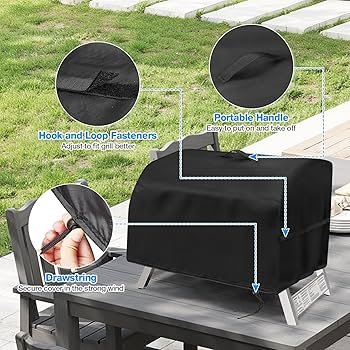
Choosing a waterproof cover is one of the smartest moves to protect your portable grill from rain. A good cover acts like a shield, keeping moisture out and preventing rust or damage. But not every cover offers the same level of protection, so you need to know what to look for.
Materials That Resist Water
Look for covers made from heavy-duty fabrics like polyester or vinyl. These materials have tight weaves and waterproof coatings that keep water from seeping through. Some covers even come with an extra layer of UV protection, which helps if you leave your grill outside for long periods.
Think about your local weather too—does it rain lightly or pour heavily? A thicker material can handle downpours better, while a lighter cover might be enough for occasional drizzles. Also, check if the cover has sealed seams, which stop water from sneaking in through stitching holes.
Proper Fit For Maximum Protection
A cover that’s too big or too small won’t protect your grill well. If it’s loose, wind can blow rain underneath. If it’s tight, it might tear easily or not cover important parts like the legs or handles.
Measure your grill before buying a cover. Pay attention to height, width, and depth. Many covers come with adjustable straps or elastic hems—these features help keep the cover snug during storms.
Have you ever left your grill covered, only to find puddles of water inside? That usually means the cover didn’t fit right or wasn’t secured properly. Take your time to ensure a tight fit—it saves you from extra cleaning and damage later on.
Credit: theraleighbeergarden.com
Position Your Grill Strategically
Positioning your portable grill thoughtfully can make a big difference in protecting it from rain damage. Choosing the right spot not only keeps your grill dry but also makes cleanup easier and extends its lifespan. Have you ever noticed how a simple change in location can prevent a lot of post-rain maintenance?
Sheltered Locations
Look for spots that naturally shield your grill from rain, such as under a patio cover, awning, or large tree. These areas reduce direct exposure to rainfall and help keep the grill dry for longer periods.
If you don’t have a permanent cover, consider placing the grill close to your house or garage where overhangs provide some protection. Just make sure the area is well-ventilated to avoid smoke buildup when grilling.
Avoiding Water Accumulation
Place your grill on a surface that doesn’t collect water, like a raised deck or concrete slab. Avoid spots where water pools after rain, as standing water can cause rust and damage.
Check the ground slope around your grill—ensure water drains away rather than toward it. You might add a simple gravel base or pavers to improve drainage and keep moisture from settling underneath.
Use A Grill Tent Or Canopy
Using a grill tent or canopy is one of the best ways to shield your portable grill from rain. It creates a dry zone that protects your grill from water damage and keeps your cooking area comfortable. Plus, it lets you keep grilling even when the weather turns wet.
Selecting The Right Canopy
Not all canopies are built the same. Look for one with waterproof fabric and sturdy frames that can withstand wind and rain. A canopy with side panels adds extra protection against sideways rain, which often sneaks in unnoticed.
Consider the size carefully. Your canopy should be large enough to cover your grill and provide some space for you to move around safely. Think about portability, too—lightweight models with easy setup features make rainy day grilling less of a hassle.
Setting Up For Rainy Days
Position your canopy on level ground to ensure stability and avoid water pooling. Secure it firmly using stakes or weighted bags, especially if the weather forecast predicts wind alongside rain. Don’t forget to angle the canopy roof slightly so water runs off instead of collecting on top.
Keep your grill centered under the canopy but allow some space around it for ventilation and safe handling. You might also want to place a waterproof mat beneath the grill to protect the ground and make cleaning easier after a wet day.

Credit: www.amazon.com
Apply Rust-resistant Treatments
Applying rust-resistant treatments protects your portable grill from rain damage. Rust forms when metal meets moisture and air. This weakens your grill and shortens its life. Using protective coatings creates a barrier to keep water away. These treatments help maintain the grill’s appearance and function. Regular care prevents rust and keeps grilling safe and enjoyable.
Types Of Protective Coatings
Several rust-resistant coatings work well on portable grills. Choose one based on your grill’s material and use.
- High-Temperature Paint:Designed for grills, it withstands heat and prevents rust.
- Rust Converter:Turns rust into a protective layer, stopping further corrosion.
- Clear Sealants:Transparent coatings that block moisture without changing grill color.
- Oil-Based Rust Inhibitors:Penetrate metal pores to repel water and air.
- Wax Coatings:Form a water-resistant layer but may need frequent reapplication.
Frequency Of Application
How often to apply rust-resistant treatments depends on weather and grill use. Inspect your grill regularly for signs of rust or wear.
- Apply coatings before the rainy season or heavy use periods.
- Reapply every 3 to 6 months for best protection.
- Touch up scratches or exposed metal spots immediately.
- After cleaning your grill, recoat to maintain protection.
Maintain Proper Drainage
Proper drainage prevents water from pooling around the grill, stopping rust and damage. Ensure the grill is on a sloped surface or use a stand with drainage holes. This keeps rainwater flowing away, protecting your portable grill effectively.
Maintaining proper drainage is crucial to safeguarding your portable grill from rain damage. When water accumulates, it can lead to rust, corrosion, and even impact the grill’s performance. Focusing on drainage can extend the lifespan of your grill and ensure it remains in top-notch condition, even in damp weather.Clearing Drip Pans And Vents
Regularly check and clean your grill’s drip pans and vents. These components can easily become clogged with grease and debris, obstructing water flow. A simple cleaning routine after each use can prevent this buildup, allowing rainwater to drain efficiently. Use a brush or a soft cloth to clear the vents and pans. Pay attention to the edges where grease tends to accumulate the most. You’ll find that a clean grill not only performs better but also faces fewer risks from rain exposure.Preventing Water Build-up
Think about where you place your grill. Position it on a slight incline if possible, so water naturally flows away. If your backyard or patio doesn’t have a slope, consider using a grill mat with channels designed to direct water flow. You can also raise your grill slightly using wooden blocks or bricks. This lifts it off the ground, minimizing contact with pooled water during heavy rains. Are you ready to make these small adjustments to protect your grilling investment?Store Your Grill Indoors When Possible
Storing your portable grill indoors is the best way to protect it from rain. Keeping it inside prevents rust and damage caused by moisture. It also extends the life of your grill and keeps it ready for the next use. Finding a safe indoor spot is important for long-term care.
Garage And Shed Storage Tips
Garages and sheds provide excellent shelter from rain and weather. Make sure the area is dry and well-ventilated to avoid humidity buildup. Use a grill cover for extra protection, even indoors. Keep the grill off the floor by placing it on a stand or shelf. This prevents water damage from any spills or leaks.
Transporting Your Grill Safely
Moving your grill indoors requires care. Secure all parts to avoid damage during transport. Use padding or blankets to protect delicate parts. Lift the grill carefully, avoiding sudden movements. If the grill is heavy, ask for help to prevent accidents. Always check the grill for cleanliness before storing it indoors to avoid odors or pests.
Regular Cleaning After Exposure
Regular cleaning after your portable grill gets wet is essential. Rain can leave moisture and dirt that harm the grill’s surface. Cleaning keeps the grill in good shape and ready for the next use. It helps avoid rust and damage that reduce the grill’s life. Simple steps make a big difference in protecting your investment.
Removing Moisture And Debris
Start by wiping off all water drops with a soft cloth. Check the grill’s corners and crevices for trapped moisture. Use a brush to clear away leaves, dirt, and food crumbs. Avoid harsh chemicals that can damage the grill’s finish. A gentle soap and warm water mix works well. Make sure to clean both inside and outside surfaces carefully.
Drying Techniques To Prevent Damage
After cleaning, dry the grill completely to stop rust. Open the grill lid and let air circulate inside. Use a dry towel to wipe any wet spots. Place the grill in a sunny area for faster drying. Avoid storing the grill while damp, as moisture causes corrosion. Proper drying keeps your grill looking new and working well.
Frequently Asked Questions
How Can I Waterproof My Portable Grill Effectively?
Use a high-quality grill cover made of waterproof material. Ensure the cover fits snugly to prevent water entry. Store the grill in a sheltered area when not in use. Applying a protective spray can also help repel moisture and rust.
What Materials Protect Grills Best From Rain?
Materials like heavy-duty polyester with waterproof coating work best. Vinyl covers offer excellent water resistance and durability. Avoid thin fabrics that absorb water. Look for UV-resistant and breathable covers to prevent mold and rust.
Is Storing The Grill Indoors Necessary During Rain?
Yes, storing indoors provides the best protection from rain and moisture. If indoor space is unavailable, use a waterproof grill cover and place the grill under a porch or canopy. Avoid direct rain exposure to extend your grill’s lifespan.
Can Rain Damage The Grill’s Electrical Components?
Yes, rain can short-circuit electrical parts and cause rust. Always disconnect electrical grills before rain exposure. Use waterproof covers and keep the grill dry. Regularly check and maintain electrical connections to prevent damage.
Conclusion
Protecting your portable grill from rain keeps it working longer. Use a good cover to stop water damage. Store the grill in a dry place when not in use. Clean and dry the grill after every use. Simple steps save time and money on repairs.
Enjoy outdoor cooking without worry about the weather. Taking care of your grill helps it last for years. Stay ready for your next barbecue, rain or shine.

