
If you love grilling outdoors, you know how frustrating it can be when windy weather gets in the way. Strong gusts don’t just make cooking difficult—they can also damage your gas grill or even create safety hazards.
But don’t worry. You can protect your grill and keep your cooking safe and smooth, no matter how blustery it gets. You’ll discover simple, effective tips to shield your gas grill from the wind. Keep reading to make sure your next barbecue is a success, rain or shine.
Choosing The Right Location
Choosing the right location for your gas grill is key to safe and effective cooking in windy areas. Wind can affect flame stability and heat distribution. It can also pose safety hazards if the grill is placed near flammable objects or structures. Selecting a spot that reduces wind impact helps maintain a steady flame and protects your grill from damage.
Sheltered Spots
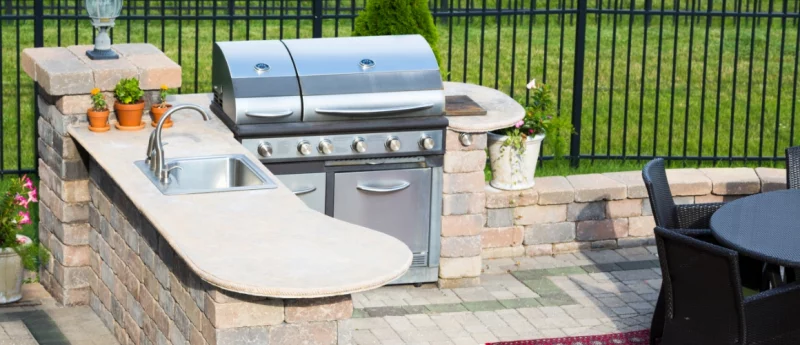
Look for places that block wind naturally. Walls, fences, or large plants can act as shields. These barriers reduce wind speed around the grill. Avoid open spaces where wind flows freely. A sheltered spot keeps the flame steady and prevents ashes from blowing around.
Avoiding Flammable Materials
Keep the grill away from dry leaves, paper, or wooden decks. These materials catch fire easily. Check the area for loose debris before setting up. Clear the ground of anything that can burn. This step lowers the risk of accidental fires caused by sparks or heat.
Distance From Structures
Place your grill at least 10 feet away from buildings and overhangs. Heat and flames can damage walls or roofs. This distance also protects your home in case of flare-ups. Ensure the grill is on a flat, stable surface to avoid tipping. Safe spacing helps prevent accidents and property damage.

Credit: themeatstick.com
Stabilizing The Grill
Stabilizing your gas grill in windy areas is essential to keep it safe and functional. A shaky grill not only risks tipping over but can also disrupt cooking, leading to uneven heat and potential hazards. Taking simple steps to secure your grill helps you enjoy your outdoor cooking without constant worry about the wind.
Using Windbreaks
Placing windbreaks around your grill creates a shield that blocks strong gusts. You can use materials like wooden panels, lattice screens, or even large potted plants to reduce wind exposure. Have you tried positioning your grill near a wall or fence? This natural barrier can make a big difference in stabilizing the flame and temperature.
Securing The Grill Base
Make sure your grill stands firmly on a flat surface. If the ground is uneven, use shims or adjustable feet to level it out. Attaching your grill’s legs to a stable platform or deck can prevent it from tipping over in sudden gusts. Have you checked if the screws and bolts on your grill’s base are tight? Loose parts can make the entire unit unstable, especially in windy conditions.
Weighted Accessories
Adding weight to your grill base is a smart way to keep it grounded. You can use heavy-duty sandbags, bricks, or specially designed weights made for grills. These keep your grill steady without damaging it or the surface underneath. Have you noticed how a few extra pounds can stop a grill from rocking? Weighted accessories are a simple, practical solution to wind problems.
Wind-resistant Grill Features
Protecting your gas grill from strong winds means looking for features designed to keep the flame steady and your cooking consistent. Wind-resistant grills come with specific elements that help block gusts and maintain heat. Knowing what to look for can save you from flare-ups and uneven cooking on windy days.
Wind Guards
Wind guards act as shields that block the wind from reaching the flame directly. They are usually metal panels placed around the burners to create a barrier. This simple feature helps keep the flame steady, so you don’t have to worry about it going out or flickering during cooking.
Have you noticed how a small wall or fence can completely change the wind flow? Wind guards work the same way for your grill, making a big difference in windy conditions.
Enclosed Burners
Enclosed burners are built inside a protective housing that limits exposure to wind. This design keeps the burner flame more stable and prevents heat loss caused by gusts. With enclosed burners, you get more reliable heat, which means better cooking results even on blustery days.
If you’ve ever struggled to light a grill in the wind, enclosed burners can be a game-changer. They help you start and maintain the fire with less frustration.
Heavy-duty Construction
Grills made from thick, heavy materials are less likely to move or tip over in strong winds. Heavy-duty construction also often means better insulation, which helps keep the heat inside the grill. This ensures your grill stays steady and cooks food evenly without being affected by the weather.
Think about how a sturdy table doesn’t shake when you lean on it—your grill should offer the same stability. A solid build not only protects your grill but also keeps your cooking safe and consistent.
Safe Lighting Techniques
Protect a gas grill from wind by placing it in a sheltered spot or using windbreaks. Always check for gas leaks and keep the grill stable to prevent accidents. Wind can cause flames to flicker or go out, so adjust flame settings carefully.
Lighting a gas grill safely in windy areas requires special techniques. Wind can cause irregular flames or extinguish them unexpectedly. Knowing safe lighting techniques ensures a smooth grilling experience. Below are key methods to light your gas grill safely.Using Long Matches Or Lighters
Long matches or lighters are essential tools for grilling in windy areas. They keep your hands away from the flame. This reduces the risk of burns. Wind can blow out short matches easily. Longer tools help maintain a steady flame. Choose wind-resistant models for added safety. These are designed to stay lit in breezy conditions.Lighting In Low-wind Moments
Timing is crucial when lighting a grill in the wind. Wait for a lull in the wind. It helps maintain a stable flame. Observe weather patterns. Use natural breaks to your advantage. This reduces the risk of accidents. It also ensures even lighting of the grill.Checking For Gas Leaks
Safety first. Always check for gas leaks before lighting your grill. Use a soap and water solution. Apply it to connections and hoses. Bubbles indicate a leak. Fix leaks immediately before use. This prevents dangerous situations. Regular checks enhance overall safety.Operating The Grill In Wind
Operating a gas grill in windy conditions requires extra attention and care. Wind can affect how your grill functions, impacting flame control and cooking results. Knowing how to manage the flame and protect it from gusts helps keep your grilling safe and efficient.
Adjusting Flame Settings
Lowering the flame can prevent it from being blown out by strong winds. You don’t need a roaring flame to cook well; a steady, controlled flame works better in windy situations.
Try setting the burners to a medium or low level first. Watch how the flame behaves and adjust slowly to find the best balance between heat and stability.
Monitoring Flame Stability
Keep an eye on the flame throughout cooking. Wind can cause flickering or uneven flames, which may affect cooking times and safety.
If you notice the flame struggling or going out frequently, pause cooking and shield the grill or adjust the flame again. Regular checks help avoid flare-ups or gas leaks.
Avoiding Sudden Wind Gusts
Position your grill so that large objects block the wind, like walls, fences, or parked vehicles. This reduces exposure to sudden gusts that can disrupt your cooking.
Consider using a windbreak or portable screen designed for grills. Even a simple board placed strategically can make a big difference in preventing wind-related problems.
Credit: www.creativecoversinc.com
Post-cooking Safety
Post-cooking safety is just as important as grilling itself, especially in windy areas where unexpected gusts can cause hazards. Taking the right steps after you finish cooking helps prevent accidents and keeps your grill in good shape for the next use. Let’s look at how to safely handle your gas grill once the last burger is off the flame.
Properly Shutting Off Gas
Always turn off the gas supply at the tank first, not just the grill knobs. This stops the flow of gas completely and reduces the chance of leaks. Double-check that all burner valves are closed to avoid gas escaping into the open air where wind can spread it.
Have you ever noticed a lingering gas smell after grilling? That often means the gas wasn’t fully shut off. Taking an extra moment here can prevent dangerous flare-ups or accidental fires caused by wind blowing gas around.
Cooling Down Period
Allow your grill to cool down naturally before covering or moving it. Wind can quickly carry heat and embers, so stepping back and letting everything settle keeps you and your surroundings safe. A good practice is to wait at least 30 minutes after cooking ends.
During this time, keep the grill’s lid closed to contain residual heat and prevent flare-ups from leftover grease. This also helps your grill parts last longer by avoiding rapid temperature changes caused by cold wind hitting hot surfaces.
Covering And Storing The Grill
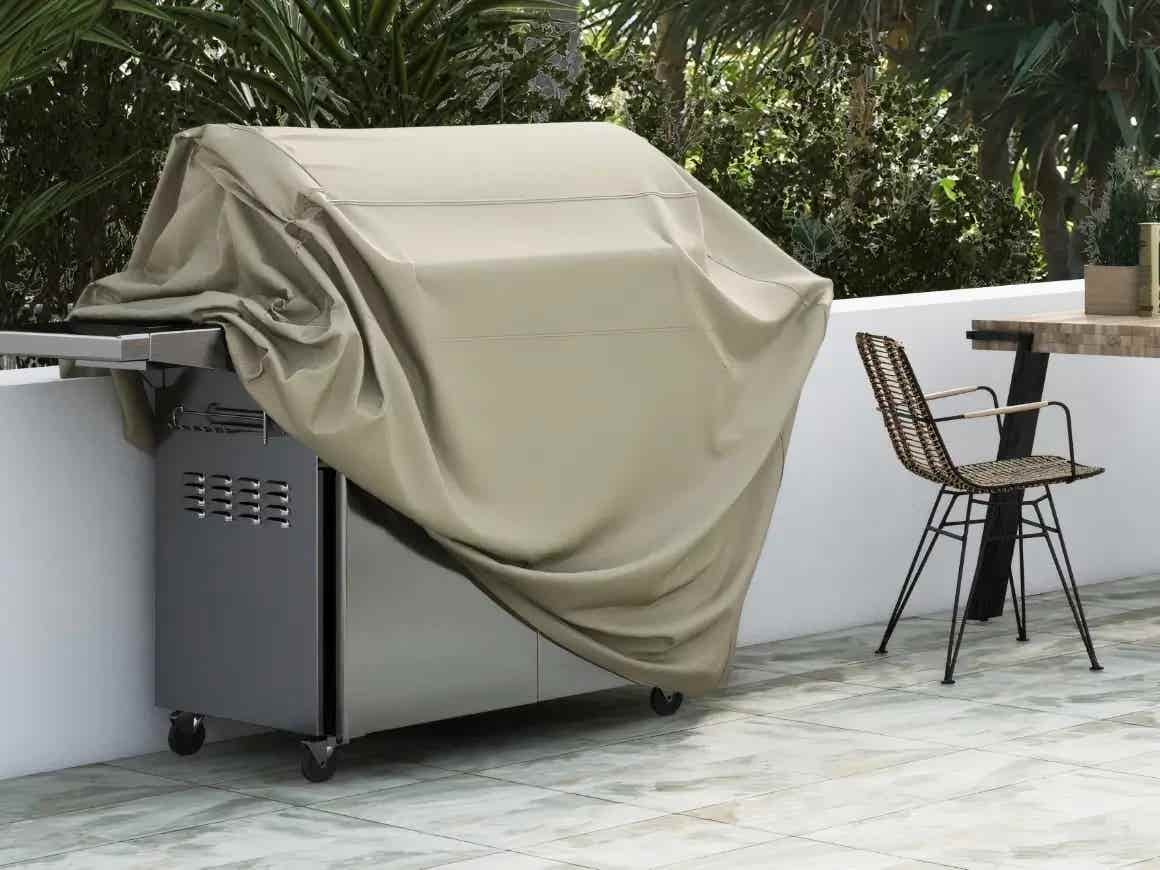
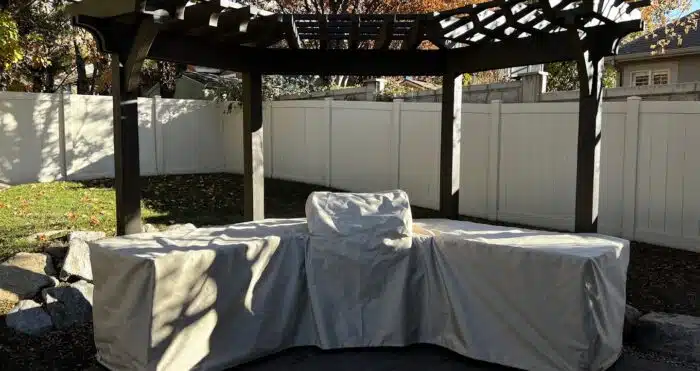
Once cooled, cover your grill with a sturdy, wind-resistant cover designed for your model. This blocks wind from blowing debris or moisture into the grill, which can cause rust and damage. Make sure the cover fits snugly to avoid it flying off during strong gusts.
If possible, store your grill in a sheltered spot like a garage or under a patio roof. If outdoor storage is your only option, secure the grill with weights or tie-downs to prevent tipping in windy conditions. How often do you check your grill’s cover and storage setup before a windy day?
Regular Maintenance Tips
Regular maintenance keeps your gas grill safe and working well in windy areas. It helps avoid problems that wind can cause. Check your grill often to spot issues early. Clean and fix parts to keep flames steady and strong. This section covers key maintenance tasks to protect your grill.
Inspecting For Damage
Look over the grill for cracks, rust, or dents. Pay close attention to the body and legs. Damage can make the grill unstable in wind. Replace broken parts to keep the grill safe. Check the lid and cooking grates for wear too.
Cleaning Burners And Vents
Remove dirt and debris from burners to keep flames steady. Blocked burners cause uneven heat and flare-ups. Clean vents to ensure good airflow. Use a brush or a soft cloth for cleaning. Regular cleaning prevents clogs that wind can worsen.
Checking Hose Connections
Examine hoses for cracks or leaks near connections. Tighten loose fittings to avoid gas leaks. Use soapy water to test for leaks—bubbles show gas escaping. Replace damaged hoses immediately. Proper hose care stops dangerous gas leaks in windy conditions.
Credit: www.coversandall.co.uk
Frequently Asked Questions
How Can I Shield My Gas Grill From Strong Winds?
Place your grill near a solid windbreak like a wall or fence. Use a grill windscreen or shield to block gusts. Position the grill so the wind blows away from the flame. These steps prevent flame disruption and maintain consistent cooking.
What Materials Work Best For Grill Wind Protection?
Use sturdy, weather-resistant materials like metal or heatproof glass for wind barriers. Avoid flammable materials near the grill. A metal screen or tempered glass shield can effectively block wind while withstanding heat safely.
Is It Safe To Use A Wind Guard With A Gas Grill?
Yes, using a wind guard is safe if designed for grills. It helps protect the flame and improves heat retention. Always follow manufacturer guidelines to ensure proper ventilation and prevent gas buildup for safe operation.
How Does Wind Affect Gas Grill Performance?
Wind can blow out the flame, causing uneven cooking. It reduces heat retention and wastes fuel. Protecting your grill from wind ensures stable flames, consistent temperature, and better grilling results.
Conclusion
Protecting your gas grill in windy areas keeps cooking safe and easy. Place the grill in a sheltered spot to block strong winds. Use windbreaks or barriers for extra shield. Always check for gas leaks before lighting the grill. Keep the grill cover handy to protect from dust and debris.
Regular cleaning helps the grill work well in any weather. Small steps make a big difference for grilling outdoors. Enjoy your meals without worry, even on windy days. Stay safe and keep grilling fun all year round.

