
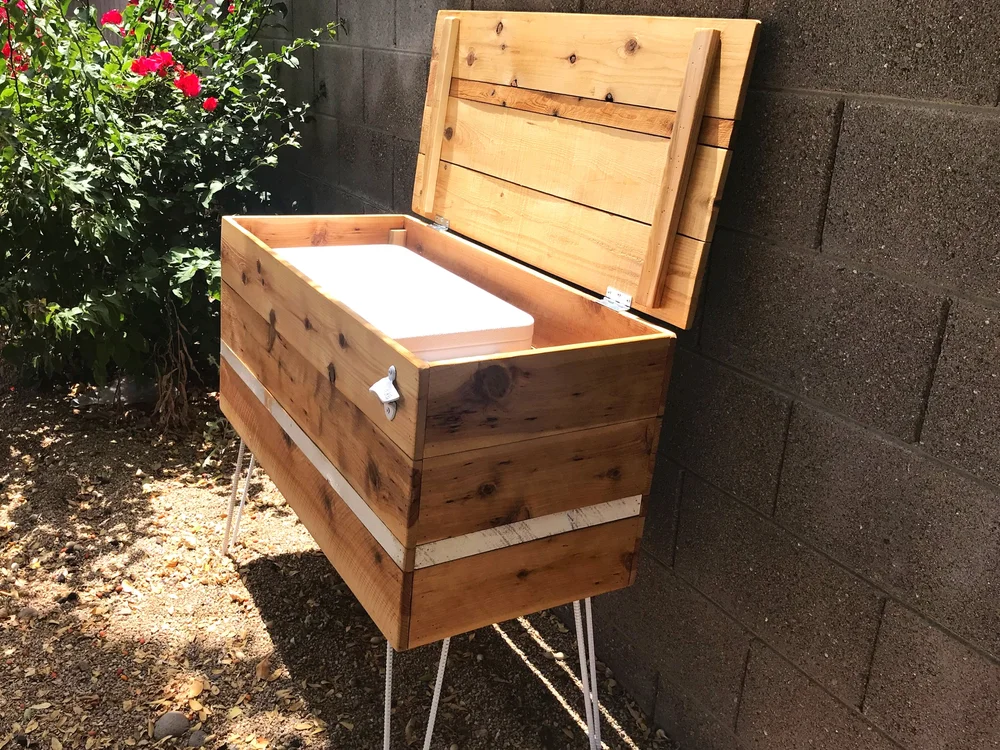
Your deck box is a great way to store outdoor essentials, but pests can turn it into their new home if you’re not careful. Imagine opening your deck box and finding unwanted bugs, spiders, or even rodents inside.
That’s frustrating, right? You want to keep your belongings safe and clean. You’ll discover simple and effective ways to protect your deck box from pests. By the end, you’ll have easy tips that help you enjoy your outdoor space without worrying about creepy invaders.
Keep reading to learn how to safeguard your deck box and keep pests away for good.
Common Pests In Deck Boxes
Deck boxes provide great storage for outdoor items. Yet, they often attract pests. These unwanted guests can damage your belongings and create a mess. Knowing the common pests helps protect your deck box better. Watch for signs early to avoid serious problems.
Types Of Pests To Watch For
- Ants – They build nests inside and carry food crumbs.
- Spiders – They spin webs in corners and dark spots.
- Termites – These eat wood and cause structural damage.
- Rodents – Mice and rats chew on plastic and fabric.
- Beetles – Some bore into wood and damage surfaces.
- Wasps – They build nests under the lid or sides.
- Silverfish – These pests feed on paper, fabric, and glue.
Signs Of Pest Infestation
- Small holes or chew marks on the deck box material.
- Webs or nests inside or around the box.
- Unusual odors from droppings or decayed material.
- Scattered debris or food crumbs inside the box.
- Sounds like scratching or scurrying from within.
- Visible insects or rodents near or inside the box.
- Sticky residue or trails left by ants or other pests.

Credit: sunnydazedecor.com
Choosing Pest-resistant Materials
Choosing the right materials for your deck box is key to keeping pests away. Some materials naturally resist insects and rodents better than others, reducing the need for constant maintenance. Understanding which materials work best can save you time and money while protecting your stored items.
Best Materials For Deck Boxes
Wood is a popular choice, but not all wood is equal when it comes to pest resistance. Cedar and redwood contain natural oils that repel insects like termites and ants.
Plastic deck boxes offer a strong barrier against pests because they don’t provide food or nesting material. They’re also easy to clean, which helps avoid attracting bugs.
Metal options, such as aluminum or steel, are highly durable and pest-proof. However, they can get hot in the sun, so consider where your box will be placed.
- Cedar:Naturally repels insects and resists rot.
- Redwood:Durable and pest-resistant with a rich color.
- Plastic:Impervious to pests and low maintenance.
- Metal:Strong and pest-proof but may heat up.
Treatments That Deter Pests
Applying treatments can enhance your deck box’s resistance to pests. Wood sealants and stains not only protect against moisture but can also repel insects.
Consider using non-toxic, pest-repelling oils like neem or orange oil to keep bugs at bay without harming the environment or your stored items.
Regularly inspecting and maintaining your box with these treatments can prevent infestations before they start. Do you check your deck box for early signs of pests often enough?
- Wood sealants with insect-repellent properties
- Natural oils such as neem or orange oil
- Non-toxic sprays designed for outdoor wooden furniture
Proper Placement Of Deck Boxes
Proper placement of deck boxes plays a big role in keeping pests away. Choosing the right spot helps stop bugs and rodents from making a home inside. It also keeps your stored items safe and dry. Positioning the box well reduces the chance of damage and costly repairs.
Ideal Locations To Avoid Pests
- Place deck boxes away from garden beds and bushes.
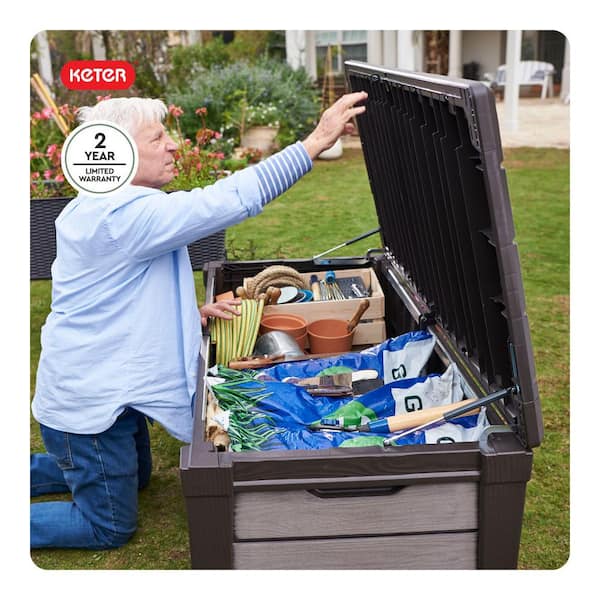
- Keep them off the ground using a platform or blocks.
- Avoid areas with heavy leaf or plant debris nearby.
- Choose spots with good sunlight and air flow.
- Stay clear of wood piles or compost bins close by.
Avoiding Moisture And Shelter For Pests
Moisture attracts many pests like insects and rodents. Avoid placing deck boxes near sprinkler systems or low spots where water pools. Keep the box elevated to prevent water damage and mold. Remove leaves and debris around the box regularly. This removes hiding places and shelters for pests.
Credit: www.homedepot.com
Regular Cleaning And Maintenance
Keeping your deck box free from pests starts with regular cleaning and maintenance. Dirt, moisture, and leftover debris attract unwanted insects and rodents. A clean deck box not only looks better but also lasts longer and protects your stored items effectively.
Cleaning Techniques To Prevent Pests
Start by emptying your deck box completely. Use a stiff brush or vacuum to remove dirt, leaves, and any spider webs hiding in corners. Wipe the interior and exterior with a mild soap solution to eliminate residues that might invite pests.
Make sure the box dries thoroughly before you put anything back inside. Moisture creates the perfect environment for mold and bugs. Consider placing silica gel packets or moisture absorbers inside to keep humidity low.
Do you check your deck box after every storm or heavy wind? Debris often gets blown inside, providing shelter for pests. Simple, frequent clean-ups prevent bigger infestations.
Inspecting For Early Signs Of Infestation
Look closely for small holes, droppings, or gnaw marks on and around your deck box. These signs can appear before you notice the pests themselves. Early detection lets you act before damage worsens.
Inspect seals and hinges for rust or damage that might let pests sneak in. Tighten screws and replace worn parts promptly to keep your deck box secure. Have you ever found a tiny ant trail leading inside? That’s your cue to act fast.
Make it a habit to check your deck box weekly during warm months. Regular inspections help catch infestations early and save you time and money on repairs later.
Using Natural Pest Repellents
Using natural pest repellents offers a safe and eco-friendly way to protect your deck box from unwanted insects. These repellents not only keep pests at bay but also avoid harsh chemicals that can damage your outdoor space or harm beneficial wildlife. Let’s look at some effective natural options and how to apply them safely to maintain a pest-free deck box.
Herbs And Oils That Keep Pests Away
Certain herbs and essential oils have strong scents that pests dislike, making them perfect natural repellents. Lavender, mint, rosemary, and basil are great herbs to plant near your deck box or keep in small pots on or around it.
Essential oils such as peppermint, eucalyptus, and citronella work well too. You can mix a few drops with water in a spray bottle and apply it to your deck box’s surface. The fresh smell not only deters bugs but also leaves your deck smelling pleasant.
- Lavender:Repels moths, fleas, and flies.
- Mint:Keeps ants and spiders away.
- Peppermint oil:Effective against mosquitoes and ants.
- Citronella oil:Known for deterring mosquitoes.
Safe Application Methods
Applying these natural repellents correctly ensures they work without damaging your deck box. Always dilute essential oils with water or carrier oils to avoid staining or surface damage. Use a spray bottle to distribute the mixture evenly and avoid soaking the wood or plastic.
Reapply the spray every few days or after rain to maintain effectiveness. You can also place small sachets of dried herbs inside or around the deck box to continuously repel pests without needing constant reapplication.
Have you noticed a difference after trying a natural repellent? Sometimes a little experiment with different herbs or oils can reveal what works best for your specific environment.
Sealing Gaps And Entry Points
Seal all cracks and holes around the deck box to stop pests from entering. Use weatherproof caulk or foam to fill gaps tightly. This simple step keeps bugs and small animals out, protecting your stored items.
Sealing Gaps and Entry Points is crucial for protecting your deck box from pests. Small openings allow insects and rodents to invade. They can damage your belongings and create a mess. By sealing these entry points, you can safeguard your deck box effectively.Identifying Vulnerable Areas
Start by examining your deck box carefully. Look for cracks, holes, and gaps. Focus on the corners and edges. Inspect the hinges and handles too. These spots often have tiny openings. Use a flashlight to see better. Pay attention to the bottom of the box. Small pests can slip through unnoticed.Effective Sealing Materials
Choose the right materials for sealing. Silicone caulk works well for small cracks. It is flexible and long-lasting. Weatherstripping tape is ideal for larger gaps. It adheres easily and is waterproof. For metal boxes, try using rubber gaskets. They provide a tight seal against pests. Always clean the area before applying any sealant. This ensures better adhesion and effectiveness.Storing Items To Minimize Pest Attraction
Storing items inside a deck box requires care to keep pests away. Proper storage reduces the chances of insects and rodents finding a home. Small habits in organizing and choosing what to store can make a big difference. Clean, dry, and well-arranged contents help maintain a pest-free space.
Organizing Contents Properly
Use clear bins or containers inside the deck box for better organization. Group similar items together to avoid clutter. Keep items off the deck box floor using small shelves or pallets. This improves air flow and reduces dampness. Label containers to find things easily without opening everything.
Avoiding Food And Moisture Traps
Never store food or snacks in the deck box. Food crumbs attract ants, mice, and other pests quickly. Make sure all items are dry before storing them. Moisture encourages mold and insects like silverfish. Use silica gel packs or moisture absorbers to keep the area dry. Check the box regularly for leaks or damp spots.
Dealing With Existing Infestations
Treat existing infestations quickly by removing pests and cleaning the deck box thoroughly. Use safe insect sprays or traps to stop pests from returning. Regular checks help catch problems early and keep your deck box pest-free.
Dealing with an existing pest infestation in your deck box can be frustrating. These unwanted guests not only damage your belongings but also disrupt your peace of mind. But don’t worry, there are effective ways to tackle this issue.Safe Pest Removal Strategies
First and foremost, identify the type of pest you’re dealing with. This will guide your next steps effectively. If you’re facing ants or spiders, using a natural repellent like peppermint oil can be surprisingly effective. Simply mix a few drops of the oil with water and spray it around the deck box. For larger pests like rodents, humane traps are a great option. They allow you to catch and release the animal without causing harm. Remember to check the traps frequently to ensure the animals don’t suffer needlessly. In cases where insects have nested in your deck box, vacuum them out. This removes the pests without introducing harmful chemicals. Be sure to dispose of the vacuum bag immediately to prevent re-infestation.When To Seek Professional Help
Sometimes, DIY methods aren’t enough, and it’s crucial to recognize when to call in the experts. If you’ve tried multiple strategies and the pests keep coming back, it might be time to consult a pest control professional. Severe infestations, like termites, require professional intervention. These pests can cause significant damage in a short time. Professionals have the tools and expertise to eliminate them safely and effectively. Also, consider professional help if you have allergies or sensitivities to pests or chemicals. Your health should always be a top priority. By seeking expert assistance, you ensure the problem is handled efficiently, allowing you to enjoy your outdoor space without worry.
Credit: www.decks.com
Frequently Asked Questions
How Do Pests Damage A Deck Box?
Pests like insects and rodents chew on materials, causing structural damage. They can also contaminate stored items, making the deck box unsafe to use.
What Are The Best Pest Repellents For Deck Boxes?
Natural repellents like cedar oil and peppermint spray work well. Chemical repellents are effective but should be used carefully to avoid damage to the deck box.
How Often Should I Inspect My Deck Box For Pests?
Inspect your deck box monthly, especially during warm seasons. Regular checks help catch infestations early and prevent extensive damage.
Can Sealing Gaps Prevent Pests In Deck Boxes?
Yes, sealing gaps and cracks blocks pest entry points. Use weather-resistant caulk or foam to close openings around the deck box.
Conclusion
Protecting your deck box from pests takes regular care and simple steps. Keep the area clean and dry to stop bugs from settling. Use natural repellents or safe barriers to keep pests away. Check your deck box often for signs of damage or unwanted visitors.
Small actions make a big difference in keeping your storage safe. A well-maintained deck box lasts longer and stays pest-free. Stay attentive and enjoy your outdoor space without worry.

