
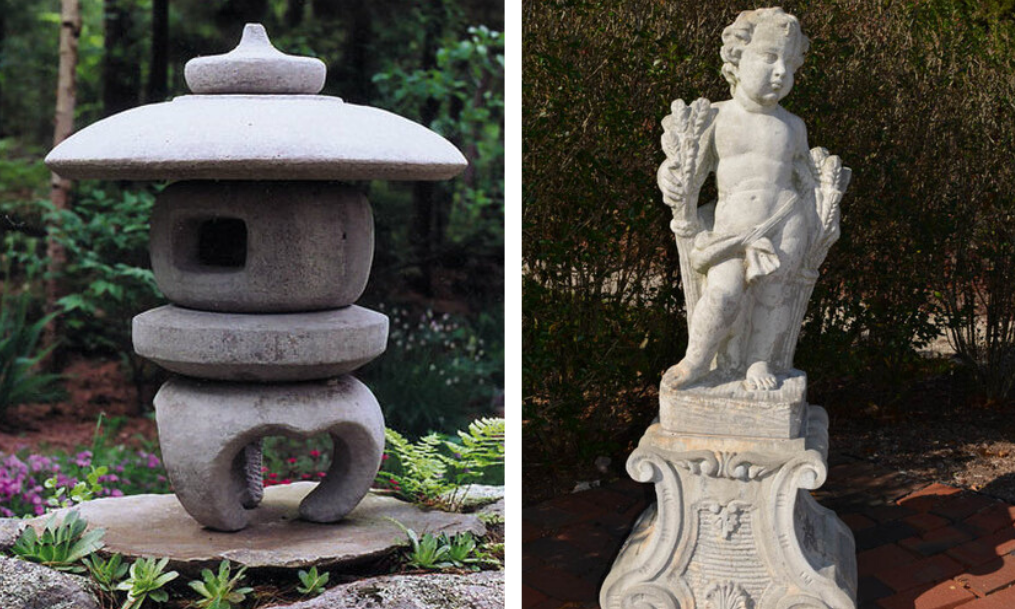
Your concrete garden statues add charm and personality to your outdoor space. But have you noticed how weather, dirt, and time can wear them down?
If you want your statues to stay beautiful and strong for years, you need simple ways to protect them. You’ll discover easy, effective tips that anyone can use to keep your garden statues looking their best. Ready to learn how to guard your favorite pieces from damage?
Let’s get started!
Choosing Durable Concrete Mixes
Choosing the right concrete mix is key to keeping your garden statues strong and looking great over time. Not all concrete blends stand up equally well to weather, moisture, and wear. A durable mix can save you from frequent repairs and keep your statues vivid through seasons.
Understanding The Role Of Cement Type
The type of cement you use affects the strength and durability of your statue. Ordinary Portland Cement (OPC) is common, but using a mix with supplementary cementitious materials like fly ash or slag can enhance durability.
These additives help reduce permeability, making your statue less prone to water damage and cracking. Have you checked what kind of cement is in your current mix?
Optimal Aggregate Selection
Aggregates make up most of the concrete volume and influence texture and strength. Use clean, well-graded aggregates to improve the concrete’s density and reduce voids.
Smaller aggregate sizes create a smoother finish, while larger sizes add strength. Balancing both can give your statue a solid core without sacrificing detail.
Proper Water-to-cement Ratio
Too much water weakens concrete and invites cracks, while too little makes it hard to work with. Aim for a water-to-cement ratio around 0.4 to 0.5 for durability without losing workability.
Have you ever noticed how overly wet concrete takes longer to dry and often cracks later? Controlling this ratio is a simple step you can take to avoid that.
Additives That Boost Longevity
Consider adding waterproofing agents or air-entraining admixtures to your mix. These additives improve resistance to freeze-thaw cycles and water penetration.
They can make a big difference, especially if your garden experiences harsh winters or heavy rains. Would your statue benefit from this extra layer of protection?
Mixing Tips For Consistency
- Mix materials thoroughly but avoid overmixing, which can introduce too much air.
- Use clean tools and water to prevent contamination.
- Test small batches first to see how the mix holds up when cured.
Consistency in mixing ensures every statue you create has the same high-quality durability.
Sealing And Waterproofing
Sealing and waterproofing are essential steps to keep your concrete garden statues looking great year-round. These treatments shield the surface from moisture, dirt, and harsh weather, preventing cracks and discoloration. Without proper protection, your statues can deteriorate faster than you’d expect.
Types Of Sealants
You have several options when choosing a sealant for your concrete statues. Acrylic sealants provide a clear, glossy finish and are easy to apply, but they may need frequent reapplication. Penetrating sealants soak into the concrete, offering long-lasting protection without changing the statue’s appearance.
Epoxy and polyurethane sealants create a tough, durable layer but can sometimes alter the statue’s color. Consider your statue’s location and the look you want before picking a sealant. Have you noticed how some statues lose their charm after a rainy season? The right sealant can stop that from happening.
Application Techniques
Applying sealant evenly is key to effective protection. Use a brush or sprayer to cover all surfaces, especially crevices where water can hide. Avoid applying sealant on a windy day to prevent dust and debris from sticking.
Start with a clean, dry statue to ensure the sealant bonds properly. Don’t rush—apply thin, even coats and let each layer dry fully before adding the next. A poorly applied sealant can peel or trap moisture inside, causing more harm than good.
Frequency Of Sealing
How often you seal depends on the sealant type and your local climate. Acrylic sealants might need refreshing every year, while penetrating sealants can last up to five years. Watch for signs like water beading; if water stops beading on the surface, it’s time to reseal.
Remember, regular inspection is easier than costly repairs. Have you checked your statues after last winter? Scheduling a sealing check twice a year can save you time and money over the long run.
Cleaning Methods
Cleaning your concrete garden statues is essential to keep them looking fresh and to extend their life. Proper cleaning removes dirt, grime, and environmental buildup without damaging the surface. The key lies in choosing the right cleaning methods that protect the statue’s texture and details.
Gentle Cleaning Solutions
Use mild soap mixed with warm water for most cleaning tasks. A soft brush or sponge helps lift dirt without scratching the surface. Avoid abrasive tools; they can wear down delicate details over time.
For stubborn stains, try a paste made from baking soda and water. Apply it gently, let it sit for a few minutes, then rinse thoroughly. This method cleans effectively without harsh chemicals.
Avoiding Harsh Chemicals
Chemicals like bleach or ammonia can weaken concrete and cause discoloration. Even products labeled “safe for stone” may have ingredients that degrade your statue’s finish. You might save time now but cause damage that lasts for years.
Always test any cleaner on a small, hidden area first. This quick check can prevent costly mistakes. If you’re unsure about a product, stick to simple soap and water instead.
Removing Mold And Mildew
Mold and mildew thrive in damp garden environments and can stain your statues. Mix equal parts white vinegar and water to create an effective natural cleaner. Spray it on the affected areas and let it sit for 10-15 minutes before scrubbing gently.
For persistent growth, a soft brush combined with this solution often does the trick. Rinse well afterward to avoid vinegar residue that might attract dirt. Have you noticed how regular cleaning prevents mold from taking hold again?
Credit: clivedenconservation.com
Protecting From Weather Elements
Cover concrete statues with a waterproof sealant to guard against rain and frost damage. Placing them under shelter helps reduce wear from sun and wind. Regular cleaning prevents dirt buildup that can cause surface cracks.
Protecting concrete garden statues from weather elements is crucial to ensure their longevity and beauty. The weather can be harsh, with fluctuating temperatures, intense sunlight, and heavy precipitation all taking their toll. By taking proactive steps, you can keep your garden statues looking their best year-round.Shielding From Freeze-thaw Cycles
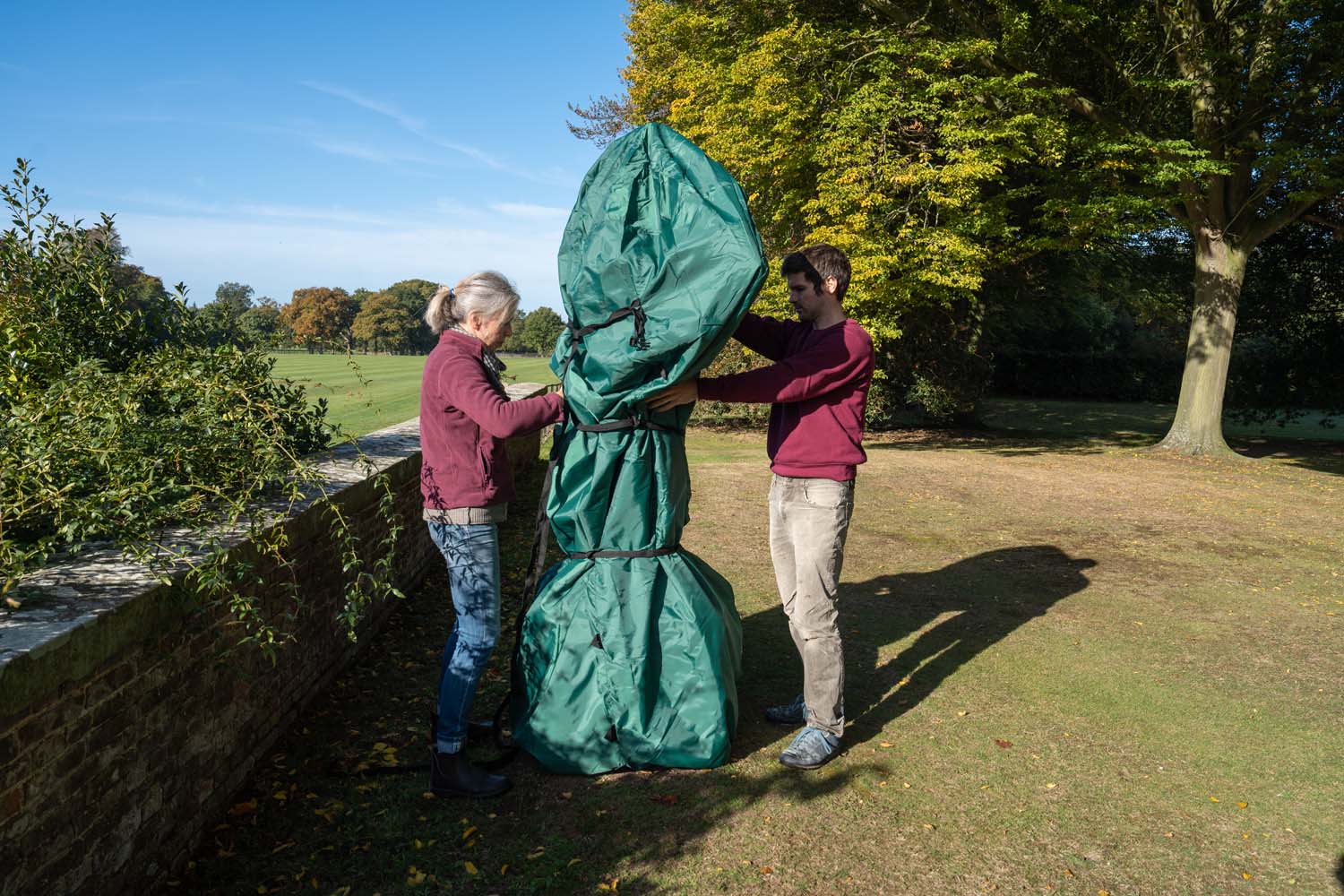
Concrete is porous, which means it absorbs water. When temperatures drop, the water freezes and expands, causing cracks. To prevent this, apply a waterproof sealant to your statues before winter sets in. This simple step can help avoid costly repairs or replacements. Consider moving smaller statues indoors during the coldest months. If that’s not possible, wrap them in weather-resistant covers or tarps to minimize exposure. This small effort can save you from the heartbreak of seeing your cherished statues damaged by frost.Reducing Sun Damage
Direct sunlight can cause concrete to fade and weaken over time. You can prevent this by applying a UV-protective sealant. This will not only guard against discoloration but also reinforce the statue’s surface against heat damage. Position your statues strategically in the garden to benefit from natural shade, like under trees or near taller plants. This can significantly reduce the direct exposure to the sun and keep them in pristine condition.Handling Heavy Rain And Snow
Excess moisture from rain and snow can erode the surface of concrete statues. Regularly check for pooling water around the base and ensure proper drainage. Elevating statues slightly off the ground with stone or brick can help prevent water damage. During snowy seasons, gently brush off accumulated snow to prevent moisture absorption. Using a soft brush or cloth can avoid surface scratches, ensuring your statues remain smooth and flawless. What measures will you take to protect your garden treasures this season?Preventing Physical Damage
Concrete garden statues add charm and personality to outdoor spaces. Protecting these statues from physical damage keeps them looking beautiful for years. Physical damage includes chips, cracks, scratches, and breaks caused by impacts or improper handling. Taking simple steps can prevent such harm and maintain your statues’ appearance.
Safe Placement Tips
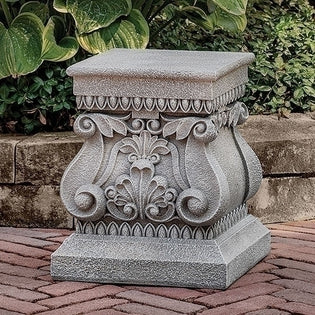
Choose a stable, flat surface to place your concrete statue. Uneven ground increases the risk of tipping or falling. Avoid placing statues near high-traffic areas or where children play. Keep statues away from lawnmowers and garden tools to prevent accidental damage.
Consider placing statues under some cover. Shade or partial shelter reduces exposure to harsh weather. This helps protect the surface from weathering and minor impacts.
Avoiding Impact And Scratches
Keep sharp objects away from statues to prevent scratches. Avoid dragging statues across rough surfaces. Use soft padding or cloth under the base to reduce abrasion. Surround statues with soft plants or mulch to cushion accidental bumps.
Mark the statue area clearly if it is in a busy garden. This warns people to be careful around it. Small signs or visual markers work well for this purpose.
Handling During Relocation
Lift statues carefully using both hands and avoid dropping them. Use gloves for better grip and to protect your hands. Place a soft blanket or foam on surfaces during transport to cushion the statue.
Get help if the statue is heavy or large. Team lifting reduces the risk of dropping or bumping. Move slowly and avoid sudden movements to keep the statue intact.
Credit: www.catholicfaithstore.com
Repairing Minor Damages
Concrete garden statues face weather changes and wear over time. Small damages can grow if not fixed early. Repairing minor damages keeps statues strong and looking good. Simple repairs can stop cracks, chips, and paint peeling. Regular care helps statues last longer in the garden.
Filling Cracks
Cracks can let water inside and cause more damage. Use a concrete patch or filler to close cracks. Clean the area first by removing dirt and loose pieces. Apply the filler with a putty knife and smooth it out. Let it dry completely before touching or painting.
Patching Chips
Chips make statues look worn and can weaken the structure. Choose a patching compound made for concrete repairs. Clean the chipped area well to ensure good adhesion. Press the compound into the chip and shape it to match the statue’s surface. Allow time to dry fully for best results.
Touch-up Painting
Paint protects statues from weather and adds color. Use outdoor paint designed for concrete surfaces. Match the paint color to the original statue shade. Clean the statue surface before painting to remove dirt and dust. Apply thin, even coats and wait between layers for a smooth finish.
Seasonal Care Routines
Concrete garden statues face different challenges as the seasons change. Each season requires specific care to keep your statues looking their best and to protect them from damage. Setting up a seasonal care routine can save you time and money by preventing cracks, stains, and weathering.
Preparing For Winter
Winter can be harsh on concrete statues, especially with freezing temperatures and moisture. Before the cold hits, clean your statues thoroughly to remove dirt and debris that can cause stains or mold.
Apply a concrete sealant designed for outdoor use to create a protective barrier against water. If possible, move smaller statues indoors or to a sheltered spot to avoid freeze-thaw damage.
Have you checked your statues for existing cracks? Even small cracks can worsen in winter, so patch them up with a concrete repair compound before the freeze.
Spring Maintenance
Spring is the perfect time to inspect your statues for winter damage. Look for chips, cracks, or discoloration that might need attention.
Wash the statues gently with water and mild soap to remove dirt and moss that built up over winter. Avoid harsh chemicals that can erode the concrete surface.
Consider reapplying a sealant in early spring to reinforce protection before the summer heat and rain arrive. This step can greatly extend the life of your statues.
Summer And Fall Tips
Summer sun can cause concrete to expand and contract, which may lead to cracking. Provide some shade or move statues to less exposed areas if you notice any signs of stress.
Fall brings falling leaves and increased moisture, which can stain or degrade concrete surfaces. Regularly brush off leaves and debris to keep the surface clear.
Use a water repellent sealer in early fall to prepare your statues for the coming wet and cold months. This simple action helps prevent water absorption and freeze damage.
Credit: happygardens.com
Frequently Asked Questions
How Often Should I Seal Concrete Garden Statues?
You should seal concrete statues every 1 to 2 years. Sealing protects against moisture, stains, and weather damage, extending their lifespan. Use a high-quality, outdoor concrete sealer for best results. Regular sealing maintains the statue’s appearance and prevents cracks or discoloration.
What Is The Best Cleaner For Concrete Statues?
Use a mild detergent mixed with water to clean concrete statues. Avoid harsh chemicals that can damage the surface. Gently scrub with a soft brush to remove dirt and algae. Rinse thoroughly with water and let the statue dry completely before sealing.
How Can I Prevent Cracks In Garden Statues?
Prevent cracks by sealing your statue regularly and avoiding water buildup. Place statues on stable, level ground to reduce stress. Avoid exposing them to extreme temperature changes. Proper drainage around the statue also helps prevent freeze-thaw damage and cracking.
Should I Cover Statues During Winter?
Yes, cover concrete statues during winter to protect them from frost and moisture. Use breathable fabric covers to prevent condensation buildup. Avoid plastic covers that trap moisture, causing damage. Covering helps extend the statue’s life by minimizing freeze-thaw cycles.
Conclusion
Protecting concrete garden statues keeps them strong and beautiful. Clean them gently to avoid damage. Use sealants to stop water and dirt from harming them. Place statues where they get less direct sun and rain. Check for cracks often and fix them quickly.
These simple steps help your statues last many years. Enjoy your garden art with peace of mind. Small efforts make a big difference in protection. Keep your statues safe and your garden lovely.

