
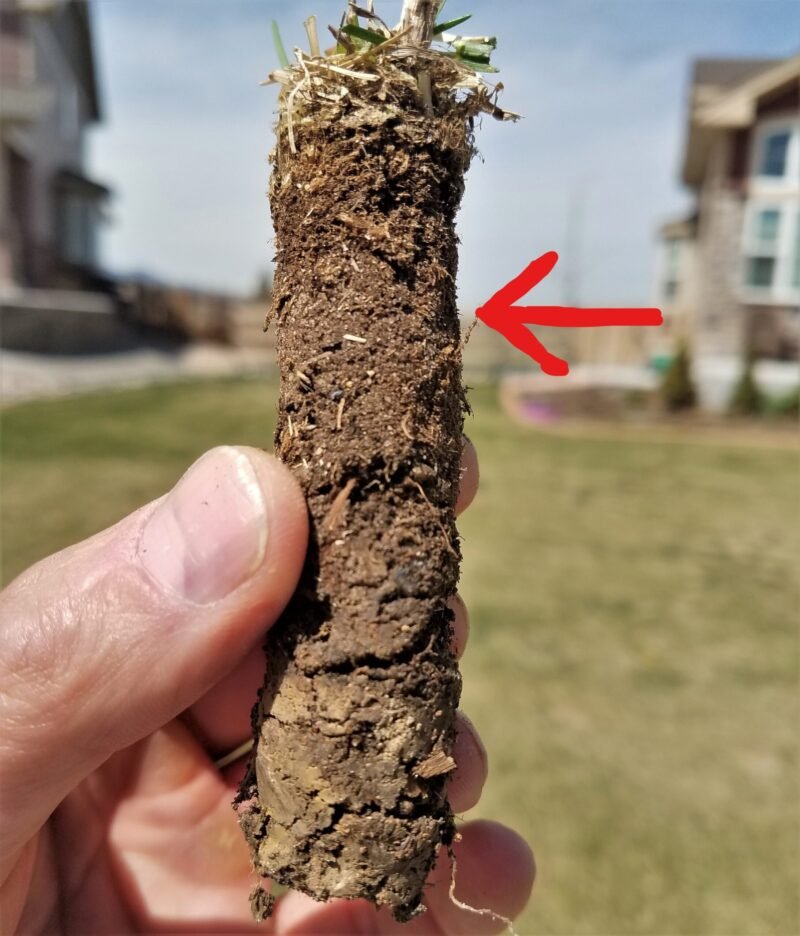
Is your lawn looking tired, patchy, or unhealthy despite your best efforts? The hidden culprit might be thatch—a layer of dead grass and roots that builds up and suffocates your lawn.
If you don’t act now, thatch can block water, nutrients, and air from reaching your grass, leaving it weak and vulnerable. But don’t worry—you can stop thatch from taking over and keep your lawn green, thick, and vibrant all year round.
Keep reading to discover simple, effective ways to prevent lawn thatch and give your grass the care it truly deserves.
Credit: www.yourgreenpal.com
Causes Of Lawn Thatch
Lawn thatch is a thick layer of dead grass and roots. It builds up between the soil and green grass blades.
Too much thatch can stop water, air, and nutrients from reaching the soil. Understanding what causes thatch helps keep your lawn healthy.
Role Of Grass Clippings
Grass clippings can add to thatch if they do not break down quickly. Thick layers of clippings cover the soil and trap moisture.
Leaving a thin layer of clippings on the lawn usually helps. But too many clippings build up and form thatch.
- Cut grass regularly to avoid large clippings
- Use a mulching mower to chop clippings finely
- Remove excess clippings if the lawn is thick
Impact Of Soil Compaction
Soil compaction happens when soil is pressed down hard. It reduces space for air and water in the soil.
Compacted soil slows down the natural breakdown of thatch. Roots also grow poorly in compacted soil, making thatch worse.
- Avoid heavy foot traffic on wet soil
- Use aeration tools to loosen compacted soil
- Keep soil healthy with organic matter
Effect Of Overwatering
Too much water creates a wet environment that slows down thatch decay. Excess water fills air spaces in the soil.
Overwatered lawns also grow more grass stems that die and add to thatch. Proper watering helps keep thatch under control.
- Water deeply but less often
- Allow soil to dry between watering
- Check soil moisture before watering again
/chinchcheck_twitter.png?t=1524146193912&width=722&height=361&name=chinchcheck_twitter.png)
Credit: blog.nutrilawn.com
Signs Of Excessive Thatch
Too much thatch can harm your lawn. It creates a thick layer between grass and soil.
Knowing the signs helps you keep your lawn healthy and green. Watch for visual cues and soil issues.
Visual Indicators
Thatch looks like a spongy, brown layer on the grass surface. It feels springy when you walk on it.
- Grass blades look dull and yellow
- Small dead spots appear in the lawn
- Grass grows unevenly or in clumps
- Water pools on the surface after rain
Effects On Grass Health
Excessive thatch blocks sunlight and air from reaching grass roots. This weakens the lawn over time.
| Effect | Description |
| Poor Root Growth | Roots get less oxygen and nutrients. |
| Increased Disease | Moist thatch invites fungi and pests. |
| Thin Grass | Grass loses color and thins out. |
Soil And Water Penetration Issues
Thatch stops water and fertilizer from reaching the soil. This causes dry spots and poor lawn growth.
Signs of soil and water penetration problems:
- Water beads on the lawn surface
- Soil feels hard and compacted
- Grass roots stay shallow
Proper Lawn Mowing Techniques
Proper lawn mowing helps keep your grass healthy and prevents thatch buildup. Thatch is a layer of dead grass and roots that can harm your lawn.
Using the right mowing techniques reduces thatch and improves lawn growth. Here are key tips for mowing your lawn correctly.
Correct Mowing Height
Set your mower to the right height for your grass type. Cutting grass too short stresses the lawn and causes more thatch.
Leave grass blades long enough to protect the soil and roots. This helps grass stay strong and healthy.
- Cool-season grasses need 2.5 to 3.5 inches height
- Warm-season grasses do well at 1 to 2 inches height
- Adjust mower height as seasons change
Frequency And Timing
Mow your lawn often enough to cut no more than one-third of the grass blade. This avoids stress and thatch buildup.
Choose the best time to mow. Avoid cutting wet grass because it clumps and causes uneven cutting.
- Mow once a week during growing season
- Skip mowing after heavy rain until grass dries
- Cut early in the day for best results
Avoiding Scalping
Scalping means cutting grass too short and exposing soil. It weakens grass and causes thatch to build up.
Keep mower blades sharp and adjust height regularly. This prevents uneven cuts and protects your lawn.
- Raise mower height after drought or stress
- Sharpen blades every few mowing sessions
- Check mower level to avoid low spots
Aeration Methods
Aeration helps keep your lawn healthy by improving soil and grass roots. It reduces thatch buildup and lets air, water, and nutrients reach the roots.
There are different ways to aerate your lawn. Choosing the right method depends on your lawn’s needs and your budget.
Core Aeration Benefits
Core aeration removes small plugs of soil from the lawn. This helps to:
- Reduce soil compaction
- Improve air and water flow to roots
- Break down thatch layers
- Encourage deeper root growth
- Enhance fertilizer effectiveness
When To Aerate
The best time to aerate depends on your grass type. Warm-season grasses do well in late spring or early summer. Cool-season grasses need aeration in early fall or spring.
| Grass Type | Best Aeration Time |
| Warm-Season (Bermuda, Zoysia) | Late Spring – Early Summer |
| Cool-Season (Fescue, Bluegrass) | Early Fall – Spring |
Diy Vs Professional Services
DIY aeration saves money but needs proper tools and effort. You can rent aerators or buy small machines for home use. Professional services use large equipment and offer faster results.
- DIY: Good for small lawns and those who want to save money
- Professional: Best for large lawns or heavy thatch problems
- Professionals can advise on the best timing and method
- DIY requires physical work and time
Dethatching Strategies
Lawn thatch is a layer of dead grass and roots that builds up on your soil. It can stop water and nutrients from reaching the roots.
Removing this layer helps your lawn stay healthy. Dethatching is the process to clear away this buildup.
Mechanical Dethatching Tools
Mechanical dethatching uses machines to remove thatch quickly. These tools have sharp blades or tines that cut and pull up the thatch layer.
Common machines include dethatching rakes and power dethatchers. They cover large areas fast and work well on thick thatch.
- Dethatching rakes have sharp blades to pull up thatch by hand.
- Power dethatchers use rotating blades to cut and lift thatch.
- Some lawn mowers have dethatching attachments to do both jobs.
Manual Dethatching Approaches
Manual dethatching uses hand tools to remove thatch. This method takes more time but works well for small lawns.
A common tool is the dethatching rake. It has sharp tines that pull thatch loose when raked across the lawn.
- Use a dethatching rake to loosen and lift the thatch layer.
- Work in one direction and then across for best results.
- Collect the thatch after raking to clear the lawn surface.
Best Times For Dethatching
Timing dethatching right helps your lawn recover quickly. The best time depends on your grass type.
Spring and early fall are ideal for cool-season grasses. Late spring to early summer suits warm-season grasses.
- Dethatch cool-season grasses in early spring or early fall.
- For warm-season grasses, dethatch in late spring or early summer.
- Avoid dethatching during drought or extreme heat.
- Water the lawn before and after dethatching to help recovery.
Watering Practices To Prevent Thatch
Thatch is a layer of dead grass that builds up on lawns. Proper watering helps prevent thatch. Follow these practices for a healthy lawn.
Watering correctly can reduce the risk of thatch. Learn the best ways to water your lawn.
Optimal Watering Schedule
Water your lawn early in the morning. This allows the grass to dry throughout the day.
Water deeply but less often. Aim for one inch of water per week.
Avoiding Overwatering
Too much water can cause thatch. Make sure not to water every day.
Check the weather forecast. Avoid watering if rain is expected.
- Do not water during rain
- Reduce watering in shady areas
- Check soil before watering
Soil Moisture Monitoring
Use a soil moisture meter to check the water levels. This ensures proper hydration for your lawn.
Stick the meter into the soil. If it reads dry, it’s time to water.
| Moisture Level | Action |
| Dry | Water |
| Moist | Do not water |
| Wet | Wait to water |
Fertilization Tips
Proper fertilization helps prevent lawn thatch. Thatch is a layer of dead grass that blocks nutrients. Follow these tips to keep your lawn healthy.
Knowing the right way to fertilize can reduce thatch buildup. Let’s explore how balanced nutrients and timing make a difference.
Balanced Nutrient Application
A balanced nutrient application provides your lawn with essential elements. These nutrients help grass grow strong and resist thatch.
| Nutrient | Purpose |
| Nitrogen | Promotes green growth |
| Phosphorus | Strengthens roots |
| Potassium | Improves drought resistance |
Avoiding Excess Nitrogen
Too much nitrogen causes fast growth. This can lead to more thatch. It is important to use nitrogen carefully.
- Test soil to know current nitrogen levels
- Use slow-release fertilizers
- Avoid fertilizing before heavy rain
Seasonal Fertilizing Plans
Fertilize your lawn according to the season. This helps grass get what it needs when it needs it.
Summer:Use a balanced fertilizer to maintain health.
Fall:Focus on root strength with phosphorus-rich options.

Credit: www.youtube.com
Choosing The Right Grass Type
Selecting the right grass helps reduce lawn thatch buildup. Some grasses naturally resist thatch better than others.
This guide covers grass varieties, climate adaptation, and seeding tips to prevent thatch problems.
Grass Varieties Resistant To Thatch
Some grass types produce less thatch because of their growth habits. Choosing these can lower your lawn maintenance.
- Perennial ryegrass grows quickly and breaks down organic matter fast.
- Fine fescues have thin leaves and slow thatch buildup.
- Bermuda grass spreads with runners and resists thick thatch layers.
- Zoysia grass forms dense mats but decomposes thatch well.
Adapting To Local Climate
Pick grass types suited for your local weather. Proper adaptation reduces stress and thatch accumulation.
| Climate Zone | Recommended Grass Types |
| Cool-season (North) | Kentucky bluegrass, Perennial ryegrass, Fine fescues |
| Warm-season (South) | Bermuda grass, Zoysia grass, St. Augustine grass |
| Transitional zones | Tall fescue, Kentucky bluegrass blend |
Seeding And Overseeding Techniques
Proper seeding helps grass grow strong and healthy. This lowers thatch buildup by improving soil contact.
- Prepare soil by removing debris and loosening the top layer.
- Use quality seed suited for your climate and soil.
- Spread seed evenly to avoid bare patches.
- Water lightly but often until grass establishes.
- Overseed yearly to keep grass thick and reduce thatch layers.
Frequently Asked Questions
What Causes Lawn Thatch Buildup?
Lawn thatch forms from dead grass stems, roots, and debris accumulating faster than decomposition. Poor soil microbes and over-fertilization worsen it. Regular mowing and aeration reduce buildup by promoting healthy breakdown of organic material.
How Can I Prevent Lawn Thatch Naturally?
Prevent thatch by mowing regularly, avoiding overwatering, and aerating soil annually. Use balanced fertilizers and add compost to boost soil health. These steps promote microbial activity that breaks down organic matter, keeping thatch layers thin and manageable.
Does Aeration Help Reduce Lawn Thatch?
Yes, aeration improves soil airflow and water penetration. This encourages beneficial microbes to break down thatch effectively. Core aeration removes plugs of soil, reducing compaction and allowing roots to grow deeper, which also helps prevent excessive thatch accumulation.
How Often Should I Dethatch My Lawn?
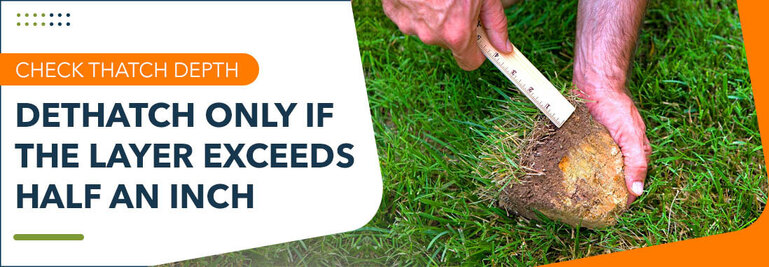
Dethatch lawns once every 1-3 years, depending on thatch thickness. Perform dethatching when thatch exceeds 0. 5 inches. Early spring or fall are ideal times. Avoid frequent dethatching to prevent turf damage and maintain lawn health.
Conclusion
Preventing lawn thatch keeps your grass healthy and green. Regular raking and proper watering help control buildup. Aerate your lawn to improve air and water flow. Avoid overusing fertilizers to stop thatch from growing fast. Keep your mower blades sharp for clean cuts.
Small efforts make a big difference over time. A healthy lawn looks great and lasts longer. Start with simple steps today for a better yard tomorrow.

