
Have you ever noticed sparks flying from your generator and felt a sudden worry about safety? Sparks might seem harmless at first, but they can lead to serious problems like fires or damage to your equipment.
You want your generator to run smoothly and safely, right? This guide will show you simple and effective ways to prevent those dangerous sparks. By following these easy tips, you’ll protect your home, your generator, and most importantly, your peace of mind.
Keep reading—you’ll learn exactly what steps you can take today to stop generator sparks before they start.
Credit: www.premium-electric.ca
Causes Of Generator Sparks
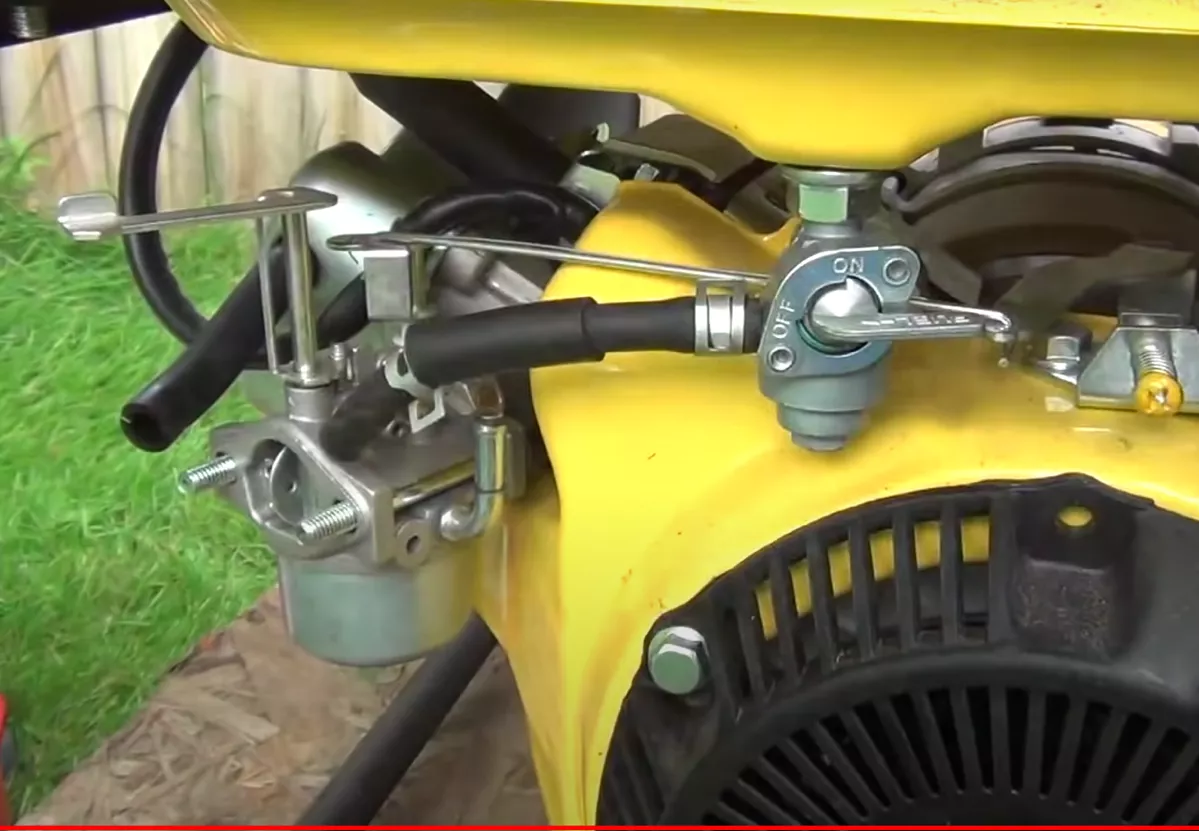
Fuel leaks and vaporsare a common cause of generator sparks. Fuel is highly flammable and can catch fire easily. Small leaks or spills near the engine can create sparks. Vapors from fuel can also ignite if they meet a spark. Always check fuel lines and tanks for leaks.
Electrical faultshappen when wiring or parts inside the generator are damaged. Loose wires or broken insulation can cause sparks. Faulty switches or connectors may also create electrical sparks. Regular inspection and repair keep the generator safe.
Improper groundingmeans the generator is not connected to the earth properly. This can cause electric sparks to jump from the machine to metal parts. Grounding prevents sparks by giving electricity a safe path to flow away.
Overloading the generatorhappens when too many devices use power at once. This forces the generator to work too hard. Overload can cause wires to heat and spark. Always use a generator within its power limit to avoid this.
Safe Placement Of Generators
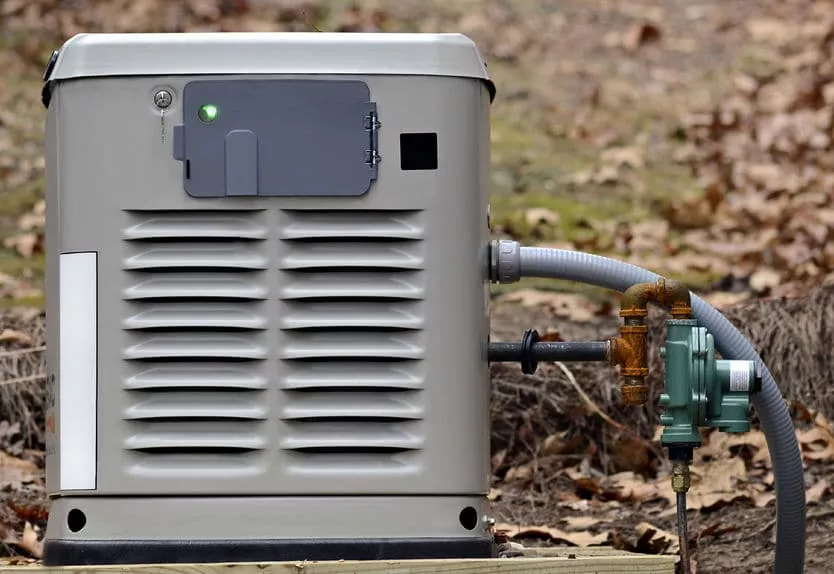
Choose a well-ventilated areato place your generator. Good airflow helps prevent sparks and reduces the risk of carbon monoxide buildup.
Keep the generator away from flammable materialslike gasoline, dry leaves, and paper. Sparks can easily ignite these items and cause fires.
Maintain proper distance from structuressuch as walls, fences, and buildings. This space lowers fire hazards and allows heat to dissipate safely.
- Place the generator at least 10 feet from buildings.
- Clear the surrounding area of debris and dry vegetation.
- Use a hard, flat surface to stabilize the generator.
Routine Maintenance Practices
Checking fuel lines and filters helps keep the generator running safely. Look for cracks or leaks in fuel lines. Replace any damaged parts quickly. Clean or change filters regularly to stop dirt from entering the engine. Clean filters improve fuel flow and reduce spark risks.
Inspecting spark plugs is important. Dirty or worn spark plugs cause sparks and poor engine performance. Remove spark plugs and check for dirt or damage. Clean them with a wire brush or replace if needed. Good spark plugs help the generator start easily and run smooth.
Tightening electrical connections stops loose wires from sparking. Check all wires and connectors on the generator. Use a screwdriver or wrench to tighten any loose parts. Secure electrical connections lower the chance of sparks and improve power flow.
Credit: expertelectric.ca
Using Protective Equipment
Safety gloves keep hands safe from sparks. Goggles protect eyes from flying sparks. They are very important for safety. Always wear them when near a generator.
Spark arrestors stop sparks from flying out. They are attached to the generator. This helps keep surroundings safe. They are easy to use and very helpful.
Ground Fault Circuit Interrupters, or GFCIs, stop electrical shocks. They cut power if a fault is detected. This keeps everyone safe. Always ensure your generator has a GFCI.
Safe Operation Tips
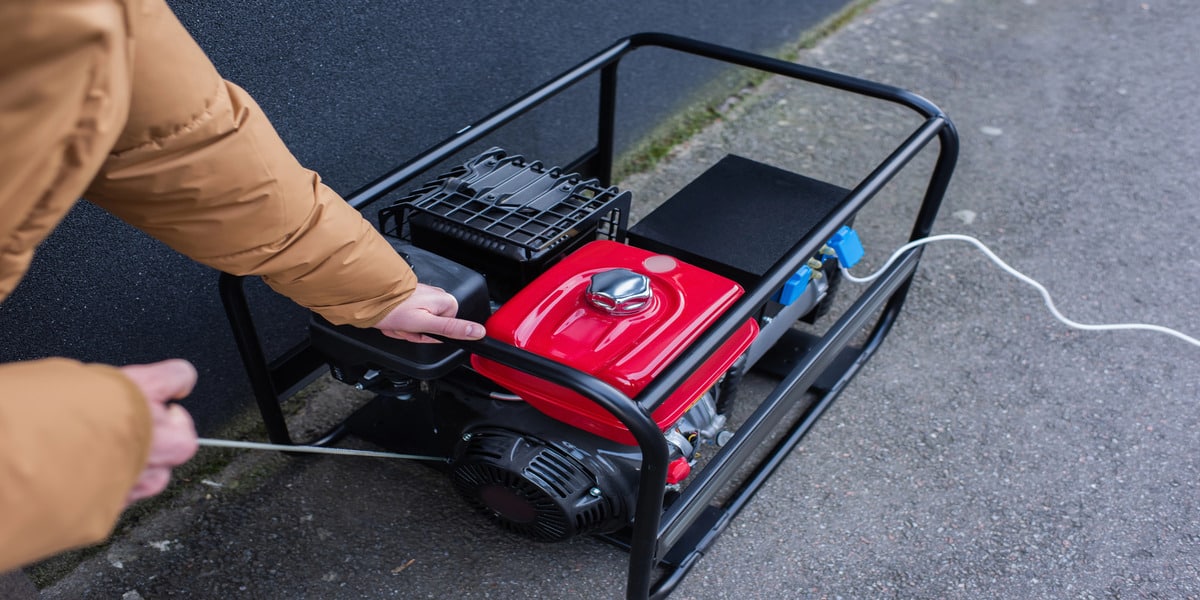
Startthe generator outdoors in a well-ventilated area. Check fuel levelsbefore turning it on. Never start the generator with heavy loads connected.
Stopthe generator by turning off all connected appliances first. Let the generator run without load for a few minutes. Then switch off the engine to avoid sparks.
- Never overloadthe generator. Know its wattage limit.
- Use devices within the generator’s capacity.
- Spread outelectrical loads to prevent sparks.
| What to Monitor | Signs of Trouble | Action to Take |
|---|---|---|
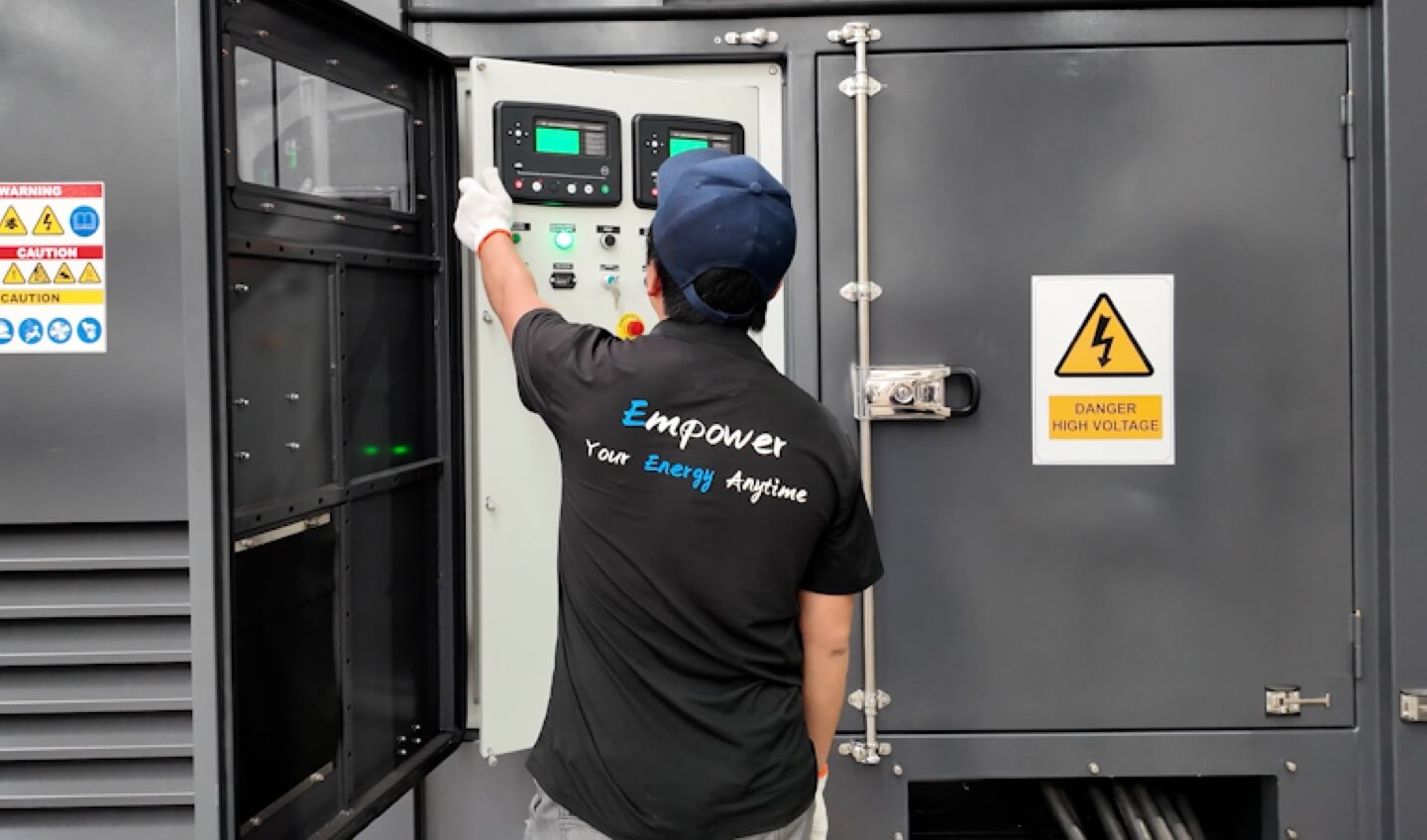
| Voltage Output | Fluctuations or drops | Turn off and check connections |
| Fuel Level | Low or dirty fuel | Refill with clean fuel |
| Engine Noise | Unusual sounds | Inspect or service the generator |
Credit: powerlinkenergy.com
Emergency Response Measures
Small sparks can quickly turn into big fires. Acting fast is key to safety. Keep a fire extinguishernearby and know how to use it. Aim at the base of the fire, not the flames.
Do not try to put out large fires on your own. Leave the area and call professionals. Trained firefighters have the right tools and skills to handle emergencies safely.
- Use a fire extinguisher labeled for electrical fires.
- Wear protective gloves if possible.
- Keep a safe distance while spraying.
- Evacuate immediately if the fire grows.
- Call emergency services without delay.
Frequently Asked Questions
What Causes Generator Sparks During Operation?
Generator sparks often result from loose connections, damaged wires, or worn-out spark plugs. Poor maintenance and improper grounding also increase spark risks.
How Can I Safely Prevent Generator Sparks?
Regularly inspect wiring, tighten connections, and replace worn parts. Use proper grounding methods and keep the generator clean and dry.
Are Spark Arrestors Necessary For Generators?
Yes, spark arrestors prevent sparks from escaping the exhaust. They reduce fire hazards, especially in dry or wooded areas.
Can Fuel Type Affect Generator Sparks?
Using the correct fuel reduces spark risks. Contaminated or wrong fuel can cause incomplete combustion and increase sparking chances.
Conclusion
Preventing generator sparks keeps your home and family safe. Regular checks and clean parts reduce risks. Always handle fuel carefully and avoid wet places. Use the right tools and follow safety steps every time. Small actions prevent big problems. Stay alert and protect your generator for long, safe use.
Safety is simple when you follow these easy tips.

