
Imagine firing up your grill for a perfect cookout, only to worry about a dangerous gas leak. You want to enjoy your meal, not stress about safety.
Knowing how to prevent gas leaks on your grill is essential for keeping you and your loved ones safe. You’ll discover simple, effective steps to protect your home and enjoy worry-free grilling every time. Keep reading to learn how easy it is to spot risks before they become problems.
Your safety starts here.
Credit: georgetownfd.com
Common Causes Of Grill Gas Leaks
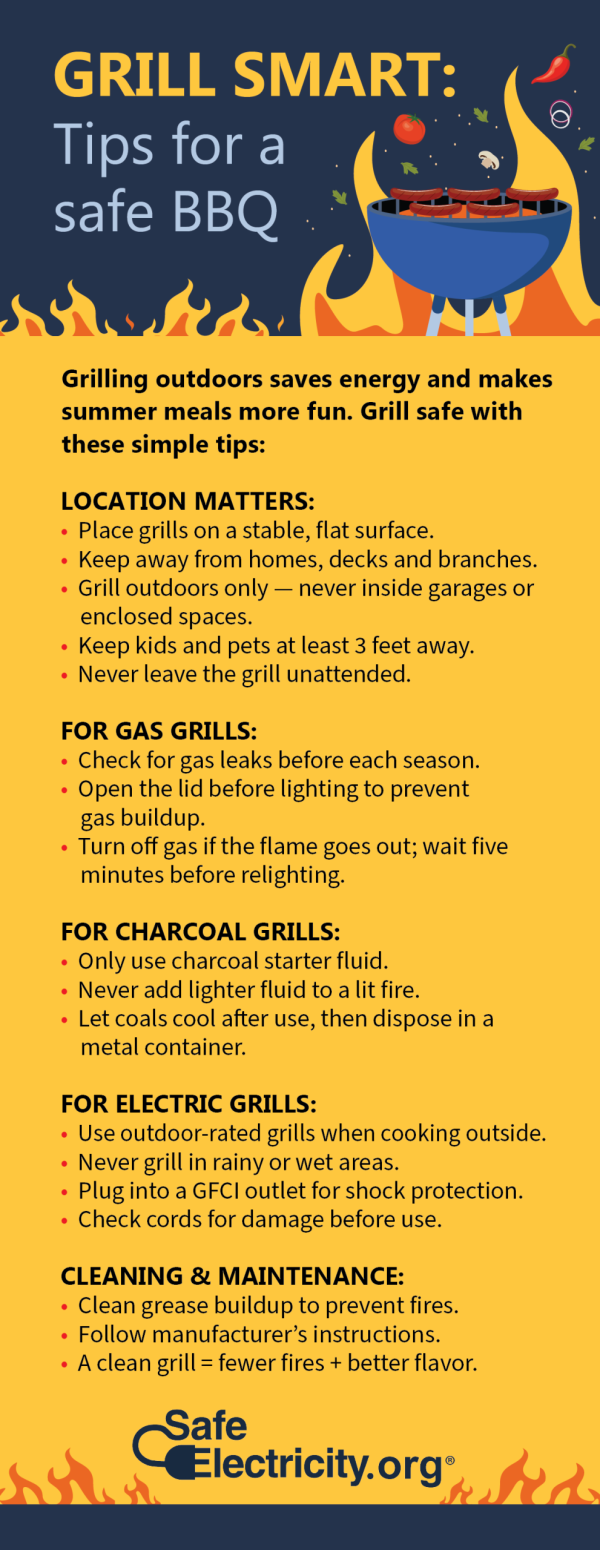
Gas leaks in grills pose serious safety risks. Knowing common causes helps you prevent accidents. Regular checks and proper handling keep your grill safe and efficient.
Faulty Hoses And Connections
Hoses carry gas from the tank to the burners. Cracks or holes in hoses cause leaks. Loose or damaged connections also let gas escape. Always inspect hoses for wear before grilling.
Damaged Valves And Regulators
Valves control gas flow to the grill. Regulators reduce gas pressure for safe use. If either is broken or worn out, gas can leak. Replace damaged parts immediately to avoid danger.
Improper Storage Of Propane Tanks
Storing propane tanks incorrectly increases leak risks. Tanks should be kept upright in a cool, ventilated area. Avoid exposing tanks to heat or direct sunlight. Check tanks for rust or dents before use.
Daily Grill Inspection Tips
Inspecting your grill daily can save you from dangerous gas leaks and costly repairs. A quick check before each use ensures your grill is safe and ready to cook. You don’t need special tools—just a careful eye and a bit of soapy water.
Checking For Visible Damage
Start by looking over the entire grill, especially around the gas hose and connections. Cracks, cracks, or worn-out parts can cause leaks. If the hose looks brittle or has cracks, it’s time to replace it immediately.
Check the regulator and valves too. Sometimes dirt or rust can affect their function. If you spot anything unusual, don’t ignore it—address it before lighting your grill.
Using Soapy Water For Leak Detection
This simple trick helps you find leaks you can’t see. Mix water with a few drops of dish soap in a spray bottle or bowl. Then, apply the soapy water to the hose, connections, and valves.
Turn on the gas without lighting the grill. Watch closely for bubbles. If you see bubbles forming, that spot is leaking gas. What would you do if you discovered a leak right before cooking? It’s safer to fix it or call a professional than risk a fire.
After you finish, wipe off the soap and dry the area. This quick check can prevent serious accidents and give you peace of mind every time you grill.
Safe Grill Setup Practices
Setting up your grill safely reduces the risk of gas leaks. Proper setup keeps you and your home safe. Follow simple steps to ensure a secure grilling experience.
Positioning The Grill Properly
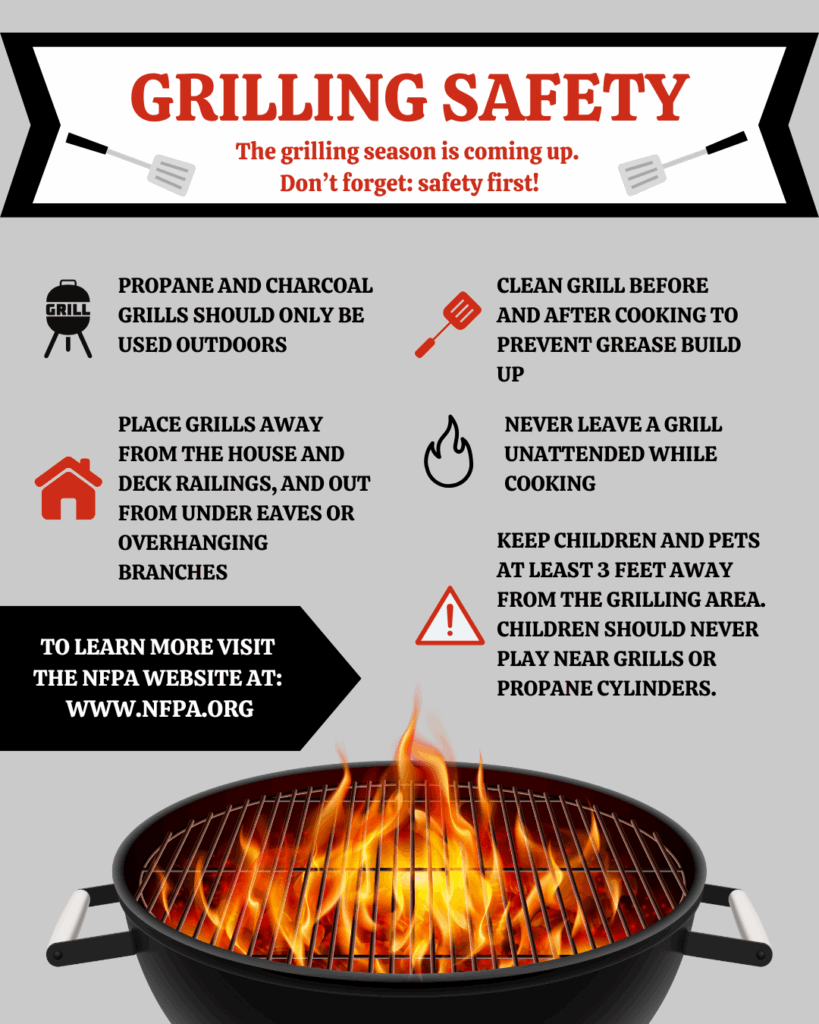
Place the grill outdoors in an open space. Keep it away from walls, railings, and overhangs. Make sure the grill stands on a flat, stable surface. Avoid placing it near flammable materials like dry leaves or wooden decks. Good airflow helps disperse any gas that might leak.
Ensuring Secure Connections
Check all gas hose connections before each use. Tighten connections using your hand, then gently with a wrench. Do not over-tighten and damage fittings. Apply soapy water to hoses and connections. Look for bubbles, which indicate leaks. Replace cracked or damaged hoses immediately. Keep connection points clean and free of debris.
Credit: themeatstick.com
Maintenance And Replacement Guidelines
Regularly check hoses and connections for cracks or leaks to keep your grill safe. Replace worn parts promptly and clean burners to ensure proper gas flow. Tighten fittings securely and test for leaks using soapy water before each use.
Ensuring your grill is in top-notch condition is vital to prevent gas leaks and ensure safe grilling sessions. Regular maintenance and timely replacements can extend the life of your grill and safeguard against unexpected hazards. The following guidelines offer practical insights into maintaining your grill and knowing when parts need attention.When To Replace Hoses And Parts
Hoses and connectors are the lifelines of your grill’s gas supply. Examine them regularly for signs of wear or damage. Cracks, holes, or brittleness are red flags indicating a need for replacement. If you’re unsure about the state of your hoses, perform a simple soap test. Mix a bit of dish soap with water and apply it to the hose and connections. Bubbles forming indicate a leak, signaling it’s time for a replacement. Don’t forget about other parts such as burners and ignition systems. If your grill isn’t heating evenly or ignition becomes unreliable, it might be time to swap out these components.Routine Cleaning To Prevent Blockages
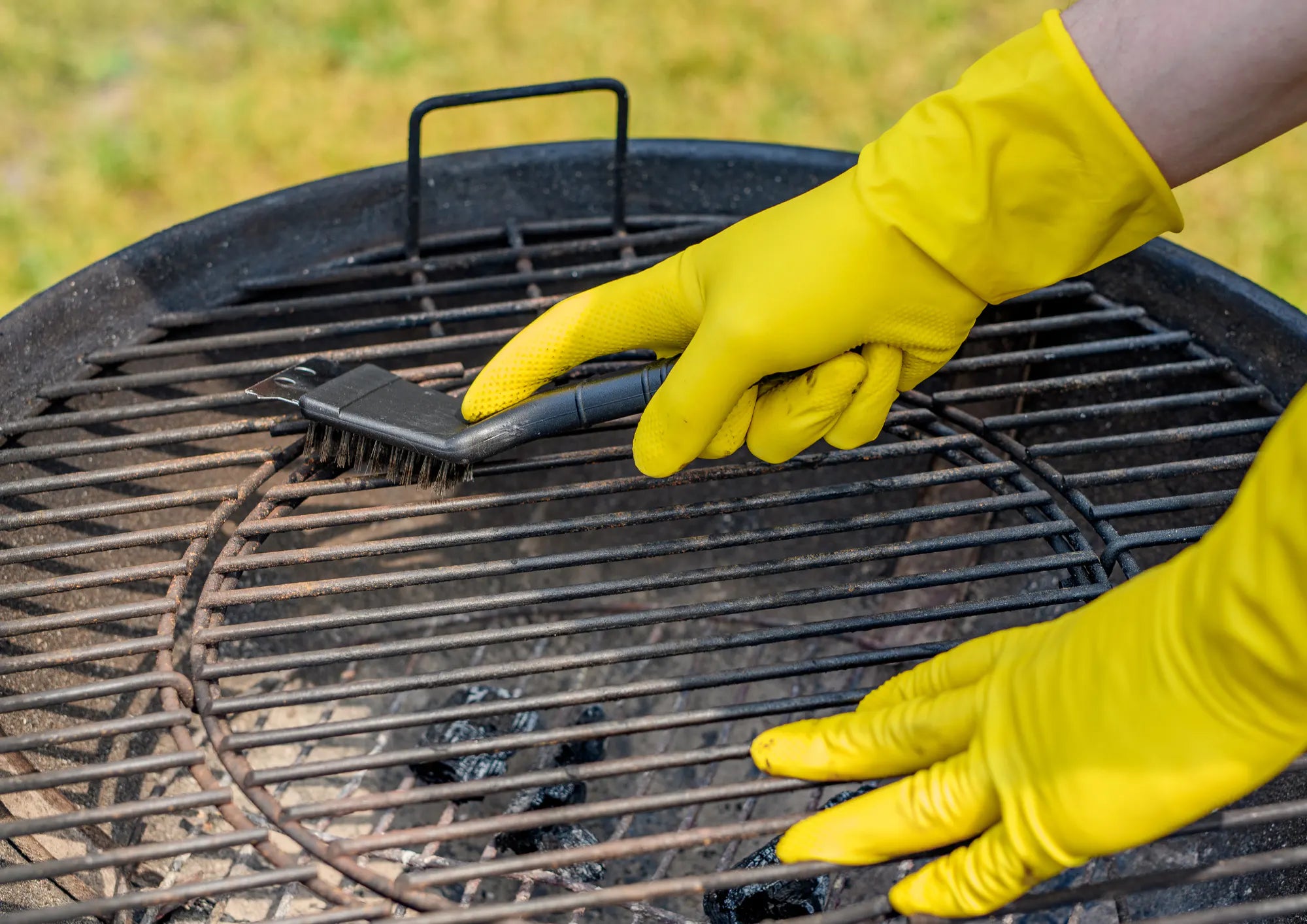
Routine cleaning prevents blockages that can lead to gas leaks. A clean grill ensures that gas flows freely and safely. Make it a habit to clean your grill after each use. Begin by scraping off any food residue from the grates. A wire brush works wonders here. Don’t overlook the burners; clean them with a soft brush to avoid damaging them. Consider removing the grates and cleaning the burner protectors as well. This prevents any grease buildup, which can cause clogs and potential flare-ups. Have you ever skipped cleaning your grill, only to find it harder to ignite the next time? Regular upkeep saves you time and keeps your grill functioning smoothly. By following these maintenance and replacement guidelines, you ensure safe and enjoyable grilling experiences. What steps will you take to keep your grill in top shape?Emergency Actions For Gas Leaks
Gas leaks on grills can cause serious danger. Acting quickly can prevent accidents and injuries. Knowing emergency actions is vital for safety. Follow these steps carefully to handle gas leaks effectively.
Shutting Off The Gas Supply
Stop the gas flow immediately. Turn off the propane tank valve or the main gas supply. Do not use electrical switches or flames near the leak. This prevents sparks that can ignite the gas.
Ventilating The Area
Open all doors and windows around the grill. Let fresh air enter and push gas outside. Avoid fans or blowing devices that may spread gas inside. Keep the area clear of people until the gas clears.
When To Call Professionals
Call emergency services if the leak is large or if you smell gas strongly. Contact a certified technician for inspection and repair. Do not try to fix major leaks yourself. Professionals have the right tools and training for safe handling.
Additional Safety Equipment
Adding extra safety equipment around your grill can make a big difference in preventing gas leaks and keeping your cooking area secure. These tools act as early warning systems, catching problems before they turn into dangerous situations. Having reliable safety gear gives you peace of mind and helps you enjoy grilling without worry.
Using Gas Leak Detectors
Gas leak detectors are small devices designed to sense propane or natural gas leaks near your grill. They alert you with a loud alarm or flashing light the moment they detect gas in the air. Placing one close to your grill’s gas connection can save you from invisible dangers that you might not notice otherwise.
Look for detectors that are easy to install and have a clear, loud alarm. Some models come with digital displays to show gas concentration levels, which can help you decide if it’s safe to continue grilling or if you need to shut off the gas immediately.
Installing Carbon Monoxide Alarms
Carbon monoxide (CO) is a colorless, odorless gas produced by incomplete combustion of propane. Even if your grill is outdoors, wind can push CO into nearby enclosed areas, creating a risk. Installing a carbon monoxide alarm near your grilling station can alert you to dangerous CO buildup early.
Make sure the CO alarm is approved for outdoor or semi-outdoor use if you plan to place it near your grill. Test the alarm regularly and replace batteries as needed. Have you checked your CO alarm lately? It might save your life.

Credit: themeatstick.com
Frequently Asked Questions
How Do I Check For Gas Leaks On My Grill?
Apply a soap and water mix to gas connections. Look for bubbles indicating leaks. Always check before each use.
What Causes Gas Leaks In Grills?
Gas leaks usually result from damaged hoses, loose connections, or worn-out valves. Regular inspection prevents leaks.
How Often Should I Inspect My Grill For Leaks?
Inspect your grill before every use. Frequent checks ensure safety and prevent gas leaks.
Can I Fix A Gas Leak On My Grill Myself?
Minor leaks can be fixed by tightening connections or replacing hoses. For major leaks, seek professional help.
Conclusion
Preventing gas leaks on your grill keeps you safe and protects your home. Regularly check hoses and connections for cracks or damage. Always test for leaks with soapy water before lighting the grill. Store propane tanks in a cool, well-ventilated area away from heat.
Stay alert to the smell of gas and act quickly if you detect it. Simple steps make grilling safer and more enjoyable. Keep your grill in good shape and grill with confidence every time. Safety first, fun always.

