
If you love cooking outdoors, you know how frustrating it is to find rust on your gas grill. Rust not only looks bad but can also shorten your grill’s life and affect your food.
You want your grill to stay strong, shiny, and ready for every barbecue. You’ll learn simple, effective ways to stop rust before it starts. Keep reading, and you’ll discover easy tips that protect your grill, save you money, and make your next cookout perfect.
Don’t let rust ruin your grilling—take control now!

Credit: bbqovencleaning.com.au
Causes Of Gas Grill Rust
Rust on a gas grill happens for several reasons. Understanding these causes helps prevent damage and extends your grill’s life. Rust forms when metal meets moisture and air for too long. Certain factors speed up this process.
Moisture Exposure
Water is the main reason grills rust. Rain, humidity, and even washing the grill leave moisture behind. If the grill stays wet or damp, rust starts to form. Condensation inside the grill also causes rust over time.
Food Residue And Grease
Leftover food bits and grease can trap moisture on the grill surface. This combination creates a perfect place for rust to grow. Grease also breaks down protective coatings, making metal vulnerable.
Environmental Factors
Outdoor elements like salt air, pollution, and temperature changes affect grills. Salt in coastal areas speeds up rusting. Dust and dirt hold moisture, increasing rust risk. Cold and warm cycles cause metal to expand and contract, leading to cracks where rust forms.

Credit: themeatstick.com
Choosing Rust-resistant Grills
Choosing a rust-resistant gas grill saves money and effort. A grill made of strong materials lasts longer and looks better. Rust damages grills quickly and affects cooking quality. Pick a grill designed to resist rust for easy maintenance and durability.
Material Options
Stainless steel is a top choice for rust resistance. It does not corrode easily and stays shiny. Aluminum grills also resist rust but are lighter and less sturdy. Cast iron grills need coating to stop rust but offer excellent heat retention. Look for grills with thick, solid materials for longer life.
Protective Coatings
Many grills have coatings that protect metal from rust. Porcelain enamel is a popular coating that covers steel parts. It creates a hard surface that resists moisture and heat. Powder coating is another option, offering a strong shield against rust. These coatings help keep the grill safe from rain and humidity.
Regular Cleaning Techniques
Regular cleaning keeps your gas grill free from rust and extends its life. Dirt, grease, and food particles left on the grill can trap moisture. Moisture leads to rust and damages metal parts. Consistent cleaning removes these elements and protects the grill’s surface. Below are simple cleaning techniques to follow after cooking and for deep maintenance.
Post-cooking Cleaning
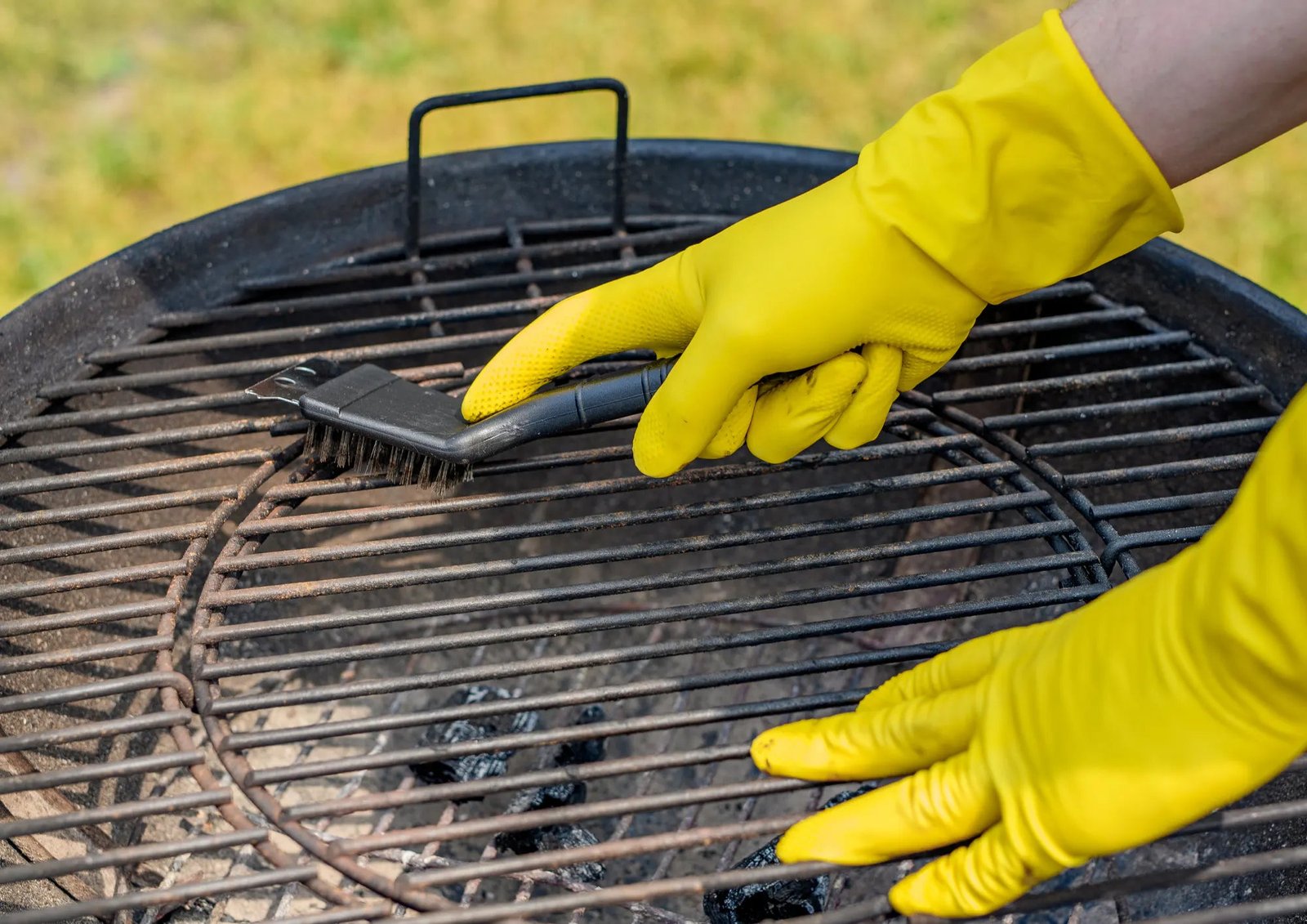
Clean the grill right after cooking while it is still warm. Use a stiff wire brush to scrub the grates. This removes stuck-on food and grease easily. Wipe down the exterior with a damp cloth to clear dust and spills. Empty the drip tray to avoid grease buildup. Open the lid and let the grill air dry fully before closing it.
Deep Cleaning Methods
Perform deep cleaning every few months or after heavy use. Remove the grates and soak them in warm, soapy water. Scrub with a sponge or brush to clear tough grime. Clean the burners gently with a soft brush to avoid damage. Use a grill cleaner spray or a vinegar-water mix for stubborn spots. Rinse all parts well and dry completely before reassembling. Check for rust spots and treat them with a grill-safe rust remover or sandpaper.
Proper Storage Solutions
Proper storage is key to keeping your gas grill free from rust. Moisture and exposure to the elements speed up the rusting process, so where and how you store your grill matters a lot. Taking simple steps to protect your grill can save you money and extend its life.
Covering Your Grill
Using a high-quality grill cover is one of the easiest ways to prevent rust. Look for covers made from waterproof and breathable materials to block rain while letting moisture escape.
Make sure the cover fits snugly and covers every part of your grill, including the wheels and handles. I once left my grill uncovered during a rainy season and saw rust spots appear within weeks. After switching to a custom-fit cover, the grill stayed rust-free for over a year.
Remember to remove the cover and let your grill air out before storage if it’s damp. Trapping moisture under the cover can cause rust instead of preventing it.
Indoor Vs Outdoor Storage
Storing your grill indoors, like in a garage or shed, offers the best protection from rain, snow, and humidity. If you have the space, moving your grill inside during off-seasons can drastically reduce rust risk.
Outdoor storage is fine if you don’t have indoor options, but you must be more vigilant. Place your grill under a covered patio or awning to shield it from direct exposure to the elements.
Ask yourself: Could relocating your grill indoors save you time and money on repairs? Even a simple move can make a big difference in rust prevention.
Preventative Maintenance Tips
Preventative maintenance keeps your gas grill safe from rust and damage. Simple care steps extend the grill’s life and improve cooking results. Regular attention stops rust before it starts. Use these easy tips to protect your investment and enjoy grilling longer.
Seasoning The Grill
Seasoning creates a protective layer on grill surfaces. Heat the grill and coat the grates with cooking oil. Use a high smoke point oil like canola or vegetable oil. Heat the grill for 15-20 minutes to bake the oil in. This process helps prevent moisture from causing rust. Repeat seasoning after deep cleaning or long storage.
Applying Rust Inhibitors
Rust inhibitors add a strong shield against moisture and air. Use sprays or liquids made for metal protection. Apply evenly on cool, clean grill parts. Focus on joints, screws, and edges where rust forms first. Wipe off excess to avoid sticky build-up. Reapply every few months or after heavy rain exposure.

Credit: bbqovencleaning.com.au
Repairing Minor Rust Spots
Treat minor rust spots quickly by scrubbing them with a wire brush or sandpaper. Apply a rust-resistant paint or coating to stop rust from spreading. Regular cleaning and drying your grill help keep rust away.
Repairing minor rust spots on your gas grill is crucial to maintaining its longevity and performance. Small rust spots can spread quickly if not addressed, turning a minor inconvenience into a major issue. By tackling these early signs of rust, you can ensure your grill remains in peak condition, ready for all your culinary adventures.Rust Removal Tools
To effectively tackle those pesky rust spots, you’ll need the right tools. A wire brush is essential for scrubbing off loose rust particles. You might also consider a sanding block for more stubborn spots, which can help smooth out the surface. Chemical rust removers can be a great addition to your toolkit. Look for products specifically designed for grills to ensure safety. Always wear protective gloves and work in a well-ventilated area when using these chemicals.Repainting And Sealing
Once you’ve removed the rust, it’s time to repaint and seal the affected areas. Choose a high-temperature grill paint that matches your grill’s color. This not only enhances the appearance but also adds a protective layer against future rust. Before applying the paint, ensure the surface is clean and dry. Apply a thin, even coat and allow it to dry completely. To further protect your grill, consider adding a clear sealant designed for outdoor metal surfaces. Have you ever thought about how a small investment of time now can save you from costly replacements later? Keeping your grill rust-free doesn’t just preserve its function—it also maintains its aesthetic appeal.Frequently Asked Questions
How Often Should I Clean My Gas Grill To Prevent Rust?
Cleaning your gas grill after every use helps prevent rust. Remove food debris and grease buildup to avoid moisture retention. Regular cleaning keeps the grill dry and rust-free. Inspect your grill monthly for early rust signs and address them promptly.
What Type Of Cover Protects Gas Grills From Rust?
Use a waterproof, breathable grill cover to protect your gas grill from rust. This cover prevents moisture buildup and allows airflow, reducing condensation. Avoid plastic covers that trap moisture, as they can accelerate rust formation. Proper covers extend your grill’s life significantly.
Can I Use Cooking Oil To Prevent Rust On Grills?
Yes, applying a thin layer of cooking oil on grill grates prevents rust. Oil creates a protective barrier against moisture and air exposure. Use high smoke point oils like vegetable or canola oil for best results. Reapply oil after cleaning or heavy rain.
Does Stainless Steel Resist Rust Better Than Cast Iron Grills?
Stainless steel resists rust better than cast iron due to its chromium content. However, it can still rust if scratched or exposed to harsh elements. Regular cleaning and protective coatings are essential for both materials to maintain rust resistance.
Conclusion
Preventing rust on your gas grill keeps it working longer. Clean the grill after each use to stop rust buildup. Cover the grill with a waterproof cover when not in use. Store it in a dry place during rainy or cold seasons.
Regularly check for any signs of rust and treat them quickly. These small steps protect your grill and save money. Enjoy grilling without worry, knowing your grill stays rust-free. Simple care makes a big difference in your grill’s life. Keep your grill ready for every cookout.

