
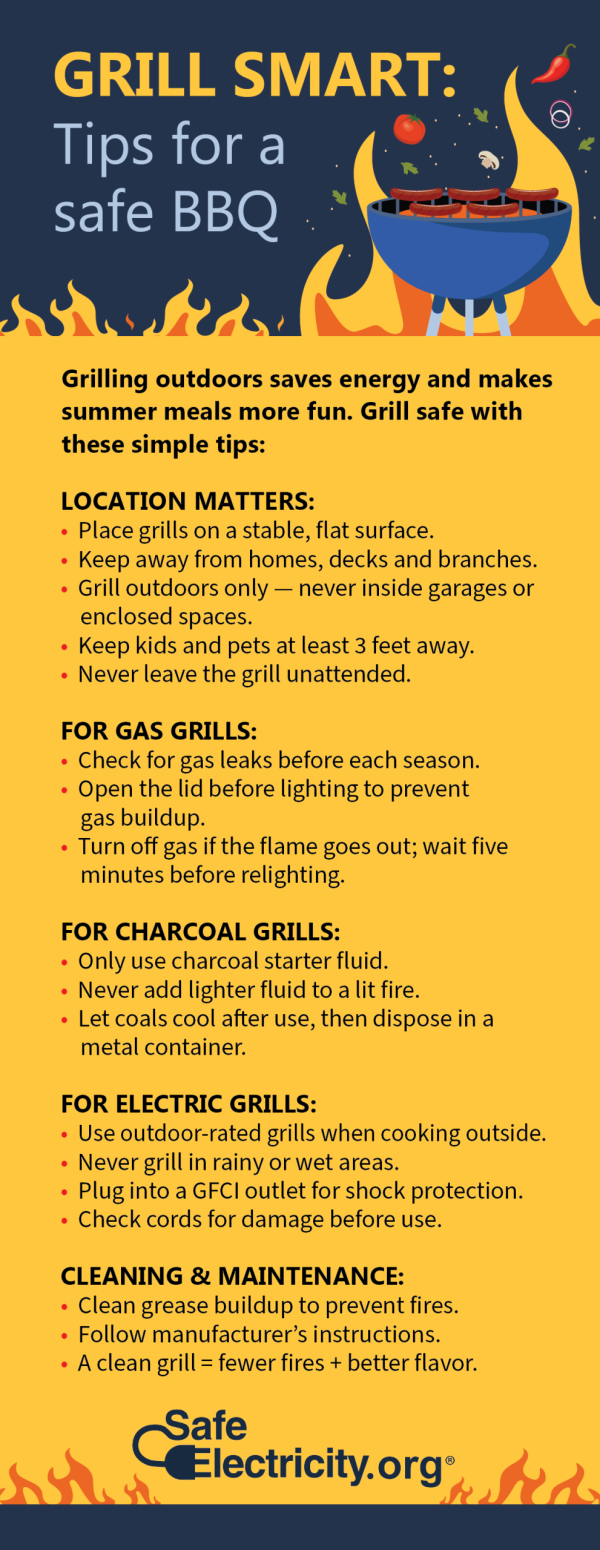
Are you tired of flare-ups ruining your perfect barbecue? Flare-ups can turn juicy steaks into burnt disasters in seconds.
But don’t worry—there are simple tricks you can use to keep your charcoal grill under control. Imagine cooking your favorite foods without the fear of sudden flames or smoke ruining the flavor. You’ll discover easy ways to prevent flare-ups and enjoy a smooth grilling experience every time.
Keep reading, and you’ll become the grill master everyone envies.

Credit: www.napoleon.com
Causes Of Flare-ups
Flare-ups on a charcoal grill can disrupt your cooking and even burn your food. Understanding what triggers these sudden bursts of flame helps you control and prevent them. Let’s look at the main causes of flare-ups so you can keep your grilling smooth and safe.
Fat Drippings And Flames
Fat from meat is a common cause of flare-ups. When dripping fat hits hot coals, it ignites quickly, sending flames up toward your food.
Thicker cuts with lots of marbling tend to drip more fat. If you’ve ever seen flames leap up just as you were turning a juicy steak, you know this firsthand.
To manage this, trim excess fat before grilling or place food away from direct heat. This reduces the chances of fat hitting the coals and sparking a flare-up.
Excessive Oil On Food
Oiling food helps prevent sticking, but too much oil can cause flare-ups. Oil drips onto the coals and ignites, creating unexpected flames.
Consider brushing your food lightly instead of pouring oil on. This gives you control over the amount and lowers flare-up risk.
Have you noticed that overly oily marinades often cause more flames? Adjusting your oil use can make a big difference in flame control.
Grill Temperature Issues
High grill temperatures increase flare-up chances. When the charcoal is too hot, any fat or oil dripping down can ignite instantly.
Maintaining a medium heat level helps prevent sudden flames. Use the grill vents to control airflow and monitor your charcoal’s heat regularly.
Ask yourself: is your grill too hot for what you’re cooking? Managing temperature can be the key to a safer, flare-up-free grill session.

Credit: www.youtube.com
Preparing The Grill
Preparing your charcoal grill properly sets the stage for a successful cookout and helps you avoid those frustrating flare-ups. Taking time to get the grill ready means you control the heat and flames better, which keeps your food safe and delicious. Let’s break down some key steps that make a real difference.
Cleaning The Grill Grates
Dirty grates can trap leftover grease and food particles, which ignite and cause flare-ups. Before lighting your charcoal, scrape the grates clean with a grill brush or a ball of aluminum foil.
If your grill hasn’t been used in a while, wash the grates with warm, soapy water and dry them thoroughly. Clean grates not only reduce flare-ups but also improve the flavor and texture of your food.
Arranging Charcoal For Heat Control
How you place your charcoal impacts the heat intensity and flare-up risk. Spread the coals evenly for consistent heat or pile them on one side for more control.
Try creating a small pile of coals on one side and fewer on the other. This way, you can move your food to a cooler zone if flames start to flare up unexpectedly.
Using A Two-zone Fire Setup
Setting up a two-zone fire means having one side of your grill with hot, direct heat and the other with cooler, indirect heat. This setup gives you flexibility during cooking.
- Start your charcoal on one side of the grill only.
- Leave the other side empty or with fewer coals.
- Use the hot side for searing and the cooler side for finishing or slow cooking.
This method helps you quickly move food away from flames, reducing flare-ups and preventing burning. Have you tried shifting food between zones during grilling? It’s a simple trick that can save your meal from being ruined by fire spikes.
Choosing The Right Fuel
Choosing the right fuel for your charcoal grill can make a huge difference in controlling flare-ups. The type of charcoal and additional materials you use affect how hot your grill gets and how quickly grease ignites. The right fuel helps you maintain steady heat without those sudden bursts of flame that can char your food.
Types Of Charcoal
Charcoal comes mainly in two types: briquettes and lump charcoal. Briquettes burn evenly and last longer, making them great for slow cooking. Lump charcoal lights faster and burns hotter but can cause more flare-ups if not managed carefully.
Think about what you usually grill. If you’re cooking something delicate like fish, briquettes might be your best bet to avoid unexpected flames. For steaks or burgers where a high sear is welcome, lump charcoal can add that extra kick.
Avoiding Lighter Fluid
Lighter fluid might seem like a quick fix to get your fire going, but it often leads to flare-ups and gives your food a chemical taste. Instead, use a chimney starter to light your charcoal safely and evenly.
Using a chimney starter means no harmful chemicals and a more controlled burn. Have you noticed how much better grilled food tastes when it’s not washed in lighter fluid fumes? That’s because you’re keeping the flames cleaner and steadier.
Adding Wood Chips Safely
Wood chips add wonderful smoky flavors but can also cause flare-ups if added incorrectly. Always soak your wood chips in water for at least 30 minutes before placing them on the coals.
This soaking slows their burn rate and reduces sudden bursts of flame. You can also wrap the chips in foil with holes poked in it to control smoke release and keep the fire steady. Have you tried this trick to enhance flavor without the risk of flare-ups?
Managing Food Placement
Place fatty foods away from direct heat to avoid flare-ups on a charcoal grill. Arrange items with less fat closer to the flames for safer cooking. This simple food placement helps control sudden flames and keeps grilling smooth.
Managing food placement on a charcoal grill is key to preventing flare-ups. Strategic placement reduces the risk of sudden flames. This leads to perfectly grilled dishes with balanced flavors. Consider a few essential techniques for optimal food placement on the grill.Trimming Excess Fat
Excess fat can cause unwanted flare-ups. Trim any visible fat before grilling. This reduces dripping and potential flames. Use a sharp knife for precise trimming. Keep the meat flavorful by leaving a thin layer of fat.Marinating Tips To Reduce Oil
Oil-rich marinades can drip and cause flare-ups. Opt for lighter marinades with less oil. Consider using vinegar or citrus-based marinades. These alternatives add flavor without excess grease. Let the food marinate for an hour or more.Positioning Food On Grill Zones
Divide the grill into heat zones. One side should be hotter, the other cooler. Place thicker cuts on the hotter zone first. Move them to the cooler zone to finish cooking. Use indirect heat for leaner cuts. This method helps prevent charring and flare-ups.Controlling Flames During Cooking
Controlling flames during cooking is key to great charcoal grilling. Flames that flare up can burn food and make cooking uneven. Managing these flames helps keep the heat steady. It also protects your food from charring or drying out. Simple tools and smart actions keep flames under control. This ensures a better grilling experience and tastier results.
Using A Spray Bottle For Flames
A spray bottle with water helps control sudden flare-ups. Light misting calms flames quickly without cooling the coals too much. Keep the bottle nearby for quick access. Aim the spray at flames, not directly on the charcoal. A few small sprays work better than soaking the fire. This method puts out flare-ups safely and keeps the grill hot.
Adjusting Air Vents
Air vents control oxygen flow to the charcoal. More oxygen makes flames bigger and hotter. Closing vents reduces oxygen, lowering flame size. Open vents wide to raise heat for searing. Close vents to calm flames and cook slower. Adjust vents slowly and watch the flames change. Proper vent control keeps flames steady and cooking even.
Timing And Flipping Techniques
Timing your flips avoids flare-ups from dripping fat. Flip food before juices start to burn. Use tongs to turn food gently. Avoid pressing down, which releases more fat. Cook thicker cuts longer on low heat. Thin items cook fast and need quick flipping. Proper timing and flipping reduce flare-ups and keep food juicy.
Safety Measures
Safety measures are crucial for grilling with charcoal. They protect you from burns and control flare-ups. Proper safety helps you enjoy cooking without accidents. Always prepare before lighting your grill. Take precautions to handle unexpected flames.
Keeping A Fire Extinguisher Nearby
Keep a fire extinguisher close to your grill at all times. It must be suitable for grease fires. Check the extinguisher’s pressure and expiration date regularly. Place it within easy reach but away from heat. This tool helps you quickly stop dangerous fires.
Wearing Protective Gear
Wear heat-resistant gloves to protect your hands. Use an apron to shield your clothes and body. Long sleeves and closed shoes reduce the risk of burns. Avoid loose clothing that can catch fire. This gear keeps you safe while managing hot coals.
Handling Flare-ups Calmly
Stay calm if a flare-up occurs. Avoid panic or sudden movements near the grill. Close the grill lid to reduce oxygen and flames. Move food away from direct flames using tongs. Keep a spray bottle of water handy for small flames. Calm actions help control the fire quickly and safely.

Credit: ddrbbqsupply.com
Frequently Asked Questions
How Do I Avoid Flare-ups On A Charcoal Grill?
To avoid flare-ups, trim excess fat from meats and use a two-zone fire. Keep a spray bottle handy to control flames quickly. Avoid pouring lighter fluid on hot coals, as it causes flare-ups.
What Causes Flare-ups On A Charcoal Grill?
Flare-ups occur when fat and juices drip onto hot coals, igniting flames. Excess grease, high heat, and improper airflow contribute to sudden fire bursts during grilling.
How Can I Control Flare-ups During Grilling?
Control flare-ups by maintaining medium heat and using indirect cooking zones. Keep the grill lid closed to limit oxygen and prevent large flames. Move food away from flames when flare-ups happen.
Is It Safe To Use Water To Stop Flare-ups?
Using water can cool coals but may cause ash to fly and damage food flavor. Instead, use a spray bottle with water sparingly or move food to a cooler area to reduce flare-ups safely.
Conclusion
Preventing flare-ups keeps your grilling safe and tasty. Control the heat and avoid too much fat on the grill. Keep your grill clean to stop grease fires. Use proper tools to move food carefully. Watch the grill closely while cooking.
These small steps help you enjoy every barbecue. A smooth grilling experience makes your food better. Keep practicing these tips for great results every time. Grill with confidence and enjoy delicious meals.

