
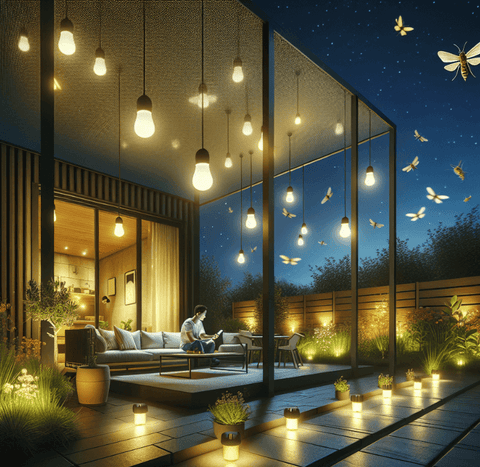
Are you tired of swatting away bugs every time you turn on your outdoor lights? Those annoying insects not only spoil your relaxing evenings but can also make your outdoor space uncomfortable.
The good news is, you don’t have to put up with this anymore. By understanding why bugs are drawn to your lights and using simple, effective tricks, you can enjoy a bug-free outdoor area. Keep reading to discover easy steps you can take right now to keep those pesky bugs away and make your nights outside truly enjoyable.

Credit: coloer.com
Types Of Outdoor Lights
Choosing the right outdoor lights helps reduce bugs gathering around your space. Different types of lights attract insects in various ways. Understanding these differences can guide your choices for a bug-free environment.
Incandescent Vs. Led
Incandescent bulbs produce warm light but emit more heat. This heat attracts many flying insects. LED lights stay cooler and use less energy. They give off less heat and fewer ultraviolet rays. Bugs are less attracted to LED lights than incandescent ones.
Solar-powered Options
Solar-powered lights charge during the day and work at night. They often use LED bulbs, reducing bug attraction. These lights do not need wiring or electricity. Solar lights are eco-friendly and easy to install. Their lower heat output helps keep bugs away.
Motion-sensor Lights
Motion-sensor lights turn on only when movement is detected. This limits light exposure time and reduces bug attraction. They save energy and increase security. Bugs have less chance to gather since lights are off most of the time. This makes motion-sensor lights ideal for outdoor spaces.
Why Bugs Are Attracted To Lights
Bugs gather around outdoor lights for specific reasons tied to how they sense their environment. Understanding why insects are drawn to lights helps to prevent them effectively. Two main factors explain this attraction: the light spectrum and heat emission.
Light Spectrum And Insects
Insects see light differently than humans. They are especially drawn to ultraviolet (UV) and blue light. These colors confuse their natural navigation, which relies on moonlight. Artificial lights disrupt their path, causing them to circle around light sources. Lights that emit less UV and blue light attract fewer bugs.
Heat Emission
Many outdoor lights produce heat along with light. Bugs sense heat as a sign of warmth or food. Warm lights act like a beacon, pulling insects closer. Cool LED lights emit less heat, which reduces insect attraction. Choosing lights with low heat output helps keep bugs away.
Choosing Bug-repellent Lighting
Choosing bug-repellent lighting is a smart way to keep insects away from your outdoor spaces. Bugs are attracted to certain types of light, especially those that emit blue or ultraviolet rays. Selecting the right bulbs can reduce their presence without sacrificing brightness or ambiance.
Using specific light bulbs that insects find less attractive helps create a more comfortable outdoor environment. This choice benefits your gatherings and protects your home from bug-related nuisances.
Yellow Or Warm Light Bulbs
Yellow or warm light bulbs emit a softer glow that bugs dislike. These bulbs produce less blue light, which insects find attractive. They create a cozy atmosphere while keeping bugs at a distance.
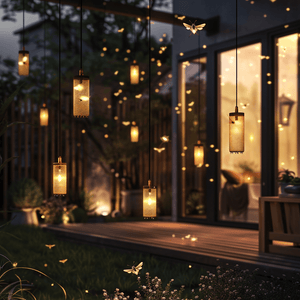
Many outdoor lights now come with yellow-tinted or warm LED options. These bulbs work well for porch lights, garden lamps, and patio fixtures. They reduce bug attraction without dimming your outdoor area.
Low-uv Emission Bulbs
Low-UV emission bulbs limit the ultraviolet light that attracts insects. UV light is a powerful magnet for many bugs, especially moths and mosquitoes. Bulbs with low UV output keep these pests away effectively.
LED and sodium vapor bulbs often have low UV emissions. These bulbs save energy and reduce bug swarms around your lights. Choosing low-UV bulbs helps maintain a bug-free outdoor space with clear visibility.
Credit: www.lumarysmart.com
Strategic Placement Of Lights
Strategic placement of your outdoor lights can make a huge difference in keeping bugs at bay. Instead of just lighting up your space, thoughtful positioning helps reduce the number of insects drawn to those lights. You might be surprised how much a little adjustment can improve your evenings outdoors.
Distance From Gathering Areas
Keep your lights away from areas where you and your guests spend most of your time. Bugs are naturally attracted to light, so placing lights farther from patios, decks, or seating zones can help keep those pesky insects out of your personal space.
Try positioning lights near pathways or garden borders instead of right above your dining table. Have you noticed that bugs tend to swarm around porch lights but rarely invade the fire pit? This simple trick works because it draws insects away from where you want to relax.
Height And Angle Considerations
The height at which you install your outdoor lights affects how bugs gather around them. Mounting lights higher up, such as on poles or tall walls, can disperse light over a wider area and reduce intense concentrations that attract insects.
Also, angle the light downward rather than letting it shine straight out or upward. This directs the beam to specific spots and limits the glow that bugs find irresistible. Have you ever noticed that downward-facing lights tend to have fewer bugs than those shining into open sky?
Utilizing Light Shields And Covers
Utilizing light shields and covers helps reduce bugs around outdoor lights. These tools block or change the light direction. This lowers insect attraction near your home or patio. Using shields and covers is a simple, effective way to keep bugs away.
Shielding Techniques
Light shields stop bugs from flying directly into the light. They work by directing light downward or sideways. This limits the light’s reach in open spaces.
- Install shields around the bulb to focus light.
- Use angled shields to reduce light scattering.
- Choose materials that block light but allow air flow.
Shields can be metal, plastic, or glass. Proper placement is key for best results. Shielding reduces bugs by cutting off their main attraction: bright light.
Light Covers And Accessories
Light covers enclose bulbs to prevent bugs from entering. They also soften the light, making it less attractive.
- Use tinted covers to change light color.
- Choose covers with tight seals to block bugs.
- Pick covers made from durable, weather-resistant materials.
Accessories like bug screens can also help. These add a fine mesh layer around the light. It stops small insects without blocking too much light.
Incorporating Natural Deterrents
Using natural deterrents around your outdoor lights can effectively reduce bugs without harsh chemicals. These options are safe for your family, pets, and the environment, making your outdoor space more enjoyable. Let’s look at some practical and easy-to-use natural solutions you can try today.
Plant-based Solutions
Certain plants naturally repel bugs and add beauty to your outdoor space. You can plant citronella, lavender, or marigolds near your light fixtures to keep insects at bay.
Citronella is well-known for its mosquito-repelling properties. Lavender not only smells great but also deters moths and flies. Marigolds release a scent that bugs dislike, creating an invisible barrier around your lights.
Have you ever noticed fewer bugs near a patch of herbs or flowers? That’s the power of plants working for you. Try grouping these plants close to your lights and observe how the bug activity changes.
Essential Oils And Sprays
Essential oils offer a concentrated form of natural bug repellents. Oils like eucalyptus, peppermint, and tea tree can be mixed with water and sprayed around your outdoor lighting area.
This simple spray acts as a shield that bugs avoid. Plus, it’s easy to make at home: just combine 10-15 drops of essential oil with water in a spray bottle and apply as needed.
Essential oils also provide a pleasant scent, unlike many chemical repellents. Have you tried making your own bug spray? It can be a fun and cost-effective way to keep pests away while enjoying your evenings outside.
Maintenance And Cleaning Tips
Keeping outdoor lights clean and well-maintained helps reduce bug attraction. Dirt and grime can trap heat and light, drawing insects closer. Regular care ensures your lights work efficiently and stay bug-free longer.
Regular Bulb Cleaning
Turn off the power before cleaning bulbs. Use a soft cloth to wipe dust and dirt gently. Avoid using water directly on bulbs to prevent damage. Clean bulbs every few weeks during bug season. Bright, clean bulbs shine better and attract fewer bugs.
Fixture Maintenance
Check fixtures for cracks or gaps where bugs can hide. Seal any openings with weather-resistant caulk. Remove spider webs and debris around fixtures often. Tighten loose parts to prevent bugs from entering. Replace worn-out or damaged fixtures to keep bugs away effectively.
Advanced Technological Solutions
Advanced technological solutions offer practical ways to keep bugs away from your outdoor lights without constant hassle. These tools use science and smart design to reduce insect attraction effectively. You can enjoy your evenings outdoors while minimizing those annoying bug gatherings.
Bug Zappers And Traps
Bug zappers attract insects using light and then eliminate them quickly. They work best in areas where you want to control flying bugs without chemicals. Some models use UV light, which is highly effective in drawing in mosquitoes and moths.
Traps are another option—they lure bugs with light, heat, or CO2 and trap them inside. These devices prevent bugs from buzzing around your space and reduce their overall population. If you’ve tried regular bug sprays, you might find traps a cleaner, quieter alternative.
Innovative Lighting Technologies
Modern lighting options can significantly reduce bug attraction. Yellow or amber LED bulbs, for example, emit light at wavelengths that bugs find less appealing. Switching to these bulbs can lower insect activity around your porch or garden.
Some smart lights adjust brightness and color temperature automatically to avoid attracting bugs. Have you ever noticed fewer bugs around certain types of streetlights? This technology brings that same advantage to your home lighting.

Credit: www.wowcatch.com
Frequently Asked Questions
Why Do Bugs Gather Around Outdoor Lights?
Bugs are attracted to outdoor lights because of their brightness and warmth. Many insects use natural light sources for navigation, so artificial lights confuse them. This causes bugs to swarm near lights, especially at night, increasing their presence around outdoor areas.
What Type Of Outdoor Lights Repel Bugs?
Yellow or amber LED lights repel bugs effectively. These lights emit wavelengths less attractive to insects. Using bug-repellent bulbs reduces insect gatherings. Warm-colored lights are better than cool white or blue tones for keeping bugs away.
How Can I Reduce Bugs Near Porch Lights?
Switch to yellow or amber LED bulbs and keep lights off when not needed. Use motion sensors to limit light use. Installing bug zappers or fans can also help reduce bugs near porch lights effectively.
Does The Light Placement Affect Bug Attraction?
Yes, placing lights away from doors and windows reduces bugs entering your home. Lights closer to plants or water attract more bugs. Proper light placement minimizes insect gatherings near entry points.
Conclusion
Keeping bugs away from outdoor lights takes simple steps. Choose yellow or warm-colored bulbs to reduce insect attraction. Turn off lights when not needed to cut bugs’ interest. Use screens or covers around lights to block insects. Clean light fixtures regularly to remove bugs and dirt.
These small changes create a more comfortable outdoor space. Enjoy your evenings without bugs swarming near your lights. A few easy habits make a big difference in bug control. Stay patient and consistent for the best results.

