
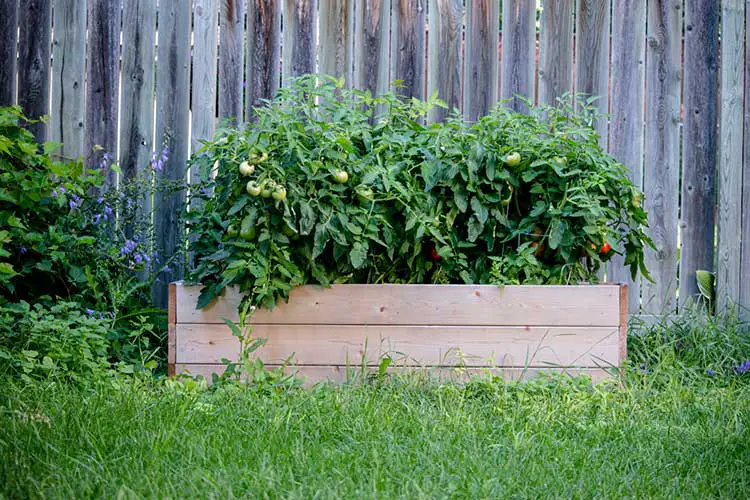
Are you ready to enjoy fresh, juicy tomatoes right from your garden? Planting tomatoes in raised beds can make growing these delicious fruits easier and more rewarding.
If you want stronger plants, better soil, and bigger harvests, this method is perfect for you. You’ll discover simple steps to get your tomato plants thriving in raised beds. Keep reading, and soon you’ll be harvesting tasty tomatoes that you grew yourself!
Choosing The Right Tomato Varieties
Choosing the right tomato varieties is key for success in raised beds. Different types grow and produce fruit in unique ways. Picking the right variety affects your harvest size and flavor. It also helps you manage space and avoid common problems in raised beds.
Determinate Vs Indeterminate Tomatoes
Determinate tomatoes grow to a fixed size. They stop growing once fruit appears. These plants work well in small raised beds. They produce a large crop all at once. Good for canning or sauces.
Indeterminate tomatoes keep growing and producing fruit all season. They can get tall and need support. These plants give fresh tomatoes over a longer time. Ideal for eating fresh or salads.
Heirloom Or Hybrid Options
Heirloom tomatoes have unique shapes and flavors. They come from old seeds passed down. These tomatoes can be more fragile and need care. Their taste often stands out in fresh dishes.
Hybrid tomatoes are bred for disease resistance and high yield. They usually have uniform fruit size and color. Hybrids often grow well in raised beds. They offer reliability and easier care.
Selecting Disease-resistant Types
Disease resistance is important to protect your plants. Raised beds can reduce some problems but not all. Choose tomato varieties labeled resistant to common diseases like:
- Blight
- Fusarium wilt
- Verticillium wilt
- Nematodes
These resistant types stay healthier and need fewer chemicals. A strong plant gives a better harvest.
Preparing The Raised Bed
Preparing your raised bed is the foundation for a successful tomato harvest. It sets the stage for strong roots, healthy plants, and abundant fruit. Taking time to get this right saves you from common growing issues later.
Soil Composition And Drainage
Your tomatoes need soil that holds moisture but drains well. A mix of sandy loam and organic matter works best. If your soil feels heavy or clay-like, add coarse sand or fine gravel to improve drainage.
Good drainage prevents water from pooling around roots, which can cause rot. You can test drainage by digging a small hole, filling it with water, and timing how quickly it drains. If it takes more than a few hours, adjust the soil mix accordingly.
Adding Compost And Nutrients
Tomatoes are heavy feeders, so enriching your soil with compost is crucial. Spread a 2-3 inch layer of well-rotted compost over your bed and mix it into the top 8-12 inches of soil.
Besides compost, consider adding balanced organic fertilizers that contain nitrogen, phosphorus, and potassium. These nutrients support leaf growth, root development, and fruit production. I once skipped this step and ended up with leafy plants but almost no tomatoes—definitely a lesson learned.
Bed Size And Spacing Considerations
Raised beds should be at least 12 inches deep to give roots enough room. Wider beds, about 3-4 feet, allow you to reach the center without stepping on the soil. This helps maintain soil structure and aeration.
Plan your tomato spacing carefully. Space plants 18-24 inches apart to ensure good air circulation and reduce disease risk. Crowded plants can lead to mold and fewer tomatoes. How much space do you think your tomatoes need to thrive?
Planting Techniques
Planting tomatoes in raised beds requires careful techniques for strong growth. Proper planting helps plants absorb nutrients and water efficiently. Use the right steps to give your tomatoes a healthy start and a good yield.
Timing For Planting Tomatoes
Plant tomatoes after the last frost date in your area. Soil temperature should be at least 60°F (16°C). Planting too early can stunt growth or kill young plants. Warm weather helps roots grow and plants thrive.
Proper Planting Depth
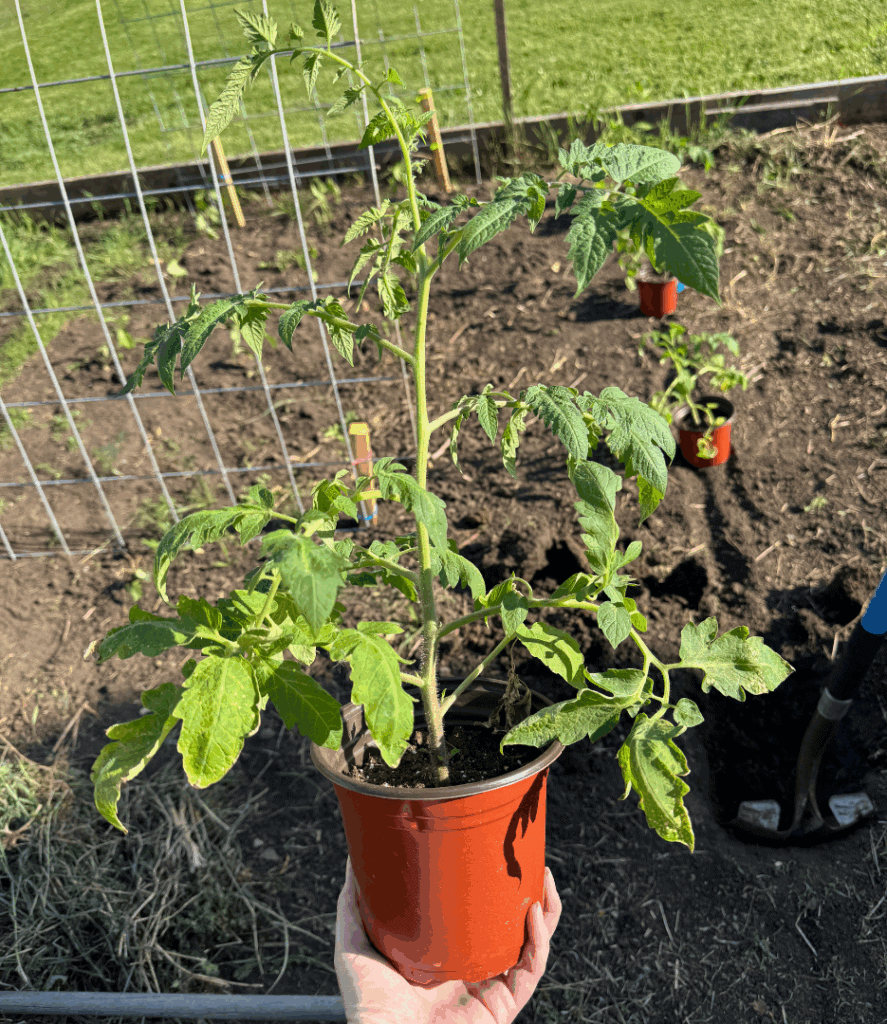
Plant tomato seedlings deeper than they grow in pots. Bury the stem up to the first set of leaves. This allows roots to grow along the buried stem. Strong roots lead to healthier plants and better fruit production.
Spacing Plants For Optimal Growth
Space tomato plants 18 to 24 inches apart in raised beds. Proper spacing improves air circulation and reduces disease risk. Crowded plants compete for nutrients and sunlight. Leave enough room for growth and easy care.
Credit: homelyhens.com
Watering And Mulching
Watering and mulching are essential parts of growing healthy tomatoes in raised beds. They help maintain the right moisture levels and protect your plants from stress. Getting these steps right can make a big difference in the size and taste of your tomatoes.
Establishing A Watering Schedule
Tomatoes need consistent moisture to thrive. Water your plants deeply once or twice a week rather than shallow watering every day. This encourages roots to grow deeper and strengthens the plant.
Early morning is the best time to water. It allows leaves to dry during the day, reducing the chance of fungal diseases. Pay attention to weather changes—during hot spells, you might need to water more often.
Benefits Of Mulching
Mulching helps keep the soil moist and cool, which tomatoes love. Adding a 2-3 inch layer of organic mulch like straw, grass clippings, or shredded leaves prevents water evaporation.
It also blocks weeds that compete for nutrients and space. I once skipped mulching for a few plants, and they struggled with dryness and weed invasion. Mulching can save you time and improve your tomato yield.
Preventing Overwatering And Disease
Overwatering can drown tomato roots and lead to disease. Watch for signs like yellow leaves or wilting despite moist soil. Avoid watering leaves directly; focus on the base of the plant.
Good drainage in raised beds helps prevent standing water. If you notice soggy soil or mold, reduce watering frequency immediately. Keeping soil moist but not wet is key to healthy tomatoes.
Supporting And Pruning Plants
Tomato plants need strong support to grow upright and healthy in raised beds. Pruning helps remove extra leaves and stems, improving air flow and fruit quality. This care encourages better growth and larger tomatoes.
Planting tomatoes in raised beds offers a plethora of benefits, including better soil control and improved drainage. However, to maximize your tomato yield, supporting and pruning your plants is essential. Proper support ensures healthy growth while pruning helps in directing energy to fruit production. Let’s dive into some practical techniques to help your tomatoes thrive.Using Stakes, Cages, Or Trellises
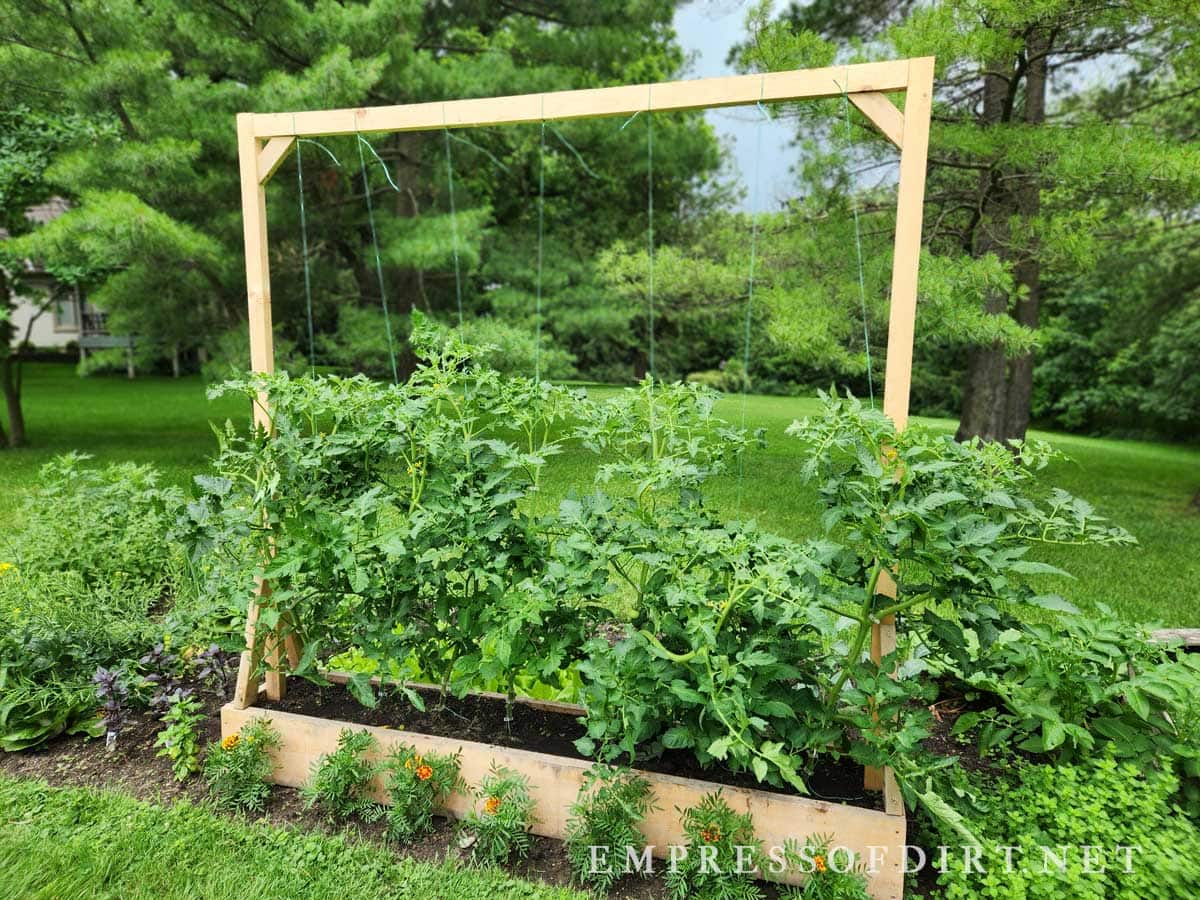
Supporting your tomato plants with stakes, cages, or trellises can prevent them from sprawling on the ground, which reduces the risk of disease and rot. Stakes are perfect for limited spaces—simply drive them into the ground near the stem and tie the plant as it grows. Cages provide all-around support and are great if you want minimal maintenance. A trellis is ideal for indeterminate varieties that continue growing upward throughout the season. Which support system will you choose to keep your tomatoes standing tall?Pruning Suckers And Lower Leaves
Pruning is a crucial step in ensuring your tomato plants focus their energy on producing fruit rather than excessive foliage. Regularly remove the suckers, those tiny shoots that appear in the leaf axils. This simple action prevents unnecessary energy wastage. Also, trim the lower leaves that touch the soil to protect your plants from diseases. Have you noticed how a little pruning can boost your plant’s productivity?Improving Air Circulation
Good air circulation prevents fungal diseases and promotes healthier plants. Ensure adequate spacing between plants when planting in your raised bed. You might be surprised how a gentle breeze can invigorate your tomato plants! By removing excess leaves, especially the dense inner foliage, you’ll allow more air and sunlight to reach the plant. Is your garden breezy enough to keep your tomatoes thriving? By focusing on these supportive and pruning techniques, you’ll be well on your way to a bountiful tomato harvest. Remember, a little effort in plant maintenance goes a long way in ensuring that your raised bed garden remains healthy and productive.Fertilizing For Maximum Yield
Fertilizing your tomato plants in raised beds is a key step to boost their growth and fruit production. Proper nutrition helps your plants develop strong roots, resist diseases, and produce juicy, flavorful tomatoes. Getting the right balance of nutrients can be the difference between a handful of tomatoes and a bountiful harvest.
Choosing The Right Fertilizer
Tomatoes need a fertilizer rich in nitrogen, phosphorus, and potassium, but the ratio matters. Too much nitrogen leads to leafy plants with few fruits, while too little phosphorus can stunt root growth.
Look for a balanced fertilizer labeled something like 10-10-10 or one specifically formulated for tomatoes. Organic options like compost or well-rotted manure also provide nutrients and improve soil texture.
Have you tried mixing granular fertilizers with liquid feeds? Combining both can supply nutrients steadily and quickly when plants need them most.
When And How To Fertilize
Start fertilizing right after planting to give young tomato plants a strong start. Apply fertilizer every 3-4 weeks during the growing season to maintain nutrient levels.
Use a small handful of granular fertilizer around each plant, keeping it a few inches away from the stem to avoid burning. Water thoroughly after applying to help nutrients soak into the soil.
Liquid fertilizers work well for quick nutrient boosts. Try feeding your plants with a diluted fish emulsion or seaweed extract every two weeks.
Signs Of Nutrient Deficiency
Watch your tomato plants closely for signs they need more nutrients. Yellowing leaves often indicate nitrogen deficiency, while purple tints on leaves can suggest phosphorus shortage.
Slow growth and poor fruit development also signal your plants might be hungry. Spotting these signs early lets you adjust your fertilizing schedule and keep your tomatoes thriving.
Have you noticed unusual leaf spots or curling? Sometimes these symptoms relate to nutrient imbalances rather than pests or diseases, so check your feeding routine first.
Pest And Disease Management
Managing pests and diseases is crucial for growing healthy tomatoes in raised beds. Left unchecked, these problems can quickly ruin your harvest and frustrate your gardening efforts. But with the right approach, you can protect your plants and enjoy a bountiful yield.
Common Tomato Pests
Tomatoes attract several pests that can damage leaves, stems, and fruit. Aphidscluster on new growth, sucking sap and spreading disease. Tomato hornwormsare large caterpillars that can strip foliage overnight. Whitefliescause leaf yellowing and transmit viruses. Watch out for spider mites, tiny pests that cause stippling and webbing on leaves.
Have you noticed small holes or discolored spots on your tomato leaves? That could be a sign of pest activity. Early detection makes control easier and more effective.
Natural And Chemical Controls
You can manage pests with natural options like handpicking hornworms or spraying insecticidal soap for aphids and whiteflies. Introducing beneficial insects such as ladybugs and lacewings helps keep pest populations down.
If pests persist, targeted chemical controls may be necessary. Choose tomato-safe pesticides and always follow label instructions closely. Avoid broad-spectrum insecticides that kill helpful insects along with pests.
- Use neem oil sprays to deter many common pests.
- Apply diatomaceous earth around plants to reduce crawling insects.
- Try row covers early in the season to prevent pest access.
Preventative Measures
Prevention is your best defense. Start with disease-resistant tomato varieties to lower risks. Rotate crops each year to avoid soil-borne diseases building up in your raised beds.
Keep your raised beds clean by removing plant debris and weeds that harbor pests. Water at the base of plants to reduce leaf wetness, which encourages fungal diseases. Proper spacing improves air circulation and reduces humidity around your tomatoes.
Have you tried mulching to keep soil moisture steady and reduce weed growth? Mulch also creates a barrier against soil-borne pathogens reaching your plants.

Credit: www.youtube.com
Harvesting And Storage Tips
Knowing exactly when and how to pick your tomatoes can make a big difference in taste and shelf life. Careful harvesting and smart storage keep your tomatoes fresh longer, so you can enjoy that garden flavor well after picking day.
Identifying Ripe Tomatoes
Look for tomatoes that have a deep, even color matching their variety—whether red, orange, or yellow. The fruit should feel firm but yield slightly under gentle pressure. Avoid picking tomatoes with green spots or cracks, as they aren’t fully ripe yet.
Have you noticed how some tomatoes continue to ripen off the vine while others don’t? If you pick slightly underripe tomatoes, place them in a warm spot to finish ripening. This trick works well with larger varieties like beefsteak tomatoes.
Proper Harvesting Techniques
Use clean, sharp scissors or garden shears to cut tomatoes from the vine, leaving a small stem attached. This prevents damage to both the fruit and the plant, encouraging more growth. Avoid pulling tomatoes off by hand, which can bruise them or tear the vine.
Harvest during the cooler parts of the day—early morning or late afternoon—to reduce heat stress on your tomatoes. Handle each fruit gently; bruises can lead to quicker spoilage. If you spot any damaged tomatoes, remove them promptly to protect the rest.
Storing Tomatoes For Freshness
Store ripe tomatoes at room temperature away from direct sunlight to preserve their flavor and texture. Refrigeration can dull the taste and cause the flesh to become mealy, so avoid the fridge unless the tomato is fully ripe and you need to extend its life by a few days.
If you have a large harvest, consider placing tomatoes stem-side down on a flat surface to reduce moisture loss. For longer storage, you can freeze tomatoes whole or chopped, but fresh is always best for salads and sandwiches.
Credit: empressofdirt.net
Frequently Asked Questions
What Soil Mix Is Best For Tomato Raised Beds?
Use a rich, well-draining soil mix with compost, peat moss, and vermiculite. This blend ensures nutrients and moisture retention, promoting healthy tomato growth in raised beds.
How Deep Should I Plant Tomato Seedlings?
Plant tomato seedlings deep, burying two-thirds of the stem. This encourages strong root development and better plant stability in raised beds, enhancing nutrient uptake.
When Is The Best Time To Plant Tomatoes In Raised Beds?
Plant tomatoes after the last frost date in your area. Warm soil and air temperatures above 60°F ensure successful growth and fruit production in raised beds.
How Often Should I Water Tomatoes In Raised Beds?
Water tomatoes deeply 2-3 times per week. Maintain consistent moisture, avoiding soggy soil, to prevent stress and encourage healthy fruit development in raised bed gardens.
Conclusion
Planting tomatoes in raised beds helps your garden grow strong. Choose good soil and plant seedlings deep for best results. Water regularly, but don’t soak the plants. Keep an eye on pests and remove weeds often. Sunlight is key—tomatoes need at least six hours daily.
With care, your raised bed will produce tasty tomatoes. Enjoy fresh, homegrown tomatoes all season long. Gardening is simple and rewarding this way. Give your plants the right start and watch them thrive.

