

Moving a heavy deck box can feel like a tough, frustrating job. You might worry about damaging your deck, hurting your back, or just not knowing the best way to do it.
But what if you could move your deck box safely and easily, without stress or strain? You’ll discover simple, effective tips that make moving your heavy deck box a breeze. Keep reading to learn how to protect yourself and your space while getting the job done right.
Assess The Deck Box Weight
Before you attempt to move a heavy deck box, it’s crucial to assess its weight accurately. Knowing how heavy the box is will help you plan the safest and most efficient way to move it, preventing injuries or damage. It also helps you decide if you need extra help or special equipment.
Check The Manufacturer’s Label Or Manual
Start by looking for any weight information on the deck box itself. Many manufacturers include the weight on a label or in the user manual. This detail gives you a reliable baseline without guessing.
If you don’t have the manual, check the brand’s website or contact customer service. Sometimes, model numbers can help you find exact specifications online.
Estimate Weight Based On Materials And Size
When weight info isn’t available, use the box’s size and material to estimate. Plastic boxes tend to be lighter, while metal or wood versions can be very heavy. For example, a 50-gallon plastic deck box might weigh around 30-40 pounds empty, while a wooden one of the same size could be 100 pounds or more.
Consider the contents too—if it’s filled with garden tools or cushions, the total weight increases significantly. Ask yourself: how much does the box hold, and what’s inside right now?
Use A Scale Or Weighing Device
If you want an exact number, use a scale. A bathroom scale can work if you can lift the box safely onto it. Alternatively, try a luggage scale with a strap around the box handles.
This approach ensures you know the precise weight before moving. Have a friend help if the box is too bulky to manage alone on a scale.
Consider Your Own Strength And Available Help
Once you know the weight, reflect on your ability to lift or carry it. Do you need a second person? Would a dolly or hand truck make the job easier? Underestimating this can lead to strains or accidents.
Think about your past experiences moving heavy items—did you struggle, or was it manageable? Use that insight to decide your next move.
Credit: www.walmart.com
Clear The Pathway
Clearing the pathway is a crucial step before moving a heavy deck box. It makes the move safer and easier. Obstacles can cause trips and damage to the box or surroundings. A clean, open path ensures smooth movement and prevents accidents.
Take time to inspect the route from the deck box’s current spot to its new place. Remove anything that might block or trip you. This careful preparation saves effort and frustration during the move.
Remove Furniture And Garden Tools
Start by taking away chairs, tables, or other furniture in the way. Garden tools like rakes or hoses should also be cleared. These objects can get caught on the box or cause you to stumble.
Check For Uneven Surfaces And Repair Them
Look for cracks, holes, or bumps along the path. These can make pushing or carrying the box difficult. Fix or cover uneven spots with boards or mats to create a level surface.
Ensure Adequate Lighting
Good lighting helps you see hazards clearly. If moving in low light, add portable lights or flashlights. Bright pathways reduce the risk of accidents and improve safety.
Create Enough Space To Maneuver
Measure the deck box and ensure the path is wide enough. Leave extra space to turn corners comfortably. Narrow passages may require removing doors or widening the route.
Gather Necessary Equipment
Moving a heavy deck box can be a challenging task if you’re not prepared with the right tools. Having the necessary equipment ready can make the process smoother and safer. It also helps prevent damage to the box and reduces the risk of injury to you.
Use Moving Straps
Moving straps are a game-changer when lifting heavy items. They help you distribute weight evenly and give you better control. You can find adjustable nylon straps that wrap around the deck box, allowing two people to carry it comfortably.
Think about how much easier it is to lift when the weight is balanced. Straps also reduce the strain on your back and arms. Have you ever tried lifting something awkward without any support? Moving straps can make that struggle disappear.
Employ A Dolly Or Hand Truck
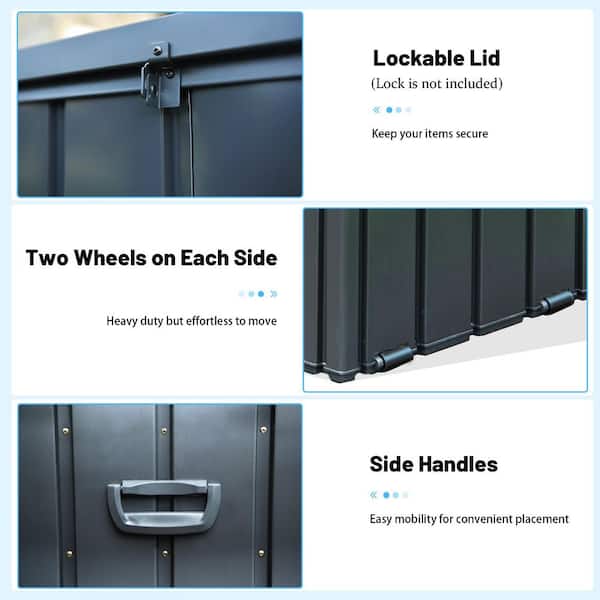
A dolly or hand truck is perfect for rolling the deck box instead of carrying it. This tool reduces the effort you need to move heavy items, especially over longer distances or uneven ground. Just tilt the box onto the dolly and wheel it to your destination.
If you don’t own a dolly, check if you can borrow one from a neighbor or rent it locally. It’s worth the small investment when you consider how much easier it makes the job. Have you noticed how much smoother moving heavy things becomes with wheels involved?
Wear Protective Gloves
Protective gloves are essential when handling heavy deck boxes. They improve your grip and prevent cuts or scrapes from rough edges. Gloves made from durable materials like leather or reinforced fabric are best.
Wearing gloves also helps you maintain a firm hold, reducing the chance of dropping the box. Have you ever tried lifting something heavy and lost your grip? Gloves can make a big difference in keeping control during the move.
Prepare The Deck Box
Preparing the deck box before moving is important for safety and ease. Taking time now avoids damage and heavy lifting struggles later.
Organizing the box ensures nothing falls out during the move. It also helps reduce the weight, making the box easier to carry.
Empty The Contents
Start by taking everything out of the deck box. Sort items by size and weight to pack them properly later.
Emptying the box prevents spills and damage to your belongings. It also makes the box lighter and easier to move.
Secure The Lid
Close the lid tightly to keep it from opening during transport. Use strong tape or bungee cords to hold it in place.
Securing the lid protects the contents and keeps the box stable. This step helps avoid accidents and saves effort while moving.
Use Proper Lifting Techniques
Lift with your legs, not your back, to avoid injury while moving a heavy deck box. Keep the box close to your body and move slowly for better control. Ask for help if the box feels too heavy to carry alone.
Moving a heavy deck box can be quite a challenge, but using proper lifting techniques can make the task more manageable and prevent injuries. It’s not just about strength; it’s about technique. By focusing on how you lift, you can save your back and make the process smoother.Bend At The Knees
When preparing to lift a heavy deck box, start by bending at your knees, not your waist. This positioning is crucial because it shifts the weight to your legs, which are better equipped to handle the load. Imagine squatting down as if you’re about to sit in a chair; this ensures your body is in the right posture.Keep The Back Straight
Maintaining a straight back is vital during the lifting process. This alignment helps distribute the weight evenly, reducing the risk of back strain. Picture your spine as a strong, unyielding column—your support system throughout the lift. A straight back not only protects but also stabilizes.Lift With The Legs
Your legs are your powerhouse when lifting heavy objects. Use them to drive the movement upwards. As you rise from the squat position, push through your heels and feel the strength in your thighs and calves doing the work. This technique minimizes the load on your back and maximizes efficiency. Have you ever noticed how professional movers make lifting seem effortless? They rely on these techniques to handle heavy items with ease. Next time you face a bulky deck box, remember these steps, and you’ll lift like a pro.Coordinate With Helpers
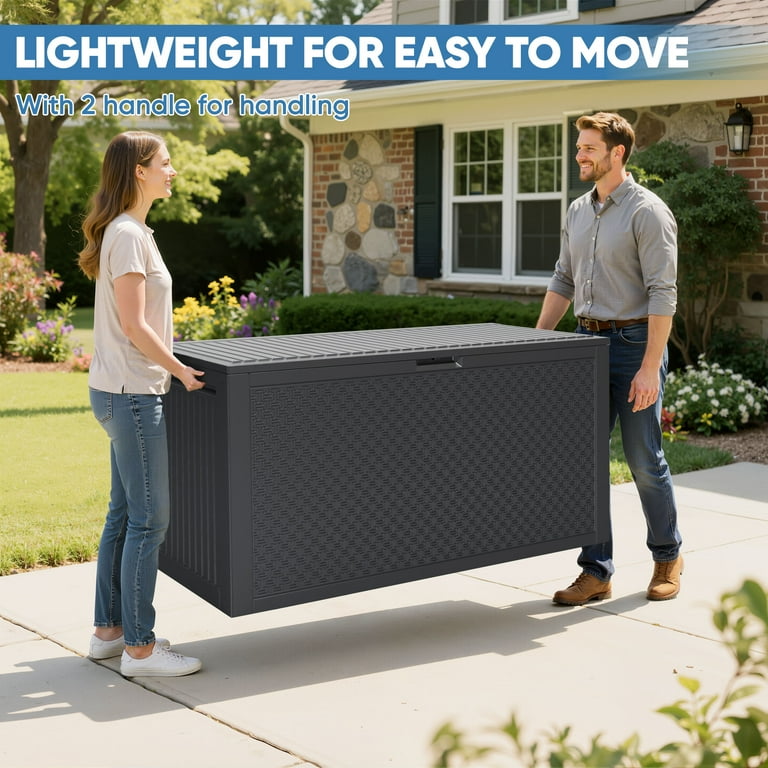
Moving a heavy deck box is easier and safer with helpers. Working together avoids accidents and damage. Coordination keeps the process smooth and fast. Every helper should know the plan before lifting. This way, everyone acts as one team.
Communicate Clearly
Start by telling helpers what to do. Use short, simple words. Speak loud enough for everyone to hear. Point out where to lift and where to move. Agree on signals for stopping or resting. Clear talk prevents confusion and mistakes. Check that all helpers understand the plan. Repeat key points if needed. Good communication builds trust and safety.
Lift And Move In Sync
Count together before lifting. Everyone should lift at the same time. Keep the deck box level while moving. Walk slowly and watch each other’s steps. Match each other’s pace to stay balanced. Avoid sudden moves or jerks. If someone needs to stop, all stop. Moving in sync protects backs and fingers. Teamwork makes heavy lifting manageable and safe.
Take Breaks And Pace Yourself
Moving a heavy deck box can quickly drain your energy if you push too hard without pausing. Taking breaks and pacing yourself helps prevent injury and keeps you effective throughout the task. It’s not about rushing; it’s about smartly managing your strength over time.
Recognize Your Limits Early
Pay attention to how your body feels as you lift or push the deck box. If your muscles start to ache or you feel short of breath, that’s a clear sign to pause. Ignoring these signals can lead to strains or worse, making the task take much longer than expected.
Set Timed Breaks To Maintain Energy
Use a timer or your watch to remind yourself to stop every 10 to 15 minutes. During these breaks, hydrate and stretch your muscles gently. This simple routine keeps your energy steady and reduces stiffness, making the next move easier.
Break The Task Into Smaller Sections
Instead of moving the entire deck box in one go, try shifting it a few feet at a time. This approach lets you rest between moves and keeps your motivation up. Ask yourself, “Can I complete this in stages without hurting myself?” If yes, break it down.
Share The Load When Possible
Even if you plan to move the deck box yourself, getting help for heavy spots can make a big difference. A friend or family member can take over briefly while you catch your breath. This way, you avoid pushing past your limits and keep the momentum going.
Use Proper Techniques To Reduce Fatigue
Keep your back straight, bend your knees, and use your legs to lift. Good form helps you conserve energy and lowers the risk of injury. If you start feeling tired, reassess your technique before continuing.
Credit: www.homedepot.com
Position The Deck Box Safely
Place the deck box on a flat, stable surface to prevent tipping. Ensure the area is clear of obstacles for safe movement. Keep a firm grip and lift with your legs, not your back.
Positioning your deck box safely is a crucial step when moving it. Ensuring stability and avoiding obstacles can prevent mishaps and make the process smoother. Let’s explore how you can achieve this with ease and confidence.Place On Stable Ground
Choosing the right spot to set down your deck box can make a big difference. Always look for flat and even surfaces. Uneven ground can cause the box to tip over, leading to potential damage or injury. Think about the terrain of your backyard or patio. Is there a section that’s particularly level? That’s your go-to spot. You might need to clear away small debris like stones or twigs to create an even surface.Avoid Obstructions
Obstructions can be a hidden danger when positioning your deck box. Check for items that might be in the way, such as garden hoses, toys, or outdoor furniture. Before moving the box, walk the path you plan to take. Identify any potential tripping hazards and remove them. This practice not only ensures safety but also saves you time and effort. Have you ever tried to maneuver around a crowded space? It’s frustrating. By clearing a path, you’ll make the process of positioning your deck box much more manageable and stress-free. Incorporating these simple practices can make moving your deck box a breeze. Have you considered other creative ways to ensure safety while handling heavy items?
Credit: www.amazon.ae
Frequently Asked Questions
How Do I Safely Lift A Heavy Deck Box?
Use proper lifting techniques by bending your knees and keeping your back straight. Ask for help if the box is too heavy. Use lifting straps or a dolly to reduce strain and prevent injury during the move.
What Tools Help Move A Heavy Deck Box Easily?
A dolly or hand truck makes moving heavy deck boxes easier. Furniture sliders or moving straps can also help reduce effort. These tools protect your floors and minimize physical strain.
Can I Disassemble A Deck Box To Move It?
Yes, disassembling a deck box can make it lighter and easier to move. Follow the manufacturer’s instructions carefully. Keep all screws and parts organized for easy reassembly.
How Do I Protect My Deck Box During Moving?
Wrap the deck box in moving blankets or bubble wrap to prevent scratches. Secure loose parts with tape. Avoid dragging the box to prevent damage to both the box and floor.
Conclusion
Moving a heavy deck box does not have to be hard. Plan your steps and gather the right tools first. Ask for help to avoid injury and make the job easier. Use sliders or a dolly to protect your floors.
Take your time and stay safe during the move. With care and patience, your deck box will be in its new spot without trouble. Simple tips make a big difference in moving heavy items. Now, you are ready to move your deck box with confidence.

