
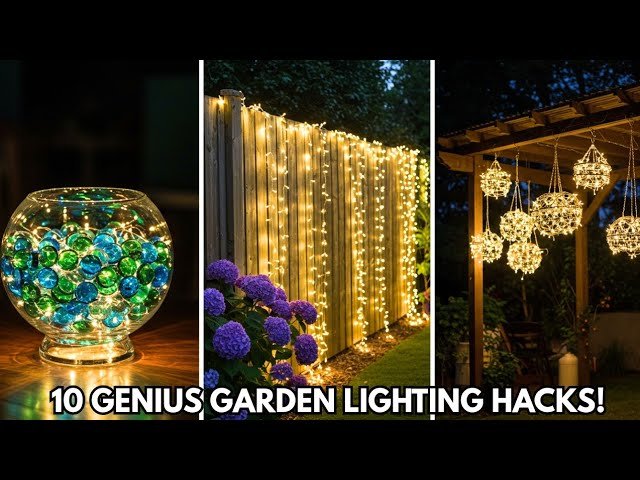
Imagine transforming your garden into a magical space filled with soft, glowing fairy lights—all made by you. Creating DIY fairy lights for your garden is easier than you think, and it adds a personal touch that store-bought lights just can’t match.
Whether you want to brighten up your evening gatherings or simply enjoy a cozy outdoor retreat, these simple steps will guide you through making your own enchanting lights. Ready to light up your garden and impress your friends? Let’s dive in!
Choosing Materials
Choosing the right materials is essential for creating beautiful and durable DIY fairy lights for your garden. The materials you pick will affect how your lights look, how long they last, and how easy they are to maintain. Let’s take a closer look at the key components you need to consider before starting your project.
Types Of Fairy Lights
Fairy lights come in various styles and sizes. You can pick from classic string lights, LED bulbs, or even solar-powered strands. LED lights are popular because they use less energy and stay cool, making them safer for outdoor use.
Think about the ambiance you want. Do you prefer warm white for a cozy feel or multicolored lights for a playful vibe? Also, consider waterproof or weather-resistant options to keep your lights glowing through rain or dew.
Selecting Containers And Covers
Choosing the right containers or covers can transform simple lights into charming garden decorations. Mason jars, old wine bottles, or even teacups can hold your fairy lights and add character. Transparent or frosted glass works well to diffuse light softly.
Plastic covers are lighter and less fragile, but glass gives a classic touch. You might want to paint or decorate these containers to match your garden theme. What unique items do you have around that could double as fairy light holders?
Power Sources Options
Powering your fairy lights is a practical concern that affects placement and convenience. Battery-operated lights offer flexibility and no cords, but you’ll need to replace or recharge batteries regularly. Solar-powered lights are eco-friendly and perfect for sunny gardens, charging during the day and glowing at night.
If you prefer a steady power supply, plug-in options work well but require access to outdoor outlets. Consider the safety of your wiring and whether you need extension cords. Which power source fits best with your garden layout and maintenance routine?
Preparing The Lights
Preparing the lights is a crucial step in making your DIY fairy lights for the garden. It ensures everything works smoothly and looks magical once hung. Taking time to test, wire, and decorate your lights can save you frustration later and let your creativity shine.
Testing The Lights
Start by checking if all your fairy lights are working properly. Plug them in and look for any bulbs that don’t light up or flicker.
Replace faulty bulbs or wires before moving forward. This simple test prevents surprises when your garden lights are already set up.
Have you ever spent hours stringing lights only to find one section dead? Testing first keeps your project stress-free.
Wiring Basics
Understanding basic wiring will help you connect your lights safely and effectively. Use insulated wires suitable for outdoor use to avoid any electrical hazards.
Keep connections tight and waterproof by using electrical tape or heat shrink tubing. This protects your lights from rain and moisture.
- Use a low-voltage power source to keep your setup safe and energy-efficient.
- Plan your wiring layout to avoid tangled cords and ensure even light distribution.
Are your wires neat and secure? Messy wiring not only looks bad but can also cause shorts or damage.
Adding Decorative Elements
Once your lights are tested and wired, personalize them with decorative touches. Small craft supplies like beads, colored paper, or natural elements can add charm.
Try wrapping lights with thin fabric strips or attach tiny artificial flowers for a whimsical effect. These simple additions transform plain bulbs into enchanting garden accents.
Think about your garden’s theme or colors. What small change could make your fairy lights uniquely yours?
Crafting Light Covers
Crafting light covers adds charm and personality to your garden fairy lights. Light covers protect bulbs and create a warm, inviting glow. You can customize covers using simple materials found at home or in craft stores. This section shows easy ways to make creative covers that brighten your outdoor space.
Using Mason Jars
Mason jars make perfect light covers for garden fairy lights. They are sturdy, reusable, and give a rustic look. Clean the jars well before use. Place small LED lights inside each jar. Secure the lid to keep the light in place. Hang the jars from tree branches or garden hooks. Frosted or painted jars soften the light and add color.
Creating Paper Lanterns
Paper lanterns bring a soft, magical glow to garden lights. Use lightweight paper or tissue paper for easy shaping. Cut paper into shapes or strips, then glue or tape to form lanterns. Add holes or patterns for interesting light effects. Attach lanterns to fairy lights with string or clips. Choose bright colors or pastels to match your garden theme.
Repurposing Household Items
Many household items can become unique light covers. Use old teacups, colanders, or glass bowls to create different styles. Paint or decorate them for a personal touch. Make sure the items are heat-safe to avoid damage. Attach fairy lights carefully inside or around these objects. This approach saves money and reduces waste.

Credit: cottagelife.com
Arranging Lights In The Garden
Arranging fairy lights in your garden can transform the space into a cozy, magical retreat. It’s not just about hanging lights randomly; the way you place them affects the entire atmosphere. Thoughtful arrangement helps highlight your garden’s best features and ensures safety while enhancing the overall look.
Planning The Layout
Start by walking around your garden and imagining where the lights would look best. Think about focal points like trees, pathways, or seating areas that could use a soft glow. Sketching a simple map or taking photos can help you visualize how the lights will flow.
Consider how many lights you have and how far their cords can reach. Grouping lights too close may look cluttered, while spreading them too far could leave dark spots. Ask yourself: which areas do you want to highlight or create ambiance in?
Securing Lights Safely
Safety should be your top priority when arranging fairy lights outdoors. Use weatherproof clips or hooks designed for outdoor use to secure the lights without damaging plants or structures. Avoid using nails or staples that can harm wiring or your garden elements.
Check all cords and connections to make sure they’re rated for outdoor use and protected from moisture. It’s also smart to plug your lights into a GFCI outlet to prevent electrical hazards. Think about how you’ll manage excess cable to avoid tripping or tangling.
Enhancing With Natural Elements
Integrate your fairy lights with natural features to make your garden shine in a charming way. Wrap string lights around tree trunks or weave them through climbing vines for a magical effect. Hanging lights from sturdy branches can create a floating canopy of soft illumination.
Try placing lights inside glass jars or lanterns to add a warm, rustic touch to tables or garden edges. Don’t forget to complement your lights with reflective surfaces like water features or shiny leaves to amplify their glow. How can you use your garden’s natural shapes to guide your light placement?
Maintaining Your Fairy Lights
Maintaining your DIY fairy lights keeps them shining bright throughout the seasons. Proper care prevents damage from outdoor elements. It also extends their lifespan and saves money on replacements.
Simple steps can protect your lights from rain, wind, and sun. Regular cleaning avoids dirt buildup that dims their glow. Quick fixes help solve common issues without hassle.
Weatherproofing Tips
- Use waterproof tape to seal all connections and plugs.
- Cover the battery pack with a plastic bag or container.
- Choose LED bulbs, as they handle moisture better than incandescent bulbs.
- Secure the lights tightly to prevent movement during strong winds.
- Avoid placing lights near sprinkler systems or areas prone to water pooling.
Cleaning And Storage
- Turn off and unplug lights before cleaning.
- Wipe bulbs and wires gently with a damp cloth to remove dust.
- Remove any debris caught in the wires or bulbs.
- Store lights in a dry, cool place when not in use.
- Wrap the string loosely to prevent tangling and wire damage.
Troubleshooting Common Issues
- Check batteries or power source if lights do not turn on.
- Inspect bulbs for breaks or corrosion and replace if needed.
- Look for loose or damaged wires and secure or repair them.
- Reset any timers or switches controlling the lights.
- Test the lights in sections to find the problem area quickly.

Credit: m.youtube.com

Credit: www.elizabethburnsdesign.com
Frequently Asked Questions
How Do I Make Diy Fairy Lights For My Garden?
To make DIY fairy lights, gather string lights, small jars or bottles, and decorative elements. Insert lights into containers and secure them. Hang these illuminated jars around your garden to create a magical ambiance. Choose weatherproof materials for outdoor durability and enjoy your glowing garden space.
What Materials Are Needed For Diy Garden Fairy Lights?
You need LED string lights, transparent jars or bottles, wire or hooks, and optional decorations like ribbons or flowers. Use waterproof lights for outdoor use. These simple materials help you create charming, safe, and energy-efficient garden fairy lights that enhance your outdoor decor.
Can I Use Solar Lights For Garden Fairy Lights?
Yes, solar lights are ideal for garden fairy lights. They save energy and require no wiring. Place solar panels where they get sunlight. Solar fairy lights automatically turn on at dusk, making your garden eco-friendly and beautifully lit without extra electricity costs.
How Can I Make Fairy Lights Weatherproof Outdoors?
To weatherproof fairy lights, use waterproof LED lights and seal jars tightly with silicone. Avoid exposed wiring and secure connections with electrical tape. Position lights under partial cover if possible. This protects your fairy lights from rain and extends their lifespan in the garden.
Conclusion
DIY fairy lights can brighten your garden with a warm glow. Crafting them yourself saves money and adds a personal touch. Use simple materials and follow easy steps for great results. These lights create a cozy and magical space outdoors.
Enjoy your garden more with soft, handmade lighting. Try making your own fairy lights and see the difference. It’s fun, creative, and perfect for any garden setting. Start today and bring charm to your outdoor nights.

