
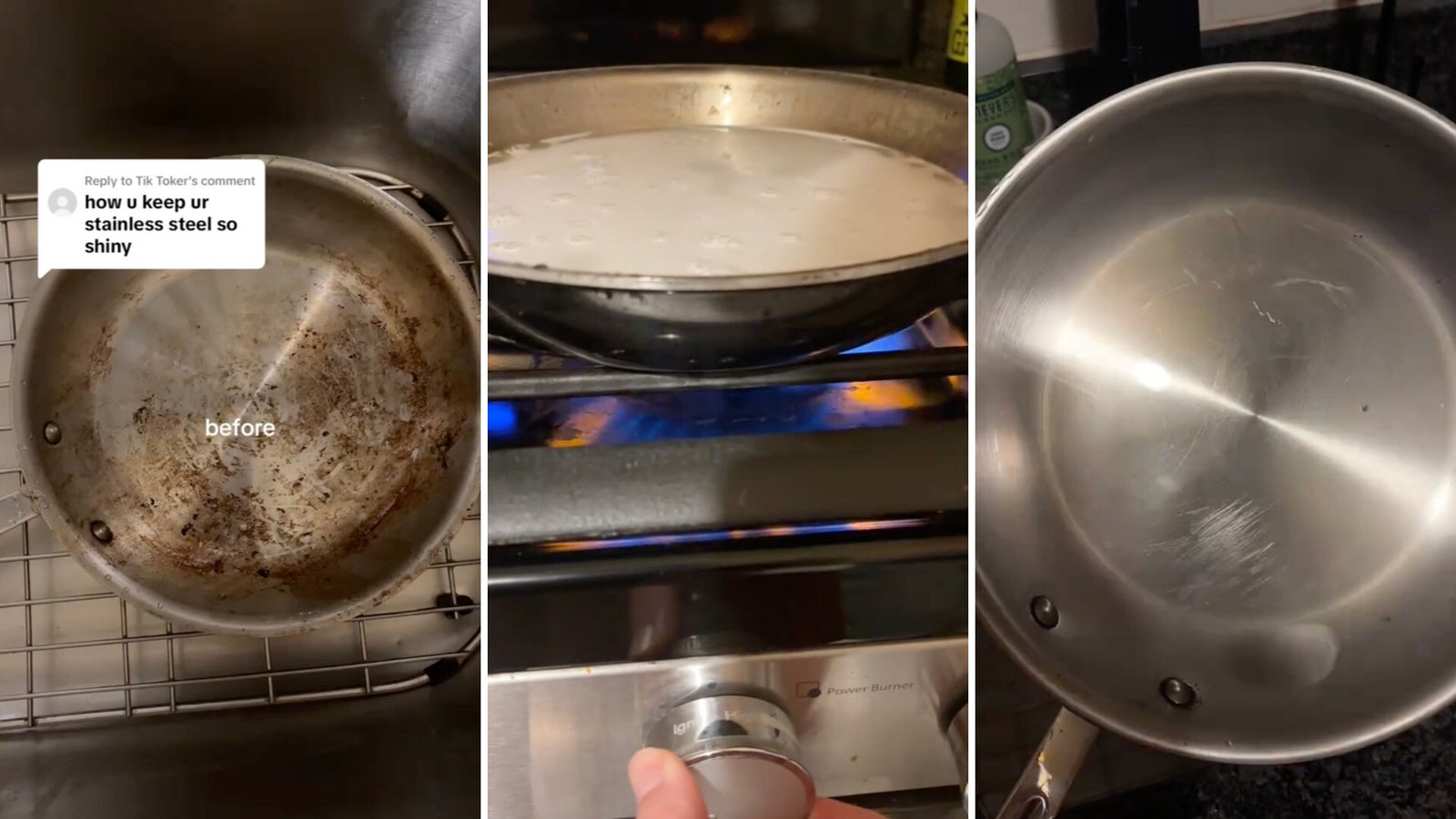
Your stainless steel burners are the heart of your kitchen, making every meal possible. But over time, they can get dirty, clogged, or even rusty if not cared for properly.
You might think cleaning them is complicated or time-consuming, but it doesn’t have to be. Imagine having burners that look spotless and work perfectly every time you cook. You’ll discover simple, effective ways to maintain your stainless steel burners so they stay clean, efficient, and long-lasting.
Keep reading, and you’ll learn easy tips that save you time and frustration while keeping your kitchen shining.
Choosing The Right Cleaner
Choosing the right cleaner for your stainless steel burners is more important than you might think. The cleaner you select affects not only the shine but also the longevity of your burners. Using the wrong products can cause damage, making maintenance harder and more expensive in the long run.
Avoiding Harsh Chemicals
Harsh chemicals like bleach, ammonia, or abrasive powders can strip away the protective layer on your stainless steel burners. This often leads to discoloration, scratches, or even corrosion over time. Have you ever noticed your burners looking dull or pitted after using a strong cleaner? That’s a sign the product was too aggressive.
Instead, opt for cleaners specifically designed for stainless steel. These usually have milder ingredients that clean effectively without damaging the surface. Always check the label for warnings against use on stainless steel and avoid products with chlorine or strong acids.
Natural Cleaning Solutions
Natural solutions can be surprisingly powerful and gentle on stainless steel burners. Simple ingredients like white vinegar, baking soda, and lemon juice can cut through grime and grease without harsh side effects.
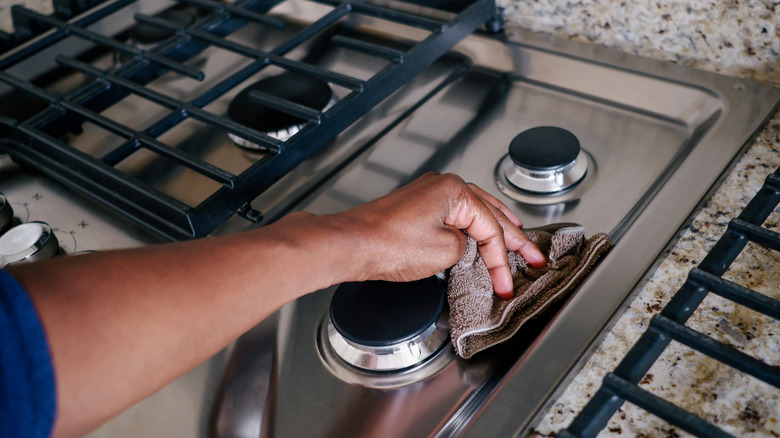
For example, mix baking soda with water to create a paste, then scrub gently with a soft cloth. The mild abrasiveness removes stains without scratching. Alternatively, wiping burners with a cloth soaked in white vinegar can dissolve mineral deposits and leave a streak-free finish.
Have you tried these natural methods before? They’re cost-effective, eco-friendly, and easy to make at home, making them a smart choice for regular maintenance.
Credit: www.housedigest.com
Daily Cleaning Routine
Maintaining stainless steel burners daily keeps them shiny and working well. A simple cleaning habit prevents stains and buildup. It also helps avoid tough scrubbing later. Regular care saves time and keeps your kitchen safe and neat.
Wiping After Each Use
Use a soft cloth or sponge to wipe burners after cooking. Warm water and mild soap work best. Avoid harsh chemicals that can damage the steel. Dry the surface completely to stop water spots. This quick step keeps grease and food from sticking.
Preventing Stains And Buildup
Clean spills as soon as they happen. Use baking soda paste for stubborn spots. Apply gently and rinse with warm water. Avoid steel wool or abrasive pads that scratch the surface. Regular cleaning stops dirt from hardening and protects the finish.
Deep Cleaning Methods
Deep cleaning stainless steel burners removes tough grime and restores shine. It helps keep burners working well and extends their life. Regular deep cleaning prevents buildup that can cause uneven heating or damage.
Soaking Techniques
Start by removing the burners from the stove. Fill a container with warm water and mild dish soap. Submerge the burners completely and let them soak for 30 to 60 minutes. Soaking loosens grease, burnt food, and dirt.
For stubborn stains, add a few tablespoons of baking soda to the water. Baking soda helps break down tough grime without scratching the surface. After soaking, rinse the burners thoroughly with clean water.
Scrubbing Without Damage
Use a soft sponge or nylon brush to scrub the burners gently. Avoid steel wool or harsh scrubbers that can scratch the stainless steel. Focus on areas with buildup, but scrub carefully to protect the finish.
- Apply a paste of baking soda and water to tough spots
- Let the paste sit for 10 minutes before scrubbing
- Use circular motions to lift grime without scratching
- Rinse well to remove all residue
Dry the burners completely with a soft cloth to prevent water spots. Proper scrubbing keeps burners clean and maintains their smooth, shiny surface.

Credit: www.reddit.com
Dealing With Rust And Discoloration
Stainless steel burners can sometimes face rust and discoloration. These issues affect their appearance and performance. Regular maintenance helps in keeping them in top condition. Addressing rust and discoloration ensures your burners last longer and function efficiently. Let’s explore how to tackle these common problems.
Safe Rust Removal
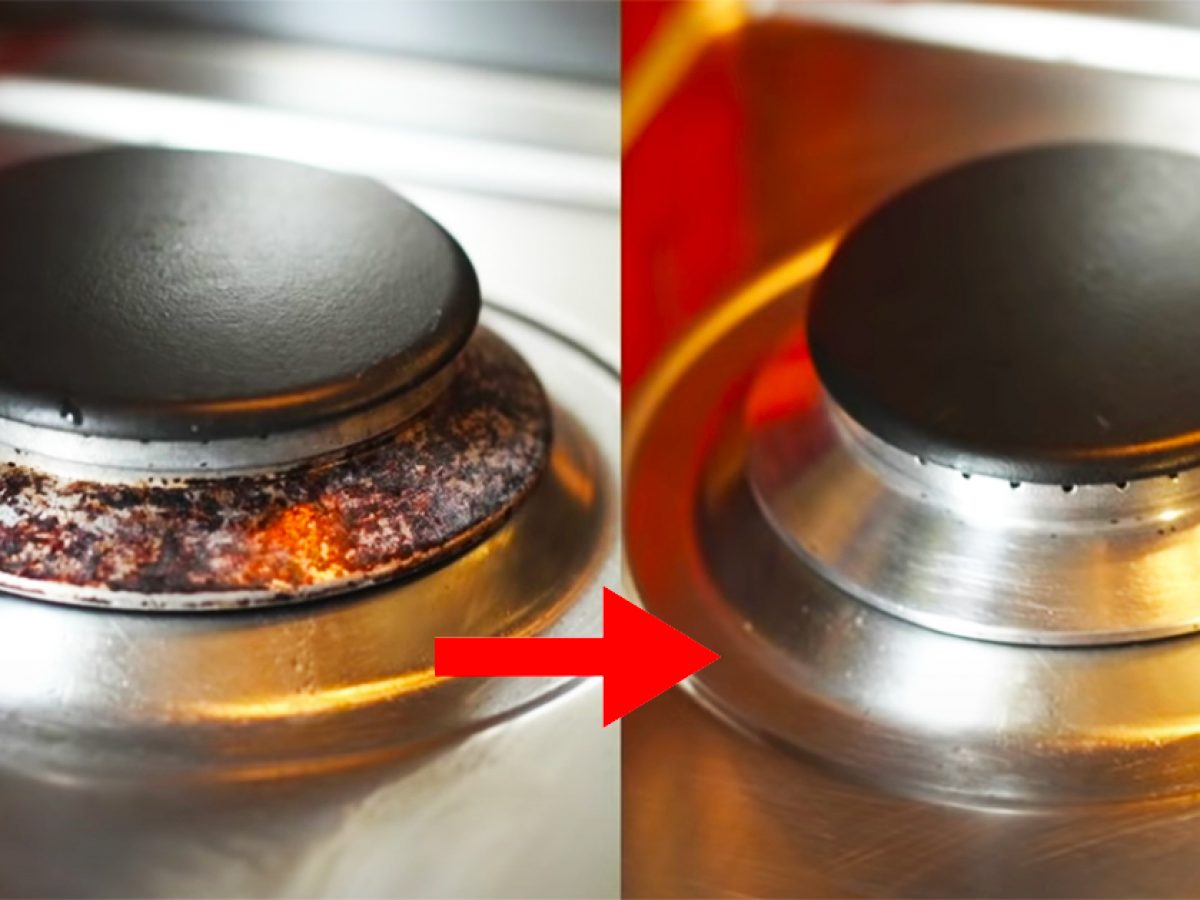
Rust on stainless steel burners can be pesky. Use a non-abrasive sponge for cleaning. Mix baking soda with water to form a paste. Apply it gently over rusted areas. Let it sit for a few minutes. Scrub softly in circular motions. Rinse thoroughly with water. Dry the burners completely to prevent future rust.
Restoring Shine
Discoloration makes burners look dull. White vinegar is a natural option. Dampen a soft cloth with vinegar. Rub the cloth on discolored spots gently. The vinegar will bring back the shine. Wipe with a clean cloth to remove any residue. For extra shine, polish with a stainless steel cleaner. Always follow the grain of the steel for best results.
Preventive Care Tips
Preventive care keeps stainless steel burners in great shape longer. It stops damage before it starts. Simple habits protect the metal and maintain its shine. Following easy tips helps avoid costly repairs. Consistent care makes cooking safer and more efficient.
Proper Burner Usage
Use burners only as they are meant to be used. Avoid placing heavy pots that can bend or damage the surface. Keep flames low to medium to prevent overheating the metal. Turn off burners completely after use. Let them cool before cleaning or touching.
Clean spills quickly to avoid stains. Use soft cloths or sponges for wiping. Avoid abrasive pads that scratch the surface. Check burner holes for blockages and clear gently if needed. Proper use ensures burners stay functional and look good.
Avoiding Corrosive Elements
Keep corrosive chemicals away from burners. Avoid contact with bleach, ammonia, or harsh cleaners. These can eat away the stainless steel surface. Use mild soap and warm water for cleaning. Dry burners thoroughly to prevent water spots and rust.
Store burners in dry places to reduce moisture exposure. Do not leave acidic foods or liquids on the surface for long. Acid can cause discoloration and damage. Using protective covers or mats helps guard against spills and debris. Preventing corrosion keeps burners durable and shiny.
Regular Maintenance Schedule
Keeping your stainless steel burners in top shape means setting up a regular maintenance schedule. This habit prevents build-up, extends the life of your burners, and ensures safe operation. A simple routine can save you from costly repairs and keep your cooking performance consistent.
Inspection Checklist
Start by checking your burners at least once a month. Look for signs of rust, discoloration, or debris that could block gas flow. Make sure the burner ports are clear and the flame is steady and blue, not yellow or flickering.
- Examine the burner surface for cracks or dents.
- Clean any food residue or grease with a soft brush and mild detergent.
- Check the igniter for sparks and proper ignition.
- Inspect the gas hose and connections for leaks or wear.
Does your flame look uneven or weak? That often signals a clogged burner or gas supply issue. Catching these early keeps your burner working efficiently and safely.
When To Replace Parts
Parts like burner caps, igniters, and gas hoses don’t last forever. Replace them immediately if you notice cracking, corrosion, or if the burner fails to light properly. Using damaged parts can cause poor performance and even safety hazards.
| Part | Signs to Replace | Replacement Frequency |
|---|---|---|
| Burner Cap | Cracks, warping, uneven flame | Every 1-2 years or as needed |
| Igniter | No spark, slow ignition, corrosion | When faulty or every 2-3 years |
| Gas Hose | Cracks, leaks, stiffness | Every 3-5 years or immediately if damaged |
Have you noticed any parts that seem worn but hesitate to replace them? Delaying can lead to bigger problems. Taking quick action keeps your burners safe and reliable.
Credit: diyjoy.com
Frequently Asked Questions
How Often Should I Clean Stainless Steel Burners?
Clean stainless steel burners after every use to prevent buildup. Deep clean monthly to remove grease and food residue. Regular cleaning maintains performance and appearance.
What Is The Best Cleaner For Stainless Steel Burners?
Use a mild detergent or specialized stainless steel cleaner. Avoid abrasive pads that can scratch the surface. Always rinse thoroughly and dry to prevent water spots.
How Can I Remove Stubborn Stains From Burners?
Apply a paste of baking soda and water on stains. Let it sit for 15 minutes, then scrub gently with a soft cloth. Rinse and dry completely for best results.
Can Vinegar Help Maintain Stainless Steel Burners?
Yes, white vinegar effectively removes grease and mineral deposits. Spray vinegar on the surface, wipe with a soft cloth, then rinse. It restores shine and prevents discoloration.
Conclusion
Keeping stainless steel burners clean and well-maintained saves time and money. Regular wiping stops dirt and grease buildup. Use mild soap and soft cloths for best results. Avoid harsh chemicals that can damage the steel. Check burners often to spot problems early.
Clean burners work better and last longer. A little care goes a long way. Your stove will stay shiny and efficient. Simple steps make a big difference. Easy to follow, easy to do. Keep your kitchen safe and clean every day.

