
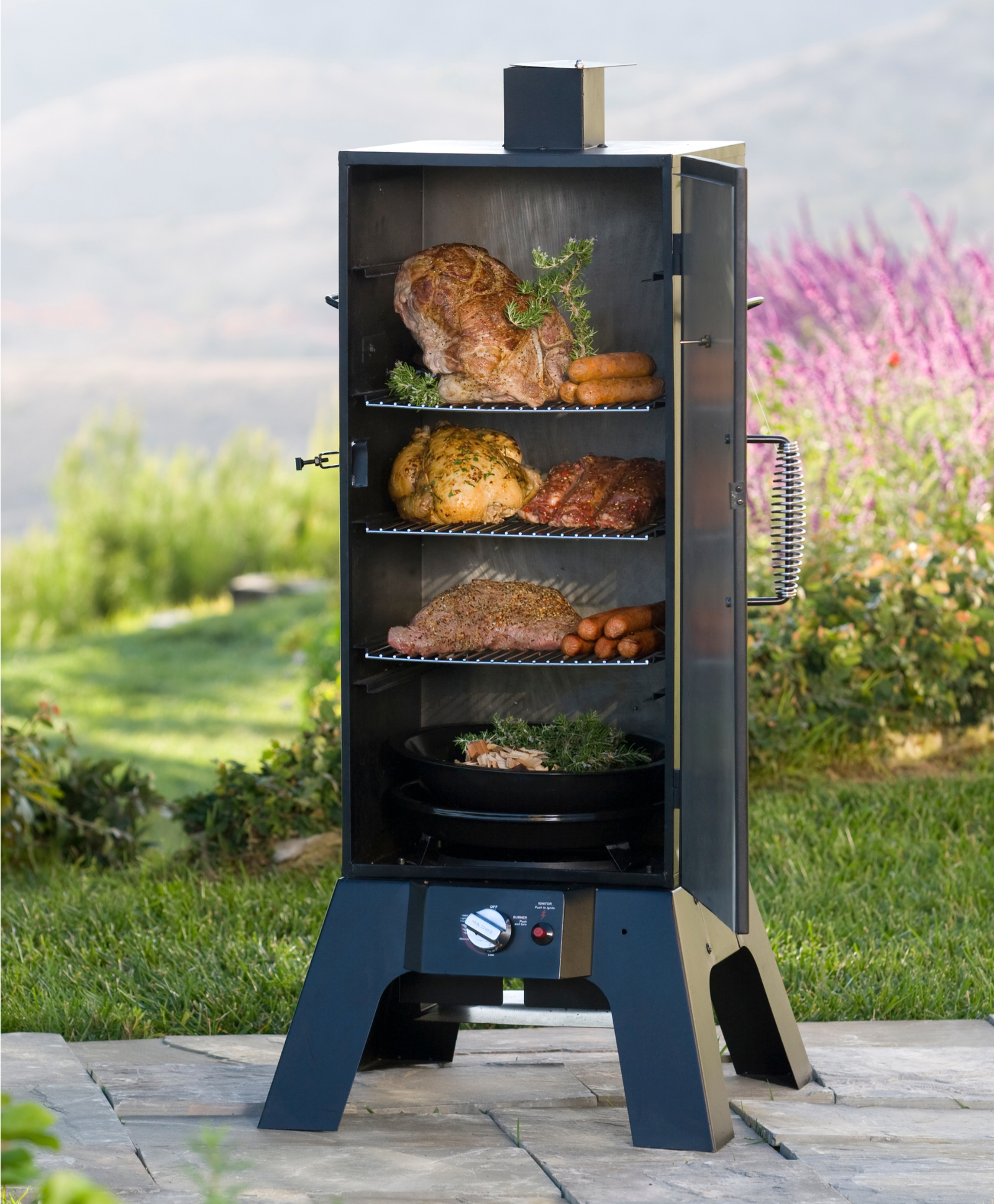
If you love smoking meat or fish, you know how important it is to keep your smoker in top shape. But how do you make sure your smoker lasts for years without losing its performance?
You might be surprised how a few simple habits can protect your investment and improve every cook. You’ll discover easy, practical tips to maintain your smoker so it stays reliable and ready whenever you want to fire it up. Keep reading, and you’ll learn how to avoid common mistakes that can shorten your smoker’s life and how to get the best flavor every time.
Your smoker deserves care, and you deserve great results.

Credit: drbelalbinasaf.com
Choosing The Right Smoker
Choosing the right smoker is key to long-term enjoyment and durability. It affects how well you can maintain and use your smoker over time. Understanding different smoker types, materials, and sizes helps you pick one that fits your needs and lasts longer.
Types Of Smokers
Smokers come in several styles. Each type offers unique benefits and maintenance needs.
- Charcoal smokers:Provide traditional smoky flavor. Require regular cleaning of ash and charcoal residue.
- Electric smokers:Easy to use with consistent temperatures. Need less cleaning but require electrical care.
- Pellet smokers:Use wood pellets for flavor and heat. They need proper pellet storage and regular hopper cleaning.
- Gas smokers:Use propane or natural gas. Simple to control heat but need gas line checks and burner cleaning.
Material And Build Quality
Strong materials improve smoker durability and heat retention. Look for thick steel or cast iron bodies. Stainless steel resists rust and is easier to clean. Avoid thin metals that warp or rust quickly. Solid welds and tight seals keep smoke inside, improving cooking and reducing maintenance. A well-built smoker saves money and effort in the long run.
Size And Capacity
Size impacts cooking space and smoker weight. Choose a size that fits your usual cooking needs. Large smokers handle more food but are harder to move and clean. Small smokers are portable but limit cooking volume. Think about storage space and how often you smoke meat. Proper size reduces strain and keeps your smoker in good shape longer.
Setting Up Your Smoker
Setting up your smoker properly ensures it works well for many years. A good setup helps with even cooking and prevents damage. Take time to prepare your smoker before the first use. This care will improve your smoking experience and protect your investment.
Placement And Ventilation
Choose a flat and stable surface for your smoker. Avoid windy areas to keep the fire steady. Place it away from flammable materials like dry leaves or wood. Ensure enough space around the smoker for air to flow freely. Proper ventilation controls temperature and smoke inside the smoker. Open vents allow oxygen, helping the fire burn well. Keep the smoker under a covered area if possible to protect it from rain.
Initial Cleaning
Clean your smoker before first use to remove dust and factory oils. Use warm water and mild soap to wash grates and trays. Rinse well and dry completely to avoid rust. Wipe the inside of the smoker with a damp cloth. Avoid harsh chemicals that can leave harmful residues. Cleaning ensures better flavor and a safer cooking environment.
Seasoning The Smoker
Seasoning creates a protective layer inside the smoker. It prevents rust and adds flavor to your food. Start by coating the inside with a thin layer of cooking oil. Heat the smoker to a moderate temperature for 1-2 hours. Let the oil bake into the metal surfaces. Repeat this process 2-3 times for best results. Seasoning also helps to burn off any leftover factory residues.
Daily Maintenance Tips
Daily care helps your smoker work well for many years. Small tasks after each use keep parts clean and safe. These habits stop build-up and prevent damage. Follow these simple tips to keep your smoker ready anytime.
Cleaning After Each Use
Clean the grates while they are still warm. Use a stiff brush to remove stuck food and grease. Wipe the exterior with a damp cloth to remove dirt. Keep vents clear to ensure good airflow. Proper cleaning stops rust and keeps flavors pure.
Checking Fuel And Temperature
Check the fuel level before every use. Make sure you have enough wood or charcoal for long sessions. Use a reliable thermometer to monitor the heat inside. Keep the temperature steady for even cooking. Adjust vents or add fuel carefully to maintain heat.
Handling Ash And Grease
Remove ash from the firebox after each cook. Ash blocks airflow and lowers heat if left too long. Clean grease trays and drip pans to avoid flare-ups. Use gloves to handle hot parts safely. Regular ash and grease removal keeps your smoker clean and safe.
Deep Cleaning Techniques
Deep cleaning your smoker helps keep it in top condition for years. Regular cleaning removes grease, ash, and residue that affect flavor and performance. A thorough clean improves heat distribution and prevents rust. Focus on parts that collect dirt and buildup.
Disassembling Parts
Start by taking apart removable pieces like grates, racks, and drip pans. Carefully remove each component to avoid damage. Disassembling allows better access to hard-to-reach areas. Lay parts on a clean surface for easy cleaning and drying.
Removing Built-up Residue
Use a stiff brush or scraper to remove stuck-on grease and ash. Soak parts in warm, soapy water to loosen residue. Avoid harsh chemicals that can harm the smoker’s finish. Rinse thoroughly to remove soap and debris before drying.
Cleaning Grates And Racks
Grates and racks need special attention to remove food particles and grease. Scrub with a grill brush or steel wool for tough spots. Apply a paste of baking soda and water for extra cleaning power. Rinse and dry completely to prevent rust and maintain flavor.
Preventing Rust And Corrosion
Rust and corrosion can quickly damage your smoker and reduce its lifespan. Moisture and air cause metal parts to break down over time. Preventing rust protects your investment and keeps your smoker working well. Simple steps can stop rust from forming and keep your smoker in great shape.
Proper Storage Solutions
Store your smoker in a dry place away from rain and snow. A garage or shed works best to avoid moisture. Keep it off the ground using blocks or a pallet to prevent water contact. Avoid storing near salty air if you live close to the ocean. Proper storage limits exposure to elements that cause rust.
Using Protective Covers
Use a cover made from waterproof material to shield your smoker. Covers keep rain, dust, and dirt away from metal surfaces. Choose a cover that fits snugly but allows some airflow. This prevents condensation build-up under the cover. Always dry your smoker before covering to avoid trapping moisture.
Applying Rust Inhibitors
Rust inhibitors form a protective layer on metal parts. Apply these sprays or coatings regularly, especially after cleaning. Focus on joints, seams, and exposed metal areas. Many rust inhibitors are easy to use and safe for outdoor equipment. This extra step slows down rust and keeps your smoker looking new.

Credit: leafwell.com
Maintaining Smoker Components
Regular cleaning of smoker parts prevents rust and buildup. Checking seals and vents ensures steady airflow and heat control. Storing your smoker in a dry place protects it from weather damage.
Maintaining the components of your smoker ensures its longevity and efficiency. Regular checks and care can prevent minor issues from becoming major problems. This not only saves money but also improves your smoking experience. Focus on key areas like seals, thermometers, and moving parts for optimal maintenance.Inspecting Seals And Gaskets
Seals and gaskets play a crucial role in your smoker’s performance. They help maintain the right temperature by preventing leaks. Regularly inspect them for any signs of wear or damage. Look for cracks or tears. Replace damaged seals promptly to keep the smoker airtight. A tight seal ensures efficient smoking and better flavor.Checking Thermometers
Accurate temperature is vital for perfect smoking results. Check your smoker’s thermometer often to ensure it reads correctly. If it shows inconsistent readings, it may need calibration. Some thermometers have adjustable nuts for easy calibration. Test it using boiling water to ensure accuracy. Replace faulty thermometers to maintain precise cooking conditions.Lubricating Moving Parts
Lubrication helps moving parts function smoothly. This includes hinges, wheels, and dampers. Apply a food-safe lubricant to these parts regularly. It prevents rust and wear, ensuring ease of use. Well-lubricated parts also help in maintaining temperature control. Always clean the areas before applying lubricant for the best results. Regular maintenance keeps your smoker in top condition for years.Troubleshooting Common Issues
Maintaining a smoker over time means solving problems quickly. Many common issues affect its performance and the taste of your food. Fixing these problems helps keep your smoker working well and cooking delicious meals.
Uneven Cooking Temperatures
Uneven heat can cause some parts of the food to cook too fast or too slow. Check if the vents are blocked or not adjusted properly. Clean the smoker’s interior to remove ash and grease buildup. Use a good quality thermometer to monitor temperature inside. Arrange charcoal or wood evenly to spread heat well. Avoid opening the lid too often, which causes temperature drops.
Smoke Leakage
Smoke leakage wastes fuel and reduces flavor. Look for gaps or cracks around doors and seams. Replace worn or damaged gaskets to seal the smoker tightly. Tighten any loose screws or bolts on the smoker body. Use high-temperature silicone sealant on small leaks. Keep the smoker on a flat surface to ensure proper sealing.
Fuel Inefficiency
Using too much fuel increases costs and smoke output. Use dry, seasoned wood or quality charcoal for better burning. Keep the firebox clean to improve airflow and fuel use. Control the vents to regulate oxygen flow and avoid wasting fuel. Store fuel in a dry place to keep it ready for use. Consider using a charcoal basket to hold fuel efficiently.
Upgrading And Customizing
Upgrading and customizing your smoker helps keep it efficient and enjoyable. Small improvements can extend its life and improve cooking results. These upgrades make it easier to control temperature, add rich flavors, and keep heat steady. Investing time in customizing your smoker pays off with better meals and longer use.
Adding Temperature Controllers
Temperature controllers keep your smoker steady and precise. They prevent big heat swings that can spoil your food. You can install digital controllers to monitor and adjust heat automatically. This upgrade makes smoking easier, especially for long sessions. Consistent temperature means better texture and flavor every time.
Enhancing Smoke Flavor
Customizing your smoker to improve smoke flavor adds depth to your food. Try adding wood chip trays or smoke boxes for more smoke options. Experiment with different wood types like hickory, apple, or mesquite. These changes create unique tastes and aromas. Small tweaks can make your smoker produce richer, tastier results.
Improving Insulation
Good insulation keeps your smoker hot and saves fuel. You can add heat-resistant blankets or use high-temp silicone seals on doors. Better insulation helps keep a steady temperature outside cold days. It also reduces smoke loss, improving flavor and cooking speed. Upgrading insulation means your smoker works better in all weather.
Seasonal Care And Storage
Clean the smoker thoroughly after each use to prevent rust and buildup. Store it in a dry, covered place to protect from weather damage. Regularly check and oil metal parts to keep them working smoothly.
Seasonal care and storage of your smoker ensure its longevity. Proper maintenance helps it function optimally year-round. Caring for your smoker during different seasons is essential.Preparing For Winter
As winter approaches, prepare your smoker for the cold. Clean the smoker thoroughly to remove grease and residue. Inspect the smoker for any damage or rust. Repair or replace damaged parts promptly. Cover the smoker with a weather-resistant cover. Place the smoker in a sheltered area, like a garage. This prevents exposure to harsh weather conditions.Off-season Cleaning
Deep clean your smoker during the off-season. Remove all detachable parts for easier cleaning. Use a soft brush to scrub away food particles. Wipe down the interior and exterior surfaces. Check the grill grates and racks for rust. Apply a thin layer of cooking oil to prevent rust. Ensure the smoker is completely dry before storage.Long-term Storage Tips
Store your smoker properly for long-term use. Choose a dry, cool location for storage. Avoid placing it directly on the ground. Elevate it slightly to prevent moisture damage. Use a breathable cover to protect against dust and debris. Store any removable parts inside the smoker to avoid losing them. Regularly check on the smoker, even during storage.Credit: www.businessinsider.com
Frequently Asked Questions
How Often Should I Clean My Smoker?
Clean your smoker after every use to prevent buildup. Regular cleaning ensures better flavor and extends its lifespan. Remove ash, grease, and food residues to maintain optimal performance.
What Is The Best Way To Season A New Smoker?
Season your smoker by applying oil to all metal surfaces. Heat it gradually to burn off residues. This process protects against rust and enhances smoke flavor.
How Do I Prevent Rust On My Smoker?
Keep your smoker dry and covered when not in use. Apply a thin coat of cooking oil to metal parts regularly. Store it in a sheltered area to avoid moisture exposure.
Can I Use Water To Clean Smoker Parts?
Yes, use warm soapy water for removable parts only. Avoid water contact with electrical components. Dry parts thoroughly to prevent rust and damage.
Conclusion
Regular cleaning keeps your smoker working well and safe. Check parts often for damage or wear. Use the right tools to avoid harm. Store your smoker in a dry place to stop rust. Taking small steps helps your smoker last many years.
Enjoy better cooking with less effort and worry. Keep these tips in mind for lasting use. Your smoker will reward you with great flavors every time. Simple care leads to long-term satisfaction.

