
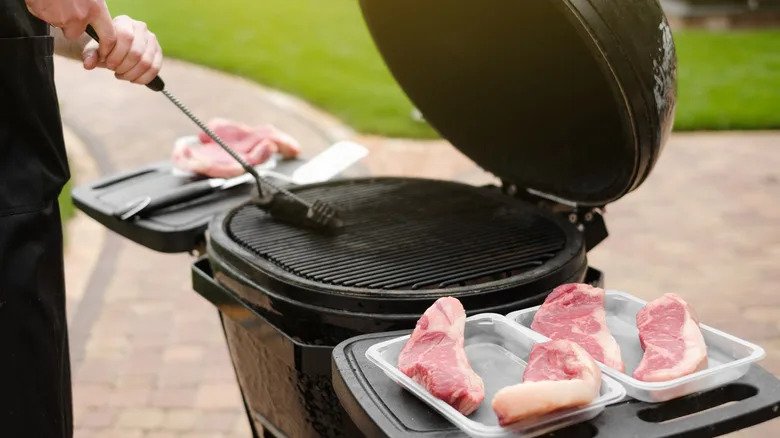
You’ve invested in a portable pellet grill because you love the freedom to cook anywhere. But to keep your grill working perfectly, you need to take care of it regularly.
If you want juicy, flavorful meals every time and a grill that lasts for years, knowing how to maintain your portable pellet grill is key. In this guide, you’ll discover simple, effective tips that anyone can follow. Keep reading, and you’ll unlock the secrets to easy cleaning, smart storage, and hassle-free upkeep that will make your grilling experience smoother and more enjoyable.

Credit: www.smokedbbqsource.com
Choosing The Right Location
Choosing the right location for your portable pellet grill is key to keeping it in good shape. The place you pick affects how well the grill works and how long it lasts. Pick a spot that protects the grill and keeps it safe. Careful location choice helps avoid damage and keeps your food tasting great.
Avoiding Harsh Weather Exposure
Keep the grill away from rain, snow, and strong winds. Water can damage the electrical parts and make the pellets wet. Wet pellets do not burn well and cause poor smoke. Strong winds can blow ashes and make the fire unsafe.
Pick a spot with some cover, like under a porch or a roof. Use a grill cover when not in use for extra protection. Moving the grill indoors during bad weather is best if possible.
Ensuring Proper Ventilation
Good airflow is important for the grill to work properly. Place the grill in an open area where smoke can easily escape. Avoid tight spaces or spots near walls.
Proper ventilation helps the fire burn evenly and keeps the grill cooler. It also prevents smoke buildup around you. This keeps cooking safe and comfortable.

Credit: www.amazon.com
Regular Cleaning Routine
Maintaining a portable pellet grill starts with a regular cleaning routine. This routine keeps the grill working well and extends its life. Clean parts cook better and taste better. Set a schedule to clean after every few uses. Focus on key areas to avoid build-up and damage.
Cleaning The Grill Grates
Grill grates hold food and grease. Clean them after each use to stop rust and build-up. Use a grill brush with stiff bristles to scrub the grates. Warm soapy water helps remove stuck food. Rinse well and dry completely before using again. This keeps your food tasting fresh.
Removing Ash And Residue
Ash collects in the firepot and hopper. Empty ash after every cook to keep airflow clear. Use a small brush or vacuum made for grills. Check the firepot for leftover pellets or debris. Clean residue to avoid fire blockages. This step helps the grill burn pellets evenly.
Wiping Down The Exterior
The outside of the grill needs care too. Wipe it down with a damp cloth after each use. Remove grease, dust, and dirt. Use mild soap for tough spots but avoid harsh chemicals. Dry the surface to prevent rust. A clean exterior looks good and lasts longer.
Pellet Management
Pellet management plays a crucial role in keeping your portable pellet grill running smoothly and producing delicious food every time. Handling pellets correctly can prevent common issues like clogging or poor combustion. Paying attention to how you store, select, and feed pellets ensures consistent heat and flavor in your grilling experience.
Storing Pellets Properly
Keep your pellets in a cool, dry place to avoid moisture absorption. Damp pellets can swell and clog your grill’s feed system, causing interruptions during cooking. Use airtight containers or resealable bags to maintain freshness and prevent exposure to humidity.
Have you ever noticed your grill struggling mid-cook? It might be due to pellets absorbing moisture. Protecting your pellets from water can save you from frustrating grilling delays and uneven cooking.
Using Quality Pellets
Choose pellets made from 100% hardwood without fillers or additives for the best flavor and performance. Low-quality pellets may burn too fast or create excessive ash, which affects temperature control. Reading reviews or asking fellow grillers about trusted brands can help you pick reliable pellets.
Think about how flavor changes with different wood types like hickory, apple, or mesquite. Selecting the right pellet not only impacts grill function but also enhances the taste of your meals.
Checking Pellet Feed System
Regularly inspect the auger and feed system for blockages or wear. Small pellet dust or chunks can accumulate and stop pellets from feeding properly. Cleaning the feed system after every few uses keeps the pellets moving smoothly and prevents unexpected shutdowns.
Ask yourself: when was the last time you cleaned your pellet hopper and auger? A quick check can save you from last-minute grilling mishaps and keep your grill in top shape.
Inspecting And Maintaining Components
Keeping your portable pellet grill in top shape means paying close attention to its key parts. Inspecting and maintaining these components regularly helps you avoid unexpected breakdowns and ensures every cookout is a success. Let’s dive into how you can check the igniter, examine the auger, and monitor the temperature probe to keep your grill firing perfectly.
Checking The Igniter
The igniter is the spark that gets your grill going. If it’s weak or faulty, your grill won’t light up smoothly.
Look for visible signs like corrosion or soot buildup on the igniter tip. Clean it gently with a soft brush or cloth to remove any debris.
If the igniter fails to spark after cleaning, test it with a multimeter for continuity. Replacing a faulty igniter early saves you from cold grilling nights.
Examining The Auger
The auger feeds pellets from the hopper to the fire pot, so it needs to move freely. Listen for unusual noises like grinding or stalling during operation.
Remove the hopper and check for pellet jams or pellet dust buildup inside the auger tube. Clean it out with compressed air or a small brush to maintain smooth feeding.
Don’t forget to inspect the auger motor for wear and tear. A well-maintained auger means consistent heat and flavor in your meals.
Monitoring The Temperature Probe
Your temperature probe tells you how hot your grill is inside. If it’s dirty or damaged, your readings will be off, leading to undercooked or burnt food.
Wipe the probe clean after every use with a damp cloth. Avoid harsh chemicals that could damage the sensor.
If the temperature swings erratically or the probe shows no response, test it or consider replacing it. Accurate temperature control is key to mastering your grill.
Seasonal Maintenance Tips
Seasonal maintenance is essential to keep your portable pellet grill performing at its best throughout the year. Taking the time to prepare your grill before the grilling season and properly storing it afterward can prevent costly repairs and extend its lifespan. Let’s look at key tasks that make a real difference in your grill’s durability and cooking quality.
Pre-season Inspection
Before firing up your grill for the first time this season, give it a thorough check. Start by cleaning out any leftover ash or pellet debris from the hopper and firepot. These bits can clog your grill and affect the heat consistency.
Check the pellet supply too. Old pellets absorb moisture and won’t burn efficiently, leading to uneven cooking. Replace them with fresh pellets to ensure steady heat.
Inspect the grill’s electrical components, including the igniter and fan. Look for signs of wear or damage. A simple test run can reveal if these parts are working properly or need replacement.
Have you noticed any rust spots or loose screws? Tighten all fasteners and treat rust areas with heat-resistant paint designed for grills. This small step can save your grill from more serious corrosion later.
Post-season Storage
After the last cookout, don’t just cover your grill and forget about it. Clean it thoroughly by removing grease and food residue from grates and interior surfaces. Leftover grease can attract pests and cause unpleasant odors during storage.
Empty the hopper completely. Pellets left inside over winter can spoil and clog your grill when you use it again. Wipe down the exterior with a mild detergent and dry it well to prevent moisture buildup.
Store your grill in a dry, sheltered place. If you keep it outside, invest in a high-quality grill cover that fits snugly. This protects against rain, dust, and UV damage, which can weaken your grill’s materials.
Have you considered disassembling some parts like the drip tray or grease bucket for separate cleaning and storage? Doing this can help prevent buildup and make your next setup quicker.
Troubleshooting Common Issues
Common problems with portable pellet grills often involve temperature control and pellet jams. Cleaning the grill regularly and checking the hopper can prevent most issues. Simple fixes like clearing the auger or adjusting settings keep the grill working smoothly.
Maintaining your portable pellet grill in top-notch condition can sometimes feel like a challenge, especially when unexpected issues arise. However, troubleshooting common problems doesn’t have to be a daunting task. By addressing these issues head-on, you can ensure your grill remains a reliable companion for all your outdoor cooking adventures. Let’s dive into some common problems and their solutions.Dealing With Uneven Heating
Uneven heating can turn a delightful grilling session into a frustrating experience. If you notice some areas of your grill cooking hotter than others, it may be due to uneven pellet distribution. Begin by checking the heat deflector and drip pan. They should be clean and properly aligned to ensure even heat flow. Consider the quality and type of pellets you are using. Low-quality pellets can produce inconsistent heat. Opt for premium pellets from reputable brands for better performance. Regularly vacuum out ash and debris to prevent airflow obstruction, which can also affect heating consistency.Fixing Pellet Feed Jams
Pellet feed jams can interrupt your grilling plans. The first step to resolving this is to turn off the grill and unplug it for safety. Once cooled, check the auger tube for blockages. Remove any jammed pellets using a slender tool, being careful not to damage the auger. Moisture in the hopper can cause pellets to swell and jam the feed system. Always store your pellets in a dry place and avoid leaving them in the grill for long periods when not in use. Regularly cleaning the hopper will also prevent dust build-up, which can contribute to jams. Ever faced a grilling problem that left you stumped? Share your experiences and solutions with fellow grill enthusiasts in the comments below!Enhancing Grill Performance
Enhancing the performance of your portable pellet grill can transform every cookout into a memorable event. Small tweaks and upgrades can make a big difference in how your grill operates and the quality of food it produces. Let’s look at some practical ways to boost your grill’s efficiency and get the best results every time.
Calibrating Temperature Settings
Have you noticed your grill’s temperature gauge doesn’t always match the actual heat? This can affect cooking times and how your food turns out. Calibrating your grill’s temperature settings ensures you get accurate readings and consistent heat.
Start by using an external oven thermometer placed on the grill grate. Compare its reading to your grill’s built-in gauge at various temperature settings. If there’s a difference, adjust your grill’s thermostat accordingly, either through the control panel or by noting the offset for future use.
Regular calibration helps you avoid undercooked or overcooked meals. It’s a simple step that can make your pellet grill feel like new again. How often do you check your grill’s temperature accuracy?
Upgrading Grill Accessories
Adding or upgrading accessories can improve both your grill’s performance and your cooking experience. Consider investing in a high-quality grill cover to protect your grill from the elements and extend its lifespan.
Other useful accessories include:
- Grill mats:Prevent food from sticking and make cleaning easier.
- Heat deflectors:Distribute heat evenly and reduce flare-ups.
- Wi-Fi or Bluetooth controllers:Allow you to monitor and adjust temperature remotely.
I once added a digital thermometer with dual probes, and it changed how I cooked large cuts. Being able to track internal meat temperature without opening the grill saved time and improved results. Which accessory could make your grilling easier or more precise?

Credit: asmokegrill.com
Frequently Asked Questions
How Often Should I Clean My Portable Pellet Grill?
Clean your portable pellet grill after every use. Remove ash, grease, and food debris to prevent buildup. Regular cleaning extends grill life and ensures better flavor. A thorough cleaning every few months keeps the grill in top condition.
What Is The Best Way To Store A Pellet Grill?
Store your pellet grill in a dry, covered area. Use a grill cover to protect it from weather damage. Avoid moisture exposure to prevent rust and pellet spoilage. Proper storage maintains grill performance and durability.
How Do I Prevent Pellet Grill Ignition Problems?
Use dry, high-quality pellets to avoid ignition issues. Clean the fire pot regularly to remove ash buildup. Ensure the igniter is functioning properly. Following these steps helps maintain consistent and reliable starts.
Can I Use Any Pellets In A Portable Pellet Grill?
Use only pellets designed for grills, typically hardwood pellets. Avoid pellets made for heating stoves as they contain additives. Quality pellets ensure good flavor and efficient burning. Always check the manufacturer’s recommendations for pellet type.
Conclusion
Keeping your portable pellet grill clean helps it last longer. Regularly check and empty the ash to avoid buildup. Clean the grill grates after each use for better taste. Store the grill in a dry place to protect it. Follow these simple steps to enjoy great grilling every time.
A well-maintained grill makes cooking easier and more fun. Take care of your grill, and it will take care of you.

