
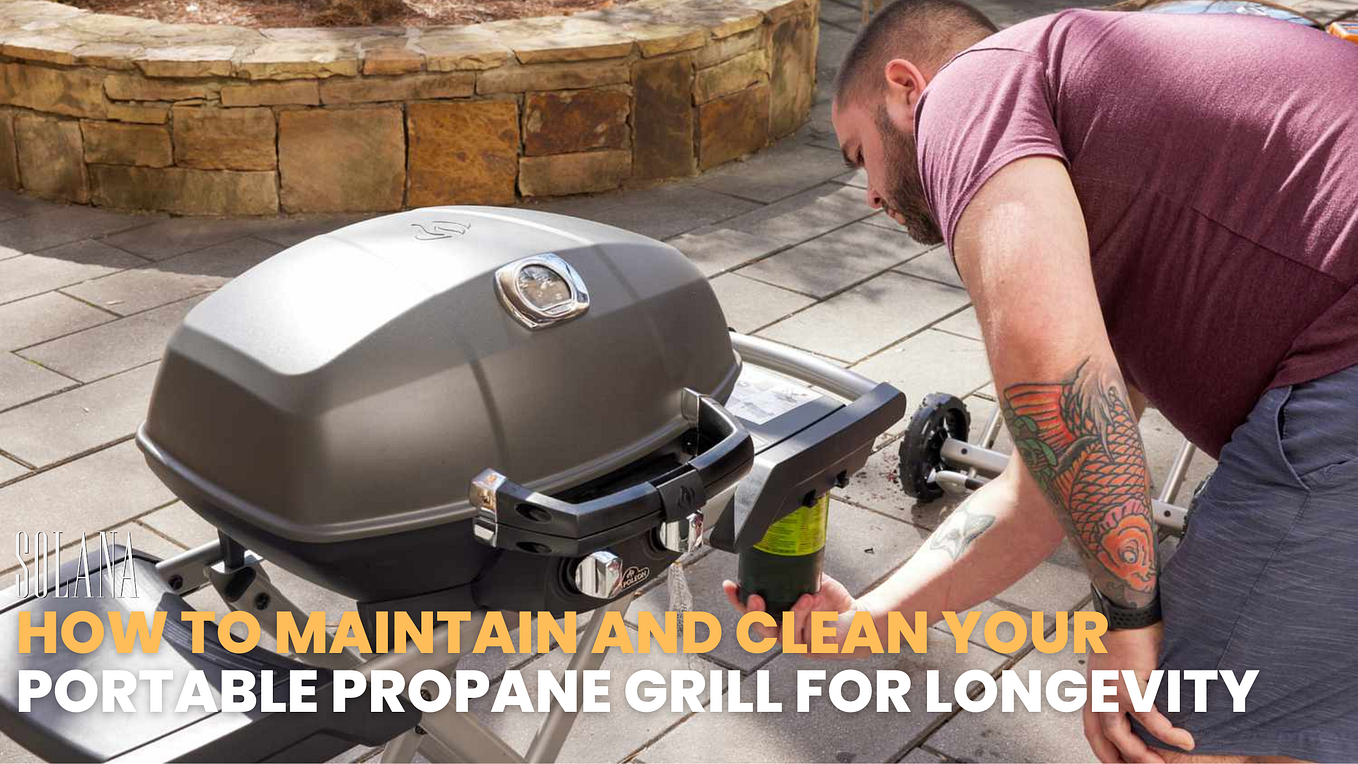
You love the convenience of your portable grill, but are you doing enough to keep it working like new? A little care can go a long way in making sure your grill lasts for many cookouts to come.
Imagine firing it up anytime without any hassle or unexpected problems. In this guide, you’ll discover simple, effective tips to maintain your portable grill and extend its life. Keep reading, and you’ll learn how easy it is to protect your investment and enjoy delicious meals outdoors without worry.

Credit: www.treelinereview.com
Choosing The Right Portable Grill
Choosing the right portable grill is the first step to ensuring it lasts for years. Your choice impacts how easy it is to maintain and how well it performs during your outdoor cooking adventures. Think about your typical grilling needs and how often you plan to use the grill to find a model that fits your lifestyle.
Types Of Portable Grills
There are several types of portable grills, each with unique advantages. Charcoal grills offer that classic smoky flavor but require more cleanup. Propane grills heat up quickly and are easier to control, making them great for beginners. Electric grills are convenient and clean, especially if you often grill on balconies or areas with restrictions.
Which flavor and cooking style suits you best? Your answer will guide you to the right type and save you frustration down the road.
Materials And Durability
The material of your grill directly affects its lifespan and maintenance needs. Stainless steel grills resist rust and are easy to clean but can be heavier. Aluminum grills are lightweight and rust-resistant but may dent more easily. Cast iron offers excellent heat retention but requires regular seasoning to prevent rust.
Consider where you’ll store your grill and how often it will be exposed to the elements. This can help you decide which material will hold up best for your situation.
Size And Portability Factors
Your grill’s size affects both cooking capacity and ease of transport. If you frequently travel or hike, a compact, lightweight grill is essential. For backyard use or car camping, a larger grill with more cooking space might be better.
Look for features like foldable legs, carrying handles, or a compact design that fits your vehicle easily. How often will you carry your grill on foot versus loading it into a car? This question helps prioritize portability features.
Daily Cleaning Habits
Keeping your portable grill in top shape requires a daily cleaning routine that’s simple yet effective. Small habits after each use can save you from bigger problems later. These quick tasks make sure your grill lasts longer and cooks better every time.
Cleaning The Grates
Right after grilling, while the grates are still warm, use a grill brush to scrape off leftover food bits. This stops residue from hardening and keeps flavors fresh for your next cookout.
If you notice stubborn spots, dip a cloth in warm soapy water and wipe the grates once they cool down. Avoid harsh scrubbing that could damage the grate’s coating.
Emptying The Drip Tray
Check the drip tray after each use and empty any grease or debris. A full tray can cause flare-ups or unpleasant smoke during your next grilling session.
Wash the tray with warm, soapy water and dry it completely before putting it back. This habit prevents bad odors and keeps your grill safer to use.
Wiping Down Surfaces
Use a damp cloth to wipe the exterior and control knobs of your grill daily. This removes dust, grease, and spills that build up and make your grill look worn out.
Don’t forget to clean the inside surfaces around the burners as well. Keeping these areas clean helps your grill heat evenly and extends its overall life.
Deep Cleaning Techniques
Deep cleaning a portable grill removes grease and food buildup that cause damage. Scrubbing grates and burners carefully helps keep the grill safe and working well. Regular deep cleaning extends the grill’s life and improves cooking results.
Maintaining a portable grill for long life requires more than just a quick wipe down after each use. Deep cleaning techniques ensure your grill not only lasts longer but also performs optimally, providing you with delicious meals every time. These techniques aren’t just about cleanliness; they’re about preserving the quality and safety of your cooking experience. Let’s dive into some practical methods to keep your portable grill in top shape.Removing And Soaking Parts
Start by disassembling your grill. Remove the grates, burner covers, and any other removable parts. It’s essential to soak these parts in warm soapy water for at least 15 minutes to loosen grime and grease. After soaking, use a sponge or a soft brush to scrub away any remaining residue. This step not only cleans but also helps prevent rust, ensuring the longevity of your grill parts.Using Grill Brushes And Cleaners
Invest in a quality grill brush. A brush with strong bristles can effectively tackle stuck-on food bits and charred remains on the grates. For stubborn stains, consider using a grill cleaner. Spray the cleaner, let it sit for a few minutes, and then scrub with the brush. This technique makes a world of difference in maintaining that shiny, new-grill look.Cleaning Burners And Gas Lines
Check your grill’s burners and gas lines regularly. A quick inspection can save you from future malfunctions. Use a soft cloth or a brush to clean the burners, ensuring that no debris is blocking the gas flow. For the gas lines, detach them gently and inspect for any blockages. A simple blow through the line can clear minor obstructions. Remember, a well-maintained burner and gas line ensure efficient and safe grilling. Deep cleaning might seem like a chore, but think of it as an investment in your grilling future. How often do you deep clean your portable grill? The answer might just extend the life of your beloved cooking companion.Proper Storage Solutions
Proper storage solutions play a key role in keeping your portable grill in great shape. Storing your grill correctly stops damage and extends its life. It also keeps your grill clean and ready for use anytime. Understanding the best storage options helps protect your grill from weather and wear.
Protective Covers
A good protective cover shields your grill from dirt, dust, and rain. Choose covers made from waterproof and breathable materials. These covers prevent moisture buildup and allow air circulation. A snug fit stops debris and pests from entering. Always cover your grill after cleaning and cooling it down.
Indoor Vs Outdoor Storage
Indoor storage offers the best protection against weather elements. A garage or shed keeps your grill safe from rain, wind, and sun. Outdoor storage is okay with a quality cover, but risks remain. Place the grill on a flat surface and away from heavy foot traffic. Avoid storing near plants that can drip sap or leaves.
Avoiding Moisture And Rust
Moisture causes rust and damages metal parts quickly. Keep your grill dry before storing it. Wipe down surfaces with a dry cloth after each use. Store charcoal and propane tanks separately in a dry place. Use silica gel packs or moisture absorbers inside the grill cover for added dryness. Check your grill regularly for signs of rust and clean it promptly.
Routine Maintenance Checks
Routine maintenance checks keep your portable grill in good shape. Regular checks prevent small problems from becoming big issues. These checks ensure safe and efficient grilling every time. Follow simple steps to maintain your grill’s performance and extend its life.
Inspecting For Wear And Tear
Look at all grill parts closely. Check for rust, cracks, or broken pieces. Pay attention to the grill grates and burner tubes. Replace any parts that look damaged or worn out. Early detection stops further damage and keeps the grill safe to use.
Checking Gas Connections
Examine all gas hoses and connections carefully. Look for leaks, cracks, or signs of wear. Use soapy water on connections to find leaks—bubbles mean gas is escaping. Replace damaged hoses immediately to avoid hazards. Proper gas flow keeps the grill working well and safely.
Tightening Loose Components
Check all screws, bolts, and nuts on your grill. Tighten anything that feels loose or wobbly. Loose parts can cause instability and affect grilling quality. Use the right tools to avoid stripping screws. Secure components help maintain the grill’s structure and function.

Credit: themeatstick.com
Seasonal Care Tips
Seasonal care plays a big role in keeping a portable grill working well for years. Each season brings different challenges. Taking simple steps during these times helps avoid damage and keeps the grill safe.
Regular care prevents rust, clogs, and wear. It also makes your grill ready to use anytime. Follow these seasonal tips to protect your investment and enjoy tasty meals year-round.
Preparing For Winter Storage
Clean the grill thoroughly before storing it for winter. Remove ashes, grease, and food bits. Use warm soapy water and a soft brush. Dry all parts completely to stop rust.
Cover the grill with a weatherproof cover. Store it in a dry place, away from snow and rain. If possible, keep it indoors or in a garage. Check the cover regularly for tears or holes.
Spring Cleaning And Tune-ups
Spring is the best time for a deep clean. Remove grates and burner covers. Scrub with grill cleaner or vinegar solution. Rinse well and dry.
Inspect parts for rust or damage. Replace any worn-out pieces. Check gas connections for leaks using soapy water. Tighten loose screws and bolts. Test the ignition system to ensure it works smoothly.
Maintaining During Heavy Use
During busy seasons, clean the grill after every use. Brush grates to remove food particles. Empty grease trays regularly to avoid flare-ups.
Keep a spray bottle with water nearby for small fires. Avoid using harsh chemicals that can damage parts. Monitor gas levels and refill tanks safely. Quick checks help prevent bigger problems later.
Troubleshooting Common Issues
Troubleshooting common issues with a portable grill keeps it working well for a long time. Many problems come from simple causes. Fixing them quickly avoids bigger damage and unsafe situations. Knowing these fixes helps you enjoy cooking without interruptions.
Uneven Heating
Uneven heating makes food cook poorly. It happens when burners clog or heat spreads unevenly. Clean burner holes with a soft brush to clear blockages. Check if the heat shield or flame tamers are in place. Move food around the grill to avoid hot spots. Use a grill thermometer to monitor temperature in different areas.
Flare-ups Prevention
Flare-ups burn food and can be dangerous. Fat dripping on flames causes sudden flames. Trim excess fat from meat before grilling. Keep a spray bottle of water nearby to control small flames. Avoid opening the grill lid too often, as this feeds oxygen to flames. Clean grease from the drip tray after each use to reduce flare-ups.
Gas Smell And Leak Detection
A gas smell means a leak may exist. Leaks can cause fires or explosions. Check hoses and connections with soapy water. Bubbles show where gas escapes. Tighten loose fittings or replace damaged parts immediately. Always turn off the gas supply after grilling. Store your grill in a safe, ventilated place to avoid gas buildup.
Extending Grill Life With Accessories
Adding the right accessories to your portable grill can make a significant difference in how long it lasts. These tools not only protect your grill but also improve your cooking experience. Choosing the right accessories helps you avoid unnecessary wear and tear, saving you time and money in the long run.
Using Grill Mats And Liners
Grill mats and liners create a protective barrier between your food and the grill grates. They prevent small bits of food from falling into the burners, reducing flare-ups and cleaning time. I once started using a grill mat, and it cut down on grease buildup significantly, making my grill easier to maintain.
Besides protection, mats help in even heat distribution, which means your food cooks more consistently. Look for mats made from heat-resistant, non-stick materials for the best results. Do you find cleaning your grill frustrating? A liner might just be the simple fix you need.
Heat Diffusers And Covers
Heat diffusers spread heat evenly across the grill surface, reducing hot spots that can damage grates and affect cooking. They act like a shield, protecting metal parts from direct flame and prolonging their life. Using a heat diffuser can also prevent food from burning, giving you better control over cooking temperatures.
Covers are essential for shielding your grill from rain, dust, and sun exposure when not in use. A durable, waterproof cover keeps rust and corrosion at bay, especially if you store your grill outside. Have you ever noticed how a simple cover can make your grill look almost new after months of storage?
Replacement Parts To Keep Handy
Having spare parts on hand can save your grill’s life during unexpected breakdowns. Common parts to keep include burner tubes, ignition systems, and cooking grates. When I kept a spare burner tube, I avoided a long wait for repairs and got back to grilling quickly.
Check your grill’s manual to identify which parts wear out most often. Ordering replacements early ensures you’re ready for maintenance without stress. How prepared are you for a sudden grill malfunction during your next cookout?

Credit: elitepatiodirect.com
Frequently Asked Questions
How Often Should I Clean My Portable Grill?
Clean your portable grill after every use. Remove food debris and grease to prevent buildup and rust. Regular cleaning ensures better flavor and prolongs grill life.
What Is The Best Way To Store A Portable Grill?
Store your portable grill in a dry, covered area. Use a grill cover to protect it from dust and moisture. Proper storage prevents rust and damage.
How Do I Prevent Rust On My Portable Grill?
Apply a light coat of cooking oil to grill grates after cleaning. Keep the grill dry and covered when not in use. This helps prevent rust and corrosion.
Can I Use A Portable Grill In Rainy Weather?
Avoid using your portable grill in heavy rain to prevent damage. Light rain is okay if the grill is covered and protected. Always ensure safety and proper ventilation.
Conclusion
Regular cleaning keeps your portable grill working well. Always check for rust and damage before use. Store your grill in a dry place to avoid wear. Use the right tools to clean and protect it. These small steps help your grill last many seasons.
Enjoy tasty meals with a grill that stays reliable. Taking care of your grill saves money and effort. Simple habits lead to long-lasting grilling fun.

