
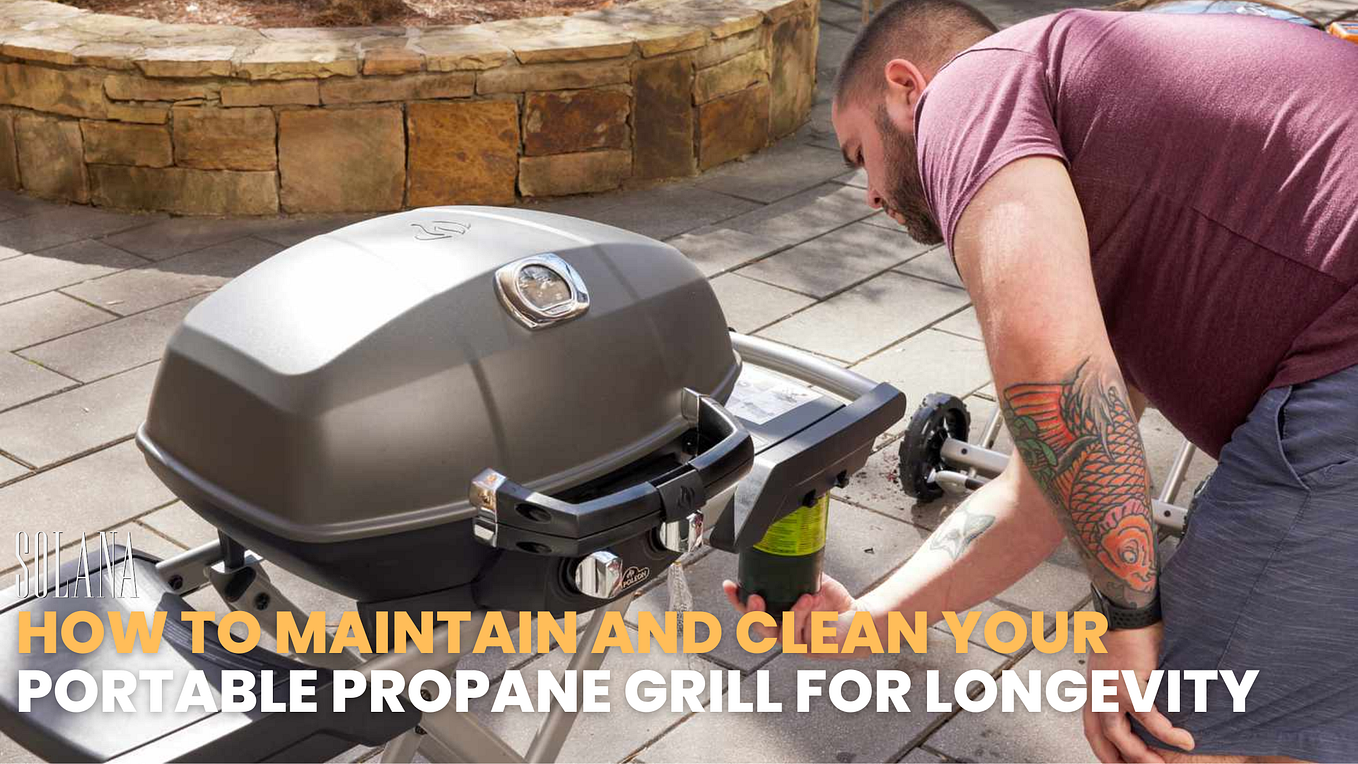
If you love grilling on the go, you know how important your portable charcoal grill is. But without proper care, it can wear out quickly and lose its charm.
Imagine lighting your grill and having it work perfectly every time, year after year. That’s exactly what you want, right? You’ll discover simple, effective tips to keep your portable charcoal grill in great shape. By following these easy steps, you’ll protect your investment and enjoy delicious meals without hassle.
Ready to make your grill last longer and perform better? Let’s dive in!
Choosing The Right Charcoal Grill
Choosing the right charcoal grill sets the foundation for how well it will serve you over time. It’s not just about picking a model that looks good or fits your budget. Focusing on quality and features can save you from frustration and extra costs down the line.
Materials And Build Quality
The materials used in your grill directly impact its durability and heat retention. Look for grills made from stainless steel or heavy-duty cast iron—they resist rust and handle high temperatures better than thin metals.
My first grill was aluminum-based and started rusting after a couple of rainy weekends. Investing a bit more in quality materials would have spared me from replacing it so soon. Do you want a grill that withstands weather and frequent use? Then prioritize solid construction over flashy extras.
Check the welds and joints too. Poorly assembled grills can wobble or develop leaks, affecting cooking performance. A well-built grill feels sturdy when you lift or move it, signaling better craftsmanship.
Size And Portability Features
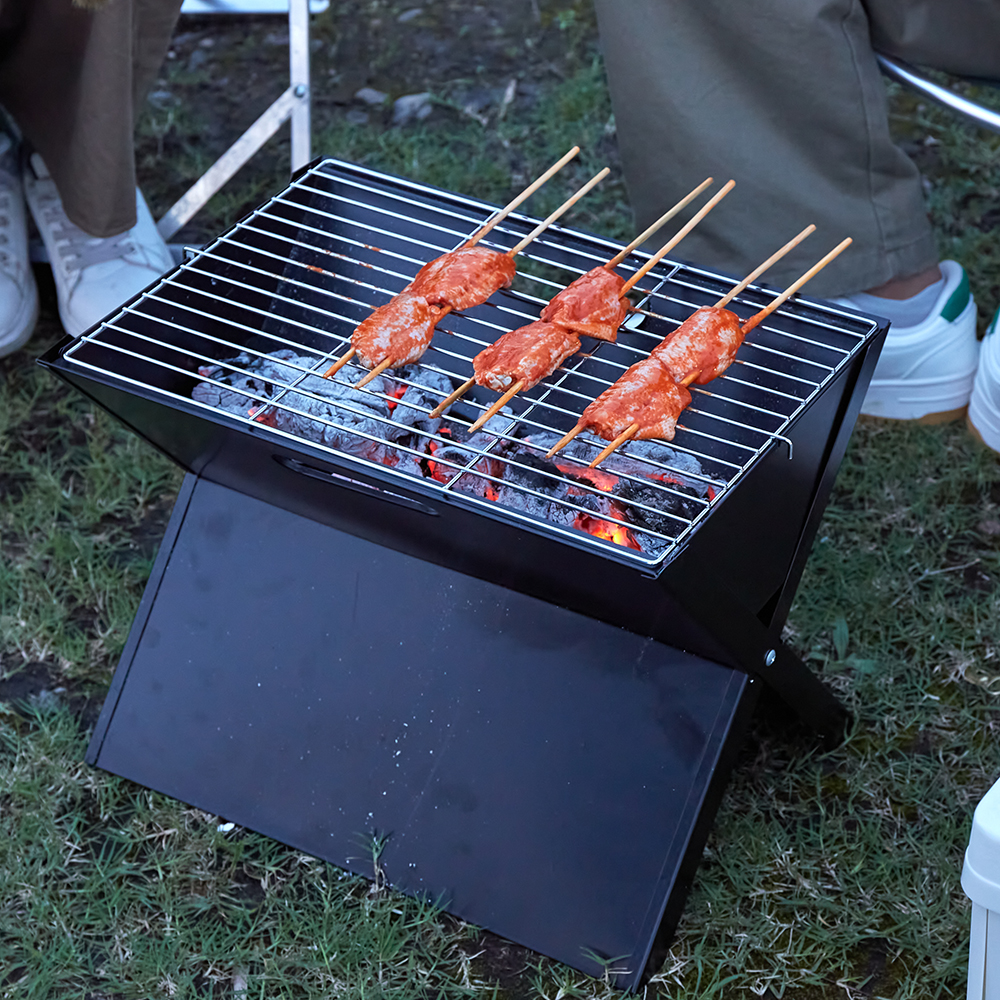
Size matters because it determines how much food you can cook at once and how easy the grill is to carry. If you plan to take it on camping trips or tailgating, a compact model with folding legs or handles makes transport hassle-free.
Remember, a grill that’s too small might limit your cooking options, while a bulky one can become a burden. I chose a mid-size grill with wheels and a locking lid, which made outdoor cooking more enjoyable and less of a chore.
- Look for lightweight materials to reduce carry weight.
- Consider grills with detachable parts for easier packing.
- Check if it fits in your car or storage space comfortably.
Would a portable grill that suits your travel style encourage you to cook more outdoors? Your choice here affects not just convenience but also how often you’ll use and maintain the grill.
Credit: www.lumbregrill.com
Essential Cleaning Techniques
Proper cleaning keeps your portable charcoal grill working well for years. Dirt and grease buildup can damage the grill and affect food taste. Regular cleaning protects the metal and keeps it safe to use. Follow these essential cleaning techniques to maintain your grill’s longevity and performance.
Cleaning After Each Use
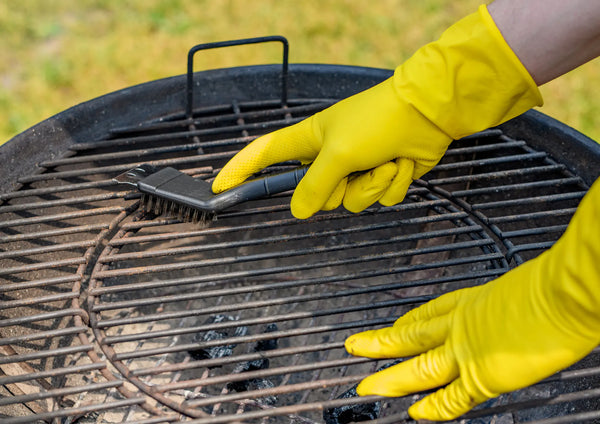
Let the grill cool down completely before cleaning. Remove leftover charcoal and ashes carefully. Use a grill brush to scrape off food bits from the grate. Wipe the grill surface with a damp cloth to remove grease. Empty the drip tray if your grill has one. Cover the grill to protect it from dust and rain.
Deep Cleaning Tips
Deep cleaning should happen every few uses. Take out the grill grate and soak it in warm soapy water. Scrub the grate with a stiff brush to remove stuck-on residue. Clean the inside of the grill with a scraper or brush. Wash the grill body with mild detergent and water. Rinse and dry all parts completely to prevent rust.
Handling Ash And Residue
Always dispose of ashes safely in a metal container. Ashes can stay hot for hours and cause fires. Avoid washing ashes down the sink to prevent clogs. Use a small brush or vacuum made for ash removal. Keep the ash catcher clean to improve airflow and grill efficiency. Regular ash removal helps your grill burn charcoal evenly.
Proper Storage Methods
Proper storage is key to keeping your portable charcoal grill in great shape for years. How you store it affects how well it resists rust, dirt, and wear. By paying attention to where and how you keep your grill, you can save money and avoid frustration down the road.
Protecting From Weather Elements
Rain, snow, and sun can damage your grill quickly if it’s left exposed. Moisture causes rust on metal parts, while intense sunlight can fade paint and weaken plastic components. Always cover your grill with a waterproof, breathable grill cover to keep moisture out but avoid trapping condensation inside.
If you don’t have a cover, use a tarp but make sure air can circulate underneath. Check the cover regularly for tears or holes and replace it if needed. A little effort here stops major damage later.
Ideal Storage Locations
Where you store your grill matters just as much as how you cover it. Choose a dry, sheltered spot like a garage, shed, or covered patio. Avoid placing it directly on soil or grass, which holds moisture and speeds up rusting.
If indoor space is limited, set your grill on a raised platform or sturdy table to keep it off damp ground. Think about convenience too—storing your grill near your cooking area saves time and effort when you want to fire it up.
Have you ever lost track of where you put your grill cover or found it full of water after a rain? Choosing the right spot and using the right cover can prevent those common headaches and keep your grill ready for action.
Routine Maintenance Checks
Regularly inspect your portable charcoal grill for rust, cracks, and loose parts. Clean the grill grates and empty ashes after each use to keep it working well. This simple care helps your grill last longer and perform better every time.
Routine maintenance checks are essential for extending the life of your portable charcoal grill. Regular inspections help ensure the grill performs well during every use. By conducting these checks, you prevent small issues from becoming bigger problems. This practice also keeps your grill safe and efficient.Inspecting Grates And Vents
Regularly inspect the grates for any food residue. Clean them after each use to prevent buildup. Use a grill brush to scrub off any stubborn particles. Check the vents for any blockages. Clear them to maintain proper airflow. Proper airflow ensures consistent grilling temperatures.Checking For Rust And Damage
Look over the grill for signs of rust. Rust can weaken the metal, leading to structural issues. Use a wire brush to remove any rust spots. Apply a heat-resistant paint to prevent further rusting. Check for any dents or damage on the body. Repair these promptly to avoid more serious issues.Fuel And Fire Management
Managing fuel and fire effectively is key to keeping your portable charcoal grill in top shape. It not only ensures better cooking but also extends the grill’s life by preventing damage from improper heat and residue buildup. Paying attention to the type of charcoal you use and how you start and put out the fire makes a noticeable difference.
Choosing Quality Charcoal
Not all charcoal is created equal. Opt for hardwood lump charcoal if you want fewer chemicals and less ash. It burns hotter and cleaner, which helps maintain your grill’s grates and air vents without clogging them.
If you prefer briquettes, pick brands that avoid fillers or additives. These often create excess residue that can harm your grill’s interior over time. Think about how many cooking sessions you get from a bag—quality charcoal tends to last longer and perform more consistently.
Safe Lighting And Extinguishing
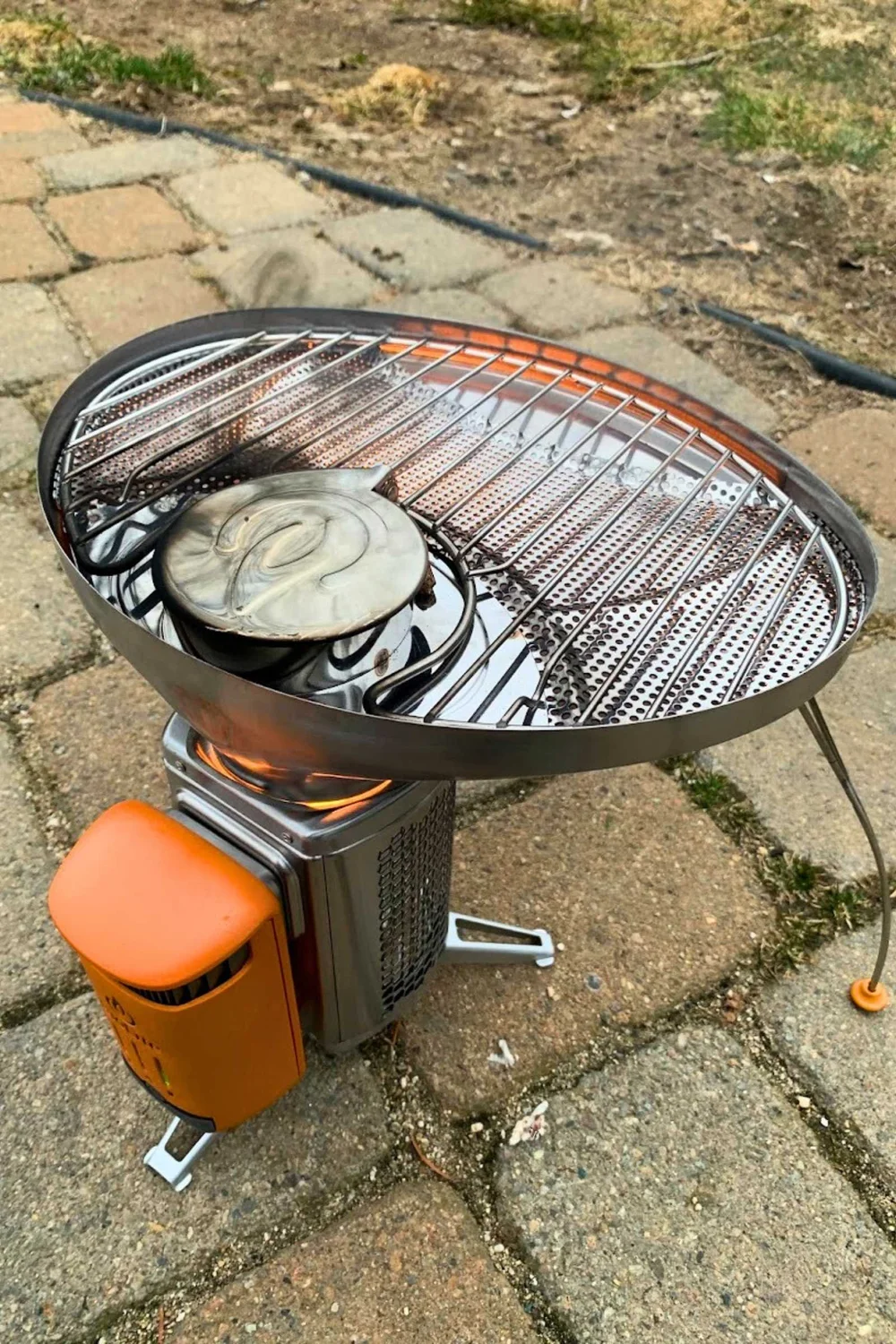
Lighting your grill safely matters for both your grill’s health and your safety. Avoid using lighter fluid whenever possible; it can leave harmful residues inside the grill and affect the flavor of your food. Instead, try a chimney starter—it ignites charcoal evenly and reduces chemical buildup.
When it’s time to extinguish the fire, don’t just leave the charcoal to burn out on its own. Closing the grill’s vents cuts off oxygen and helps cool down the coals faster, preventing rust and warping. Have you ever noticed how quickly your grill shows wear after letting coals smolder too long? Managing the fire’s lifecycle carefully can save you from costly repairs.
Credit: www.treelinereview.com
Upgrading And Replacing Parts
Upgrading and replacing parts of your portable charcoal grill can significantly extend its life and improve your grilling experience. Over time, some components wear out or no longer perform as well. Knowing when and how to upgrade or replace these parts keeps your grill working safely and efficiently.
When To Replace Grates
Grates often take the most heat and direct contact with food, making them prone to rust and warping. If you notice uneven cooking or visible rust that won’t scrub off, it’s time to replace the grates. Thin metal grates can also bend or break after frequent use, which affects heat distribution.
Consider replacing grates every 1 to 2 years, depending on how often you grill. Look for grates made of cast iron or stainless steel for better durability. These materials hold heat well and resist rust, saving you money in the long run.
Upgrading Accessories For Durability
Beyond grates, upgrading accessories like charcoal trays, handles, and vents can boost your grill’s lifespan. Plastic handles, for example, may crack or melt over time—switching to metal handles can solve this issue. Similarly, a sturdy charcoal tray prevents ash buildup and improves airflow.
Have you checked your grill’s vents lately? If they stick or don’t adjust smoothly, replacing them with high-quality metal versions can help control temperature better. Investing in durable accessories means fewer repairs and a grill that performs consistently every time you fire it up.
Tips For Safe Usage
Safe usage of a portable charcoal grill protects you and extends the grill’s life. Handling it carefully reduces risks. Follow these tips to keep your grilling experience secure and enjoyable.
Preventing Fire Hazards
- Place the grill on a flat, stable surface away from flammable materials.
- Keep a fire extinguisher or water source nearby at all times.
- Do not overload the grill with charcoal; excess heat can cause flare-ups.
- Avoid using lighter fluid after the fire is lit to prevent dangerous flames.
- Never leave the grill unattended while in use.
- Allow ashes to cool completely before disposing of them in a metal container.
Handling Hot Components Safely
- Use heat-resistant gloves when adjusting vents or moving the grill.
- Use long-handled tools to avoid burns while cooking.
- Let the grill cool fully before cleaning or storing it.
- Be cautious when opening the lid; hot air and smoke can cause burns.
- Keep children and pets away from the grill during and after use.
Credit: themeatstick.com
Frequently Asked Questions
How Often Should I Clean My Portable Charcoal Grill?
Clean your grill after every use to prevent rust and buildup. Remove ashes and scrub grates with a grill brush. Regular cleaning ensures better taste and extends grill life.
What Is The Best Way To Store A Portable Charcoal Grill?
Store your grill in a dry, covered area. Use a grill cover to protect from moisture and dust. Proper storage prevents rust and weather damage, enhancing longevity.
How Can I Prevent Rust On My Charcoal Grill?
Apply a light coat of cooking oil to grates after cleaning. Keep the grill dry and covered when not in use. Regular maintenance prevents rust and keeps the grill functional.
Should I Use Water To Clean My Charcoal Grill?
Avoid using water directly on hot grills. Use warm, soapy water on cool surfaces for cleaning. Excess water can cause rust, so dry thoroughly after washing.
Conclusion
Taking care of your portable charcoal grill keeps it working well. Clean it after every use to avoid rust and buildup. Store it in a dry place to protect it from rain. Check for damage before each barbecue to stay safe.
Simple steps like these help your grill last many seasons. Enjoy tasty meals without worrying about your grill breaking down. A little effort goes a long way for grill care. Keep grilling fun and hassle-free with regular maintenance.

