
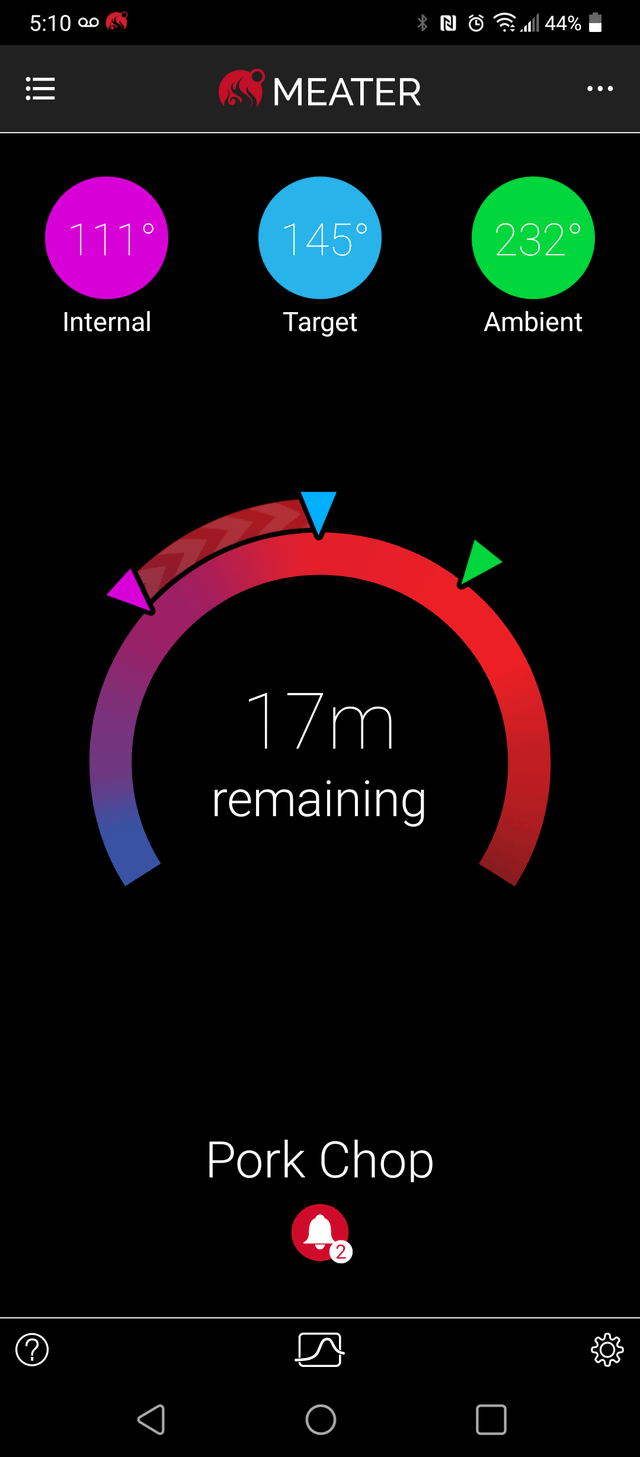
If you love cooking with your pellet grill, you know how important it is to keep the temperature just right. But what if your grill’s thermometer isn’t showing the true heat?
This can ruin your meal and waste your time. You want your food to come out perfect every time, and that starts with an accurate thermometer. You’ll discover simple, effective ways to maintain your pellet grill thermometer. By following these tips, you’ll keep your grill running smoothly and ensure every bite is cooked to perfection.
Keep reading to master the secret to perfect grilling!
Credit: www.amazon.ca
Choosing The Right Thermometer
Choosing the right thermometer is key to keeping your pellet grill accurate. It affects cooking results and food safety. A good thermometer helps monitor temperature precisely. This choice depends on your cooking style and grill setup. Understanding the types and features can guide your decision.
Types Of Pellet Grill Thermometers
- Digital Probe Thermometers:Provide quick, accurate readings. Easy to read display.
- Wireless Thermometers:Allow monitoring from a distance. Use Bluetooth or Wi-Fi connection.
- Instant-Read Thermometers:Offer fast temperature checks. Best for quick spot checks.
- Analog Thermometers:Traditional dial style. No batteries needed but less precise.
Features To Look For
- Accuracy:Must provide reliable temperature readings within a small margin.
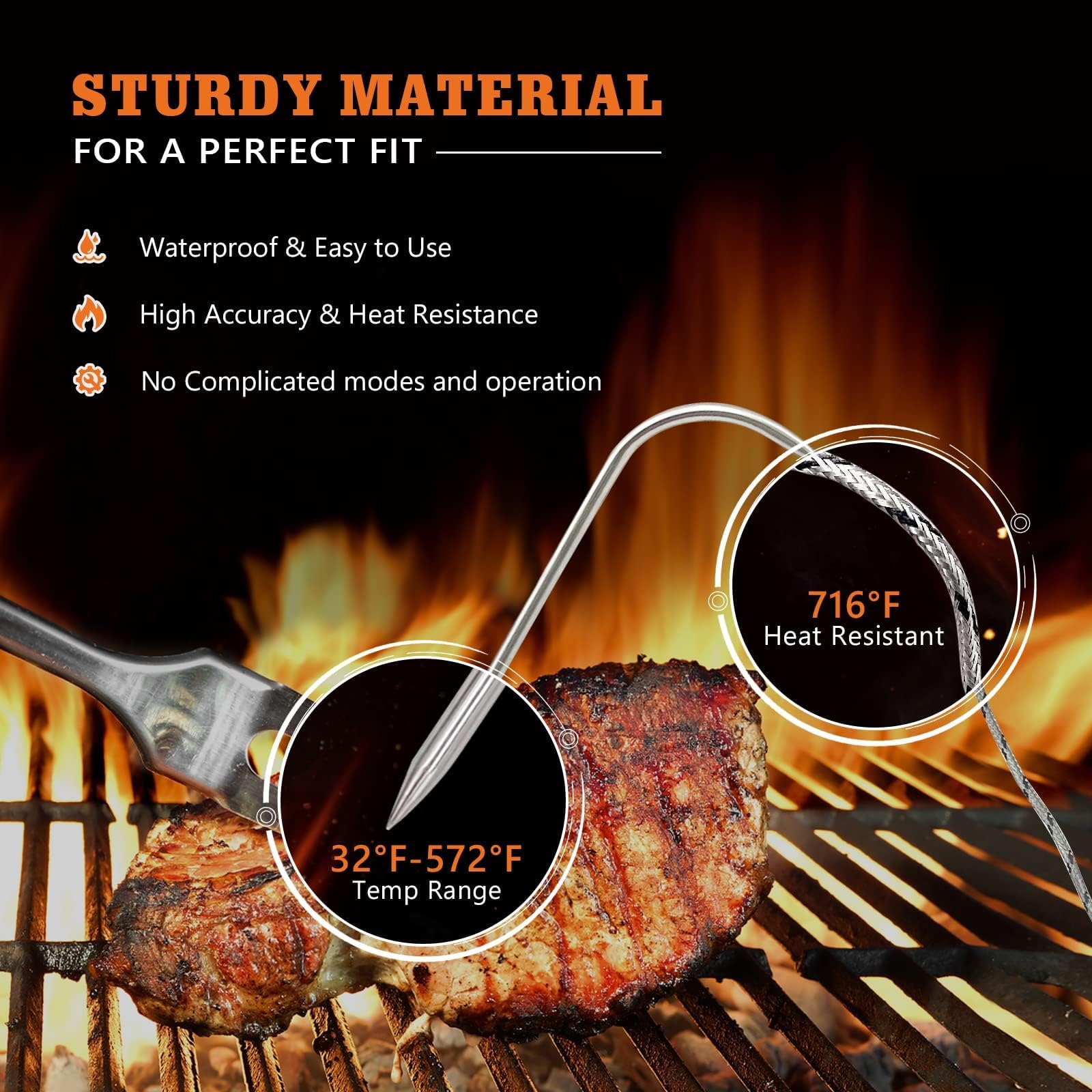
- Durability:Heat-resistant and waterproof for long-lasting use.
- Probe Length:Long enough to reach the grill’s center for correct readings.
- Ease of Use:Simple controls and clear display for quick reading.
- Temperature Range:Wide range to cover low and high cooking temps.
- Alert System:Alerts for target temperature reached or temperature changes.
Calibrating Your Thermometer
Calibrating your pellet grill thermometer is crucial for precise temperature readings. Even a small inaccuracy can affect your cooking results, especially when smoking or slow-cooking meats. Taking a few minutes to verify and adjust your thermometer ensures your grill performs at its best every time.
Using The Ice Water Method
The ice water method is a simple way to check if your thermometer reads 32°F (0°C), the freezing point of water. Fill a glass with crushed ice and add cold water until it’s full. Stir the mixture well to create an even temperature.
Insert your thermometer probe into the ice water, making sure it doesn’t touch the sides or bottom. Wait about 30 seconds and observe the reading. If it doesn’t show 32°F (0°C), note how far off it is.
This method is easy and requires no special tools, making it perfect for quick checks. Have you ever discovered your thermometer was off by several degrees just by doing this simple test?
Testing With Boiling Water
Boiling water is another reliable way to verify your thermometer’s accuracy, as it should read 212°F (100°C) at sea level. Boil a pot of water and carefully insert the probe into the boiling water, avoiding contact with the pot’s sides or bottom.
Wait for the reading to stabilize, which may take about 30 seconds. If your thermometer shows a temperature different from 212°F, mark the difference.
Keep in mind that boiling points vary with altitude, so adjust your expectations based on your location. Have you ever adjusted your cooking times after realizing your thermometer was slightly inaccurate?
Cleaning And Care Tips
Cleaning and caring for your pellet grill thermometer keeps it accurate and reliable. Dirt, grease, and residue can affect its readings. Regular care extends the life of the thermometer and ensures consistent cooking results.
Safe Cleaning Practices
Use a soft cloth or sponge to clean the thermometer. Avoid harsh scrubbing that could scratch the surface. Mild soap and warm water work well to remove grease and dirt.
- Turn off and unplug the grill before cleaning.
- Gently wipe the thermometer probe with a damp cloth.
- Remove stubborn residue with a soft brush or cotton swab.
- Dry the probe completely before using it again.
Never immerse the entire thermometer in water. This can damage the internal parts.
Avoiding Damage To Sensors
The sensor is the most sensitive part of the thermometer. Rough handling or exposure to extreme heat can harm it.
- Do not use metal tools on the sensor.
- Avoid direct flame contact with the probe.
- Store the thermometer in a safe, dry place when not in use.
- Check the probe for bends or breaks before each use.
Protecting the sensor ensures accurate temperature readings every time.

Credit: www.reddit.com
Proper Storage Techniques
Keep the pellet grill thermometer in a dry, cool place to prevent damage. Store it away from direct sunlight and heat sources to maintain accuracy. Regularly clean and cover the thermometer to protect it from dust and moisture.
Proper storage of your pellet grill thermometer is crucial for maintaining its accuracy and longevity. When you invest in a quality thermometer, you want it to last and provide precise readings every time you grill. Storing it correctly can prevent damage and ensure it remains in top condition. Let’s dive into some effective storage techniques.Protecting From Moisture And Heat
Moisture and heat are the arch-enemies of your pellet grill thermometer. Excessive moisture can cause rust and damage the internal components of the thermometer. Always store your thermometer in a dry place away from any water sources. Think about places in your kitchen or garage that are cool and dry. Avoid storing it near windows or sinks where it might come in contact with water. Heat can also be detrimental. Never leave your thermometer in direct sunlight or near appliances that emit heat. A simple drawer or a dedicated storage box can keep it safe from these elements.Keeping Cords And Probes Safe
Cords and probes are crucial parts of your thermometer, and they need extra care. Always coil cords neatly without twisting them to avoid wear and tear. Consider using a twist tie or a small cord organizer to keep them in place. Probes can be delicate and should be stored with their protective caps on, if available. If not, wrap them in a soft cloth or paper towel to prevent them from getting bent or damaged. Have you ever found yourself searching for a misplaced probe just as your grill was heating up? Keeping your cords and probes organized can save time and frustration. By taking these simple steps, you can ensure that your pellet grill thermometer stays accurate and ready for your next grilling adventure. Are you storing your thermometer correctly? It might be time to make some changes to prolong its life and maintain its accuracy.Troubleshooting Common Issues
Troubleshooting common issues with your pellet grill thermometer helps keep your cooking precise. Small problems can cause big differences in temperature readings. Identifying these issues fast improves grill performance and food quality. Below are solutions for frequent problems that affect thermometer accuracy.
Inconsistent Readings
Inconsistent temperature readings often point to sensor problems. Dirt or grease on the probe can block heat flow. Clean the probe gently with a soft cloth and mild soap. Avoid abrasive materials that might damage the sensor.
Check the probe placement inside the grill. It should not touch metal surfaces or be too close to the fire. Move the probe to the center of the cooking area for more reliable readings.
Extreme temperature changes cause fluctuations. Allow the grill to stabilize before taking readings. Avoid opening the grill lid too often during cooking.
Battery And Connection Problems
Weak or dead batteries can cause the thermometer to fail. Replace batteries regularly to maintain accuracy. Use fresh, high-quality batteries for best results.
Loose or corroded connections also affect performance. Inspect all wires and connectors for damage or rust. Clean contacts with a small brush and ensure tight connections.
Wireless thermometers may lose signal due to interference. Keep the receiver within range of the transmitter. Remove obstacles like metal objects between the units.
:max_bytes(150000):strip_icc()/ses-thermopro-tp980-donna-currie-4-b3a829906fa7403bb12094079cd5f086.jpeg)
Credit: www.thespruceeats.com
Upgrading And Replacing Parts
Upgrading and replacing parts of your pellet grill thermometer can significantly improve its accuracy and extend its lifespan. Over time, sensors and probes may wear out or become less reliable due to constant exposure to heat and smoke. Knowing when and how to replace these parts ensures your grill keeps delivering perfect cooking results every time.
When To Replace Your Thermometer
You should consider replacing your thermometer if you notice inconsistent temperature readings or if the display becomes unresponsive. A sudden jump in temperature that doesn’t match what you expect is a strong sign the sensor is failing.
Another clear signal is physical damage like frayed wires, corrosion on the probe, or a cracked display. If cleaning doesn’t restore accuracy, it’s better to swap out the faulty parts than risk ruining your food.
Choosing Compatible Replacement Parts
Not all replacement parts fit every pellet grill model. Check the manufacturer’s specifications before buying new probes or sensors to avoid compatibility issues.
Consider factors like probe length, connection type, and temperature range. Using the wrong part can cause inaccurate readings or even damage your grill’s electronics.
- Purchase parts directly from the grill’s brand or authorized dealers.
- Read user reviews to learn about reliability and ease of installation.
- Keep your grill’s model number handy when searching for replacements.
Have you ever tried using a cheap third-party thermometer part only to find it didn’t work right? Choosing the right replacement part upfront saves time and frustration, keeping your pellet grill running smoothly and your meals perfectly cooked.
Frequently Asked Questions
How Often Should I Calibrate My Pellet Grill Thermometer?
You should calibrate your pellet grill thermometer every 3 to 6 months. Regular calibration ensures accurate temperature readings and consistent cooking results. Frequent use or exposure to extreme conditions may require more frequent calibration for best performance.
What Is The Best Way To Clean A Pellet Grill Thermometer?
Clean your pellet grill thermometer with a soft cloth and mild soap. Avoid harsh chemicals or abrasive materials. Regular cleaning removes residue and prevents buildup that can affect accuracy. Always dry it completely before use to maintain proper function.
How Can I Check If My Pellet Grill Thermometer Is Accurate?
Test accuracy by comparing it to a reliable, calibrated thermometer. Use the ice water method or boiling water test for quick checks. If temperatures differ significantly, recalibrate or replace your pellet grill thermometer for precise cooking.
Why Does My Pellet Grill Thermometer Show Incorrect Temperatures?
Incorrect readings may result from dirt buildup, sensor damage, or poor calibration. Exposure to extreme heat or moisture can also affect accuracy. Regular cleaning, proper calibration, and careful handling help maintain correct temperature readings.
Conclusion
Maintaining your pellet grill thermometer keeps your cooking accurate and safe. Clean the probe regularly to avoid buildup and false readings. Check calibration often to ensure it shows the right temperature. Store the thermometer properly when not in use to protect it.
These small steps help you cook food perfectly every time. Trust your thermometer and enjoy better grilling results. Simple care makes a big difference in your outdoor cooking experience. Keep it working well and taste the difference.

