
If you love the smoky flavor and ease of cooking with a pellet grill, you want yours to last for years. But how do you keep your pellet grill in top shape without spending hours on maintenance?
The secret lies in simple, regular care that anyone can do. You’ll discover easy tips and tricks to maintain your pellet grill for longevity. By following these steps, you’ll save money, avoid frustrating breakdowns, and enjoy perfect grilling every time.
Ready to make your pellet grill last longer and work better? Let’s dive in!
Choosing The Right Pellet Grill
Choosing the right pellet grill sets the foundation for how well you can maintain it and extend its life. Not all pellet grills are created equal, and the quality you invest in now can save you from headaches later. Let’s break down what you should focus on to make a smart choice that fits your grilling style and durability needs.
Material And Build Quality
The material of your pellet grill directly affects its durability and heat retention. Look for grills made with stainless steel or heavy-duty powder-coated steel. These materials resist rust and wear better than cheaper metals.
Pay attention to welds and joints. Loose or thin seams can lead to warping or cracks over time, especially under high heat. A well-built grill often feels sturdy and solid when you handle it—don’t settle for anything that feels flimsy.
Features To Look For
Think about the features that will make your grilling easier and your grill last longer. Automatic pellet feeders with reliable motors reduce the chance of jams, which can cause damage. Digital temperature controls help maintain consistent heat, preventing overheating that wears out components.
Extras like easy-to-clean ash pans, grease management systems, and weather-resistant covers also make a big difference. These features reduce buildup and protect your grill from the elements, which are critical for long-term maintenance.
Brand Reputation
Choosing a pellet grill from a reputable brand can save you frustration down the road. Established brands often back their products with warranties and have readily available replacement parts. Reading customer reviews gives you real insights into how grills perform over time.
Don’t hesitate to ask other grill enthusiasts or visit forums to hear about their experiences. A reliable brand means you’re not just buying a product; you’re investing in support and longevity.
Initial Setup And Seasoning
Setting up your pellet grill correctly from the start is key to long-lasting performance. Proper assembly and initial seasoning create a strong base for every cook. This process helps protect the grill from rust and improves flavor over time.
Taking the time to prepare your grill before the first use saves you from future problems. The following steps guide you through assembly, burn-in, and seasoning of the grates.
Proper Assembly Steps
- Unbox all parts and check the instruction manual carefully.
- Attach the hopper, lid, and legs securely using the provided screws.
- Make sure the pellet auger is aligned and connected properly.
- Install the drip tray and heat diffuser inside the cooking chamber.
- Check all electrical connections before plugging in the grill.
- Ensure the grill sits on a flat, stable surface outdoors.
First-time Burn-in Process
- Fill the hopper with high-quality hardwood pellets only.
- Turn the grill on and set it to 225°F (107°C).
- Run the grill empty for 45 minutes to 1 hour.
- This burns off any factory oils or dust inside the grill.
- Keep the lid closed during the burn-in to trap heat.
- After cooling, wipe the cooking grates with a dry cloth.
Seasoning The Grill Grates
- Apply a thin layer of high-smoke point oil to the grates.
- Set the grill temperature to 350°F (177°C).
- Close the lid and let the oil bake into the grates for 30 minutes.
- Turn off the grill and allow it to cool naturally.
- This process creates a non-stick, rust-resistant surface.
- Repeat seasoning after heavy cleaning or long periods of disuse.
Daily Maintenance Routine
Keeping a pellet grill in good shape means daily care. A simple routine can stop damage and keep your grill working well. Small tasks done regularly save time and money later. Here is what to do each day after grilling.
Cleaning The Cooking Grates
Start by brushing the cooking grates with a grill brush. Remove stuck food and grease to avoid flare-ups. Clean grates help food cook evenly and taste better. Do this while the grates are still warm for easier cleaning. Use a damp cloth to wipe any leftover residue.
Emptying The Ash Catcher
Check the ash catcher below the grill. Empty it if full to keep airflow steady. Good airflow keeps the fire burning strong and steady. Use a small scoop or brush to remove ashes. Dispose of ashes safely once fully cooled.
Checking Pellet Supply
Look inside the hopper to check pellet levels. Add fresh pellets if the supply is low. Avoid running out during cooking for steady heat. Use dry pellets to prevent jams and poor performance. Keep the hopper closed to stop moisture getting in.
Deep Cleaning Practices
Regular deep cleaning ensures your pellet grill lasts longer. Remove ash and grease to prevent buildup. Clean grates and check the hopper for leftover pellets. Proper maintenance keeps your grill in top condition, ready for delicious meals.
Maintaining your pellet grill for longevity involves more than just occasional cleaning. Deep cleaning practices are essential to keep your grill in top condition, ensuring every meal you cook is as delicious as the last. By regularly following these practices, you not only extend the life of your grill but also improve its performance. Let’s dive into some crucial areas you should focus on during deep cleaning.Removing And Cleaning The Firepot
The firepot is the heart of your pellet grill where the magic happens. To clean it, make sure the grill is completely cool. Carefully remove the firepot and empty any ash or residue. Use a shop vac to suck up any stubborn debris that may have settled in hard-to-reach spots. It’s a good idea to check the firepot for any signs of wear or damage. If you notice anything unusual, consider replacing it. A clean firepot ensures even heating and consistent cooking.Cleaning The Hopper And Auger
The hopper and auger are essential for feeding pellets into your grill. Begin by emptying the hopper of any old pellets. Moisture can cause pellets to clump, so make sure the hopper is dry. Once emptied, use a brush to clean out any remaining dust or debris. Check the auger for any blockages. A clear auger ensures that pellets move smoothly into the firepot, maintaining optimal grilling temperature.Inspecting The Drip Tray And Grease Management
The drip tray and grease management system play a significant role in preventing flare-ups. Remove the drip tray and scrape off any accumulated grease and food particles. This not only keeps your grill clean but also prevents unwanted fires. Check the grease management system to ensure there are no clogs. Clean out any buildup to maintain proper drainage. This practice keeps your grill safe and enhances its longevity. When was the last time you gave your grill a thorough deep clean? Implementing these practices can make a world of difference in how your pellet grill performs over time. Keep these tips in mind the next time you’re ready to fire up the grill for an unforgettable barbecue experience!Preventive Care Tips
Keeping your pellet grill in top shape doesn’t have to be a chore. Simple preventive care can save you money and frustration down the road. Paying attention to a few key areas ensures your grill stays reliable and efficient for years.
Protecting From Weather Elements
Rain, snow, and harsh sunlight can wear down your pellet grill faster than you might expect. Using a high-quality grill cover shields it from moisture and UV damage. If you store your grill outside, consider placing it under a patio or awning to reduce exposure.
Have you ever noticed rust spots appearing after a rainy weekend? That’s a sign your grill needs better protection. Wiping down surfaces and drying your grill after use helps prevent corrosion. A little effort here keeps metal parts strong and your grill looking new.
Avoiding Pellet Moisture
Pellets are the fuel for your grill, and moisture can ruin them quickly. Store your pellets in airtight containers away from damp areas. Using dry pellets ensures consistent burning and avoids clogging the hopper.
If pellets get wet, they can swell and jam the feeding system. Have you ever had your grill stop mid-cook? Damp pellets are often the culprit. Keeping your pellets dry means smoother grilling and better flavors every time.
Regular Inspection For Wear And Tear
Checking your grill regularly helps catch small problems before they become big issues. Look for signs like cracked seals, loose screws, or buildup in the burn pot. Addressing these early keeps your grill running safely and efficiently.
Set a reminder to inspect your grill at least once a month, especially during heavy use seasons. Does your grill start unevenly or have strange smells? These can be clues your parts need cleaning or replacement. Staying proactive means fewer surprises and more delicious meals.

Credit: www.smokedbbqsource.com
Troubleshooting Common Issues
Owning a pellet grill means dealing with occasional hiccups that can disrupt your cooking flow. Troubleshooting these common problems quickly can save your grill from damage and keep your meals tasting great. Let’s break down some frequent issues and how you can fix them without hassle.
Handling Pellet Jams
Pellet jams happen when the pellets get stuck in the auger, stopping the feed and causing the grill to lose heat. Check the hopper for moisture—wet pellets are often the culprit. Keep your pellets dry by storing them in airtight containers and avoid using old or crumbly pellets.
If you notice your grill isn’t heating properly, inspect the auger for blockages. Remove any jammed pellets carefully by unplugging the grill and using a small tool like a screwdriver. Regularly cleaning the auger tube can prevent jams and keep your grill feeding pellets smoothly.
Dealing With Temperature Fluctuations
Temperature swings can ruin your cooking plans. One common cause is dirty temperature probes. Wipe them clean with a soft cloth to ensure accurate readings.
Another factor is pellet quality—poor pellets burn unevenly and cause inconsistent heat. Test different brands to find pellets that burn steadily in your grill. You might also want to check the fan and auger to ensure they’re running without interruption, as any hiccup affects temperature control.
Fixing Ignition Problems
If your grill won’t light, the igniter might be the issue. Start by checking if the igniter is sparking when you turn the grill on. If it’s not, it could be due to a loose wire or a worn-out igniter rod.
Try cleaning the igniter rod with a wire brush to remove any buildup. If that doesn’t work, replacing the igniter is often a straightforward fix. Don’t let a small ignition problem keep you from firing up your grill—address it early to avoid bigger headaches.
Upgrading And Replacing Parts
Upgrading and replacing parts of your pellet grill can significantly extend its life and improve your cooking experience. Paying attention to key components lets you avoid costly repairs or early replacements. It also keeps your grill running smoothly and efficiently, making every BBQ session a joy.
When To Replace The Auger Motor
The auger motor feeds pellets into the firepot, so it’s essential for consistent heat. If you notice irregular pellet feeding, strange noises, or the motor not turning at all, it’s time to replace it.
Replacing the auger motor early can prevent jams and uneven cooking. Keep an eye on how smoothly the motor runs during your grilling sessions. Don’t wait for it to completely fail—small signs can save you headaches later.
Upgrading The Controller
Your grill’s controller manages temperature and pellet flow, so upgrading it can improve precision. Newer controllers often come with digital displays, Wi-Fi connectivity, or smartphone apps for easier monitoring.
Think about how often you want to check your grill remotely or adjust settings on the fly. A modern controller can make these tasks simple and more accurate, giving you better control over your smoke and heat.
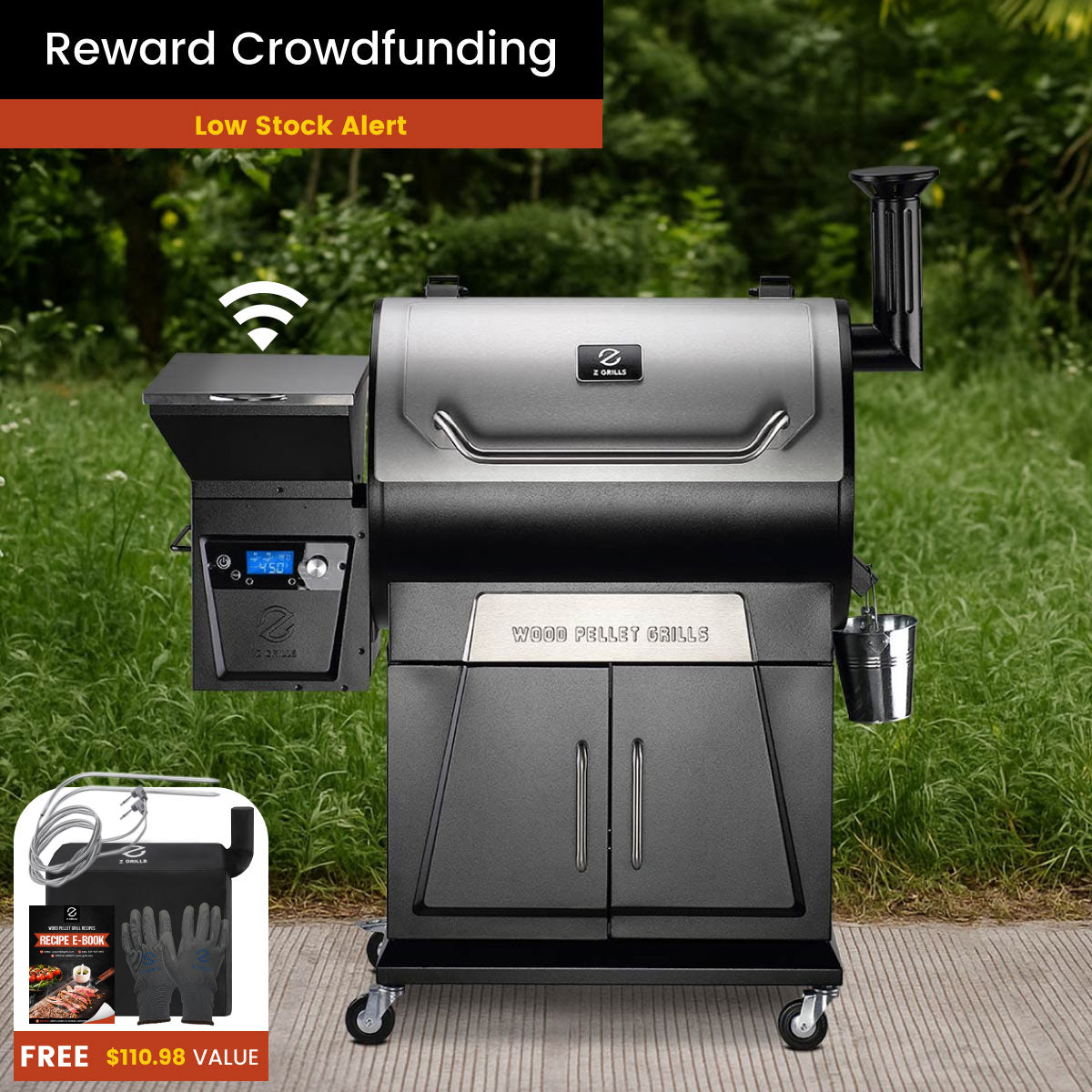
Choosing Replacement Grates
Grates take the brunt of heat and food contact, so choosing the right replacement is key. Look for durable materials like stainless steel or cast iron that match your cooking style.
Consider what you usually grill—cast iron grates hold heat well for searing, while stainless steel is easier to clean. Choosing the right grate makes your cooking smoother and can even improve the flavor of your food.
Credit: www.zgrills.com
Storing Pellet Grills Off-season
Storing your pellet grill properly during the off-season helps keep it in top shape. Protecting it from dirt, moisture, and damage extends its life. Taking time to store the grill correctly prevents costly repairs later. Follow these tips to keep your pellet grill ready for the next grilling season.
Proper Cleaning Before Storage
Clean the grill thoroughly before storing it. Remove all ashes and leftover pellets from the hopper and firepot. Wipe down all surfaces with a damp cloth to remove grease and food residue. Clean the cooking grates using a grill brush or warm soapy water. Allow all parts to dry completely to avoid rust and mold buildup.
Safe Storage Locations
Store the pellet grill in a dry, sheltered place. Avoid areas exposed to rain, snow, or direct sunlight. A garage, shed, or covered patio works well. Use a grill cover made for pellet grills to protect it from dust and moisture. Keep the grill off the ground using a stand or wooden pallet to prevent water damage.
Pre-season Checkups
Check the grill before the new grilling season starts. Inspect the hopper and firepot for any leftover debris. Test the electrical parts like the igniter and control panel. Look for signs of rust or wear on the cooking grates and body. Replace worn parts and clean the grill again if needed. This ensures smooth operation and better cooking results.
Credit: www.chowhound.com
Frequently Asked Questions
How Often Should I Clean My Pellet Grill?
Clean your pellet grill after every use. Remove ash, grease, and food debris to prevent buildup. Regular cleaning ensures efficient heating and extends grill life.
What Type Of Pellets Is Best For Longevity?
Use high-quality hardwood pellets. Avoid softwood or low-grade pellets as they produce more residue. Quality pellets burn cleaner and maintain your grill’s performance longer.
How Do I Prevent Rust On My Pellet Grill?
Keep your grill covered when not in use. Store it in a dry place and apply a rust-resistant spray periodically. Regular maintenance prevents corrosion and extends grill life.
Can I Leave Pellets In The Hopper Overnight?
It’s best to remove pellets after use. Moisture can cause pellets to swell and clog the system. Store pellets in a cool, dry place to maintain quality.
Conclusion
Maintaining your pellet grill keeps it working well for years. Clean the grill regularly to avoid buildup and rust. Check parts often and replace any that look worn out. Store the grill in a dry place when not in use.
Use quality pellets to protect your grill’s components. Small efforts make a big difference in grill life. Enjoy tasty meals and stress less about repairs. A little care now saves money and time later. Keep your grill ready for every cookout season.
Simple steps, lasting results.

