
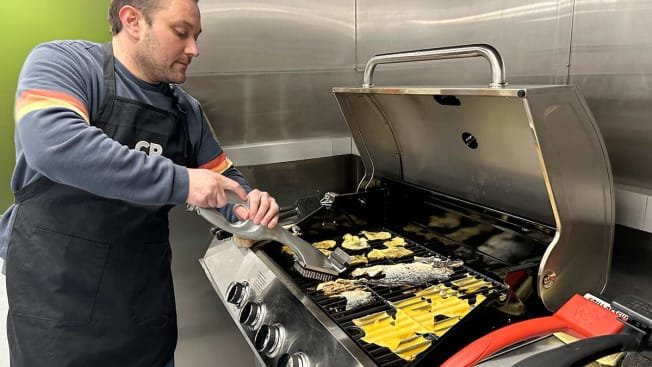
You’ve invested in a high-end gas grill, and you want it to last for years while delivering perfect meals every time. But do you know the simple steps to keep it running smoothly and looking great?
Ignoring regular maintenance can lead to costly repairs and uneven cooking. This guide will show you easy, practical ways to care for your grill so you can enjoy hassle-free barbecues all season long. Keep reading to discover how a little attention now can save you time, money, and frustration later.
:max_bytes(150000):strip_icc()/faw-weber-spirit-ep-425-gas-grill-rkilgore-0311-2a3c25443ec84ae9a2614de87be373a3.jpeg)
Credit: www.foodandwine.com
Choosing The Right Grill
Choosing the right grill sets the foundation for easy maintenance and long-lasting use. A high-end gas grill is an investment that pays off with great food and fewer repairs. Picking a grill that fits your needs and budget helps keep it in top shape.
Material And Build Quality
Stainless steel is the best choice for durability and rust resistance. Look for thick metal parts that feel solid. Thin metal can warp or break over time. Cast iron grates hold heat well but need regular seasoning. Porcelain-coated grates resist rust and are easier to clean.
Check the welds and joints. Smooth, tight welds mean better strength. Plastic knobs and handles should feel sturdy and heat-resistant. A well-built grill stays stable and avoids damage from wind or movement.
Essential Features To Look For
- Multiple burners for even heat control and cooking zones
- Easy-to-use ignition system that lights quickly
- Removable grease tray for fast cleaning
- Built-in thermometer to monitor temperature
- Side shelves or storage for tools and sauces
- Heat shields to protect burners and prevent flare-ups
These features simplify cooking and cleaning tasks. They reduce wear and tear on parts. Choosing a grill with these essentials helps maintain its performance and extends its lifespan.

Credit: americanmadegrills.com
Regular Cleaning Practices
Maintaining your high-end gas grill requires regular cleaning to keep it working well. Dirt, grease, and food particles can build up and cause problems. Cleaning often helps avoid rust and keeps the grill safe to use. It also keeps the taste of your food fresh and pure. Follow simple cleaning habits to extend your grill’s life and enjoy better cooking results.
Cleaning Grates And Burners
Start by brushing the grates after every use. Use a grill brush with stiff bristles to remove leftover food. For deeper cleaning, soak the grates in warm, soapy water. Scrub gently to avoid damage. Rinse and dry completely before placing them back.
Burners need attention too. Check them for blockages like spider webs or grease. Use a soft brush or a pin to clear the holes. Make sure burners are dry to prevent rust. Clean burners help the flame burn evenly and safely.
Removing Grease And Debris
Grease can build up inside the grill and cause flare-ups. Empty the grease tray after each use. Wipe down the inside walls with a damp cloth to remove debris. Use a putty knife or scraper to remove stuck grease carefully.
For heavy grease, use a grill cleaner made for gas grills. Spray it on, let it sit a few minutes, then scrub. Rinse well to avoid chemical taste on food. Regular grease removal keeps your grill safe and working well.
Seasonal Maintenance
Seasonal maintenance keeps your high-end gas grill in top shape all year. It protects the grill from damage caused by weather changes. Cleaning and checking parts regularly prevent costly repairs. Follow simple steps to store your grill safely for winter and prepare it for spring use. This care extends the life of your grill and ensures great cooking results every season.
Preparing For Winter Storage
Start by turning off the gas supply completely. Remove and clean the grates with warm, soapy water. Check the burners for blockages and clean gently with a brush. Empty the grease tray to avoid buildup and fire risks. Cover the grill with a weatherproof cover to protect it from moisture. Store the grill in a dry, sheltered place if possible. Disconnect the propane tank and store it outside in a safe area. Winter storage reduces rust and keeps parts working well.
Spring Startup Checklist
Inspect the grill for any damage from winter. Clean the grates and burners thoroughly before use. Check the gas hoses for cracks or leaks using soapy water. Reconnect the propane tank securely and test the connections. Turn on the grill to ensure burners light evenly. Replace any parts that look worn or damaged. Season the grates with oil to prevent rust. This checklist helps your grill perform safely and efficiently.
Checking Gas Connections
Checking gas connections is a vital part of maintaining a high-end gas grill. It ensures safety and smooth operation every time you cook. Regular checks prevent leaks and other problems that could cause accidents or damage. Pay attention to hoses, valves, and fittings to keep your grill in top condition.
Inspecting Hoses And Valves
Start by looking over the hoses for cracks, holes, or signs of wear. Replace any damaged hoses immediately. Check the valves to make sure they open and close smoothly. Tighten loose fittings but avoid overtightening, which can cause damage. Keep all parts clean and free from grease or dirt.
Detecting And Fixing Leaks
Mix a small amount of dish soap with water in a spray bottle. Spray this solution on all gas connections and hoses. Watch for bubbles forming, which signal a leak. If you find a leak, turn off the gas supply right away. Tighten connections and test again. Replace parts that continue to leak for safety.
Maintaining Temperature Control
Maintaining temperature control is key to grilling success. A steady heat level cooks food evenly and prevents burning. High-end gas grills often have precise settings, but these need regular checks. Small adjustments keep the grill working well and food tasting great.
Calibrating Thermometers
Thermometers on gas grills can lose accuracy over time. Calibrating them ensures you get the right temperature reading. Use the ice water test: fill a glass with ice and water, insert the thermometer probe, and wait a few minutes. The thermometer should read 32°F (0°C). If it does not, adjust it according to the manufacturer’s instructions or note the difference for future use.
Adjusting Burners For Even Heat
Burners may not always heat evenly. Uneven heat can cause food to cook too fast on one side. Check burners regularly for blockages or damage. Clean burner holes with a soft brush or pipe cleaner to remove debris. Adjust burner valves to balance the flame size. Use a heat map test by placing slices of bread on the grill and observing where it browns faster. This helps spot hot or cool spots for better burner settings.
Protecting Your Grill
Maintaining a high-end gas grill means keeping it protected. Proper protection ensures longevity and optimal performance. The elements can damage your grill, so taking preventive measures is crucial. Let’s explore ways to protect your grill effectively.
Using Covers And Shelters
A durable cover shields your grill from weather. Choose a cover made for your grill’s size. A snug fit keeps out rain and debris. Consider using a grill shelter or canopy. It provides an extra layer of protection. Look for one that is water-resistant and UV-protected.
Preventing Rust And Corrosion
Rust can damage your grill over time. Regular cleaning helps prevent rust. Use a grill brush to clean grates after each use. Apply a thin coat of oil to protect metal surfaces. Store your grill in a dry place when not in use. Inspect your grill for signs of corrosion regularly. Address any rust spots immediately to prevent spreading.
Replacing Parts When Needed
Replacing parts on your high-end gas grill is essential to keep it running smoothly and safely. Over time, certain components wear out or break, impacting performance and even posing safety risks. Knowing when and how to replace these parts helps you avoid costly repairs and extends the life of your grill.
Identifying Worn Components
Keep a close eye on parts that experience regular heat and exposure, like burners, heat shields, and ignition systems. Burners may develop rust or uneven flames, while ignition systems might fail to spark consistently. If you notice uneven cooking or strange smells, it’s a sign that something inside may need attention.
Don’t wait for a complete breakdown. Check the grill after every season for cracks, corrosion, or clogging. Ask yourself: Is the flame steady and blue? Are there any unusual noises or smells? These clues tell you which parts need replacing before bigger problems arise.
Sourcing Quality Replacement Parts
Choosing the right replacement parts is crucial. Using low-quality or generic parts can cause poor performance or damage your grill further. Always look for parts designed specifically for your grill’s brand and model to ensure compatibility and durability.
Buy directly from the manufacturer’s website or trusted dealers who specialize in high-end grills. Reading user reviews can help you avoid counterfeit or subpar products. If you’re unsure about a part, ask for advice from grill repair experts or customer service—they can guide you to the best options.
Expert Tips For Longevity
Keeping a high-end gas grill in top shape extends its life and ensures great cooking. Following expert tips helps avoid costly repairs and keeps the grill working smoothly. Regular care and attention pay off with better flavor and safety.
Routine Inspection Schedule
Check your grill before each use. Look for cracks, rust, or loose parts. Clean the burners and cooking grates regularly. Inspect gas hoses for cracks or leaks. Replace damaged parts immediately. Deep clean the grill every few months. Remove grease buildup to prevent fires.
- Inspect burners and heat shields monthly
- Clean cooking grates after each use
- Check gas connections weekly
- Deep clean inside and outside quarterly
Avoiding Common Mistakes
Do not leave the grill uncovered in bad weather. Avoid harsh chemicals that can damage surfaces. Never use a wire brush with metal bristles on grates. Overheating the grill can warp parts. Always preheat the grill properly. Store propane tanks in a cool, ventilated area. Ignoring small issues causes bigger problems later.

Credit: food52.com
Frequently Asked Questions
How Often Should I Clean My High-end Gas Grill?
Clean your gas grill after every use to prevent buildup. Deep clean the grill quarterly for optimal performance and longevity.
What Are The Best Cleaning Tools For Gas Grills?
Use a stainless steel brush, warm soapy water, and a sponge. Avoid harsh chemicals to protect the grill’s finish.
How Can I Prevent Rust On My Gas Grill?
Keep your grill covered when not in use. Regularly oil the grates and store it in a dry place.
When Should I Replace Gas Grill Parts?
Replace burners, ignition, or hoses if damaged or worn. Regularly inspect parts to ensure safe and efficient grilling.
Conclusion
Regular cleaning keeps your gas grill working well. Check parts often for wear or damage. Always cover your grill to protect it from weather. Store your grill in a dry place during cold months. Simple care extends your grill’s life and improves cooking.
Enjoy tasty meals with a well-maintained grill every time. Small steps make a big difference in grill performance. Keep these tips in mind for a smooth grilling season. Your high-end gas grill deserves proper care and attention.

