
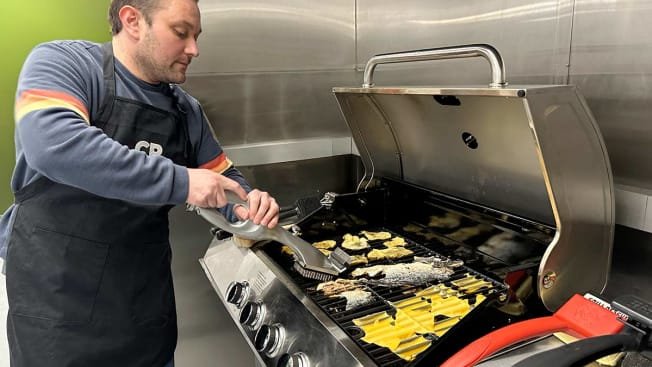
You love firing up your gas grill for a perfect meal, but do you know how to keep it running smoothly season after season? Taking care of your grill isn’t just about cleaning—it’s about protecting your investment and ensuring every cookout is a success.
In this guide, you’ll discover simple, effective tips to maintain your gas grill like a pro. By following these steps, you’ll save time, avoid costly repairs, and enjoy better-tasting food every time. Ready to make your grill last longer and work better?
Let’s get started.
Choosing The Right Grill
Choosing the right gas grill is essential to enjoy hassle-free cooking and easy maintenance. The perfect grill fits your cooking style, space, and budget while standing up to regular use. Let’s break down the main factors to help you make a smart choice.
Types Of Gas Grills
Gas grills come in three main types: built-in, portable, and freestanding. Built-in grills are great if you want a permanent outdoor kitchen setup. Portable grills are lightweight and perfect for tailgating or camping.
Freestanding grills offer flexibility and often come with extra features like side burners and storage. Think about how often you grill and where you’ll use the grill most. Would you prefer moving it around or keeping it in one spot?
Material And Build Quality
Look for grills made from stainless steel or cast aluminum. Stainless steel resists rust and lasts longer, especially if you live in a humid area. Cast aluminum is lighter and heats up quickly but may not be as durable over time.
Check the quality of the burners and cooking grates too. Porcelain-coated grates can help prevent sticking and are easier to clean. You don’t want to replace parts every season, so invest in solid construction.
Size And Cooking Area
How many people do you usually cook for? The cooking area should match your needs to avoid overcrowding or wasting space. Smaller grills are fine for two to four people, while larger grills suit bigger gatherings or parties.
Consider additional features like warming racks for keeping food hot. Also, if you like cooking multiple dishes at once, look for grills with multiple burners for better heat control. What meals do you plan to cook most often?

Credit: monumentgrills.com
Regular Cleaning Routine
Cleaning your gas grill regularly keeps it working well and prevents rust. Scrape the grates and wipe down surfaces after each use to avoid buildup. Routine care saves time and extends your grill’s life.
Regular cleaning of your gas grill not only ensures tasty meals but also prolongs the life of your equipment. Developing a consistent cleaning routine can save you time and effort in the long run. Let’s dive into some practical steps you can take to keep your grill in top shape.Cleaning Grill Grates
The grill grates are where all the action happens, so they accumulate the most grime. After each use, while the grates are still warm, use a grill brush to scrub away any leftover food particles. If your brush isn’t doing the trick, try soaking the grates in warm soapy water for 15 minutes before scrubbing again.Removing Grease Traps
Grease traps can quickly become a sticky mess if ignored. Regularly empty the grease tray and clean it with a paper towel. Once a month, wash it with warm soapy water to prevent buildup.Washing Burner Tubes
Burner tubes are crucial for even heat distribution. Remove the tubes according to your grill’s manual and inspect them for blockages. A soft brush or pipe cleaner can help remove any debris, ensuring a smooth flow of gas. By maintaining these areas, you ensure your grill functions efficiently and safely. Do you have any additional tips that work for you? Share your experiences in the comments below!Inspecting Key Components
Inspecting the key components of your gas grill is essential for safe and efficient cooking. Regular checks help you spot potential problems before they turn into costly repairs or dangerous situations. Taking a few minutes to examine your grill can save you time and frustration on grilling days.
Checking Gas Connections
Start by looking closely at the gas hose and connections. Make sure there are no cracks, holes, or signs of wear that could cause leaks. A simple way to test is to apply a soapy water solution around the connections—if you see bubbles, gas is escaping.
Do you smell gas when the grill is off? That’s a clear warning to turn off the supply immediately and replace the faulty parts. Always tighten connections by hand first, then use a wrench to snug them up without over-tightening.
Examining Burners
Your burners are the heart of the grill, so they need to be clean and free of blockages. Remove them and check for rust, grease buildup, or spider webs that can clog the holes and cause uneven flames. Use a soft brush or a toothpick to clear any debris gently.
Uneven flames or yellow tips are signs your burners need attention or replacement. Have you noticed flare-ups or cold spots? These often point to burner issues that affect cooking quality and safety.
Testing Ignition System
The ignition system makes lighting your grill quick and easy, but it can wear out over time. Press the igniter button and watch for sparks; if nothing happens, the battery might be dead or the igniter could be damaged. Check the wiring for loose connections or corrosion as well.
Try lighting the grill with a match or lighter if the igniter fails, but don’t ignore the problem. A reliable ignition system saves you from frustrating starts and keeps your grilling experience smooth every time.
Preventing Rust And Corrosion
Rust and corrosion can damage your gas grill over time. Moisture, heat, and outdoor elements cause metal parts to wear out. Protecting your grill from these factors keeps it working longer. Regular care stops rust from forming and spreads. Simple steps help maintain your grill’s appearance and function.
Proper Covering Techniques
Use a grill cover made from water-resistant material. Always cover your grill after each use. Make sure the cover fits tightly to block moisture and dirt. Avoid plastic covers that trap condensation inside. Remove the cover during dry days to let the grill breathe. This prevents mold and rust buildup under the cover.
Using Protective Sprays
Apply a rust-resistant spray to metal parts regularly. Choose sprays designed for outdoor grills or stainless steel. Clean the grill surface before spraying for better protection. Avoid spraying burners and valves to prevent damage. Wipe off excess spray with a soft cloth. This layer keeps moisture away and slows corrosion.
Storing During Off-season
Clean the grill thoroughly before storing it for months. Remove grease, food residue, and ash to avoid rust spots. Store the grill in a dry, sheltered place like a garage or shed. Elevate the grill from the ground using blocks or a stand. Leave the cover slightly open to prevent trapped moisture. Proper storage reduces rust risks and extends grill life.
Maintaining Optimal Performance
Keeping your gas grill in top shape ensures every cookout delivers consistent heat and delicious results. Regular maintenance prevents unexpected breakdowns and helps you enjoy the grill longer. Focus on key areas that impact performance to get the most out of your grill.
Calibrating Temperature Controls
Your grill’s temperature controls can drift over time, causing uneven cooking. Check the control knobs and compare the actual grill temperature with the dial settings using a grill thermometer. If you notice discrepancies, adjust or replace the control valves to keep the heat steady.
Have you ever had your steak come out undercooked because the temperature dial was off? Calibrating your controls can solve this problem quickly, giving you precise heat for grilling everything from burgers to veggies.
Replacing Worn Parts
Parts like burners, igniters, and hoses wear out with frequent use. Inspect these components regularly for cracks, rust, or blockages. Replacing worn parts promptly avoids flare-ups and keeps your grill safe and functional.
- Look for uneven flame patterns or difficulty in ignition as signs of burner wear.
- Check hoses for leaks by applying a soap solution; bubbles indicate a problem.
- Keep spare parts handy to minimize downtime during grilling season.
Seasoning Grill Grates
Seasoning your grill grates helps create a natural non-stick surface and protects against rust. After cleaning, coat the grates with a thin layer of cooking oil and heat the grill for 15 minutes. This process fills the pores of the metal and improves food release.
Think of seasoning like caring for a cast iron skillet—it enhances both performance and longevity. How often do you season your grill grates? Making this a habit can save you from scrubbing stubborn food residues later.
Safety Tips For Gas Grills
Using a gas grill can make your outdoor cooking easier and more enjoyable, but safety should always come first. Understanding how to handle your grill and its components carefully helps prevent accidents and keeps everyone around you safe. Let’s focus on key safety tips that you can easily apply to protect yourself and your loved ones while grilling.
Safe Gas Storage
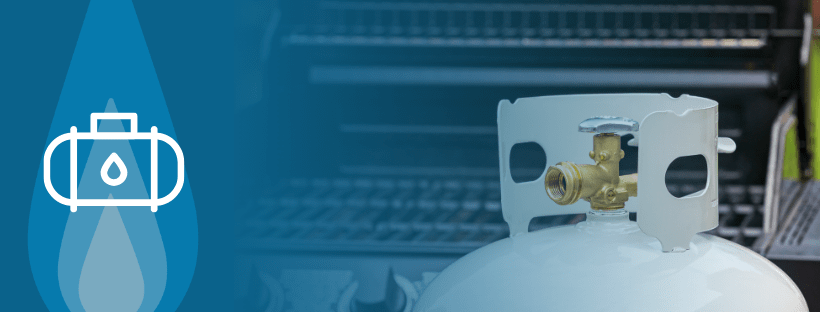
Store your propane tanks outdoors in a well-ventilated area, away from direct sunlight and heat sources. Never keep gas cylinders inside your home, garage, or any enclosed space where gas could build up. Make sure the tanks are upright and secure to prevent tipping or damage.
Think about your last BBQ—did you check where the gas tank was kept? Small changes like moving the tank to a shaded, open spot could make a big difference in safety.
Leak Detection Methods
Regularly check your gas connections for leaks using a simple soap and water solution. Apply the solution to the hose and fittings; if bubbles form, you have a leak that needs immediate attention. Avoid using an open flame to check for leaks—it’s dangerous and unnecessary.
Have you noticed a strange smell or hissing sound near your grill? These are clear signs that a leak might be present, and you should turn off the gas and inspect the equipment right away.
Emergency Shutoff Procedures
Know exactly where your gas shutoff valve is located and how to turn it off quickly. In case of a fire or gas smell, turn off the valve immediately to stop gas flow. Keep a fire extinguisher nearby and make sure you and others know how to use it.
Imagine you smell gas while grilling—what’s your first move? Shutting off the valve promptly can prevent a dangerous situation from escalating.
Troubleshooting Common Issues
Dealing with a gas grill that isn’t performing as expected can be frustrating, especially when you’re ready to cook. Identifying and fixing common problems quickly can save you time and keep your grilling on track. Let’s look at some frequent issues and simple ways to solve them so you can enjoy a hassle-free grilling experience.
Uneven Heating
Uneven heat on your grill often leads to food that’s burnt on one side and raw on the other. This usually happens because of clogged burners or grease buildup blocking the flame. Try cleaning the burners thoroughly with a wire brush and check that the burner holes are clear.
Another cause can be the placement of your grill grates or the heat deflectors underneath. Make sure grates sit properly and deflectors aren’t warped or covered in debris. Have you noticed certain spots always cook faster? Rotating your food or using a drip pan can help distribute heat more evenly.
Ignition Problems
If your grill won’t light, the issue could be a dead battery in the igniter or dirt blocking the spark. Check the igniter button and replace the battery if it’s weak or missing. Cleaning the ignition electrode with a soft cloth can also improve spark delivery.
Sometimes, moisture from rain or cleaning can cause ignition failure. Dry the igniter area and try lighting the grill manually with a long match or lighter. This will help you determine if the problem lies with the igniter or the gas supply.
Gas Flow Interruptions
Gas flow interruptions can make your flame sputter or go out completely. Start by inspecting the gas hose for cracks, kinks, or blockages. A damaged hose restricts gas flow and should be replaced immediately for safety.
Next, check the propane tank valve and connections. Make sure the tank is full and the valve is fully open. Sometimes, dirt or spider webs inside the regulator can block gas flow—remove and clean the regulator carefully to restore proper function.
Have you ever found your grill flame flickering without warning? It might be gas pressure issues. Trying a different propane tank or adjusting the regulator can often fix this problem quickly.
Credit: www.kauffmangas.com

Credit: www.searshomeservices.com
Frequently Asked Questions
How Often Should I Clean My Gas Grill?
Clean your gas grill after every use to prevent grease buildup. Deep clean it at least once a season for optimal performance and safety.
What Is The Best Way To Clean Gas Grill Grates?
Use a grill brush to scrub grates when warm. For stubborn residue, soak grates in soapy water and rinse thoroughly.
How Do I Check For Gas Leaks In My Grill?
Mix soap and water, then apply to gas connections. Bubbles forming indicate a leak, which needs immediate repair before use.
Can I Use Household Cleaners On My Gas Grill?
Avoid harsh chemicals that can damage your grill. Use mild soap, water, or specialized grill cleaners for safe, effective cleaning.
Conclusion
Keeping your gas grill clean extends its life and ensures better cooking. Regular checks prevent leaks and safety hazards. Clean grates stop food from sticking and improve flavor. Cover your grill to protect it from weather damage. Simple steps make grilling easier and more enjoyable.
Take care of your grill, and it will serve you well.

