
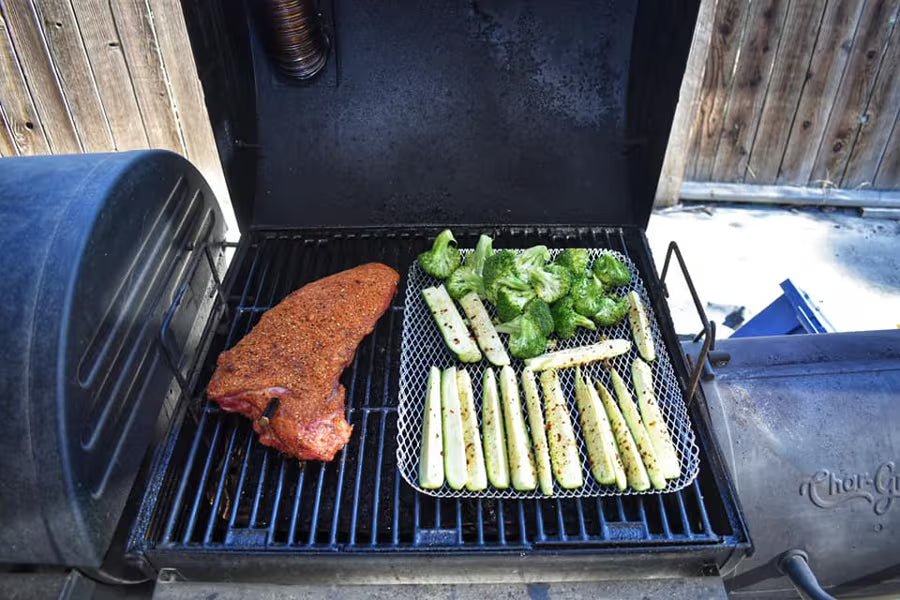
Your gas grill is more than just a cooking tool—it’s the heart of your outdoor gatherings and the secret to mouthwatering meals. But without proper care, your grill can wear out fast, leaving you with uneven cooking and costly repairs.
Imagine firing up your grill effortlessly every time, enjoying perfect flames and flavors season after season. You’ll discover simple, effective ways to maintain your gas grill so it lasts longer and performs better. Keep reading, and make sure your grill stays ready for every cookout ahead.
Credit: creators.yahoo.com
Choosing The Right Grill
Choosing the right gas grill lays the foundation for long-lasting use. A good grill matches your cooking style, space, and budget. It also requires less maintenance and performs well over time.
Types Of Gas Grills
Several types of gas grills exist for different needs and spaces.
- Portable grills:Small and lightweight. Easy to move and store.
- Built-in grills:Installed in outdoor kitchens. Designed for permanent setups.
- Freestanding grills:Most common type. Offers flexibility and storage underneath.
- Infrared grills:Use infrared heat for quick cooking. Less flare-ups.
Each type has pros and cons. Choose one that fits your lifestyle.
Material And Build Quality
Material affects durability and how the grill handles weather. Stainless steel is a popular choice.
- Stainless steel:Resists rust and corrosion. Easy to clean.
- Cast aluminum:Lightweight and rust-resistant. Less heat retention.
- Porcelain-coated steel:Affordable but can chip and rust over time.
Check the thickness of the metal. Thicker parts last longer and hold heat better.
Features To Consider
Some features make grilling easier and safer.
- Number of burners:More burners allow better heat control.
- Temperature gauges:Help monitor cooking heat precisely.
- Side shelves:Provide extra space for prep and tools.
- Ignition system:Choose reliable and easy-to-use starters.
- Grease management:Look for trays or systems that simplify cleaning.
Pick features that match how you cook and maintain your grill.
Regular Cleaning Routine
Keeping a regular cleaning routine helps your gas grill last longer. Dirt and grease build-up can damage parts and reduce heat efficiency. Cleaning also prevents flare-ups and keeps food tasting fresh.
Set a schedule to clean your grill after every few uses. This prevents grime from hardening and makes each cleaning easier. Focus on key areas like grates, grease traps, and exterior surfaces for the best results.
Cleaning The Grates
Grates hold burnt food and grease. Use a grill brush with stiff bristles to scrub the grates while they are warm. This removes stuck-on food easily. For deep cleaning, soak grates in warm, soapy water and scrub with a sponge. Rinse and dry before placing them back.
Emptying The Grease Trap
The grease trap collects drippings and fat. Check it regularly to avoid overflow and fire risks. Remove the tray carefully and pour grease into a disposable container. Clean the tray with warm water and mild soap. Dry it completely before returning it to the grill.
Wiping Down Exterior Surfaces
Wipe the grill’s outside with a soft cloth and soapy water. This removes dirt, dust, and food splatters. Avoid harsh chemicals that can damage the finish. Dry the surface with a clean towel to prevent rust. Regular wiping keeps your grill looking new and protects it from weather damage.
Inspecting Components
Inspecting your gas grill’s components is key to keeping it safe and working well. Regular checks help spot problems early. This prevents bigger repairs and extends your grill’s life.
Focus on parts that wear out or get dirty fast. These include burners, igniters, and gas hoses. Make sure each part is clean and in good shape. Replace parts that look damaged or worn out. Let’s dive into how to inspect these parts carefully.
Checking Burners And Igniters
Burners spread the heat across the grill. Look for holes or rust that block the flames. Clean clogged burners with a soft brush or a thin wire. Check igniters by pressing the start button. Sparks should jump to the burner. If no spark appears, the igniter needs attention or replacement.
Examining Gas Hoses
Gas hoses connect the propane tank to the grill. Check hoses for cracks, holes, or stiffness. Use soapy water to find leaks. Apply soap on the hose and turn on gas. Bubbles show where gas escapes. Replace hoses that leak or look damaged to avoid danger.
Replacing Worn Parts
Parts wear out over time. Replace cracked burners, faulty igniters, and damaged hoses. Use parts made for your grill model. Follow the manual or ask a professional if unsure. Keeping parts fresh ensures your grill stays reliable and safe.

Credit: elitepatiodirect.com
Proper Storage Tips
Store your gas grill in a dry, covered place to prevent rust and damage. Clean it thoroughly before storing to keep it in good shape. Cover the grill with a weatherproof cover for added protection.
Proper storage of your gas grill is crucial for extending its life and ensuring it performs well for years. Whether you’re facing the harsh winter months or just a rainy season, knowing how to store your grill properly can save you time and money in the long run. Here are some actionable tips to help you protect your grill from the elements.Covering The Grill
Investing in a high-quality grill cover is one of the simplest ways to protect your grill. Ensure the cover fits snugly to prevent moisture and debris from seeping in. A good cover will also shield your grill from dust and scratches, keeping it in pristine condition.Storing In Off-season
When the grilling season comes to an end, consider storing your grill in a garage or shed. If that’s not an option, place it in a sheltered area like a covered patio. Disconnect the propane tank and store it safely outdoors, as it can be a fire hazard if kept indoors.Protecting From Weather
Weather can be unpredictable, and your grill needs protection from heavy rain, snow, and strong winds. Use bungee cords to secure the cover, preventing it from blowing away. Additionally, elevate the grill slightly to avoid water pooling underneath, which can lead to rust. Think of your grill as an investment. How you care for it during the off-season directly affects its performance when you’re ready to fire it up again. What’s your favorite tip for keeping your grill in top shape?Safe Operation Practices
Safe operation of your gas grill helps protect you and your equipment. Following clear safety steps lowers risks of accidents and damage. Pay close attention to how you prepare and use your grill. This keeps your cooking area safe and your grill working well for years.
Preheating Correctly
Start with the grill lid open when lighting burners. This stops gas from building up inside. Turn burners to high and let the grill warm for 10 to 15 minutes. Close the lid after preheating to keep the heat steady. Proper preheating avoids flare-ups and ensures even cooking.
Using The Right Fuel
Use only the fuel type your grill needs, usually propane or natural gas. Check fuel connections for leaks before every use. Never use gasoline or other flammable liquids. Store fuel tanks upright and away from heat sources. Correct fuel use keeps your grill safe and efficient.
Avoiding Flare-ups
Flare-ups happen when fat drips onto flames. Trim excess fat from meat before grilling. Keep a spray bottle of water nearby to control small flames. Avoid moving food around too much, which can cause flare-ups. Clean grease traps regularly to prevent buildup. These steps help maintain control and avoid accidents.
Seasonal Maintenance Tasks
Seasonal maintenance tasks are essential to keep your gas grill running smoothly year after year. These tasks go beyond regular cleaning and tackle deeper issues that might affect your grill’s performance over time. Are you ready to protect your investment and enjoy hassle-free grilling every season?
Deep Cleaning
Deep cleaning your grill means removing built-up grease, food particles, and carbon deposits that regular wipe-downs miss. Start by taking out the grates and burners, then scrub them with a grill brush and warm soapy water. Don’t forget to clean inside the lid and the firebox where grease can accumulate and cause flare-ups.
Remember to check the drip pan and empty it. A clogged drip pan can cause unwanted smoke and even damage your grill. Deep cleaning not only improves flavor but also extends the life of your grill’s components.
Lubricating Moving Parts
Moving parts like wheels, hinges, and control knobs need regular lubrication to prevent rust and ensure smooth operation. Use a high-temperature, food-safe lubricant designed for grills to avoid contamination. Apply it sparingly to hinges and knobs, then move them back and forth to distribute the oil evenly.
Have you ever struggled with a stiff grill lid or stuck wheels? A little lubrication can save you from frustration and potential damage during your next cookout.
Winterizing The Grill
If you live in a region with cold winters, winterizing your grill protects it from harsh weather. Start by disconnecting the propane tank and storing it safely outdoors. Clean the grill thoroughly and cover it with a heavy-duty, waterproof grill cover to keep moisture and debris out.
Consider storing the grill in a garage or shed if possible. This extra protection prevents rust and helps your grill look and perform like new when spring arrives.
Troubleshooting Common Issues
Gas grills can develop common issues that affect cooking quality and safety. Troubleshooting these problems early helps extend your grill’s life. Simple checks and fixes can restore performance and keep your grill reliable for many seasons.
Uneven Heat Distribution
Uneven heat makes food cook poorly. Food may burn on one side and stay raw on the other. Clean the burner tubes to remove blockages caused by grease or debris. Check if the flame spreader is dirty or damaged. Replace if needed. Adjust the burners to ensure flames are steady and even. Avoid placing heavy pans that block heat flow.
Gas Leak Detection
Gas leaks are dangerous and must be fixed immediately. Mix water with a little dish soap. Apply this solution to gas connections and hoses. Look for bubbles forming, which show leaks. Tighten loose fittings or replace damaged hoses. Always turn off the gas supply before repairs. Perform leak checks regularly for safety.
Ignition Problems
Ignition issues stop the grill from lighting. Clean the igniter electrode and make sure it sparks. Remove grease and dirt from around the ignition area. Check the battery if your grill uses one. Ensure the gas valve is open and gas supply is on. Sometimes, waiting a few minutes lets gas build up before trying again helps.

Credit: americanmadegrills.com
Frequently Asked Questions
How Often Should I Clean My Gas Grill?
Clean your gas grill after every use. Remove grease and food residue to prevent buildup. Deep clean at least twice a year for best results.
What Is The Best Way To Protect Grill Burners?
Keep burners clear of debris and grease. Check for rust or damage regularly. Cover your grill when not in use to protect burners from weather.
How Do I Prevent Gas Grill Rust?
Apply a light coat of cooking oil on grill grates after cleaning. Store grill in a dry place. Use a grill cover to shield from moisture.
When Should I Replace My Gas Grill Parts?
Replace parts showing signs of rust, cracking, or poor performance. Regularly inspect hoses, burners, and ignition systems. Timely replacements ensure safety and extend grill life.
Conclusion
Regular cleaning keeps your gas grill working well for years. Check parts often to catch small problems early. Cover your grill to protect it from rain and dust. Use the right tools to avoid damage during cleaning. Simple care saves money and keeps cooking safe.
Enjoy tasty meals with a grill that lasts long. Remember, a little effort goes a long way. Keep your grill ready for every barbecue season.

