
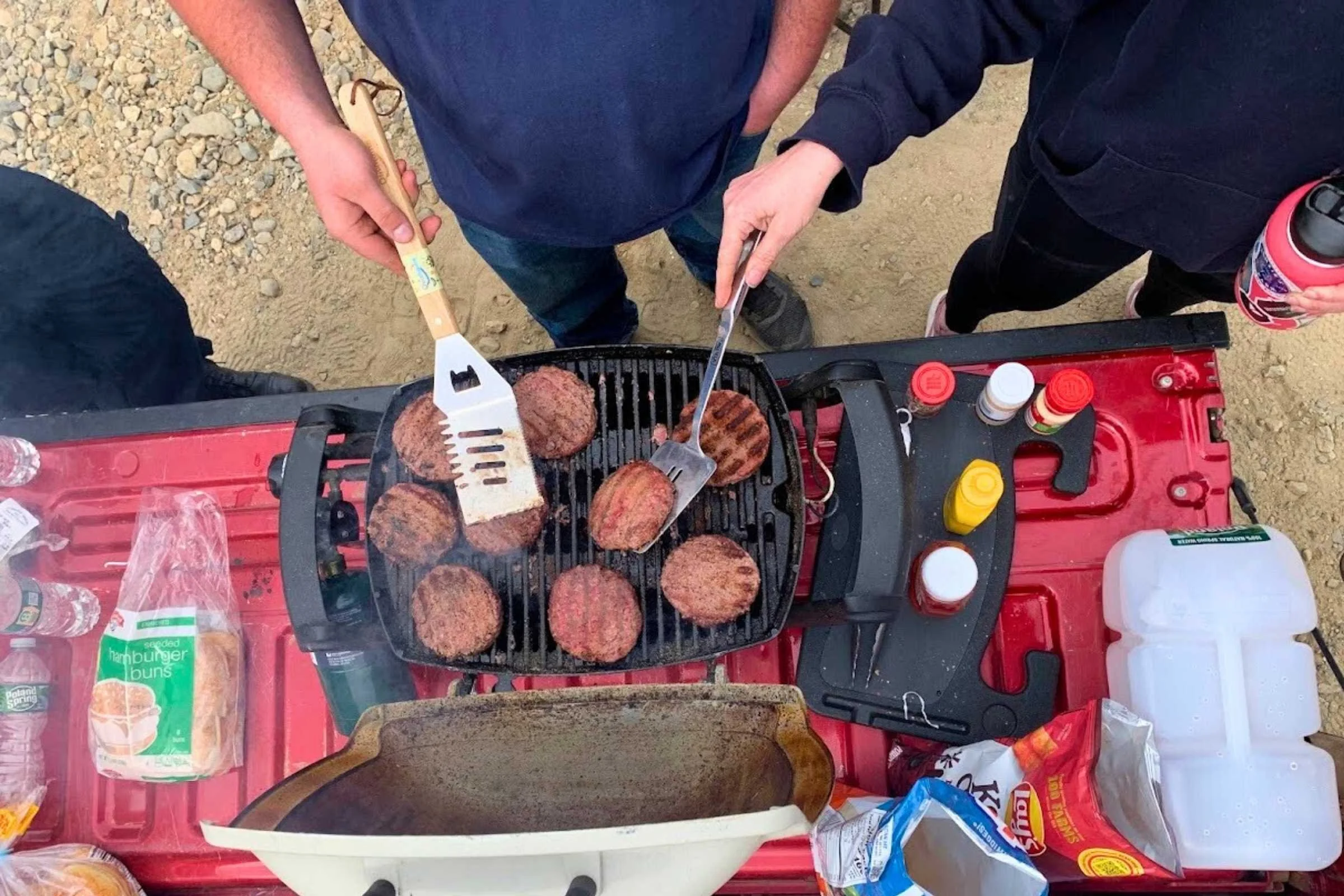
You love the convenience of your compact portable grill—it’s perfect for quick cookouts, camping trips, and tailgate parties. But to keep it working smoothly and make sure your food tastes great every time, you need to maintain it properly.
Neglecting simple upkeep can lead to rust, uneven cooking, and even safety hazards. Don’t worry—you don’t have to be a grill expert to keep your grill in top shape. You’ll discover easy and effective ways to clean, store, and care for your compact portable grill.
Keep reading, and your next grilling experience will be better than ever.
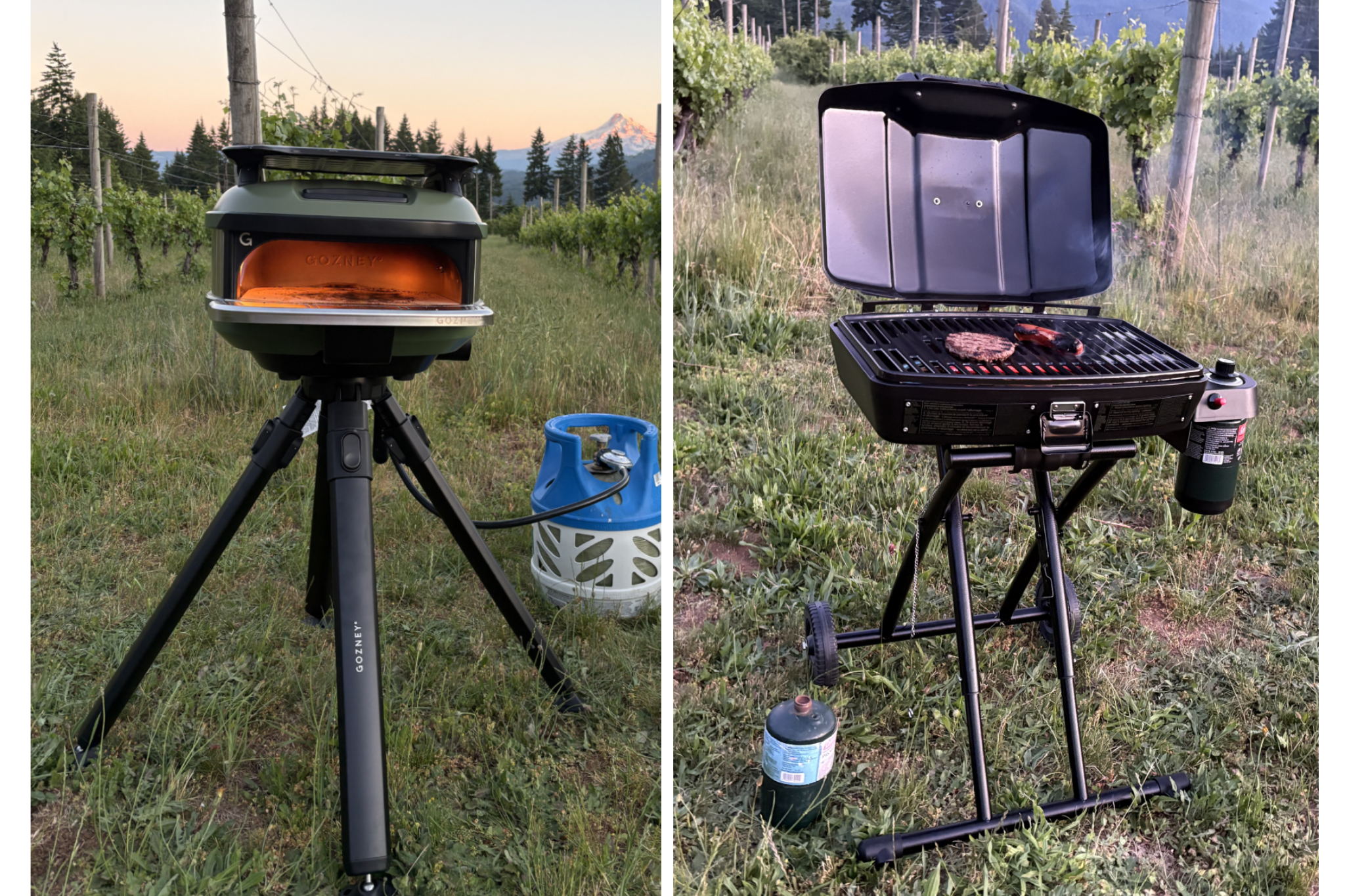
Credit: www.independent.co.uk
Choosing The Right Grill
Choosing the right compact portable grill sets the foundation for your outdoor cooking success. Your grill should match your lifestyle, cooking habits, and the kind of adventures you enjoy. Taking time to pick the perfect grill saves you from frustration later and helps you get the most flavor out of every meal.
Material Matters
The material of your grill impacts its durability and heat retention. Stainless steel grills resist rust and are easy to clean, making them ideal for frequent use. Cast iron grills hold heat well but can be heavier and require more upkeep.
Think about where you’ll use your grill most. If you often camp in humid areas, a rust-resistant material is crucial. Have you ever struggled with a grill that wore out too quickly? Choosing the right material can prevent that hassle.
Size And Portability
Compact means different things depending on your needs. If you hike or bike to your cooking spot, a lightweight, foldable grill is a must. For car camping, you can afford a slightly bigger grill that offers more cooking space.
Consider how much food you’ll typically cook. A grill that’s too small can limit your meal options, while one that’s too large might be a burden to carry. Ask yourself: How often will you move it, and how much space do you have for storage?
Fuel Options
Your choice of fuel affects convenience, flavor, and cooking control. Charcoal grills provide rich smoky flavors but take longer to heat up and clean. Propane grills heat quickly and offer adjustable temperatures, perfect for quick meals.
Some grills use wood pellets or even electricity. Each fuel type has pros and cons based on your cooking style and where you’ll be grilling. What fuel source fits your routine best? This choice can change how often you use your grill and how easy cleanup is.
Cleaning After Every Use
Cleaning your compact portable grill after every use keeps it ready for your next cookout and extends its life. Skipping this simple task can lead to stubborn residue buildup and affect the taste of your food. Taking a few minutes to clean right away saves you from tough scrubbing later.
Removing Food Residue
Start by scraping off leftover food while the grill is still warm, but not hot enough to burn you. Use a grill brush or a spatula to loosen stuck bits gently. This quick action prevents residue from hardening and becoming nearly impossible to remove.
Have you noticed how easy it is to forget this step and then regret it? Try making it a habit to clean immediately after cooking—it makes all the difference.
Cleaning Grill Grates
Once the large debris is removed, wash the grill grates with warm, soapy water. Use a sponge or a soft brush to avoid damaging the grate’s coating. For stubborn grease, a paste of baking soda and water works wonders without harsh chemicals.
Rinse thoroughly and dry the grates completely to prevent rust. Storing your grill with wet grates invites corrosion, which is a pain to fix.
Emptying Drip Trays
Don’t forget the drip tray—it collects grease and food particles that can cause flare-ups or unpleasant odors. Remove the tray carefully and dispose of its contents in a safe way.
Wash the tray with warm water and mild detergent, then dry it before putting it back. Regular attention here keeps your grill cleaner and safer to use.
Proper Storage Techniques
Proper storage techniques keep your compact portable grill in top shape. Storing the grill correctly prevents damage and rust. It also saves space and makes the grill ready for your next use. Follow simple steps to protect your grill and extend its life.
Keeping It Dry
Moisture causes rust and damages the grill parts. Always dry the grill completely after cleaning. Use a towel to wipe off water from the surface and inside. Let it air dry before storing. Avoid storing the grill while it is still wet or damp.
Using Protective Covers
A protective cover shields the grill from dust and dirt. Choose a cover that fits your grill size well. Look for water-resistant or waterproof covers for better protection. Covers prevent scratches and keep insects away. Store the grill with the cover on to keep it clean.
Safe Storage Locations
Pick a storage place that is dry and well-ventilated. Avoid humid basements or outdoor areas exposed to rain. A garage or shed works well if it stays dry. Keep the grill off the ground to stop moisture damage. Use shelves or hooks to store the grill safely.
Routine Maintenance Tasks
Clean the grill grates after each use to prevent buildup and rust. Check and empty the drip tray regularly for safe operation. Store the grill in a dry place to protect it from weather damage.
Routine maintenance tasks are crucial for your compact portable grill. They ensure longevity and optimal performance. Regular checks can prevent potential issues. Your grill will cook efficiently and safely. Focus on these key areas to keep it in top shape.Checking For Rust
Rust can damage your grill over time. Inspect all metal parts regularly. Look for discoloration or flaky spots. Use a wire brush to clean any rust you find. Apply a rust-resistant paint to the affected areas. This helps in preventing further corrosion. Keep your grill covered when not in use.Inspecting Fuel Lines And Connections
Check all fuel lines for cracks or wear. Inspect connections for tightness and signs of leakage. Use soapy water to test for leaks. Bubbles indicate escaping gas. Replace damaged parts immediately. This ensures safe and efficient operation.Lubricating Moving Parts
Moving parts need regular lubrication. Apply oil to hinges, wheels, and handles. This prevents rust and ensures smooth movement. Use a food-safe lubricant for areas near cooking surfaces. Keep these parts clean and well-maintained. This reduces wear and prolongs the grill’s life.Handling And Transport Tips
Handling and transporting your compact portable grill carefully is essential to keep it in top shape and ready for your next cookout. The way you carry and protect your grill during travel can make a big difference in its durability and performance. Let’s look at practical tips that help you manage your grill with ease and avoid common pitfalls.
Safe Carrying Methods
Always use the built-in handles or designated carrying case for your grill. If your grill doesn’t have these, wrap it with a strong strap or rope to keep it secure while moving. Carry the grill close to your body to maintain balance and reduce strain on your arms.
Think about the weight distribution before lifting. Does your grill feel heavier on one side? Adjust your grip or ask for help to avoid dropping it. Have you ever tried carrying a grill and ended up with a sore back? Using proper lifting techniques can prevent that.
Protecting During Travel
Wrap your grill in a thick blanket or bubble wrap to shield it from bumps and scratches. Place it in a sturdy box or storage bin if you’re transporting it in a car. Make sure it’s secured tightly so it doesn’t slide around during the drive.
Consider using a grill cover designed specifically for your model. This adds an extra layer of protection against dust and moisture. How often do you check your grill after a trip? Inspecting it right away helps catch any damage early.
Avoiding Damage
Keep sharp tools and heavy items separate from your grill during transport to avoid dents and scratches. Avoid stacking anything on top of the grill, as this can warp or damage its surface. Store it in a dry place to prevent rust and corrosion.
If your grill has removable parts, take them off and pack them separately for extra safety. Have you noticed any small dents or loose screws after a trip? Addressing these issues quickly extends your grill’s life and keeps it cooking perfectly.
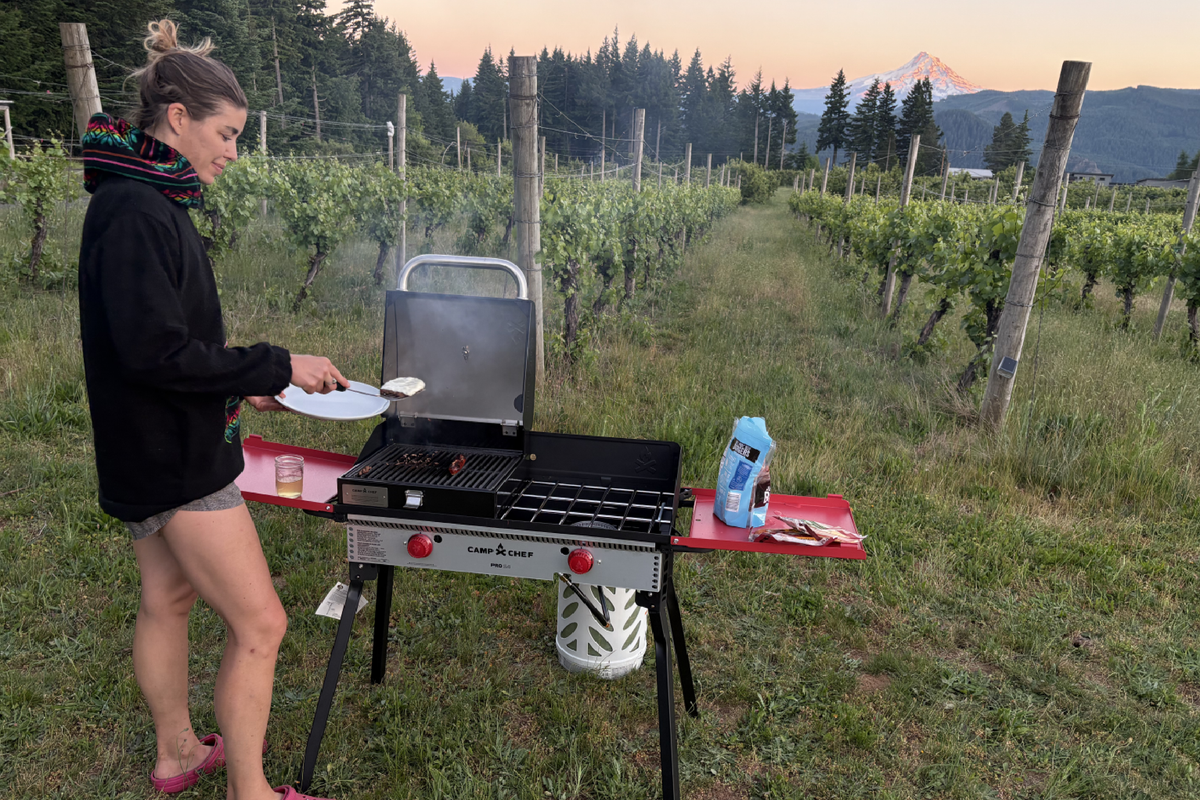
Credit: www.independent.co.uk
Troubleshooting Common Issues
Troubleshooting common issues with your compact portable grill ensures better cooking and safety. Understanding these problems helps you fix them quickly. Regular checks keep your grill in top shape. Here are some frequent problems and how to solve them.
Uneven Heating
Uneven heating can spoil your food and waste fuel. Clean the grill grates to remove grease and debris. Check if burners are clogged and clear blockages with a brush. Adjust the gas flow to balance the flame. Avoid placing food too close to one burner only.
Ignition Problems
Ignition problems stop your grill from lighting properly. Inspect the battery in the igniter and replace if weak. Clean the ignition area from dirt and grease. Make sure the gas valve is open before pressing the ignition button. Try lighting with a match if the igniter fails.
Gas Leaks
Gas leaks are dangerous and must be fixed immediately. Check the gas hose for cracks or holes. Use soapy water on connections; bubbles show leaks. Tighten loose connections carefully. Replace damaged hoses or parts without delay. Always turn off the gas supply after use.
Extending Grill Lifespan
Extending the lifespan of your compact portable grill is all about consistent care and attention. A well-maintained grill not only performs better but also saves you money over time. Are you ready to treat your grill like a long-term companion rather than a disposable gadget?
Seasonal Deep Cleaning
At least once every season, give your grill a thorough cleaning beyond the usual wipe-down. Remove the grates, burners, and trays, then scrub off any built-up grease or food residue. Use warm soapy water and a grill brush to get into those hard-to-reach spots.
Don’t forget to clean the exterior and check for rust or dirt buildup. This deep cleaning prevents corrosion and keeps your grill looking and working like new. Have you noticed how even a small layer of grease can affect your grill’s heat distribution?
Replacing Worn Components
Parts like burners, ignition systems, and grates wear out over time and can impact your grill’s safety and efficiency. Keep an eye on these components and replace them as soon as you see signs of damage or excessive wear.
Many replacement parts are affordable and easy to install yourself. Imagine how much smoother your grilling sessions will be without worrying about flare-ups or ignition failures.
Regular Performance Checks
Make it a habit to check your grill’s performance before each use. Look for uneven heating, strange smells, or difficulty igniting. These signs can alert you to underlying issues that need attention.
Testing your grill regularly helps you catch problems early, preventing costly repairs later. What small change in your grill’s behavior might be trying to tell you something important today?
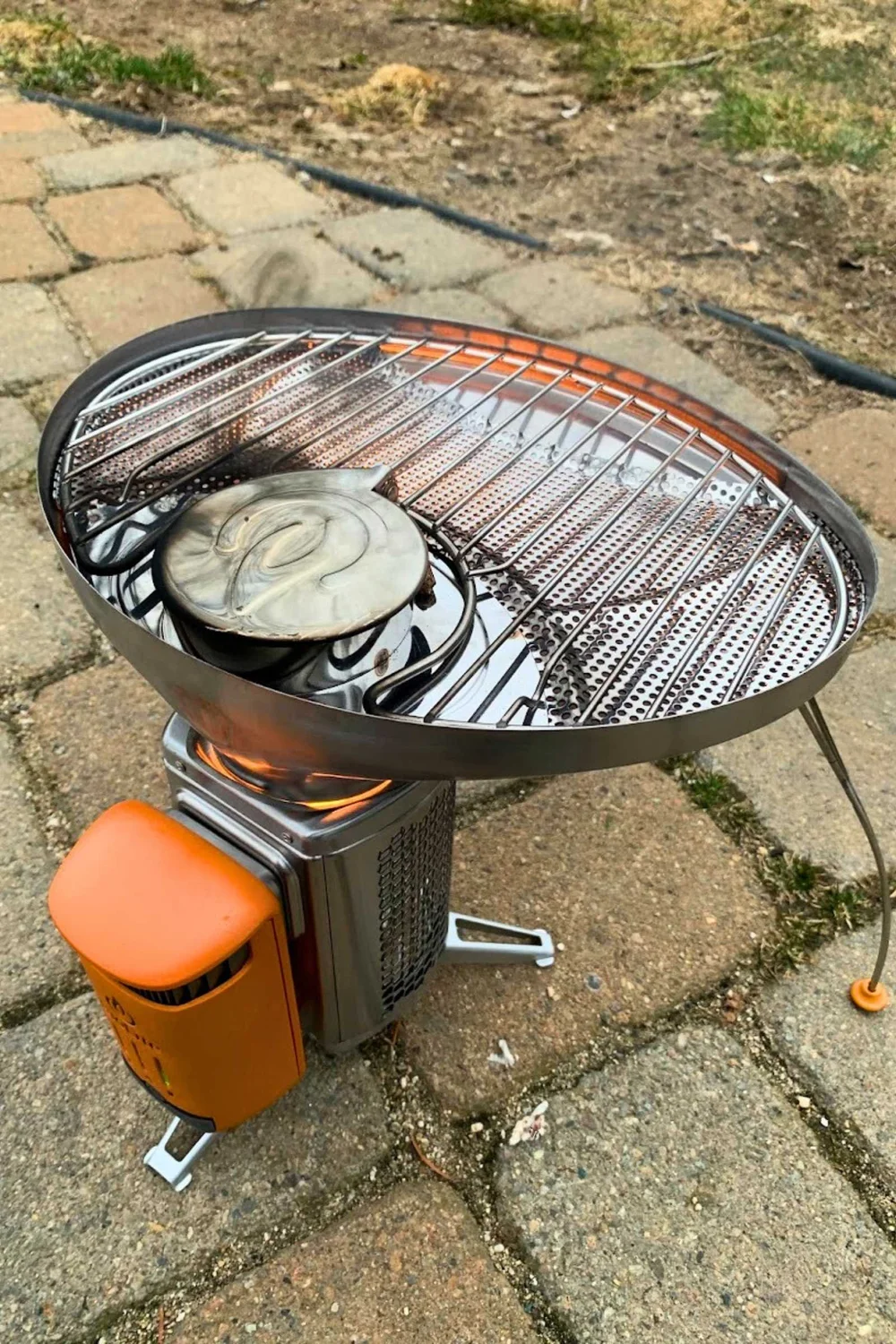
Credit: www.treelinereview.com
Frequently Asked Questions
How Often Should I Clean My Compact Portable Grill?
Clean your compact portable grill after every use. Remove ashes, grease, and food residue. Regular cleaning prevents rust and improves performance.
What Is The Best Way To Store A Portable Grill?
Store your grill in a dry, cool place. Use a grill cover to protect it from dust and moisture. Proper storage extends grill life.
How Do I Prevent Rust On My Portable Grill?
Apply a thin coat of cooking oil to grill grates after cleaning. Keep the grill dry and covered. Rust prevention maintains grill quality.
Can I Use Soap To Clean Grill Grates?
Yes, mild soap and warm water work well. Avoid harsh chemicals that damage the grill surface. Rinse thoroughly and dry completely.
Conclusion
Taking care of your compact portable grill keeps it working well. Clean it after every use to avoid buildup. Store it in a dry place to prevent rust. Check parts regularly and replace if needed. Simple steps save money and extend grill life.
Enjoy tasty meals without hassle or worry. Your grill stays ready for outdoor fun anytime. Maintenance is easy and worth the effort. Keep grilling fresh and safe with these tips.

