

Your generator is a powerful backup that keeps your home or business running smoothly during power outages. But have you ever wondered how to keep it working when you need it most?
Neglecting regular care can leave you in the dark at critical times. You’ll discover simple and effective ways to maintain your generator so it stays reliable and ready. By following these easy steps, you’ll save money, avoid unexpected breakdowns, and gain peace of mind.
Keep reading to learn how to protect your investment and ensure your generator never lets you down.

Credit: shyamtechno.com
Choosing The Right Generator
A generator must suit your needs for best performance. Different types of generatorsserve different purposes. Portable generators are easy to move and use for small jobs. Standby generators start automatically during power outages and support whole homes.
Sizing your generatoris key. Check the total power your devices need. Add up the wattage of all appliances you want to run. Choose a generator that provides at least 10-20% more power. This prevents overload and keeps the generator safe.
Fuel optionsvary by generator type. Common fuels include gasoline, diesel, propane, and natural gas. Gasoline is easy to find but stores poorly over time. Diesel is more efficient and lasts longer in storage. Propane and natural gas burn cleaner and are good for standby units.
Regular Inspection Routine
Checking oil levelsis essential for smooth generator operation. Use a dipstick to check oil amount. Oil must be between minimum and maximum marks. Change oil regularly to keep the engine safe. Dirty or low oil can cause damage.
Inspecting air filtershelps keep dirt out of the engine. Remove the filter and look for dust or debris. Clean or replace the filter if it looks dirty. A clean air filter improves engine performance and fuel efficiency.
Examining spark plugsensures easy starting and good power. Check for cracks, wear, or carbon buildup. Clean the spark plug or replace it if needed. Proper spark plugs help the generator run smoothly and save fuel.
Proper Fuel Management
Using fresh fuelis key for keeping your generator running well. Old fuel can cause clogsand damage the engine. Try to fill the tank with fuel bought within the last 30 days.
Fuel stabilizershelp keep fuel fresh for longer. Add the stabilizer to the fuel before storing it. This stops the fuel from breaking down and forming gum.
Store fuel in cool, dry places, away from heat or sunlight. Use approved containersto avoid leaks and spills. Keep the storage area well-ventilated and away from flames or sparks.
- Use fresh fuel within 30 days
- Add fuel stabilizer before storage
- Store fuel in approved containers
- Keep fuel in a cool, dry place
- Avoid storing near heat or flames
Cleaning And Lubrication
Regular cleaning and lubrication keep a generator running smoothly. Remove dirt and debris to prevent damage. Apply lubricant to moving parts to reduce wear and tear.
Cleaning Generator Components
Generators get dirty over time. Dust and dirt can cause problems. Use a soft cloth to clean surfaces. Pay attention to air filters. Remove dust from them. Clean the vents for better airflow. Be gentle with wires and connectors. Keep the generator dry when cleaning. Avoid spraying water directly on it. Regular cleaning helps it work well.
Lubricating Moving Parts
Generators have moving parts. These parts need lubrication. Use the right oil for the generator. Check the manual for oil type. Apply oil to gears and bearings. Do not use too much oil. Wipe off extra oil with a cloth. Lubrication makes parts move smoothly. It also reduces wear and tear. Keep a regular schedule for oiling.
Battery Care Tips
Check the battery charge regularly to keep the generator ready. Use a voltmeter to see the voltage level. A fully charged battery usually shows around 12.6 voltsor more. If the voltage is low, recharge the battery quickly to avoid damage.
Cleaning battery terminals helps stop corrosion. Corrosion can block the power flow and cause starting problems. Use a mixture of baking soda and water with a brush to clean terminals gently. Make sure to dry the terminals well after cleaning. Apply a thin layer of petroleum jelly to protect them from rust.
Safe Operation Practices
Avoiding overloadsis key to keeping a generator safe. Overloads happen when the generator is asked to power too many devices at once. This can cause the generator to stop working or get damaged. Always check the power limitof your generator before plugging in devices. Use only the essential appliances and keep track of their total wattage.
Proper shutdown procedures help protect the generator and extend its life. Before turning off the generator, disconnect all appliances. Let the generator run for a few minutes with no load to cool down. Then, turn off the fuel supply and switch off the generator. This prevents fuel from staying in the system and causing damage.
Seasonal Maintenance
Before storing a generator, drain the fuel tank completely. Old fuel can clog the carburetor and cause starting problems. Change the oil to keep the engine healthy. Remove the spark plug and pour a small amount of oil into the cylinder. Turn the engine over slowly to spread the oil. Store the generator in a dry, cool place away from dust and moisture. Cover it with a cloth to protect from dirt.
Check the fuel level and oil before use. Inspect the air filter and clean or replace it if dirty. Look for any loose parts or damage. Test the spark plug for wear and replace if needed. Run the generator for a few minutes to ensure it starts and runs smoothly. Check for strange noises or smoke.
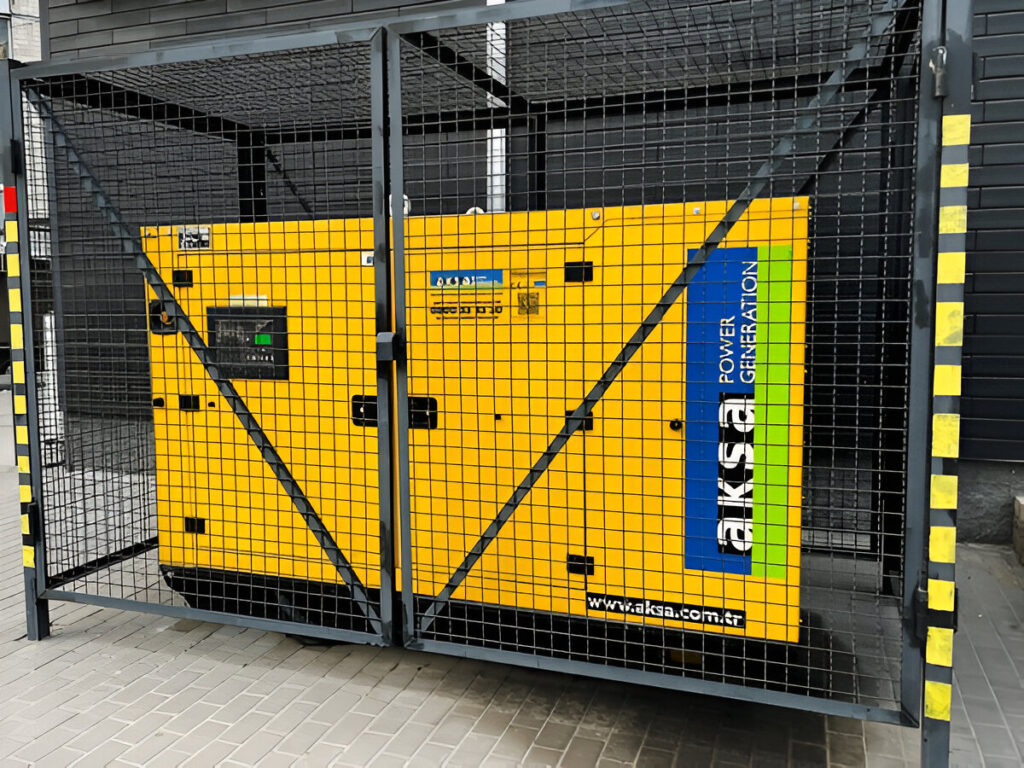
Credit: bcdieselgenerators.com
When To Seek Professional Help
Signs of unusual noise or frequent shutdowns suggest it’s time to call a professional. Complex repairs or electrical issues need expert attention to keep your generator safe and reliable.
Signs Of Major Issues
Strange noisesfrom the generator can mean serious problems. Frequent shutdownsor failure to startare clear signs to stop and get help. Smokeor a strong smellof fuel or burning parts means danger. If the generator leaks oilor other fluids, let a professional check it. Any error codeson the display should not be ignored. Safety matters most.
Choosing A Service Provider
- Pick a company with good reviewsand experience.
- Check if the technicians are licensedand trained.
- Ask about warrantyand service guarantees.
- Compare pricesbut don’t choose only the cheapest.
- Ensure they offer quick responseand support.

Credit: www.adendorff.co.za
Frequently Asked Questions
How Often Should I Service My Generator?
You should service your generator every 6 months or 100 hours of use. Regular servicing ensures optimal performance and prevents breakdowns. Check the manufacturer’s manual for specific intervals and follow recommended maintenance schedules to keep your generator reliable and efficient.
What Fuel Type Is Best For Generator Maintenance?
Use the fuel type specified by the manufacturer, usually gasoline or diesel. Always store fuel in a clean, sealed container to avoid contamination. Regularly check fuel quality and replace old fuel to prevent engine issues and maintain smooth generator operation.
How Do I Check My Generator Oil Level?
Turn off the generator and wait for it to cool. Remove the dipstick, wipe it clean, reinsert it fully, then remove it again. Check the oil level against the marked indicators and add oil if it’s below the recommended level to ensure proper lubrication.
Why Is Generator Load Testing Important?
Load testing verifies your generator’s ability to handle electrical demand. It helps identify potential problems under real conditions. Regular load tests maintain reliability, prevent unexpected failures, and ensure your generator performs well during power outages.
Conclusion
Regular care keeps your generator running smoothly and safely. Check oil, fuel, and filters often. Clean parts help avoid breakdowns. Test your generator under load to ensure it works well. Store it in a dry, safe place to prevent damage.
Small steps save money and stress later. Stay prepared for power outages with good maintenance. Your generator will last longer and perform better. Simple habits make a big difference. Keep it ready, keep it reliable.

