
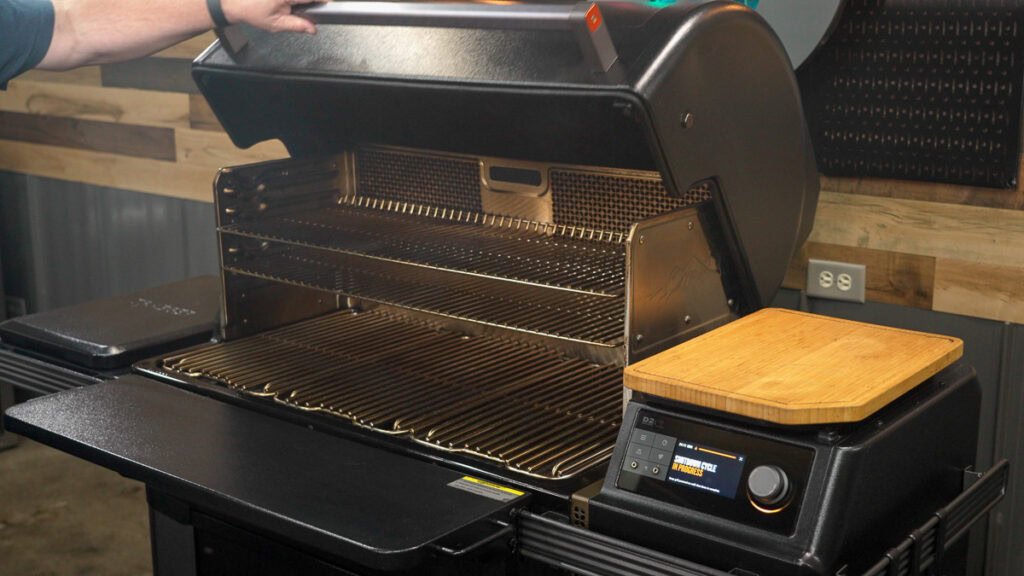
Lighting your pellet grill safely is the first step to enjoying delicious, smoky meals without worry. If you’ve ever felt unsure about how to start your grill or worried about potential hazards, you’re not alone.
Getting it right means you can relax, cook with confidence, and avoid accidents that could spoil your experience. In this guide, you’ll discover simple, clear steps that make lighting your pellet grill easy and safe every time. Keep reading to protect yourself, your grill, and your food while unlocking the full flavor potential of your cooking.
Choosing The Right Pellet Grill
Choosing the right pellet grill is crucial for a safe and enjoyable grilling experience. The right grill not only meets your cooking needs but also keeps safety at the forefront. Knowing the types of pellet grills and the safety features to prioritize will help you make an informed choice that protects you and your loved ones.
Types Of Pellet Grills
Pellet grills come in various sizes and designs to fit different cooking styles and spaces. You’ll find portable models perfect for tailgating or camping, and larger, stationary units designed for backyard gatherings.
Some grills offer simple controls for beginners, while others include advanced settings for temperature precision. Consider what you usually cook and where you plan to use the grill most. Do you want something compact for quick meals, or a larger grill for slow smoking?
- Portable Pellet Grills:Lightweight, easy to carry, ideal for small meals.
- Mid-Size Pellet Grills:Good balance between portability and cooking space.
- Large Pellet Grills:Best for serious grilling and smoking with extensive cooking areas.
Safety Features To Look For
Safety features can make a big difference in how confidently you use your pellet grill. Look for grills with automatic shut-off systems that activate if the fire goes out or the temperature rises too high.
Heat-resistant handles and insulated bodies help prevent burns, especially when you’re managing hot food. A well-designed hopper lid that seals tightly keeps pellets dry and reduces the risk of fire flare-ups.
- Automatic temperature control and shut-off
- Heat-resistant and insulated exterior surfaces
- Secure hopper lids with tight seals
- Stable legs or base to avoid tipping
- Easy-to-read digital displays with alerts
I once experienced a flare-up because my grill lacked a secure hopper lid. That moment taught me how vital these safety features really are. What safety features do you think would give you peace of mind while grilling?

Credit: www.smokedbbqsource.com
Preparing Your Grill For Lighting
Preparing your pellet grill before lighting is essential for safety and cooking success. Proper preparation helps avoid flare-ups and ensures the grill works efficiently. Taking time to get your grill ready makes the cooking process smoother and safer.
Cleaning The Grill
Start by removing old ashes and leftover pellets from the firepot. Clean the grill grates with a wire brush to remove grease and food bits. Wipe down the hopper and interior surfaces to prevent blockages and smoke issues. A clean grill heats evenly and reduces fire risks.
Checking Pellet Quality
Use dry, high-quality pellets made for your grill type. Avoid pellets that are damp or crumbly, as they can cause poor burning. Store pellets in a dry, cool place to keep them fresh. Good pellets burn steadily and produce better flavor.
Proper Pellet Loading
Fill the hopper with enough pellets to last your cooking time. Do not overfill or underfill, as this can affect pellet feeding. Make sure pellets flow freely into the auger without clumping. Proper loading helps the grill maintain a steady temperature.
Safe Lighting Techniques
Lighting a pellet grill safely is crucial for a good cooking experience. Proper techniques prevent accidents and ensure the grill works well. Safe lighting helps avoid flare-ups and damage to the grill. Follow clear and simple steps to light your pellet grill every time.
Using The Electric Igniter
The electric igniter is the safest way to start a pellet grill. It uses electricity to heat a small coil that lights the pellets. Turn on the igniter and wait for the pellets to catch fire. You will see smoke and smell wood burning when it works. Keep the lid closed during this process to keep the heat inside. The igniter usually takes 3 to 5 minutes to start the fire. Never open the grill too early or you might stop the fire from starting.
Manual Lighting Methods
Manual lighting is an option if the igniter does not work. Use a long match or a butane lighter to light the pellets directly. Avoid using paper or other flammable materials that can cause flare-ups. Light the pellets through the fire pot or the grill’s lighting hole. Let the fire grow slowly before closing the lid. Keep a fire extinguisher or water nearby for safety. Only use manual lighting when the electric igniter is not working.
Avoiding Common Mistakes
- Do not use lighter fluid or gasoline on pellets. It creates harmful fumes and risks explosions.
- Never leave the grill unattended while lighting. Fires can spread quickly.
- Avoid opening the lid too soon. It can blow out the fire or cause flare-ups.
- Keep the grill clean to prevent grease fires. Remove ash and debris regularly.
- Check the grill and pellets for damage before lighting. Broken parts can cause accidents.

Credit: www.reddit.com
Maintaining Safe Temperatures
Keep the pellet grill temperature steady to avoid flare-ups and burns. Regularly check the heat with a reliable thermometer for safe cooking. Proper temperature control ensures food cooks evenly and prevents accidents.
Maintaining safe temperatures on a pellet grill is crucial for safety. It’s not just about cooking delicious food; it’s about doing it safely. Keeping the right temperature ensures even cooking and reduces risks. Follow these tips to maintain safe grilling temperatures.Monitoring Heat Levels
Use a reliable thermometer to track grill temperatures. Place it in the center of the grill for accurate readings. Regularly check the temperature to avoid overheating. Consistent monitoring helps maintain desired heat levels.Adjusting Airflow
Airflow control is key for temperature regulation. Adjust vents to increase or decrease airflow. More airflow raises the grill’s temperature. Less airflow lowers it. Find a balance to keep the grill stable.Preventing Flare-ups
Flare-ups can be dangerous if not managed. Keep the grill clean to prevent grease buildup. Move food away from direct flames if flare-ups occur. Use a spray bottle with water to control small flames. Always grill with caution and stay attentive.Essential Safety Tips During Cooking
Cooking on a pellet grill offers a unique blend of flavor and convenience, but it also demands careful attention to safety. Understanding how to protect yourself and your surroundings while grilling ensures a great experience without accidents. Here are essential safety tips that help you stay secure during the entire cooking process.
Keeping A Safe Distance
Always position yourself at a comfortable distance from the grill. Standing too close increases the risk of burns from sudden flare-ups or hot surfaces. Think about where sparks or hot grease might fly—are you close enough to get hurt?
Keep children and pets well away from the grill area. It’s easy to underestimate how fast a child might run towards a tempting smell. Setting clear boundaries helps prevent accidents before they happen.
Using Protective Gear
Invest in heat-resistant gloves designed for grilling. I once underestimated the heat and burned my hand trying to adjust the grill—gloves would have saved me a painful lesson. These gloves let you handle hot parts safely and with confidence.
Wear an apron made of sturdy material to protect your clothes and skin from grease splatters. Eye protection is another smart choice, especially if you’re prone to leaning close to check on your food. Small precautions can make a big difference.
Handling Grease And Ashes
Grease buildup is a common fire hazard on pellet grills. Clean your grill regularly to prevent flare-ups caused by grease catching fire. When you notice excess grease, wipe it away carefully before lighting the grill.
Ashes can smolder long after cooking is done. Dispose of ashes in a metal container with a lid, placed away from flammable materials. Have you ever thought about how a small forgotten ember could spark a big problem?
Following these safety measures protects you and lets you enjoy your pellet grill with peace of mind. What safety habits have you found most useful in your grilling experience?
Post-cooking Safety Practices
After cooking on a pellet grill, following safety practices is vital. These habits protect the grill and ensure a safe environment. Proper care helps the grill last longer and keeps your outdoor space safe.
Properly Shutting Down The Grill
Turn off the grill using the main power switch. Wait for the grill to cool down completely. Avoid touching hot surfaces to prevent burns. Ensure the fire is fully out before leaving the grill unattended. This step stops any risk of flare-ups or accidents.
Cleaning After Use
Remove leftover food and ash from the grill. Use a grill brush to clean grates thoroughly. Empty the ash catcher to prevent buildup. Clean grease traps to avoid fire hazards. Wipe down the exterior with a damp cloth. Regular cleaning keeps the grill working well and safe to use.
Storing Pellets Safely
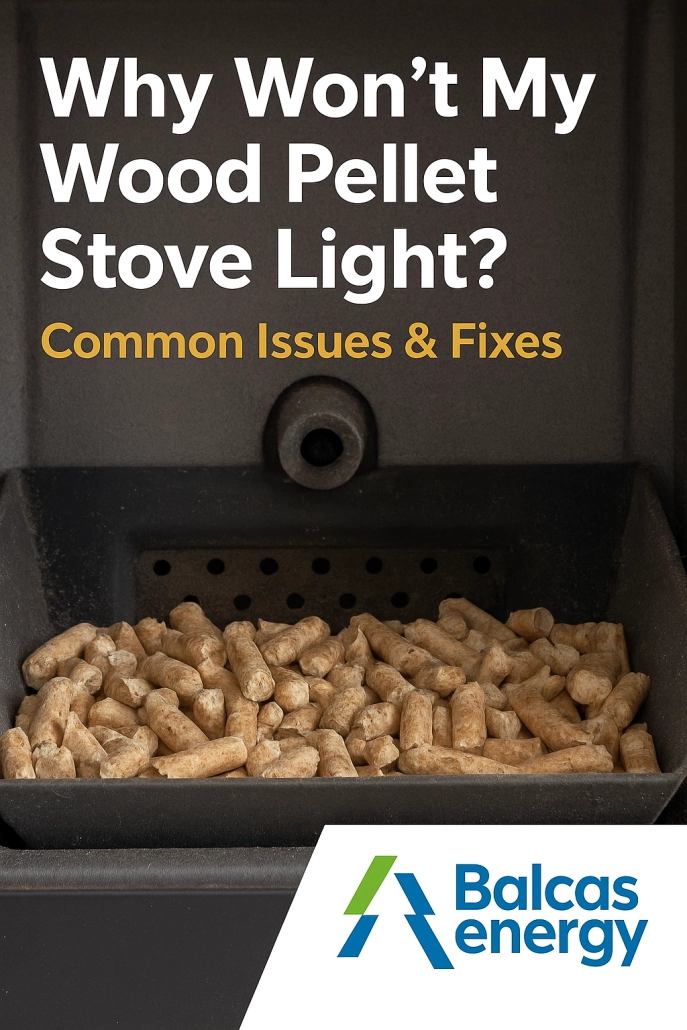
Keep pellets in a dry, cool place away from heat sources. Use airtight containers to protect pellets from moisture. Store pellets off the ground to avoid dampness. Check pellets for mold or damage before use. Proper storage preserves pellet quality and prevents fire risks.
Credit: balcasenergy.com
Frequently Asked Questions
How Do I Safely Start A Pellet Grill?
To start a pellet grill safely, ensure the hopper is full of pellets. Clean the firepot and ashes. Turn on the grill and ignite the auger. Always follow the manufacturer’s instructions for ignition and monitor the grill during startup.
What Safety Gear Is Needed For Lighting A Pellet Grill?
Wear heat-resistant gloves and use long-handled tools to prevent burns. Keep a fire extinguisher nearby in case of emergencies. Avoid loose clothing and always light the grill in a well-ventilated outdoor area for safety.
Can I Use Lighter Fluid On A Pellet Grill?
No, do not use lighter fluid on pellet grills. They are designed to ignite pellets using an electric igniter. Using lighter fluid can cause dangerous flare-ups and damage the grill’s components.
How Often Should I Clean My Pellet Grill For Safe Lighting?
Clean your pellet grill after every 5-10 uses. Remove ash buildup from the firepot and clean the hopper regularly. Proper cleaning prevents blockages and ensures safe, efficient ignition each time.
Conclusion
Lighting a pellet grill safely keeps you and your food secure. Always follow the steps carefully. Check the grill and pellets for damage before use. Keep the area clear of flammable items. Never leave the grill unattended while lighting. Use proper tools and avoid rushing the process.
These habits help prevent accidents and ensure a smooth grilling experience. Enjoy your cooking with confidence and safety. Stay safe, grill smart, and savor every bite.

